

The Short Answer
Sometimes, pelvic floor therapy includes an internal pelvic floor exam using a gloved finger, but only when clinically appropriate and only with your informed consent. This internal exam is different from a gynecological exam—it focuses on assessing muscle function rather than reproductive organs, and does not involve instruments like speculums. It is never mandatory, never sexual, and there are always alternatives if you’re uncomfortable. Pelvic floor therapy sessions are conducted in a private treatment room to ensure confidentiality and comfort. Many patients receive effective pelvic floor therapy without any internal work at all.
Now, let’s break down why the question ‘do they finger you during pelvic floor therapy’ comes up, what actually happens, and what you can expect during your first visit.
Why People Ask: “Do They Finger You During Pelvic Floor Therapy?”
This is one of the most common — and least clearly explained — questions people search for before starting pelvic floor therapy.
Most patients aren’t worried about pain; they’re worried about:
- Embarrassment
- Loss of control
- Not knowing what will happen
- Whether internal touch is required
The lack of clear, plain-language explanations online leads to anxiety. This article aims to address that.
What Is Pelvic Floor Therapy?
Pelvic floor therapy (also called pelvic floor physical therapy or floor therapy) is a specialized form of physical therapy that treats muscle tension, weakness, coordination issues, and pain in the pelvic region.
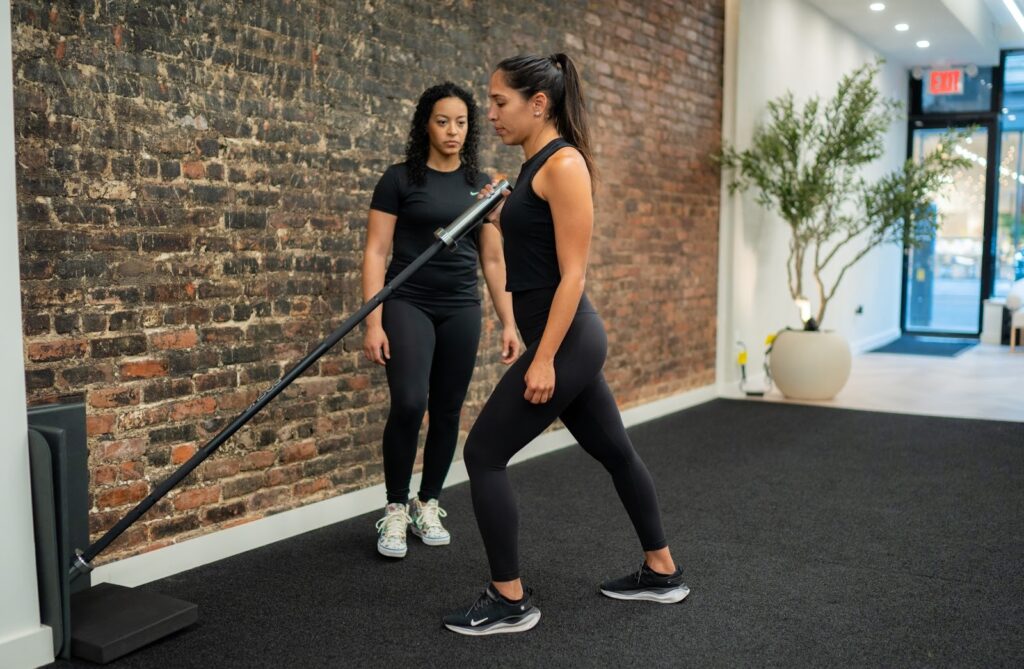
It’s commonly used for:
- Pelvic pain
- Pain with sex
- Urinary or bowel symptoms
- Difficulty with bowel movements
- Erectile dysfunction
- Postpartum or post-surgical recovery
- Chronic muscle tension
Pelvic floor therapy addresses a full range of pelvic floor disorders and pelvic floor issues, providing comprehensive care for various pelvic health concerns.
Like orthopedic physical therapy, pelvic floor therapy focuses on muscles, nerves, and connective tissue — just in a more private area of the body.
What Is an Internal Pelvic Floor Exam?
An internal pelvic floor exam (also referred to as an internal exam or pelvic exam) is a clinical assessment in which a licensed pelvic floor physical therapist may insert one gloved, lubricated finger into the vaginal canal or rectum to gently evaluate the internal pelvic floor muscles.
This allows the therapist to assess:
- Muscle tension or spasm
- Strength and endurance
- Coordination (can the muscle relax when asked?)
- Trigger points contributing to pain
During the assessment, the therapist may gently introduce a finger at the vaginal opening to evaluate muscle tone and function. This internal exam is often performed during the initial consultation and is important for developing an accurate, individualized treatment plan.
It is manual therapy, similar in purpose to how a shoulder or hip might be examined externally.
Is Internal Pelvic Floor Therapy the Same as “Being Fingered”?
No — and this distinction matters.
Internal pelvic floor work is:
- Medical
- Structured
- Goal-oriented
- Slow and communicative
It is different from a gynecological exam, as it focuses on assessing muscle function rather than reproductive organs, and is designed to be gentle and patient-centered.
It is not sexual, not rushed, and not performed without explanation. Therapists describe what they’re doing, why they’re doing it, and check in continuously.
If the language online feels confusing, it’s because clinical care has been poorly explained — not because something inappropriate is happening.
When Is Internal Work Clinically Helpful?
Internal pelvic floor muscle assessment may be helpful when symptoms suggest:
- Deep muscle tension
- Pain not reproduced with external palpation
- Difficulty relaxing the pelvic floor
- Persistent symptoms despite other treatments
- Muscle spasms
- Overactive bladder
Examples include:
- Chronic pelvic pain
- Vaginismus or pain with penetration
- Certain cases of erectile dysfunction
- Pain that worsens with sitting or stress
Therapists may perform internal exams to evaluate issues such as muscle spasms and an overactive bladder, allowing them to tailor treatment to your specific needs.
That said, internal work is a tool — not a requirement.
When Internal Therapy Is Not Necessary
Many patients improve without any internal treatment at all.
External approaches may include:
- External palpation of hips, abdomen, glutes, and thighs
- Breathing and nervous system regulation
- Postural and movement retraining
- Manual therapy to the surrounding tissues
- Treatment of related orthopedic issues
Therapists may also use other techniques to assess and treat pelvic floor issues, ensuring a comprehensive and individualized approach.
A skilled therapist builds a plan around your comfort level and goals.
What Happens During the First Visit?

Your first appointment almost always focuses on conversation and assessment — not treatment.
- The initial evaluation may include a physical exam to assess pelvic floor strength, tension, and coordination.
During the initial visit, the therapist will review your medical history and ask about your health and behaviors that may impact your condition.
The comfort of patients is a priority, and therapists will work at a pace that feels comfortable for each individual.
The initial evaluation typically includes:
- Medical history and symptoms
- Discussion of goals and concerns
- Explanation of pelvic floor anatomy
- External movement and posture assessment
Internal work is never sprung on you. If it’s suggested, it’s discussed first — and often deferred to a later session.
Orthopedic Issues and Pelvic Floor Therapy
Orthopedic issues and pelvic floor health are closely connected—often more than people realize. Your pelvic floor muscles don’t work alone. They are part of a larger system that includes your hips, lower back, abdominal wall, and pelvis. When problems occur in any of these areas, they can affect how your pelvic floor functions.
Conditions such as hip pain, lower back pain, tailbone pain, or pelvic organ prolapse can place extra strain on the pelvic floor. Over time, this can lead to weakness, tension, or poor coordination of these muscles.
Looking at the Whole Body
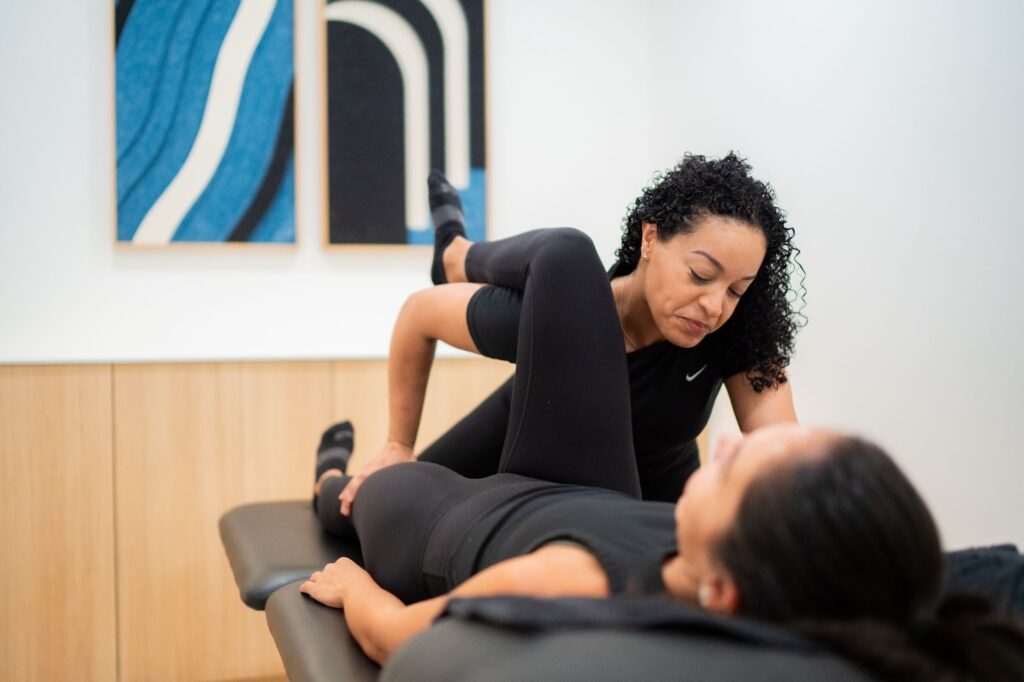
A pelvic floor physical therapist always looks at the body as a whole. During your initial evaluation, your therapist will assess:
- Posture and pelvic alignment
- How you move during daily activities
- Strength, flexibility, and muscle tone in the hips, glutes, thighs, and abdominal wall
Orthopedic issues in one area can create or worsen pelvic floor dysfunction elsewhere, which is why a full-body assessment is so important.
Personalized Treatment Approach
Treatment is tailored to your specific needs. Depending on your symptoms, your therapist may use:
- Manual therapy, such as massage, joint mobilization, or soft tissue work to reduce tension and improve mobility
- Targeted exercises to strengthen the pelvic floor, improve posture, and support better movement patterns
- Education on proper body mechanics and habits that protect your pelvic health
These strategies work together to reduce pain, restore function, and prevent symptoms from returning.
When More Specialized Care Is Needed
In some cases—such as ongoing tailbone pain or pelvic organ prolapse—a more in-depth treatment plan may be recommended. This can include an internal pelvic floor exam to check for muscle weakness, tightness, or trigger points that can’t be identified externally.
If internal therapy is suggested, your therapist will explain the purpose, discuss all options, and ensure you feel comfortable and informed throughout the process.
Do You Have to say yes to “Do they finger you during pelvic floor therapy?”
No. Always no.
You have the right to:
- Decline internal therapy
- Ask for alternatives
- Stop at any point
- Ask questions before and during treatment
Informed consent is a core requirement of pelvic floor physical therapy and professional licensing standards.
A therapist who pressures you is not practicing appropriately.
What Does Internal Manual Therapy Feel Like?
Most patients describe it as:
- Mild pressure
- Stretching
- Awareness of muscles they didn’t know existed
It should not be painful. Discomfort is a signal to pause, adjust, or stop.
Therapists work within your tolerance, just like any other form of physical therapy.
How Muscle Tension Plays a Role
A common misconception is that pelvic floor problems are always about weakness.
In reality, muscle tension is often the bigger issue.
Tight pelvic floor muscles can:
- Mimic weakness
- Cause pain
- Disrupt bladder, bowel, or sexual function
During a pelvic floor assessment, therapists evaluate the pelvic muscles, which are crucial for supporting pelvic organs, controlling urination and bowel movements, and contributing to sexual function and pelvic stability. Pelvic floor therapists perform assessments to evaluate muscle strength, tone, and coordination.
Internal assessment can help identify tension patterns that aren’t visible externally — but again, it’s only one option.
How This Compares to Other Physical Therapy
Think of it this way:
| Area Treated | Typical PT Approach |
| Shoulder | Manual therapy + exercises |
| Hip | External palpation + movement |
| Pelvic floor | External and/or internal assessment |
The pelvic floor isn’t “special” because it’s sexual — it’s just anatomically internal.
Addressing Common Fears
“Is it awkward?”
At first, maybe. Therapists are trained to make it professional and calm.
“Is it embarrassing?”
Many patients feel that way initially — and almost all say it fades quickly.
“What if I have trauma?”
You should always disclose this. Trauma-informed care prioritizes safety and control.
Frequently Asked Questions (Schema-Ready)
Do they finger you during pelvic floor therapy?
Sometimes, but only if clinically appropriate and only with your consent.
Is an internal pelvic floor exam required?
No. Many patients improve without internal treatment.
What happens at the first pelvic floor therapy session?
Mostly conversation, education, and external assessment.
Can I refuse internal pelvic floor therapy?
Yes. You can decline at any time without affecting your care.
Is internal pelvic floor therapy painful?
It should not be. Discomfort should always be addressed immediately.
Final Takeaway
Pelvic floor therapy is medical care — not something to fear or feel embarrassed about. Internal pelvic floor exams are one optional tool among many, used thoughtfully, respectfully, and only with your consent. The best outcomes happen when patients feel informed, empowered, and in control of their care.
Ready to Talk to a Pelvic Floor Specialist You Can Trust?
If you’re considering pelvic floor therapy but still have questions or concerns, you’re not alone — and you don’t have to figure this out by yourself.
Pelvis NYC is a specialized pelvic floor physical therapy clinic serving men and women with a compassionate, evidence-based, and consent-first approach. Their therapists take time to explain every step, respect your boundaries, and tailor treatment to your comfort level — whether that includes internal therapy or not.
Why Patients Choose Pelvis NYC:
- Dr. Samantha Vargas, a licensed pelvic floor physical therapist with advanced training
- Trauma-informed, patient-led care
- Clear explanations and fully informed consent
- Non-invasive optionsare always discussed first
- Experience treating pelvic pain, muscle tension, and sexual health concerns
📅 In-person and personalized care
👉 Schedule a consultation with Pelvis NYC to get answers, clarity, and a plan that feels right for you.
(Internal pelvic floor therapy is never required — your care is always collaborative.)