Pelvic Floor Constipation Exercises: What Actually Works and When to See a Specialist in NYC

Pelvic Floor Constipation Exercises: What Actually Works and When to See a Specialist in NYC

If you strain to have a bowel movement, feel like you never fully empty, or have been constipated for weeks despite changing your diet and drinking more water — your pelvic floor muscles may be the reason. Constipation is one of the most undertreated pelvic floor problems in New York City, and most cases don’t need laxatives or surgery. They need the right exercises and, in many cases, hands-on pelvic floor physical therapy.

Quick answer

Pelvic floor constipation exercises work by retraining the muscles around the rectum to relax — not squeeze — during a bowel movement. The most effective exercises for constipation include diaphragmatic breathing, the squatty potty position, pelvic floor relaxation (reverse Kegels), and abdominal massage. However, if your constipation is caused by dyssynergia (when your pelvic floor contracts instead of relaxing during defecation), exercises alone won’t resolve it. Pelvic floor physical therapy in NYC is the evidence-supported first-line treatment for this condition.

Not sure if your constipation is a pelvic floor problem? Book a free 15-minute teleconsultation with Dr. Adam — no referral needed to get started.

Why are the pelvic floor muscles connected to constipation?

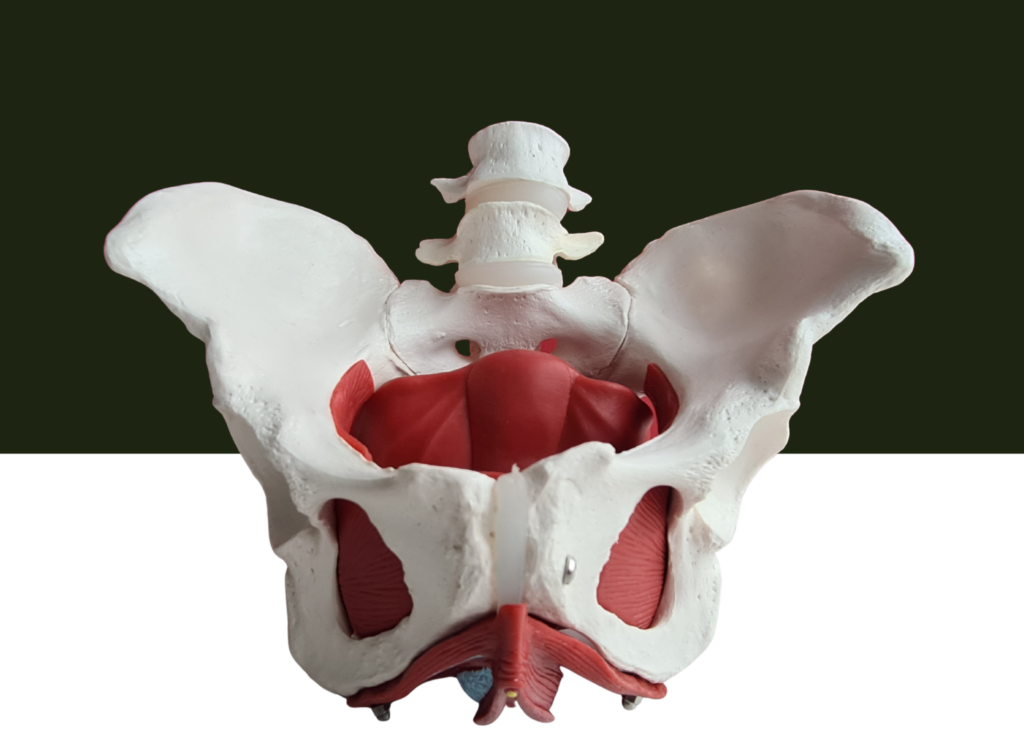
The pelvic floor muscles wrap around the rectum and anus and must fully relax for a bowel movement to happen. When those muscles are too tight — or, paradoxically, when they contract at the exact moment they should relax — stool can’t pass through easily. This pattern is called dyssynergia (also known as anismus or pelvic floor outlet obstruction) — a misfiring of the pelvic floor where the brain sends the wrong signal during defecation.

According to a review in Gastroenterology, dyssynergia accounts for approximately 25–50% of cases of chronic constipation — making it one of the most common, yet most overlooked, causes of this symptom. At our Chelsea clinic in New York City, we frequently see patients who’ve tried every dietary change imaginable and still can’t get relief, because the root cause is muscular, not nutritional.

Constipation can also be caused or worsened by pelvic floor hypotonicity (weakness), poor bowel habits, inadequate fiber or fluid intake, and structural changes like rectocele — a prolapse of the rectum into the back wall of the vagina in women. Identifying which type you have determines which exercises will actually help.

If you want to read how Pelvis NYC helped one man overcome chronic constipation, click the link!

The best pelvic floor constipation exercises

These exercises address the most common muscular patterns behind constipation. They are appropriate for most adults — but if your constipation involves rectal bleeding, significant pain, or a prolapse diagnosis, please consult a clinician before beginning.

Important: If your constipation is caused by dyssynergia, standard Kegel exercises (which strengthen and contract the pelvic floor) will make your symptoms worse — not better. The exercises below focus on relaxation and coordination, not strengthening.

Exercise 1 — diaphragmatic breathing (the foundation)

Diaphragmatic breathing — breathing deeply into the belly rather than the chest — is the single most important skill for pelvic floor relaxation. The diaphragm and pelvic floor move together: when you inhale deeply, the pelvic floor descends and relaxes; when you exhale, it lifts. This synchronized movement helps support the digestive system by reducing pelvic floor tension, which is essential for defecation.

  1. Sit upright or lie on your back with knees bent.
  2. Place one hand on your belly, one on your chest.
  3. Inhale slowly through your nose for 4 counts — let your belly and rib cage expand, not your chest.
  4. Exhale slowly through your mouth for 6 counts — feel your belly fall.
  5. Repeat for 5 minutes, twice daily. Use this breathing pattern on the toilet.

This kind of stretching-based breath work can support constipation relief and overall healthy bowel function when practiced regularly.

Exercise 2 — reverse Kegel (pelvic floor relaxation)

A standard Kegel contracts the pelvic floor. A reverse Kegel is the deliberate opposite — a controlled release and gentle bulge of the pelvic floor muscles outward and downward. This is the muscular movement that should happen during a bowel movement.

  1. Sit on a chair or the edge of the toilet.
  2. Take a deep diaphragmatic breath in.
  3. As you exhale, gently let your pelvic floor release — imagine “opening” around the rectum rather than holding or squeezing.
  4. Hold the release for 3–5 seconds. Do not bear down forcefully.
  5. Repeat 10 times. Practice daily — ideally while seated on the toilet.

You can also try a Figure 4 pose, with one leg crossed over the other, since it targets muscles around the pelvic floor and may make the release in the pelvic area easier to feel.

Exercise 3 — optimal toilet posture (squatty potty position)

The angle of your hips on a standard Western toilet keeps the puborectalis muscle — the sling of tissue that maintains the anorectal angle — partially contracted, which physically restricts stool passage. Elevating your feet changes this angle to a more natural squatting position, allowing full relaxation of the puborectalis.

  1. Place a stool, step, or toilet footrest (6–9 inches high) under your feet while seated on the toilet.
  2. Lean forward slightly, elbows on knees.
  3. Use your diaphragmatic breath and reverse Kegel to initiate movement.
  4. Never strain or hold your breath — both increase intra-abdominal pressure and worsen the problem over time.

Exercise 4 — abdominal massage for bowel motility

Abdominal massage stimulates peristalsis — the wave-like muscle contractions that move stool through the colon. A 2020 study in the Journal of Bodywork and Movement Therapies found that regular abdominal massage significantly reduced constipation symptoms and improved bowel movement frequency in adults with chronic constipation.

  1. Lie on your back with knees bent. Apply gentle pressure with your fingertips.
  2. Begin at the lower right of your abdomen (where the ascending colon starts).
  3. Massage slowly upward along the right side, then across the top (transverse colon), then down the left side (descending colon). This is the “I Love You” massage pattern.
  4. Use circular strokes, moderate pressure, for 5–10 minutes.
  5. Perform in the morning, ideally 20–30 minutes after eating when the gastrocolic reflex is most active.

Exercise 5 — coordination training on the toilet

This exercise trains the pelvic floor to relax on command during defecation — including learning to relax the anal sphincter at the same time, the core skill missing in dyssynergia.

  1. Sit on the toilet in the elevated foot position.
  2. Take a slow diaphragmatic breath in.
  3. On the exhale, simultaneously relax your pelvic floor (reverse Kegel) and use your abdominal muscles to create gentle downward pressure — not from holding your breath or trying to push forcefully.
  4. If nothing passes, do not strain. Breathe, reset, and try again; the goal is to reduce straining, not force stool out.
  5. Limit toilet time to 10 minutes. Prolonged sitting increases rectal pressure and weakens support over time.

At-a-glance exercise guide

ExerciseGoalFrequencyBest for
Diaphragmatic breathingPelvic floor relaxationTwice daily, 5 minEveryone — start here
Reverse KegelRelease pelvic floor10 reps dailyDyssynergia, hypertonic PF
Toilet posture (elevated feet)Optimize anorectal angleEvery bowel movementEveryone
Abdominal massageStimulate colon motility5–10 min each morningSlow transit, bloating
Toilet coordination trainingRetrain defecation reflexEach toilet sessionDyssynergia, outlet obstruction

When do pelvic floor constipation exercises stop working?

Self-directed exercises resolve mild to moderate constipation for many people — but they have clear limits. If your constipation is caused by dyssynergia, structural changes (rectocele, prolapse), or significant neuromuscular disruption from surgery or childbirth, some of the factors that can contribute to pelvic floor dysfunction, exercises practiced at home are unlikely to provide lasting relief without professional guidance.

See a pelvic floor physical therapist if these are signs self-directed care may not be enough:

  • You’ve had chronic constipation (fewer than 3 bowel movements per week) for more than 3 months
  • You strain significantly at every bowel movement
  • You feel like stool is blocked or trapped even with the urge to go
  • You need to manually assist bowel movements (digital evacuation)
  • Constipation developed after childbirth, pelvic surgery, or a spinal injury
  • You have associated pelvic pain, pressure, or prolapse symptoms
  • Dietary changes, hydration, and laxatives have not helped

A healthcare provider or pelvic floor physical therapist can confirm whether pelvic floor dysfunction is the issue, and in more complex cases diagnosis may include anorectal manometry. If constipation comes with abdominal pain or you’re experiencing pain along with other pelvic symptoms, professional evaluation is especially important.

Our pelvic floor physical therapy program at Pelvis NYC uses biofeedback, internal manual therapy, and customized neuromuscular retraining to address the specific pattern driving your constipation — not a generic protocol. We treat both men and women, and same-gender care is always available.

What does pelvic floor PT for constipation look like at Pelvis NYC?

Pelvic floor physical therapy for constipation is evidence-supported and highly effective, and it can also help treat pelvic floor dysfunction more broadly. A 2021 systematic review in Techniques in Coloproctology found that biofeedback-assisted pelvic floor rehabilitation achieved a 70–80% success rate in patients with dyssynergia-related constipation — significantly outperforming laxatives and dietary interventions alone.

At our Chelsea, New York City clinic, treatment for constipation typically includes:

  • Internal and external pelvic floor assessment — to identify whether muscles are too tight, too weak, or poorly coordinated, and when relevant to assess related pelvic organs, including the bladder
  • Biofeedback training — real-time visual or auditory feedback that teaches you to relax the pelvic floor on command, with a trained therapist to lead the session, help you find the correct muscles, and make sure you do the exercises correctly
  • Manual therapy — hands-on release of myofascial restrictions around the pelvic floor and abdomen
  • Bowel habit retraining — behavioral strategies to normalize bowel timing, posture, and defecation mechanics
  • Telehealth follow-up — ongoing support between visits through our telehealth program

Medications are sometimes part of a broader care plan, but they are not the main focus of pelvic floor rehab.

Most patients with dyssynergia see meaningful improvement within 6–8 sessions. Outcomes are consistently better when treatment begins before the pattern becomes deeply habitual and can also improve bladder function in patients with combined bowel and urinary symptoms — so earlier referral is always better.


Frequently asked questions

Are Kegel exercises good for constipation?

Standard Kegel exercises — which strengthen and contract the pelvic floor — are generally not recommended for constipation and can make symptoms worse if the underlying problem is a pelvic floor that’s too tight (hypertonic). In contrast, pelvic floor exercises for constipation should be relaxation-based rather than strengthening-based: reverse Kegels, diaphragmatic breathing, and coordination retraining. A pelvic floor assessment will determine which type of exercise is appropriate for you. Doing them correctly matters more than doing more repetitions.

Can pelvic floor dysfunction cause chronic constipation?

Yes — and it’s one of the most common causes of constipation that doesn’t respond to dietary changes or laxatives, and symptoms may include the bowels feeling blocked even when stool reaches the rectum. Dyssynergia, in which the pelvic floor contracts instead of relaxing during defecation, directly blocks stool passage. Pelvic floor physical therapy with biofeedback has a 70–80% success rate in treating dyssynergia-related constipation.

How long do pelvic floor constipation exercises take to work?

With consistent daily practice, plus good hydration and body awareness, most people notice improvement in bowel movement frequency and ease within 2–4 weeks. If you’re working with a pelvic floor PT for dyssynergia, clinical improvement typically occurs within 6–8 sessions. The exercises must be done correctly — the wrong technique or poor coordination with your body can slow progress or worsen symptoms.

Do I need a referral to see a pelvic floor PT in NYC for constipation?

No referral is required. New York State’s direct access law lets you book a pelvic floor PT appointment without a physician’s referral. You can also start with a free 15-minute teleconsultation at Pelvis NYC to discuss your symptoms before committing to an in-person visit.

Is pelvic floor constipation therapy different for men and women?

The underlying exercises and principles are similar, but the assessment and some treatment techniques differ based on anatomy. Pelvis NYC treats both men and women, and uses a same-gender care model — male patients are always seen by a male clinician. Men are significantly underdiagnosed with pelvic floor-related constipation despite experiencing it at comparable rates.

What’s the difference between pelvic floor constipation and slow transit constipation?

Slow transit constipation occurs when the colon doesn’t move stool through efficiently — often due to nerve or motility issues. Pelvic floor constipation (outlet obstruction or dyssynergia) occurs when stool reaches the rectum but can’t pass through the pelvic floor. Regular movement can also help prevent constipation, and a common benchmark is 150 minutes of moderate exercise each week. Cardio supports gut motility by increasing blood flow to abdominal organs. For example, walking 20–30 minutes, 3–4 times a week can stimulate gut motility and help relieve constipation. Both can coexist. A pelvic floor assessment distinguishes the two, which is important because the pelvic floor muscles also support nearby organs and the treatments differ significantly.

If pelvic floor constipation exercises haven't given you lasting relief, it's time for a proper assessment. Schedule your first appointment at Pelvis NYC — 110 West 17th Street, Chelsea, New York City — or call (929) 590-3445. We treat men and women in a judgment-free, same-gender clinical environment.

What is pelvic muscle dysfunction? Symptoms, causes, and how to treat it in New York City

What is pelvic muscle dysfunction? Symptoms, causes, and how to treat it in New York City

Pelvic muscle dysfunction affects far more people than most realize — and it’s frequently misdiagnosed, undertreated, or dismissed as something patients just have to live with. If you’re dealing with bladder leaks, pelvic pressure, pain during sex, or constipation that won’t resolve, your pelvic floor muscles may be the source. The good news: it’s highly treatable.

Quick answer

Pelvic muscle dysfunction (also called pelvic floor dysfunction) is a condition in which the muscles of the pelvic floor fail to contract, relax, or coordinate properly. It affects both men and women and causes a wide range of symptoms — from urinary leakage and pelvic pain to sexual dysfunction and bowel problems. According to StatPearls, pelvic floor dysfunction affects up to 25% of women in the U.S. and is significantly underrecognized in men. Pelvic floor physical therapy in New York City is one of the most effective, non-surgical treatments available.

Not sure if pelvic muscle dysfunction is behind your symptoms? Book a free 15-minute teleconsultation with Dr. Adam — no referral needed, no waiting room.

What exactly is pelvic muscle dysfunction?

Pelvic muscle dysfunction — more formally called pelvic floor dysfunction (PFD) — refers to abnormal activity of the group of muscles spanning the base of the pelvis. These muscles support the bladder, bowel, uterus (in women), and prostate (in men), and they coordinate dozens of functions you do every day: urinating, having a bowel movement, having sex, and stabilizing your spine and hips.

When those muscles stop working correctly, symptoms can appear across multiple body systems at once — which is one reason PFD is so commonly missed. A patient might see a urologist for leakage, a gastroenterologist for constipation, and a gynecologist for pelvic pain, and receive a different answer from each.

The two types of pelvic muscle dysfunction

Pelvic floor dysfunction is part of a broader group of pelvic floor disorders.

The pelvic floor is made up of muscles and connective tissues that support the pelvic area and help regulate bladder function, bowel movements, and sexual function. Problems in this system can affect women and men, and they often overlap with functional gastrointestinal disorders such as irritable bowel syndrome or neurologic conditions such as spinal cord injury.

TypeWhat’s happeningCommon symptoms
Hypertonic (high-tone)Muscles are too tight; high muscle tone means they can’t relax properly, and pelvic floor dyssynergia can contribute to functional constipationPelvic pain, painful sex, urinary urgency, constipation
Hypotonic (low-tone)Muscles are too weak; can’t contract properlyUrinary incontinence, fecal incontinence, involuntary leakage, pelvic organ prolapse, reduced sensation

Diagnosis starts with a medical history and physical exam of the pelvic floor, including assessment of specific pelvic floor muscles and surrounding muscles.

What are the symptoms of pelvic muscle dysfunction?

Pelvic muscle dysfunction presents differently depending on which muscles are affected and whether they’re too tight or too weak. At our Chelsea clinic in New York City, we regularly see patients who’ve had symptoms for years before connecting them to their pelvic floor.

Urinary symptoms

  • Leaking urine when you cough, sneeze, laugh, or lift (stress incontinence)
  • Sudden, intense urge to urinate that’s hard to control (urge incontinence)
  • Frequent trips to the bathroom — more than 8 times per day
  • Difficulty starting or stopping the urine stream
  • Feeling like the bladder never fully empties

Bowel symptoms

  • Chronic constipation or straining to pass stool, including functional constipation; testing may also look for pelvic floor dyssynergia with anorectal manometry or a balloon expulsion study
  • Feeling of incomplete bowel emptying
  • Fecal incontinence or urgency, which can relate to anal sphincter function
  • Pain or pressure around the rectum

Bladder irritants such as artificial sweeteners can worsen urgency in some patients, and avoiding them may improve symptoms.

Pelvic pain and sexual symptoms

  • Persistent aching, stabbing, or pressure in the lower abdomen, tailbone, or groin that may become chronic pain
  • Pain during or after intercourse can affect sexual function (in both men and women)
  • Erectile dysfunction or pain with erections (in men)
  • Vaginismus — involuntary muscle contraction making penetration painful or impossible (in women)
  • Reduced genital sensation

These symptoms of pelvic floor problems can vary widely and are sometimes overlooked, which is why evaluation and pelvic floor therapy are often important.

Pelvic organ prolapse

Pelvic organ prolapse (POP) — a condition in which one or more pelvic organs (bladder, uterus, or rectum) descend into or outside the vaginal canal — is a direct result of weak pelvic floor support. It affects approximately 1 in 4 women over their lifetime, according to the American Urogynecologic Society, and risk can increase after pregnancy and vaginal deliveries. Symptoms include a bulging or heaviness sensation in the vagina, especially after prolonged standing.

Pain that lasts for more than three to six months can be chronic pelvic pain. These symptoms can also affect sexual function, physical comfort, and posture, and some cases eventually require surgical interventions.

What causes pelvic muscle dysfunction?

Pelvic floor dysfunction rarely has a single cause. It’s usually the result of multiple contributing factors — which is why a whole-body assessment, like the one we perform at Pelvis NYC, is essential to effective treatment.

  • Pregnancy and childbirth — vaginal delivery stretches and can tear pelvic floor muscles and nerves; even C-section carries pelvic floor impact from pregnancy itself, and risk rises after pregnancy and vaginal deliveries
  • Chronic straining — years of bearing down to pass stool overloads the pelvic floor
  • Pelvic or abdominal surgery — hysterectomy, prostatectomy, hernia repair
  • High-impact sports or heavy lifting — repetitive strain on the pelvic floor over time
  • Trauma or injury — falls, accidents, or sexual trauma can cause lasting pelvic floor guarding
  • Stress and anxiety — the pelvic floor is highly responsive to the nervous system; chronic tension manifests there
  • Aging — natural muscle weakening and connective tissue changes over time
  • Hormonal changes — menopause-related estrogen loss accelerates pelvic floor tissue thinning
  • Neurological conditions — conditions such as spinal cord injury can disrupt pelvic floor coordination and bowel or bladder control

At our NYC clinic, we often see a pattern unique to busy urban professionals: high-stress lifestyles, prolonged sitting, and chronic breath-holding or core bracing that quietly overloads the pelvic floor over months or years before symptoms appear. These pelvic floor issues also commonly overlap with chronic conditions that affect daily life.

How to treat pelvic floor dysfunction?

Pelvic floor physical therapy is the first-line, evidence-supported treatment for most forms of pelvic muscle dysfunction — and in many cases, it resolves symptoms without surgery or medication. A 2022 systematic review in the American Journal of Obstetrics and Gynecology found that pelvic floor muscle training is effective for both hypertonic and hypotonic dysfunction when appropriately tailored to the patient.

At Pelvis NYC, we treat patients individually. No two pelvic floors are the same, and the plan for a postpartum woman with prolapse looks very different from the plan for a 32-year-old man with chronic pelvic pain. A pelvic floor therapist starts with a detailed assessment to build personalized treatment options, often combining pelvic floor exercises, relaxation techniques, and other nonsurgical treatments to reduce symptoms. Our physical therapist may also use electrical stimulation when indicated, and therapy sessions can include myofascial release as part of hands-on care. Our approach includes:

  • Internal and external manual therapy — hands-on techniques to release tight muscles, reduce trigger points, restore tissue mobility, and in some cases complement trigger point injections
  • Pelvic floor muscle retraining — targeted strengthening or relaxation depending on whether the dysfunction is hypertonic or hypotonic
  • Functional movement and breath work — retraining how you breathe, brace, and move so your pelvic floor isn’t constantly overloaded, alongside practical lifestyle modifications
  • Bladder and bowel retraining — evidence-based behavioral strategies to normalize urinary and bowel habits and support lasting lifestyle changes
  • Telehealth follow-up — ongoing support between in-person sessions via our telehealth program

We also treat male pelvic floor dysfunction — including chronic pelvic pain, post-prostatectomy incontinence, and erectile dysfunction — in a same-gender care environment, which many men find far more comfortable than a traditional clinical setting.

When should you see a pelvic floor specialist in NYC?

See a specialist if any of the following apply — and don’t wait until symptoms become severe. Earlier intervention consistently produces better outcomes.

  • You’ve had bladder leakage of any kind, even occasional
  • You experience pelvic, hip, or tailbone pain lasting more than a few weeks
  • Sex is painful or has become painful after previously being comfortable
  • You strain to have a bowel movement regularly
  • You’ve been told you have prolapse, interstitial cystitis, or chronic prostatitis
  • You’re pregnant or recently postpartum and experiencing any pelvic symptoms
  • You have pelvic floor concerns but have been told everything is “normal”

New York State allows direct access to physical therapy — no physician referral is required to begin pelvic floor PT at Pelvis NYC.

Frequently asked questions

What’s the difference between pelvic muscle dysfunction and pelvic floor dysfunction?

The terms are used interchangeably. “Pelvic floor dysfunction” is the more formal clinical term, while “pelvic muscle dysfunction” reflects that the problem lies specifically in how the pelvic muscles contract, relax, and coordinate. Both refer to the same broad category of conditions.

Can men get pelvic floor dysfunction?

Yes — pelvic muscle dysfunction is common in men, though it’s far underdiagnosed. In men, it often presents as chronic pelvic pain, urinary urgency or leakage (especially after prostate surgery), painful ejaculation, or erectile dysfunction. Pelvis NYC treats men in a same-gender clinical environment specifically designed to be judgment-free.

How many sessions does pelvic floor therapy take?

Most patients see meaningful improvement within 6–10 sessions. The full course depends on the type and severity of dysfunction, how long symptoms have been present, and how the patient responds to treatment. We reassess progress regularly and adjust the plan at each visit.

Do I need a doctor’s referral to start pelvic floor PT in NYC?

No. New York State has direct access laws that allow you to begin physical therapy without a physician referral. You can book directly with Pelvis NYC — or start with a free 15-minute teleconsultation if you’d like to discuss your symptoms first.

Can pelvic floor dysfunction cause lower back pain?

Yes. The pelvic floor muscles are part of the deep core system, working alongside the diaphragm, deep abdominals, and multifidus muscles. When the pelvic floor is dysfunctional, it disrupts that entire system, which often manifests as lower back pain, hip pain, or SI joint pain. Many patients come to us with back pain as their primary complaint and discover a pelvic floor component that other providers missed.

Does insurance cover pelvic floor therapy at Pelvis NYC?

Pelvis NYC is an out-of-network provider. Many patients receive partial reimbursement through their out-of-network benefits — we provide detailed superbills after each session. Contact us before your first appointment, and we’ll help you understand your coverage options.

Pelvic muscle dysfunction is treatable — and the sooner you address it, the better the outcomes. Schedule your first appointment at Pelvis NYC at 110 West 17th Street, Chelsea, New York City, or call (929) 590-3445. We treat men and women in a whole-body, same-gender, judgment-free environment.

Dr. Adam Gvili, PT, DPT

Dr. Adam Gvili is the founder and lead clinician at Pelvis NYC, a pelvic floor and orthopedic physical therapy clinic in Chelsea, New York City. He specializes in pelvic floor dysfunction, pelvic organ prolapse, male pelvic health, and sports performance rehabilitation, and has been featured in Bloomberg, Business Insider, and Experience Life magazine. He offers a free 15-minute teleconsultation for all new patients.

Pelvic Floor Dyssynergia: Why You’re Straining—and How Physical Therapy Can Help

Pelvic Floor Dyssynergia: Why You're Straining—and How Physical Therapy Can Help

If you’ve ever felt like you need to push excessively during a bowel movement, still feel full afterward, or struggle with constipation despite eating enough fiber and drinking plenty of water, you may be dealing with pelvic floor dyssynergia.

As a pelvic floor physical therapist, I see this condition more often than people realize. Many patients spend years trying different diets, supplements, or laxatives before discovering that the problem isn’t their colon—it’s how their pelvic floor muscles are coordinating during a bowel movement.

At Pelvis NYC, we regularly evaluate patients who have been told they have chronic constipation, irritable bowel syndrome (IBS), or pelvic floor dysfunction, only to find that poor muscle coordination is a major contributor to their symptoms.

Quick Answer: Pelvic floor dyssynergia is a condition in which the pelvic floor muscles do not relax and coordinate properly during a bowel movement. Instead of relaxing to allow stool to pass, the muscles may tighten or contract, making bowel movements difficult and sometimes contributing to dyssynergic defecation, constipation, pelvic pain, or even fecal incontinence. Evidence suggests that pelvic floor physical therapy with biofeedback is one of the most effective first-line treatments for improving muscle coordination and bowel function.

Not sure if pelvic floor therapy is right for you? Book a free 15-minute teleconsultation with Dr. Adam—no referral needed.


What Is Pelvic Floor Dyssynergia?

Bottom line: Pelvic floor dyssynergia is a coordination problem, not simply a constipation problem.

Quotable takeaway: The issue isn’t always that the bowels won’t move—it’s that the muscles don’t know when to let go.

The pelvic floor is a group of muscles that supports the bladder, bowel, and reproductive organs. During a normal bowel movement, these muscles should relax while the abdominal muscles generate gentle pressure to help stool pass.

With pelvic floor dyssynergia, this coordinated process breaks down.

Instead of relaxing, the pelvic floor muscles may tighten at the exact moment they should open. This is called dyssynergic defecation, meaning the muscles are working against each other instead of together.

What Happens During a Normal Bowel Movement?

A healthy bowel movement depends on several systems working together:

  • The rectum senses that stool is present, and normal rectal sensation helps trigger the urge to go.
  • The diaphragm and abdominal muscles create gentle pressure.
  • The pelvic floor muscles relax.
  • The anal sphincter opens so the anal canal can open as well.
  • Stool passes with minimal straining.

The puborectalis muscle is one of the muscles responsible for maintaining the anorectal angle, and it must relax during a normal bowel movement. When one part of this sequence is disrupted, emptying becomes much more difficult.

Why It Matters

Research suggests that dyssynergic defecation accounts for approximately 25% to 50% of chronic constipation cases referred to specialty clinics and is also considered a cause of functional constipation within the broader evaluation of chronic constipation. While not everyone with constipation has pelvic floor dyssynergia, it is one of the most common functional causes of difficult bowel movements.

At our clinic, we often see patients who have already increased their fiber intake, changed their diet, and tried multiple medications without lasting relief. In many cases, the missing piece is retraining the pelvic floor muscles rather than adding another supplement.


What Causes Pelvic Floor Dyssynergia?

Bottom line: There is rarely a single cause. The exact cause is not always clear. Pelvic floor dyssynergia can develop from learned behavioral patterns, physical trauma, or neurological issues. Pelvic floor dyssynergia usually develops because several physical and neurological factors affect how the muscles coordinate.

**Quotable takeaway:**Good bowel function depends on coordination—not force.

One of the biggest misconceptions I hear is, “I just need to push harder.”

In reality, pushing harder often makes the problem worse.

When the pelvic floor muscles are already overactive, excessive straining can increase muscle tension, making it even more difficult to empty the bowels.

Common Causes

Pelvic floor dyssynergia may be associated with:

  • Chronic constipation
  • Habitual straining
  • Painful bowel movements
  • Pregnancy and childbirth
  • Pelvic surgery
  • Chronic pelvic pain
  • Anxiety and stress
  • Poor breathing mechanics
  • Prolonged sitting
  • Previous abdominal or orthopedic injuries

The Pelvis NYC Perspective

One thing I’ve learned over years of treating pelvic floor dysfunction is that bowel function is about much more than the bowel itself.

Many patients arrive focused entirely on constipation. During the evaluation, we often identify restricted hip mobility, poor diaphragmatic breathing, abdominal bracing, or persistent pelvic floor muscle guarding that is interfering with normal bowel mechanics.

This whole-body perspective is something I believe is often missing from conversations about constipation.

Your pelvic floor doesn’t work in isolation. It works together with your diaphragm, abdominal wall, spine, hips, and nervous system, while also supporting the pelvic organs and influencing bladder function as part of overall pelvic health. If one of those systems isn’t functioning well, your bowel movements may become more difficult—even if your digestive tract is otherwise healthy.

Who Is at Risk?

Although pelvic floor dyssynergia can affect anyone, it is more common in people who:

  • Frequently strain during bowel movements
  • Spend long periods sitting at work
  • Have chronic pelvic pain
  • Live with high levels of stress or anxiety
  • Have experienced pelvic surgery or childbirth
  • Have a history of pelvic floor dysfunction

Recognizing these contributing factors helps us develop an individualized treatment plan rather than focusing only on symptom relief.

What Are the Symptoms of Dyssynergic Defecation?

Bottom line: The hallmark symptom of dyssynergic defecation is difficulty emptying the bowels, even when you feel the urge to have a bowel movement.

**Quotable takeaway:**If you’re constantly straining but still don’t feel empty, the problem may be muscle coordination—not a lack of fiber.

One of the reasons pelvic floor dyssynergia is frequently overlooked is that its symptoms often resemble chronic constipation or irritable bowel syndrome (IBS). In that overlap, constipation symptoms such as straining and difficult emptying can suggest dyssynergia, but they are not enough by themselves to make the diagnosis. Many patients are treated for years with dietary changes or laxatives before anyone evaluates how their pelvic floor muscles function.

At Pelvis NYC, one of the first things I want to understand is how you’re trying to have a bowel movement—not just how often.

Common Symptoms

People with pelvic floor dyssynergia may experience:

  • Excessive straining during bowel movements
  • A sense of incomplete evacuation
  • Needing to sit on the toilet for long periods
  • Changes in stool consistency, including hard stools despite adequate hydration
  • The need to change positions or manually assist bowel movements
  • Bloating or abdominal discomfort
  • Rectal pain or pressure
  • Chronic constipation

Some patients also experience fecal incontinence, particularly when the pelvic floor muscles have poor coordination rather than simply being weak. This may seem surprising, but muscles that don’t coordinate well can struggle to control bowel movements just as much as they struggle to empty them.

Symptoms Beyond the Bowel

Because the pelvic floor supports several organ systems, patients may also report:

  • Pelvic pain
  • Urinary urgency or frequency
  • Pain during intercourse
  • Lower back pain
  • Hip tightness
  • Difficulty relaxing the pelvic muscles

This is why I rarely evaluate bowel symptoms in isolation. The pelvic floor functions as part of a much larger movement system.


Can Pelvic Floor Physical Therapy Treat Pelvic Floor Dyssynergia?

dyssynergia

Bottom line: Yes. Evidence suggests that pelvic floor physical therapy—particularly when combined with biofeedback—is one of the main treatment options for pelvic floor dyssynergia and remains first-line care.

**Quotable takeaway:**The goal isn’t to strengthen the pelvic floor—it’s to teach it when to contract and when to relax.

This is one of the biggest misconceptions I encounter.

Patients often assume their pelvic floor muscles must be weak because they’re having bowel problems. In reality, many people with pelvic floor dyssynergia have muscles that are too active, too tense, or simply poorly coordinated.

Strengthening an already overactive pelvic floor can actually make symptoms worse. It is usually a treatable condition, and conservative treatments are typically tried first.

What Happens During Pelvic Floor Physical Therapy?

At Pelvis NYC, treatment begins with a comprehensive evaluation, including a detailed medical history and, when appropriate, a physical examination, rather than a one-size-fits-all exercise program.

Depending on your findings, treatment may include:

  • Pelvic floor muscle coordination training
  • Biofeedback therapy
  • Diaphragmatic breathing (breathing that helps coordinate pressure within the abdomen)
  • Manual therapy to reduce muscle tension
  • Hip and pelvic mobility exercises
  • Toilet positioning education
  • Bowel habit retraining to improve bathroom habits
  • Nervous system down-regulation and stress management techniques for stress-related muscle guarding

Every treatment plan is individualized because every patient presents differently.

What Is Biofeedback?

Biofeedback uses specialized equipment to help patients see or hear pelvic floor muscle activity in real time.

This feedback allows patients to learn how to:

  • Relax when appropriate
  • Coordinate abdominal pressure with pelvic floor relaxation
  • Reduce unnecessary muscle tension
  • Improve bowel emptying efficiency

Biofeedback is used to improve muscle function, not just strengthen muscles.

According to the American Gastroenterological Association, biofeedback therapy has demonstrated success rates that often exceed 70% for appropriately selected patients with dyssynergic defecation, and most patients begin to notice improvement within several weeks, making it one of the best-supported non-surgical treatments available.

My Clinical Perspective

At our NYC clinic, we often see patients who have spent years trying to “push harder” or “strengthen their core.”

Ironically, many of them improve only after learning to do the opposite.

One of the most rewarding moments in treatment is when a patient realizes that successful bowel movements depend more on coordination than effort. When the diaphragm, abdominal wall, pelvic floor, and nervous system begin working together again, bowel movements often become easier and less stressful.


Pelvic Floor Dyssynergia vs. Other Causes of Constipation

Bottom line: Not all constipation is caused by pelvic floor dyssynergia. Identifying the underlying cause is essential for choosing the right treatment.

Quotable takeaway: Treating every case of constipation the same is like treating every knee pain the same—it ignores the underlying problem.

Constipation can result from several different conditions. That’s why a thorough evaluation matters.

Comparison Table

ConditionPrimary ProblemCommon SymptomsRole of Pelvic Floor PT
Pelvic floor dyssynergiaPoor muscle coordinationStraining, incomplete emptying, prolonged bowel movementsOften a primary treatment
slow colonic transitSluggish movement through the colon; colon transit studies may be used to track stool movement through the digestive systemInfrequent bowel movementsMay help if pelvic floor dysfunction is also present
Irritable bowel syndrome (IBS-C)Functional bowel disorderConstipation, bloating, abdominal painHelpful when pelvic floor dysfunction coexists; fiber supplements may be used as an adjunct
Structural obstructionPhysical blockageSevere constipation, painRequires medical evaluation before PT

One of the most important parts of my job is determining whether your symptoms are primarily musculoskeletal, gastrointestinal, or a combination of both.

Sometimes pelvic floor dysfunction is the main issue.

Other times it’s only one piece of a larger picture.

That’s why collaboration with gastroenterologists and colorectal specialists is so valuable when symptoms are complex.


When Should You See a Pelvic Floor Physical Therapist?

Bottom line: If constipation, straining, or bowel symptoms are persistent despite conservative measures and other conservative treatments, it’s worth being evaluated for pelvic floor dysfunction.

**Quotable takeaway:**The longer dysfunctional movement patterns continue, the more difficult they can become to break—but it’s rarely too late to improve.

I encourage patients to seek an evaluation if they experience:

  • Chronic constipation lasting several months
  • Persistent straining
  • A sensation of incomplete emptying
  • Difficulty relaxing during bowel movements
  • Pelvic pain associated with bowel movements
  • Symptoms of fecal incontinence
  • Pelvic pressure
  • Recurrent hemorrhoids caused by excessive straining

While waiting for evaluation, support bowel habits with adequate fluid intake and avoiding constipating medications.

When Should You See a Gastroenterologist?

Pelvic floor physical therapy is an important part of treatment, but it isn’t the right starting point for every situation.

Medical evaluation is recommended if you experience:

  • Blood in the stool
  • Unexplained weight loss
  • Severe abdominal pain
  • Persistent vomiting
  • Fever
  • Sudden changes in bowel habits after age 45
  • A family history of colorectal cancer or inflammatory bowel disease

GI or colorectal evaluation for dyssynergia may include physical examinations and imaging techniques. A digital rectal examination is a common first exam and can diagnose dyssynergic defecation in 97% of cases.

Anorectal manometry is often used with the balloon expulsion test, which measures the ability to expel a balloon. Defecography can also help; barium studies evaluate rectal evacuation dynamics, and magnetic resonance defecography may be used to assess pelvic floor anatomy without radiation.

At Pelvis NYC, we frequently work alongside gastroenterologists, colorectal surgeons, and primary care physicians to ensure patients receive comprehensive care.

The best outcomes happen when every provider addresses the part of the problem they’re uniquely trained to treat.


Conclusion

Pelvic floor dyssynergia is more than a constipation problem—it’s a coordination problem. When the pelvic floor muscles fail to relax at the right time, bowel movements become unnecessarily difficult, frustrating, and sometimes painful.

The encouraging news is that this condition is highly treatable. Evidence supports pelvic floor physical therapy, particularly biofeedback-based rehabilitation, as one of the most effective approaches for improving dyssynergic defecation and restoring healthy bowel mechanics.

As a pelvic floor physical therapist, I don’t simply ask whether you’re constipated. I want to understand how your entire body moves—how you breathe, how your hips function, how your abdomen generates pressure, and how your pelvic floor responds. Those answers often reveal why symptoms persist and guide a treatment plan that addresses the root cause rather than just the symptoms.

If you’ve been struggling with chronic constipation, incomplete emptying, fecal incontinence, or other signs of pelvic floor dysfunction, you don’t have to keep guessing.

dyssynergia

Ready to find the cause of your symptoms?

Schedule an evaluation with Pelvis NYC to learn whether pelvic floor physical therapy can help restore more comfortable, efficient bowel function.

Book an appointment:
pelvis.nyc/contact/

Learn more about our pelvic floor therapy services:
pelvis.nyc/understanding-male-pelvic-floor-dysfunction-symptoms-causes-and-treatment/

Telehealth consultations are also available:
pelvis.nyc/telehealth/


Frequently Asked Questions

Can pelvic floor dyssynergia go away on its own?

Short answer: Sometimes mild symptoms improve, but persistent pelvic floor dyssynergia usually requires treatment.

If you’ve been struggling with constipation, excessive straining, or incomplete emptying for several months, it’s unlikely that the problem will resolve simply by waiting. The underlying issue is often muscle coordination rather than bowel health alone. Pelvic floor physical therapy can help retrain these movement patterns before they become even more ingrained.


Is pelvic floor dyssynergia the same as chronic constipation?

No. Pelvic floor dyssynergia is one possible cause of chronic constipation, but it is not the only cause.

Constipation can result from slow movement through the colon, certain medications, dietary factors, neurological conditions, or structural problems. A comprehensive evaluation helps determine whether your symptoms are primarily related to dyssynergic defecation, another gastrointestinal condition, or a combination of factors.


Can pelvic floor physical therapy help fecal incontinence?

Yes, in many cases.

Although people often associate fecal incontinence with weak muscles, poor coordination can also contribute to bowel leakage. A pelvic floor physical therapist evaluates both strength and coordination to determine which treatment approach is most appropriate.


How long does pelvic floor physical therapy take to work?

Every patient is different, but many people begin noticing changes within several weeks of consistent treatment and home exercises.

Your recovery depends on several factors, including how long symptoms have been present, the severity of muscle dysfunction, your overall health, and how consistently you practice the techniques learned during therapy. Clinically, patients often improve when treatment focuses on retraining movement patterns rather than simply strengthening muscles.


Do I need a referral to see a pelvic floor physical therapist in NYC?

In many situations, no referral is required to begin physical therapy, although insurance requirements may vary.

At Pelvis NYC, we can help you determine whether pelvic floor physical therapy is the appropriate first step and whether additional medical evaluation would be beneficial.


Does Pelvis NYC treat men and women?

Yes.

Pelvis NYC provides individualized pelvic floor physical therapy for both men and women, along with orthopedic physical therapy and sports performance rehabilitation. Every treatment plan is tailored to the individual, with one-on-one sessions in a private, judgment-free environment.


Final Thoughts from Dr. Adam

One of the biggest misconceptions about bowel health is that if you’re constipated, you simply need more fiber or stronger muscles.

In reality, successful bowel movements depend on timing, coordination, and relaxation. I’ve worked with many patients who spent years changing their diets, increasing fiber, or relying on laxatives before discovering that their pelvic floor muscles simply weren’t working together efficiently.

At Pelvis NYC, we don’t just ask, “How often do you have a bowel movement?” We ask why your body is struggling in the first place.

That means evaluating your breathing mechanics, abdominal pressure management, hip mobility, posture, movement patterns, and pelvic floor coordination as one integrated system. In my experience, this whole-body approach often uncovers contributing factors that are missed when treatment focuses only on the digestive tract.

If you’re dealing with chronic constipation, dyssynergic defecation, symptoms of pelvic floor dysfunction, or fecal incontinence, know that effective treatment is available. You don’t have to continue managing these symptoms on your own.


Ready to Improve Your Bowel Function?

If you’re tired of straining, incomplete emptying, or feeling like you’ve tried everything without lasting relief, a comprehensive pelvic floor evaluation may be the next step.

Our team at Pelvis NYC, located at 110 West 17th Street, New York, NY 10011, provides one-on-one, evidence-informed care designed to identify the root cause of your symptoms—not just manage them.

Schedule your appointment today:
pelvis.nyc/contact/

Or, if you’re not sure where to start, book a free 15-minute teleconsultation with Dr. Adam to discuss your symptoms and learn whether pelvic floor physical therapy is the right fit for you.

https://calendly.com/drpelvis/appointment

How Much Curve Is Too Much? A Pelvic Floor Physical Therapist’s Perspective

How Much Curve Is Too Much? A Pelvic Floor Physical Therapist's Perspective

Quick Answer

A slight curve or slight bend in the penis is common and usually nothing to worry about. A curve becomes concerning when it develops suddenly, worsens over time, causes pain, interferes with sexual activity, or is associated with erectile dysfunction.

As a pelvic floor physical therapist, I regularly evaluate men who are concerned about penile curvature, pelvic pain, or changes in sexual function. In many cases, the curve itself isn’t the primary issue. Pelvic floor dysfunction, muscle tension, Peyronie’s disease, or other medical conditions may be contributing to the symptoms and deserve proper evaluation.

This guide explains what’s considered normal, how congenital curvature differs from Peyronie’s disease, when a curved penis warrants medical evaluation, how pelvic floor dysfunction can influence symptoms, and where pelvic floor physical therapy may fit into treatment—so you can tell the difference between a normal variation and a problem that needs care.

Bottom line: A mild penile curve is a normal anatomical variation. What matters most is whether the curve changes over time, causes pain, leads to erectile dysfunction or erection problems, or interferes with sexual activity.

Related blog: Why Does It Curve to the Left? A Guide to Penile Curvature and Peyronie’s Disease

What Is Considered a Normal Penile Curve?

how much curve is too much

A penis does not need to be perfectly straight to be healthy. Mild curvature during an erection is common and, by itself, is not considered a medical problem.

Some men naturally have an erection that may curve upward, downward penile curvature, or slightly to either side.

These variations reflect normal anatomy and often do not affect sexual function or overall health.

Research from the European Association of Urology suggests that many men have some degree of natural curvature without an underlying medical condition. Estimates also indicate that approximately 4% to 10% of men are born with congenital penile curvature, although mild cases may not become noticeable until adolescence or early adulthood.

The important question isn’t whether your penis curves—it’s whether that curve is stable and allows you to have comfortable, satisfying sexual function.

Key takeaway: A slight curve is usually normal. A curve deserves attention only when it causes symptoms or changes over time.


What Is Congenital Penile Curvature?

Congenital penile curvature is a natural variation that develops before birth. Unlike Peyronie’s disease, it is not caused by scar tissue or injury.

Men with congenital curvature typically notice the bend during adolescence or with their first erections. In most cases, the curve remains stable throughout adulthood and does not cause pain.

Common features include:

  • Present since adolescence or first erections
  • No scar tissue within the penis
  • Usually painless
  • Little or no progression over time
  • Often no impact on sexual function

Many men live their entire lives with a mild congenital curve and never require treatment.

If the curvature has always been present and has not changed, it is generally much less concerning than a curve that develops later in life.


When Does a Curve Become Concerning?

One of the most common questions I hear is, “How many degrees of curvature is normal?”

While research often uses 30 degrees as a threshold when discussing treatment options, there is no single angle that determines whether a curve is healthy or abnormal.

Clinically, symptoms matter far more than the number of degrees.

For example, one man may have a 20-degree curve with completely normal erections and no discomfort, while another experiences significant pain or difficulty with intercourse despite a much smaller bend.

During an evaluation, I focus less on measuring the curve and more on questions such as:

  • Has the curve changed recently?
  • Does it hurt during erections?
  • Is intercourse becoming difficult?
  • Are your erections weaker than they used to be?
  • Have you noticed a lump or hardened area within the penis?
  • Are you avoiding intimacy because of pain or anxiety?

These answers provide far more meaningful information than the angle alone.

Signs You Should Seek Medical Evaluation

You should schedule an evaluation with a healthcare professional if you notice these possible symptoms of Peyronie’s disease:

  • A curve that develops suddenly
  • Curvature that progressively worsens
  • Pain during erections
  • Pain during intercourse
  • Difficulty with penetration
  • Erectile dysfunction
  • A palpable lump or hardened area that may be fibrous scar tissue called plaque
  • Significant emotional distress related to the condition

These symptoms may indicate an underlying condition such as Peyronie’s disease rather than a normal anatomical variation, and they can affect both physical function and mental health.

Bottom line: Function matters more than degrees. A stable, painless curve is often normal, whereas a changing or painful curve should be evaluated.


Congenital Curvature vs. Peyronie’s Disease

Although both conditions can cause a curved penis, they have very different causes and treatment approaches.

FeatureCongenital CurvaturePeyronie’s Disease
When it appearsAdolescence or first erectionsUsually adulthood
CauseDevelopmental differenceScar tissue (plaque) within the tunica albuginea
PainUsually absentCommon during the acute phase and often improves in the chronic phase
ProgressionTypically remains stableMay worsen before stabilizing
Palpable plaqueNoOften present
Erectile dysfunctionLess commonMore common
Pelvic floor PT roleImprove comfort and function when muscular factors contributeAddress associated pelvic pain, muscle tension, and movement dysfunction while coordinating care with a urologist

Peyronie’s disease affects an estimated 0.5% to 13% of men, depending on the population studied and diagnostic criteria, and it is more common in middle-aged and older men. Unlike congenital curvature, it often develops later in life and symptoms may develop slowly over several months; the acute phase can last up to 18 months before the curve stabilizes in a later phase.

Patients frequently describe a new bend that wasn’t present before, painful erections, shortening of the penis, or difficulty maintaining erections. Some also notice a firm plaque beneath the skin that can cause the penis to bend.

These changes warrant evaluation by a urologist, as early diagnosis can help determine the most appropriate treatment plan.

As a pelvic floor physical therapist, my role is different. I don’t diagnose or treat the scar tissue responsible for Peyronie’s disease. Instead, I evaluate whether pelvic floor dysfunction, muscle guarding, restricted hip mobility, or breathing mechanics are contributing to pain, erectile dysfunction, or reduced sexual confidence.

Many patients benefit from coordinated care that combines medical management with rehabilitation to address the muscular and functional factors affecting sexual health.

Key takeaway: A curve you’ve always had is very different from one that develops later in life. New or worsening curvature should always be medically evaluated.

Can Pelvic Floor Dysfunction Make a Curved Penis Feel Worse?

how much curve is too much

A common misconception is that a tight pelvic floor can cause the penis to become permanently curved. It cannot.

Structural curvature—whether congenital or caused by Peyronie’s disease—results from the anatomy of the penis itself. Pelvic floor dysfunction does not change that anatomy. What it can do is make the symptoms associated with a curved penis more noticeable and more bothersome.

The pelvic floor is a group of muscles that supports the bladder, bowel, and sexual organs. These muscles also play an important role in erections, ejaculation, continence, and pelvic stability. When they become excessively tense or poorly coordinated, they can contribute to pain, reduced erectile quality, and discomfort during intimacy.

Patients often describe symptoms such as:

  • Pelvic or perineal pain
  • Pain during erections
  • Pain during or after intercourse
  • Difficulty achieving or maintaining a firm erection
  • A persistent feeling of tightness in the pelvis
  • Increased anxiety surrounding sexual activity

Many also say things like:

“Everything feels tight.”

“My erections don’t feel as full as they used to.”

“The curve seems more noticeable now.”

In these situations, the anatomical curve may not have changed at all. Instead, muscle tension, altered movement patterns, and increased nervous system sensitivity are amplifying symptoms.

This distinction is important because it changes how treatment is approached. A structural problem requires medical evaluation, while muscular dysfunction often responds well to conservative rehabilitation.

Bottom line: Pelvic floor dysfunction does not create a penile curve, but it can increase pain, worsen erectile function, and make an existing curve feel more symptomatic.


Why Does the Pelvic Floor Affect Sexual Function?

Many people think erections depend only on blood flow. In reality, healthy sexual function relies on the coordinated interaction of muscles, nerves, blood vessels, connective tissue, and the brain.

When the pelvic floor remains chronically tense, several things can happen:

  • Muscles lose their ability to relax and contract efficiently.
  • Blood flow may become less effective during arousal.
  • Breathing mechanics become less efficient, increasing abdominal and pelvic tension.
  • Chronic pain can heighten nervous system sensitivity, making otherwise mild symptoms feel more intense.
  • Anxiety about sexual performance often reinforces muscle guarding, creating a cycle that is difficult to break.

This is one reason men with chronic pelvic pain, high stress levels, or prolonged sitting frequently experience erectile or sexual symptoms even when no structural penile abnormality is present.

Rather than viewing the penis in isolation, I evaluate how the entire lumbopelvic system functions together. Sexual health is influenced by movement, posture, breathing, hip mobility, abdominal control, and nervous system regulation—not just the anatomy of the penis itself.


Can Pelvic Floor Physical Therapy Straighten a Curved Penis?

how much curve is too much

This is one of the most common questions I receive.

The answer is no.

Pelvic floor physical therapy cannot straighten a penis with congenital curvature or Peyronie’s disease because those conditions involve structural anatomy that exercise or manual therapy cannot change.

Being clear about this expectation is important from the beginning. Physical therapy is not a treatment for scar tissue within the penis or developmental curvature.

What it can do is address the muscular and functional impairments that often accompany those conditions.

Treatment may help improve:

  • Pelvic floor muscle overactivity
  • Pelvic pain
  • Painful erections
  • Pain during intercourse
  • Hip and pelvic mobility
  • Breathing mechanics
  • Core muscle coordination
  • Movement patterns that increase pelvic stress
  • Confidence during sexual activity
  • Erectile function when pelvic floor dysfunction is contributing

For many men, these improvements have a meaningful impact on quality of life. Although the anatomical curve remains unchanged, erections become more comfortable, pelvic pain decreases, and sexual activity feels less restricted.

My goal is not to change your anatomy. My goal is to help you achieve the healthiest, most comfortable, and most functional version of it.

Key takeaway: Pelvic floor physical therapy improves function—not structure. While it cannot straighten the penis, it can often reduce pain, improve movement, and restore confidence when pelvic floor dysfunction is contributing to symptoms.


Why a Whole-Body Assessment Matters

One of the biggest mistakes in men’s pelvic health is assuming every symptom originates in the penis.

In practice, sexual function reflects the coordinated performance of the entire body.

During an evaluation, I assess far more than the pelvic floor alone. Depending on the patient’s presentation, this may include:

  • Breathing mechanics
  • Rib cage and diaphragm mobility
  • Core muscle coordination
  • Hip range of motion
  • Lumbar spine movement
  • Pelvic alignment
  • Posture and movement patterns
  • Exercise habits
  • Occupational demands
  • Stress and nervous system regulation

Restricted hip mobility, prolonged sitting, previous orthopedic injuries, abdominal muscle overactivity, and chronic stress can all increase tension throughout the pelvic floor.

For many patients, addressing these contributing factors leads to meaningful improvements in pain and sexual function, even though the structural curvature itself does not change.

This whole-body perspective also helps explain why two men with similar degrees of curvature can have very different experiences. One may have no symptoms at all, while another develops pelvic pain, erectile dysfunction, or difficulty with intercourse because additional muscular or biomechanical factors are involved.

Rather than treating the curve in isolation, rehabilitation focuses on improving the systems that influence comfort, movement, and sexual function as a whole.


When Is Pelvic Floor Physical Therapy Appropriate?

Pelvic floor physical therapy is most helpful when muscular dysfunction is contributing to symptoms alongside—or independent of—a penile curve.

You may benefit from an evaluation if you experience:

  • Pelvic or groin pain
  • Pain during erections
  • Pain during or after intercourse
  • Erectile dysfunction without a clear vascular cause
  • Persistent pelvic floor tightness
  • Lower abdominal or perineal discomfort
  • Hip stiffness that affects pelvic movement
  • Anxiety-related muscle guarding

Treatment begins with a comprehensive one-on-one assessment to identify the factors contributing to your symptoms. Rather than assuming the curvature is the sole cause, the evaluation examines how your muscles, joints, breathing, and nervous system interact to influence sexual function.

For some men, rehabilitation becomes an important part of recovery. For others, it complements medical management by improving the muscular and functional issues that remain after a diagnosis has been established.

Bottom line: Pelvic floor physical therapy is not designed to correct structural penile curvature. Its role is to identify and treat the muscular, movement-related, and nervous system factors that may be contributing to pain, erectile dysfunction, or limitations in sexual function.

When Should You See a Urologist?

Although many cases of penile curvature are harmless, certain symptoms warrant prompt evaluation by a urologist, who treats both sexual concerns and urinary problems. Early assessment is particularly important if the curve is new, worsening, or accompanied by pain or erectile dysfunction.

Seek medical evaluation if you notice:

  • A curve that develops suddenly
  • Progressive worsening of an existing curve
  • Pain during erections
  • A firm lump or plaque within the penis
  • Significant penile shortening or narrowing
  • Difficulty achieving or maintaining erections
  • Blood in the urine or semen
  • Trauma to the penis during sexual activity
  • Severe pain or swelling after an injury

A urologist may perform a physical examination, or physical exam, and, when appropriate, recommend imaging such as penile ultrasound to evaluate for scar tissue or other structural abnormalities. Proper assessment may also involve examining the penis shaft and, when needed, the erect penis to document curvature; X-rays are standard for measuring the angle of curvature.

Depending on the diagnosis, treatment options may include observation, oral medications for symptom management, traction devices that gently stretch tissue over time, injectable therapies for selected cases of Peyronie’s disease, or surgical correction when severe curvature significantly interferes with sexual function.

Pelvic floor physical therapy can play an important complementary role, but it should never delay medical evaluation when warning signs are present.

Bottom line: If your curve is new, changing, painful, or affecting erections, see a urologist. Early evaluation helps determine the cause and guide appropriate treatment.


How Pelvic Floor Physical Therapy Fits Into Your Care

Many men assume they need to choose between seeing a urologist and seeing a pelvic floor physical therapist. In reality, the best outcomes often come from coordinated care.

Each provider addresses a different aspect of the problem.

A urologist evaluates the structural health of the penis, diagnoses conditions such as Peyronie’s disease, and discusses medical or surgical treatment when necessary, since treating Peyronie’s disease may involve both medical and surgical decision-making depending on the stage and severity.

A pelvic floor physical therapist evaluates how muscles, joints, breathing mechanics, posture, and movement patterns may be contributing to pain, erectile dysfunction, or limitations in sexual function.

These approaches are complementary rather than competing.

For patients with muscular dysfunction, rehabilitation can improve comfort, restore movement, reduce pelvic floor overactivity, and support recovery alongside medical treatment.


My Advice to Men Who Are Worried About a Curved Penis

One of the biggest sources of anxiety I see is the belief that a penis must be perfectly straight to function normally.

That simply isn’t true.

Mild penile curvature is common, and for many men it never causes pain, erectile dysfunction, or difficulty during intercourse.

Instead of focusing on appearance alone, pay attention to how your body is functioning.

Ask yourself:

  • Has the curve changed recently?
  • Is it painful?
  • Are my erections different than they used to be?
  • Is my sex life becoming uncomfortable or difficult?
  • Am I avoiding intimacy because of pain or anxiety?

Those answers are far more meaningful than comparing your anatomy to photos online or trying to estimate the angle of the curve.

If your symptoms are stable, painless, and not affecting your quality of life, reassurance may be all that’s needed.

If they are changing or interfering with your daily life, seeking professional evaluation is the best next step.

Remember, the goal isn’t achieving perfect symmetry. It’s maintaining comfortable, confident, and satisfying sexual function.

Key takeaway: Focus on function, not perfection. Most mild curves are normal, but changing or symptomatic curves deserve professional evaluation.


Conclusion

If you’ve been wondering, “How much curve is too much?” the answer isn’t determined by a specific number of degrees.

A mild, stable curve is a common anatomical variation and often requires no treatment. What matters is whether the curvature changes over time, causes pain, affects erections, or interferes with sexual activity.

Congenital penile curvature and Peyronie’s disease are different conditions with different causes and treatment approaches. Distinguishing between them is an important first step toward receiving appropriate care, especially since the exact cause of Peyronie’s disease is not always known and some men develop Peyronie’s disease after an injury or repeated microtrauma.

Pelvic floor physical therapy cannot straighten a structurally curved penis. However, it can be highly effective for addressing the pelvic pain, muscle tension, movement dysfunction, and erectile difficulties that may accompany a penile curve or occur independently.

If you’re experiencing new or worsening curvature, painful erections, or difficulty with sexual function, don’t rely on internet forums or self-diagnosis. A comprehensive evaluation can help determine whether your symptoms are related to normal anatomy, Peyronie’s disease, pelvic floor dysfunction, or a combination of factors.

With the right diagnosis and a coordinated treatment plan, most men can improve their comfort, confidence, and quality of life, although research has not identified a reliable way to prevent Peyronie’s disease.


Frequently Asked Questions

Is a slightly curved penis normal?

Yes. A slightly curved penis with a slight bend is common and usually represents a normal anatomical variation. Treatment is generally unnecessary unless the curve is painful, worsening, or interferes with sexual function.

What degree of curvature is considered too much?

There is no universal cutoff. Although research often references 30 degrees when discussing treatment, the decision to seek evaluation should be based on symptoms rather than angle alone. Pain, progression, erectile dysfunction, and difficulty with intercourse are more clinically important than the degree of curvature.

Can pelvic floor dysfunction cause a curved penis?

No. Pelvic floor dysfunction does not cause structural penile curvature. However, it can contribute to pelvic pain, painful erections, reduced erectile quality, and muscle tension that make an existing curve feel more symptomatic.

Can pelvic floor physical therapy straighten my penis?

No. Physical therapy cannot correct congenital curvature or the scar tissue associated with Peyronie’s disease. Its role is to improve muscle function, reduce pain, optimize movement, and address pelvic floor dysfunction that may be contributing to your symptoms.

How do I know if I might have Peyronie’s disease?

Peyronie’s disease is more likely if the curve develops later in life, worsens over time, causes painful erections, is associated with a firm plaque beneath the skin, or leads to penile shortening or erectile dysfunction. Key risk factors include age, family history, and connective tissue conditions. These symptoms should be evaluated by a urologist.

When should I seek professional help?

You should seek evaluation if you experience a new or worsening curve, painful erections or injury during sexual intercourse, erectile dysfunction, difficulty with intercourse, a palpable lump, or significant anxiety about changes in your penile shape or function.

Ready to Get Answers?

how much curve is too much

If you’re concerned about penile curvature, pelvic pain, erectile dysfunction, or changes in sexual function, a comprehensive evaluation can help identify the factors contributing to your symptoms.

At Pelvis NYC, we take a whole-body approach to men’s pelvic health. Evaluating not only the pelvic floor but also the hips, core, breathing mechanics, posture, and movement patterns that influence sexual function. When appropriate, we coordinate care with trusted urologists. This ensures you receive the most effective treatment for both the structural and functional aspects of your condition.

Whether your symptoms are related to a normal anatomical variation, pelvic floor dysfunction, Peyronie’s disease, or a combination of factors, our goal is to help you understand what’s happening, reduce pain, improve function, and return to comfortable, confident intimacy.

👉 Book Now: https://calendly.com/drpelvis/appointment

Why Does It Curve to the Left? A Guide to Penile Curvature and Peyronie’s Disease

Why Does It Curve to the Left? A Men's Health Guide to Penile Curvature and Peyronie's Disease

Looking at your penis and wondering “Why Does It Curve to the Left?”— you’re not alone, and you’re right to look into it. A penis that curves to the left is most often the result of Peyronie’s disease. It happens when scar tissue (called a plaque) forms inside the penis and pulls it to one side during erection. Though, some men have a congenital curve that has been present since birth.

Penile curvature is more common than most men realize, and in many cases, it has a clear, treatable cause. If you’re wondering whether your penile curve is normal, new, painful, or affecting sex, this guide can help. It explains the main causes of penile curvature and the differences between Peyronie’s disease and congenital curvature. It also covers treatment options, including pelvic floor physical therapy in New York City, and when to see a specialist. Peyronie’s disease affects an estimated 1 in 11 men, and understanding it early can help prevent avoidable pain, sexual dysfunction, and stress while improving comfort and function.

Not sure why does it curve to the left? Book a free 15-minute teleconsultation with Dr. Adam — no referral needed, no awkward waiting room.

What Causes a Leftward Penile Curve?

The most common cause of a penis that curves to the left is Peyronie’s disease. It’s a benign but often distressing condition in which fibrous scar tissue, called a plaque, forms beneath the skin of the penis. Although the exact cause is unknown, the disease can change the penis’s shape and function. Because the plaque doesn’t stretch like healthy tissue, it creates uneven tension during an erection and pulls the penis toward the affected side.

The direction of the curve — left, right, upward, or downward — depends entirely on where the plaque forms. A left-curving penis typically means the plaque is on the left side of the shaft, and while it is most common in men over 40, it can occur at any age.

Related Blog: Downward Penile Curvature: Causes, What’s Normal, and When to Seek Care

Two types of penile curvature: Peyronie’s disease and congenital penile curvature

TypeCauseOnsetPainful?
Peyronie’s diseaseExact cause unknown; scar tissue / plaque may follow micro-injury or inflammationCan happen at any age, but more common after 40Often yes, especially early stage
Congenital curvaturePresent since birth; no plaqueSince pubertyUsually no

What Does Peyronie’s Disease Actually Feel Like? Erectile dysfunction and other symptoms

Peyronie’s disease typically develops in two stages. In the acute phase (usually lasting 6–18 months), the plaque is forming. This is when men notice pain during erections, a new or worsening curve, and sometimes a palpable lump or hardness in the shaft. About half of men with Peyronie’s disease also report pain during intercourse. In the chronic phase, the plaque stabilizes, the curvature may stop changing, and pain often — though not always — decreases. The symptoms of Peyronie’s disease can occur suddenly or develop slowly. Roughly 10% to 20% of men with Peyronie’s also have scarring elsewhere, which may be linked to connective tissue disorders involving connective tissue.

At our clinic, men who come to us often describe feeling embarrassed or confused before they get a diagnosis, and penile curvature can have a real impact on mental health. Many assume the curve was always there, or that there’s nothing they can do. Both assumptions are usually wrong.

Therapy or support groups can help men cope with the psychological impact.

  • Symptoms of Peyronie’s disease include erections that curve noticeably left, right, up, or down
  • Pain during erection or intercourse
  • A hard lump or ridge under the skin of the shaft
  • Shortened penile length
  • Difficulty achieving or maintaining a firm erection
  • Narrowing or “hourglass” shape in the middle of the shaft

Why Does It Curve Upward Instead of to the Side?

A penis that curves upward is caused by the same mechanism. In Peyronie’s disease, plaque on the dorsal (top) surface of the shaft pulls the penis upward during an erection. Upward curvature is one of the more common presentations of the condition. It is often mistaken for a congenital curve, which can also cause an upward bend.

The key clinical distinction: if the curve appeared or worsened during adulthood and is associated with pain or a palpable lump, Peyronie’s disease is the far more likely explanation than a congenital curve. According to the American Urological Association (AUA), Peyronie’s disease affects approximately 9% of men. It is a figure widely believed to undercount the true prevalence due to underreporting.

Can Pelvic Floor Therapy Help Peyronie’s Disease?

Yes — and this is where most men are genuinely surprised. Pelvic floor physical therapy is an evidence-supported, non-surgical option for treating Peyronie’s disease. It addresses several of the condition’s most disruptive effects, and it is one of several treatment options.

Research published in the Journal of Sexual Medicine found that multimodal pelvic floor rehabilitation — combining manual therapy, targeted stretching, and neuromuscular re-education — helped men with Peyronie’s disease improve erectile function and reduce pain without surgical intervention. At Pelvis NYC, our pelvic PT approach for Peyronie’s includes:

  • Soft tissue mobilization — gentle manual techniques to reduce fascial tension around the plaque and improve tissue extensibility
  • Pelvic floor muscle retraining — many men with PD develop compensatory muscle guarding that worsens pain; we address this directly
  • Targeted stretching protocols — evidence-based Traction Therapy guidance aligned with AUA recommendations
  • Erectile function support — including breath work, nervous system regulation, and follow-up between sessions

Urologists may also use intralesional injections to treat Peyronie’s disease in the acute phase, while oral medications are generally not effective for correcting penile curvature.

Pelvic PT won’t dissolve the plaque, but it can meaningfully reduce pain, preserve length, improve sexual function, and prevent the pelvic floor compensations that make Peyronie’s harder to live with. Some other treatments and surgeries can also involve shortening of the penis, so understanding trade-offs matters.

When Should You See a Specialist?

If your penis curves to the left (or in any direction) and the curve is new, worsening, or accompanied by pain, see a specialist as soon as possible. A slight curve or slightly curved penis without pain or difficulty is often normal, but new changes should still be evaluated. Earlier intervention in the acute phase of Peyronie’s disease is associated with better outcomes. Don’t wait for the pain to go away on its own — for many men, it doesn’t, or it returns.

A pelvic floor physical therapist and a urologist work as a team in managing PD. Our role at Pelvis NYC is to address the physical and functional aspects — pain, mobility, pelvic floor tension, erectile function — while your urologist monitors the plaque and may recommend options such as Xiaflex injections or surgery, usually after symptoms have stabilized for 3–6 months.

How to Diagnose Peyronie’s Disease?

A health care professional may diagnose Peyronie’s disease by reviewing your medical history and family history, doing a physical exam, and sometimes using an ultrasound to assess plaque and blood flow in an erect penis. They should also ask about any injury to the penis, including trauma during sexual intercourse or vigorous sex, and review urinary problems when relevant.

For men who also have erectile dysfunction, a penile prosthesis or penile implants may be considered if other options are not a fit. Peyronie’s disease increases with age, and men with diabetes-associated erectile dysfunction have a 4 to 5 times higher chance of developing it. There is no known method for preventing Peyronie’s disease, so men should seek treatment when pain, curvature, or function problems begin.


Frequently asked questions

Is it normal for a penis to curve to the left?

A mild curve present since adolescence can be entirely normal — this is called a congenital curvature. However, if your penis has developed a new or worsening leftward curve as an adult, especially with pain or a hard lump, that is a key sign of Peyronie’s disease and warrants evaluation by a specialist.

Can Peyronie’s disease go away on its own?

In a small percentage of men, mild Peyronie’s disease may stabilize or improve without treatment — but this is the exception, not the rule. Most men experience a stable or worsening curve without intervention. Early treatment during the acute phase offers the best chance of limiting curvature and preserving function.

Do I need a referral to see a pelvic floor PT in NYC?

No referral is needed to book an appointment at Pelvis NYC. New York State allows direct access to physical therapy without a physician referral. You can also start with a free 15-minute teleconsultation to discuss your symptoms before committing to an in-person visit.

How long does pelvic floor therapy take for Peyronie’s disease?

Most men see meaningful improvement in pain and pelvic floor tension within 6–10 sessions. The total course of care varies depending on severity, phase of PD, and individual response. We reassess progress regularly and adjust the plan accordingly.

Does Pelvis NYC treat Peyronie’s disease in women?

Peyronie’s disease is specific to men, but Pelvis NYC treats a full range of pelvic floor conditions in women as well, including pelvic pain, sexual dysfunction, and post-partum recovery. Our same-gender care model means female patients are always seen by a female clinician.

Is pelvic floor therapy covered by insurance for Peyronie’s disease?

Pelvis NYC is an out-of-network provider. Many patients receive partial reimbursement through their out-of-network benefits. We provide detailed superbills after each session to support your insurance claim. Contact us, and we can help you understand your coverage before your first visit.

Penile curvature is treatable — and you don’t have to figure it out alone. Schedule your first appointment at Pelvis NYC or call us at (929) 590-3445. Our clinic serves men across New York City in a judgment-free, same-gender environment.

Dr. Adam Gvili, PT, DPT

Dr. Adam Gvili is the founder and lead clinician at Pelvis NYC, a men’s and women’s pelvic floor physical therapy clinic in New York City. He specializes in pelvic floor dysfunction, Peyronie’s disease, and sexual health rehabilitation, and has been featured in Bloomberg, Business Insider, and Experience Life magazine. He offers free teleconsultations for new patients.

Jelqing Before and After: What Men Need to Know About Penis Size

If you’ve searched for jelqing before and after photos, you’re not alone. Many men come to our clinic looking for answers about penis size, erection quality, and sexual confidence. While the internet is filled with dramatic claims about enlargement techniques, the reality is more nuanced—and often more hopeful.

As a pelvic floor physical therapist in New York City, I’ve found that many men who are worried about size are actually dealing with issues related to pelvic floor dysfunction, erectile quality, pelvic tension, or performance anxiety. Understanding the difference can help you focus on solutions that are supported by evidence rather than internet myths.

Quick Answer: Current medical evidence does not show that jelqing permanently increases penis size. However, repetitive stretching techniques may contribute to tissue irritation, pelvic floor dysfunction, pain, or erectile problems in some men. Pelvic floor physical therapy cannot make the penis anatomically larger, but it can help improve erection quality, pelvic health, sexual function, and confidence by addressing the underlying factors that often drive concerns about size.

Not sure if pelvic floor therapy is right for you? Book a free 15-minute teleconsultation with Dr. Adam—no referral needed.
https://calendly.com/drpelvis/appointment


What Is Jelqing, and Do Jelqing Before and After Results Actually Work?

There is currently no high-quality scientific evidence showing that jelqing produces predictable, permanent penis enlargement.

**Quotable takeaway: Most jelqing before and after claims are anecdotal, while the scientific evidence supporting permanent enlargement remains extremely limited.

Jelqing is a manual stretching technique promoted online as one of several jelqing techniques for male enlargement. The theory is that repeated stretching, performed with the fingers by gripping near the base of your penis and moving toward the tip, creates microscopic changes within penile tissue that eventually lead to increased length or girth.

The problem is that this theory has not been validated by well-designed clinical research.

What the Research Shows

Several findings are worth noting:

  • A review published in BJU International concluded that evidence supporting non-surgical penile enlargement techniques is limited.
  • Research suggests that many men seeking enlargement already fall within normal penile measurement ranges, often because they misunderstand the average penis size.
  • Studies have found that approximately 45% of men report dissatisfaction with penis size, despite objective measurements often being normal.

As clinicians, we have to separate internet anecdotes from medical evidence. Jelqing is typically described online as a manual stretching technique, and it is often described as originating with Sudanese tribes in the Middle East. Claims about jelqing results are often repeated in internet forums and sexual medicine discussions despite poor evidence for penis lengthening or attempts to increase penis length. Most medical organizations do not recommend jelqing.

At our NYC clinic, we frequently meet men who have spent months researching enlargement techniques but have never had a proper evaluation of their pelvic floor function, erection quality, or contributing musculoskeletal factors.

Can Jelqing Exercises Cause Pelvic Floor Dysfunction?

Yes, in some cases, aggressive or repetitive stretching may contribute to pelvic floor dysfunction, pelvic pain, or sexual symptoms, and those risks are one reason clinicians caution against overdoing it.

**Quotable takeaway: Pain is not a sign that enlargement is occurring—it is a sign that tissues may be becoming irritated.

The pelvic floor is a group of muscles that support the bladder, bowel, and sexual organs. These muscles also play a critical role in erections, ejaculation, and sexual sensation.

Unlike skeletal muscles, penile tissue does not adapt to stretching the way gym-trained muscle does.

When tissues become irritated, the body’s natural response is often to increase muscular guarding, and aggressive stretching may impair healthy blood circulation rather than improve it over time.

How Scar Tissue Develops in This Process

Repeated stretching may lead to:

  • Local tissue irritation and skin irritation
  • Bruising
  • Increased sensitivity
  • Scar tissue formation that may contribute to Peyronie’s disease
  • Pelvic muscle tension
  • Protective muscle guarding

While some users report temporary increased blood flow after jelqing, that should not be mistaken for permanent enlargement. Unlike skeletal muscles, penile tissue does not adapt to stretching like weight training, so the risks of aggressive stretching can outweigh any perceived short-term benefit. Over time, this may contribute to hypertonic pelvic floor dysfunction, meaning the pelvic floor muscles become excessively tight and overactive.

Common Symptoms

Men with pelvic floor dysfunction may experience:

  • Pelvic pain
  • Groin tightness
  • Painful erections
  • Painful ejaculation
  • Erectile dysfunction
  • Urinary urgency
  • Urinary frequency
  • Difficulty relaxing during sex

Learn more about our approach to male pelvic floor dysfunction treatment:
pelvis.nyc/understanding-male-pelvic-floor-dysfunction-symptoms-causes-and-treatment/


What Is the Role of Pelvic Floor Physical Therapy in Jelqing and Penis Size Concerns?

Pelvic floor physical therapy does not increase penile size, but it can improve the factors that influence sexual performance and erection quality.

Quotable takeaway: Pelvic floor therapy focuses on improving function—not creating anatomical enlargement.

This is where I believe many online discussions miss the bigger picture.

Most men are not actually looking for a ruler measurement. They’re looking for:

  • Better erections
  • More confidence
  • Improved sexual performance
  • Better sensation
  • Less anxiety

What Pelvic Floor Therapy Can Improve

Pelvic floor therapy may help address:

  • Pelvic muscle tension
  • Erectile dysfunction
  • Ejaculatory control issues
  • Pelvic pain
  • Breathing dysfunction
  • Core coordination deficits
  • Movement restrictions affecting pelvic health

Why Erections Sometimes Feel “Smaller”

One of the most common things I hear is:

“My penis feels smaller than it used to.”

In many cases, the issue isn’t anatomy.

When pelvic floor muscles become tight and overactive:

  • Blood flow may be affected.
  • Erections may feel less rigid.
  • The penis may appear less full.
  • Pelvic tension may create a sensation of retraction.

When we restore healthy pelvic floor function, patients often report stronger erections and improved confidence. The penis has not physically grown, but function has improved.

This is one reason many men who initially seek penis enlargement exercises ultimately benefit more from pelvic floor rehabilitation than continued stretching.

A Unique Pelvis NYC Perspective

At Pelvis NYC, we don’t look only at the penis.

We evaluate:

  • Pelvic floor muscle function
  • Hip mobility
  • Breathing mechanics
  • Core stability
  • Orthopedic movement patterns
  • Stress and nervous system regulation

This whole-body approach often uncovers contributors that enlargement forums completely overlook.


What Actually Causes Pelvic Floor Dysfunction in Men?

Pelvic floor dysfunction is usually multifactorial, meaning several contributing factors are often involved.

Quotable takeaway: The pelvic floor rarely becomes dysfunctional in isolation—it is often influenced by stress, posture, movement, and lifestyle factors.

Common Causes

Potential contributors include:

  • Chronic stress
  • Anxiety
  • Prolonged sitting
  • Weightlifting without proper breathing mechanics
  • Pelvic injuries
  • Low back pain
  • Hip dysfunction
  • Repetitive straining
  • Sexual pain conditions

For many busy professionals, Wall Street workers, and NYC athletes, chronic stress and prolonged sitting are surprisingly common drivers.

Clinical Insight

One thing I’ve observed repeatedly is that men who are intensely focused on sexual performance often carry significant tension throughout the pelvic floor, abdomen, diaphragm, and hips.

Addressing these movement and tension patterns can sometimes improve sexual function more effectively than focusing solely on the penis itself.


What Are Safer Alternatives to Penis Enlargement Exercises?

If your goal is better sexual function, evidence-based treatment is safer and more effective than self-directed enlargement programs, and even some clinical options offer only limited benefits rather than meaningful enlargement.

**Quotable takeaway: Improving function often produces more meaningful results than pursuing enlargement. A urologist can also explain why many methods do not significantly change a flaccid penis.

Under Evidence-Based Options, medical evaluation by a urologist remains the best starting point, especially if you are worried about erections, pain, curvature, or body-image concerns. Penile traction devices may modestly stretch tissue and increase flaccid length by less than 2 cm, but they typically require 4 to 6 hours of daily use for results.

A penis pump can induce erections but does not increase penis length.

Injections may increase girth rather than length and can cause side effects, while surgery is another medically supervised option that should never be approached as self-experimentation.

Evidence-Based Options

Depending on the underlying issue, treatment may include:

  1. Pelvic floor physical therapy
  2. Strength and conditioning programs
  3. Cardiovascular exercise
  4. Stress management
  5. Medical evaluation by a urologist
  6. Psychological support from a sex therapist when body image, anxiety, or intimacy concerns are central

Whole-Body Care Matters

Many patients also benefit from:

  • Orthopedic physical therapy: pelvis.nyc/expert-orthopedic-physical-therapy/
  • Sports performance rehabilitation: pelvis.nyc/maximizing-your-potential-the-ultimate-guide-to-improving-sports-performance/

Sexual health is closely connected to overall physical health.


When Should You See a Pelvic Floor Physical Therapist?

If symptoms persist, worsen, or interfere with your quality of life, professional evaluation by a doctor or pelvic floor physical therapist is appropriate.

**Quotable takeaway: Persistent sexual symptoms deserve assessment—not more internet experimentation.

Consider an Evaluation If You Have:

  • Erectile dysfunction
  • Pelvic pain
  • Groin discomfort
  • Painful ejaculation
  • Urinary symptoms
  • Symptoms after jelqing
  • Persistent concerns about sexual performance

What to Expect at Pelvis NYC

Located at 110 West 17th Street, New York, NY 10011, in Chelsea, Pelvis NYC offers:

  • One-on-one treatment sessions
  • Same-gender care options
  • Whole-body assessments
  • Judgment-free care
  • Evidence-informed treatment plans

Conclusion: The Truth About Jelqing Before and After

The most important takeaway about jelqing before and after results is that current evidence does not support predictable, permanent penis enlargement. What we do know is that aggressive stretching may increase the risk of tissue irritation, pelvic floor dysfunction, pain, and sexual performance issues.

As a pelvic floor physical therapist, my focus is not on making the penis larger. My focus is on helping men achieve stronger erections, healthier pelvic floor function, better sexual performance, and greater confidence. In many cases, those outcomes are ultimately what patients were seeking all along.


Frequently Asked Questions

Can pelvic floor physical therapy increase penis size?

No. Pelvic floor therapy cannot anatomically enlarge the penis. However, it may improve erection quality, blood flow, and pelvic muscle function, which can make erections feel fuller and stronger.

Do jelqing before and after photos prove the technique works?

No. Most online photos are anecdotal and difficult to verify. Lighting, camera angles, temporary swelling, and image editing can all affect appearance. A stronger-looking erection or short-term puffiness is not the same as a permanent change in a flaccid penis or erect size.

Can jelqing exercises cause erectile dysfunction?

Potentially. You should stop jelqing if pain occurs or if the penis becomes erect. Tissue irritation, nerve sensitivity changes, and scar formation may contribute to erectile difficulties in some individuals.

How do I know if I have pelvic floor dysfunction?

Common symptoms include pelvic pain, urinary urgency, painful ejaculation, erectile dysfunction, and persistent tension in the pelvis or groin.

Do I need a referral to see a pelvic floor PT in NYC?

In many situations, no referral is necessary. Contact the clinic directly to discuss your situation and scheduling options.

Does Pelvis NYC treat women as well as men?

Yes. Pelvis NYC provides pelvic floor therapy for both men and women, as well as orthopedic and sports performance physical therapy services.


Ready to Address the Real Cause of Your Symptoms?

If you’re concerned about penis size, erection quality, pelvic pain, or sexual performance, a comprehensive evaluation can help identify what is actually contributing to your symptoms.

Schedule an appointment with Pelvis NYC to receive individualized, evidence-informed care designed around your goals.

Book your evaluation:
pelvis.nyc/contact/


Author Bio

Dr. Adam Gvili, PT, DPT, is the founder and lead clinician at Pelvis NYC. He specializes in pelvic floor physical therapy, orthopedic rehabilitation, and sports performance care. Dr. Gvili is known for his whole-body approach to men’s pelvic health, helping patients address pelvic pain, sexual dysfunction, and performance concerns through evidence-based treatment strategies.

Exercise to Relax the Pelvic Floor: How Effective Techniques Can Reduce Pelvic Pain

Exercise to Relax the Pelvic Floor: How Effective Techniques Can Reduce Pelvic Pain

Quick Answer

Yes, the right exercise to relax the pelvic floor muscles can help reduce pelvic pain, bladder urgency, constipation, sexual dysfunction, and symptoms of an overactive pelvic floor. Unlike traditional Kegel exercises that focus on strengthening, relaxation exercises teach the pelvic floor to lengthen, release tension, and coordinate properly with breathing and movement.

For many people, tight pelvic floor muscles—not weak ones—are the root cause of symptoms. Working with a pelvic floor physical therapist can help identify the underlying issue and create a personalized treatment plan.


Why Relaxing Your Pelvic Floor Matters

When people hear about pelvic floor health, they often think about strengthening exercises.

However, many individuals suffering from pelvic pain, urinary urgency, painful intercourse, constipation, or chronic tension actually have the opposite problem:

Tight Pelvic Floor Muscles

A healthy pelvic floor should be able to:

  • Contract when needed
  • Relax completely
  • Lengthen during a bowel movement
  • Coordinate with breathing
  • Support sexual function

When the pelvic floor stays contracted for extended periods, symptoms can develop. Ongoing pelvic floor tension or pelvic floor muscle tension can make symptoms worse over time.

This condition is often called:

  • Hypertonic pelvic floor
  • Overactive pelvic floor
  • Non-relaxing pelvic floor dysfunction
  • Pelvic floor hypertonicity

According to research published by the National Institutes of Health (NIH), pelvic floor dysfunction can contribute significantly to chronic pelvic pain and urinary symptoms in both men and women.


What Are Pelvic Floor Muscles?

The pelvic floor muscles are a group of muscles located at the base of the pelvis.

They support:

  • Bladder
  • Rectum
  • Reproductive organs
  • Core stability
  • bowel control
  • Bowel function
  • Sexual function

Think of them as a muscular hammock stretching from the pubic bone to the tailbone.

When tight muscles develop in the pelvic floor and the muscles surrounding the pelvis, they can contribute to pain, pressure, and dysfunction throughout the pelvic region.


Signs You May Need to Relax Your Pelvic Floor

Many people mistakenly perform more Kegels when their pelvic floor is already too tight.

Common symptoms of pelvic floor tension or pelvic floor issues include the following:

Symptoms can also occur with a weak pelvic floor, so proper assessment matters before choosing pelvic floor exercises.

Urinary Symptoms

  • Bladder urgency
  • Frequent urination
  • Difficulty starting urination
  • Incomplete bladder emptying
  • urinary incontinence
  • overactive bladder

An estimated 25 million adults in the US have urinary incontinence.

Bowel Symptoms

  • Constipation
  • Straining or difficulty starting a bowel movement
  • Reduced bowel control
  • Painful bowel movements

Pain Symptoms

  • Pelvic pain
  • Tailbone pain
  • Hip pain
  • Lower back pain
  • Groin discomfort

Sexual Symptoms

  • Pain during sexual intercourse
  • Erectile dysfunction
  • Difficulty achieving orgasm
  • Reduced sexual function and overall sexual health

If these symptoms sound familiar, relaxation—not strengthening—may be the first step.

What Causes Tight Pelvic Floor Muscles?

Several factors can contribute to an overactive pelvic floor.

Physical Causes

  • Chronic constipation
  • Pelvic surgery
  • Childbirth
  • Athletic overtraining, where repetitive strain can leave the pelvic floor and nearby tense muscles
  • Repetitive heavy lifting

Emotional Causes

The pelvic floor is highly influenced by the nervous system.

Stress, chronic stress, anxiety, and trauma often trigger unconscious muscle clenching.

Many patients don’t realize they’re holding tension in their pelvic floor throughout the day. Fear and ongoing stress can make symptoms worse by reinforcing guarding.


The Connection Between the Nervous System and Pelvic Floor Health

One of the most overlooked aspects of pelvic health is the role of the nervous system.

When the body perceives stress or danger:

  • Muscles tighten
  • Breathing becomes shallow
  • Blood flow decreases
  • Pain sensitivity increases

Deep breathing helps calm the nervous system and soften tense muscles.

The pelvic floor often becomes part of this protective response.

Over time, the body can get stuck in a cycle:

Stress → Muscle Tightness → Pain → More Stress → More Tightness

This is why effective treatment often includes both physical exercises and nervous system regulation techniques. Creating a safe environment matters for pelvic floor relaxation exercises because the body relaxes more easily when it does not feel threatened.


Best Exercise to Relax the Pelvic Floor Muscles

Below are the most commonly recommended exercises by pelvic floor physical therapists.

1. Diaphragmatic Breathing

Why It Works

The diaphragm and pelvic floor work together.

When you inhale:

  • Diaphragm descends
  • Pelvic floor lengthens

When you exhale:

  • Diaphragm rises
  • Pelvic floor gently recoils

How To Do It

  1. Lie comfortably on your back with knees bent and feet flat.
  2. Place one hand on your chest.
  3. Place one hand on your stomach.
  4. Inhale slowly through your nose.
  5. Allow your belly to rise.
  6. Exhale slowly through your mouth, keeping your rib cage relaxed.

Practice:

  • 5–10 minutes daily

This is often the first exercise prescribed in pelvic floor physical therapy.

2. Happy Baby Pose

The Happy Baby stretch is excellent for opening the hips and inner thigh muscles while encouraging pelvic floor relaxation.

How To Perform

  1. Lie on your back.
  2. Bring knees toward your chest.
  3. Hold the outside edges of your feet.
  4. Gently pull knees toward the floor.

Hold for:

  • 30–60 seconds
  • Repeat 2–3 times

Benefits

  • Opens the pelvic outlet
  • Reduces tension, including in the butt muscles
  • Improves mobility by stretching the inner thighs and thigh muscles

3. Child’s Pose

Child’s Pose promotes deep relaxation throughout the pelvis, lower back, and the muscles surrounding the hips.

Hold for 30 to 60 seconds. This is one of the gentlest pelvic floor stretches for people with pelvic floor muscle tension.

Steps

  1. Kneel on the floor.
  2. Sit back toward your heels.
  3. Extend your arms forward.
  4. Relax your belly and hips.

Hold:

  • 1–2 minutes

Focus on slow breathing.


4. Pelvic Girdle Stretches

Pelvic girdle stretches are a type of pelvic floor stretches that help release tension around the hips and pelvis.

Examples include:

  • Figure-four stretch
  • Hip flexor stretch
  • Butterfly stretch
  • Adductor stretch

Tight hips often contribute to pelvic floor dysfunction, and improving flexibility in the muscles surrounding the pelvis can support better pelvic floor function.


5. Deep Squat Hold

A supported deep squat naturally lengthens the pelvic floor, hips, and inner thighs.

Hold for 30 seconds, using support under your heels or holding onto a stable surface if needed. Pair the position with practicing diaphragmatic breathing to improve relaxation.

How To Do It

  1. Hold onto a sturdy surface from the starting position, with feet flat.
  2. Lower into a comfortable squat.
  3. Keep heels on the floor.
  4. Breathe deeply.
  5. Keep your chest relaxed and use deep breathing rather than bracing.

Hold:

  • 20–60 seconds

Avoid forcing the position if it causes pain.


6. Pelvic Floor Drop Exercise

Unlike a Kegel, this exercise focuses on pelvic floor release rather than contraction, which can be especially helpful for people with pelvic floor hypertonicity or a hypertonic pelvic floor.

Technique

Imagine:

  • Releasing tension around the anus
  • Softening the perineum
  • Allowing the pelvic floor to gently expand

The goal is to soften tense muscles, not to push or bear down.

Many physical therapists call this a “reverse Kegel.”


Why Kegels Aren’t Always the Answer

One of the biggest misconceptions in pelvic health is that all pelvic floor exercises are right for every problem.

For people with:

  • Tight pelvic floor muscles
  • Pelvic pain
  • Bladder urgency
  • Painful intercourse

Kegels may help a weak pelvic floor but can aggravate pelvic floor tightness.

Additional strengthening may actually worsen symptoms.

Research increasingly supports individualized pelvic floor assessment before prescribing Kegels.

Related Blog: Kegel Exercises Using Ball: Do They Really Strengthen the Pelvic Floor?

How Physical Therapy Incorporates Exercise to Relax the Pelvic Floor

Pelvic floor physical therapy, or pelvic floor therapy, goes far beyond exercise alone.

It often includes exercise, manual work, and education for both tight and weak pelvic floor muscles.

A trained therapist evaluates:

  • Muscle tension
  • Breathing patterns
  • Posture
  • Movement habits
  • Nervous system regulation

Treatment may include:

Manual Therapy

Hands-on techniques to release muscle tension.

Biofeedback

Helps patients learn how to relax muscles effectively.

Breathing Retraining

Improves coordination between the diaphragm and pelvic floor.

Exercise Prescription

Customized stretching and mobility programs.

Education

Understanding why symptoms occur often reduces fear and muscle guarding.


Real-World Example

A common patient at Pelvis NYC might arrive with:

  • Pelvic pain
  • Frequent urination
  • Pain during sex
  • Urinary incontinence
  • Years of frustration

Many have already tried:

  • Medications
  • Strengthening exercises
  • Multiple specialist visits

After evaluation, they often discover the issue is an overactive pelvic floor rather than weakness.

With targeted physical therapy, patients frequently report:

  • Reduced pain
  • Better bladder control and bowel control
  • Improved sexual function
  • Increased confidence

When Should You See a Pelvic Floor Physical Therapist?

Seek professional evaluation if you experience:

  • Pelvic pain lasting longer than a few weeks
  • Bladder urgency or frequency
  • Urinary incontinence
  • Painful intercourse
  • Erectile dysfunction
  • Chronic constipation
  • Other pelvic floor issues affecting bowel control or sexual health
  • Difficulty relaxing pelvic muscles

The earlier dysfunction is addressed, the easier it is to treat.


Why Pelvis NYC Specializes in Pelvic Floor Health

At Pelvis NYC, physical therapists specialize in treating a wide range of pelvic floor issues in both men and women, including urinary incontinence and pelvic floor tension.

Treatment focuses on:

  • Pelvic pain
  • Overactive pelvic floor
  • Bladder urgency
  • Sexual dysfunction and sexual health
  • Post-surgical rehabilitation
  • Chronic pelvic tension

Every treatment plan is individualized because no two pelvic floors are exactly alike. If you need help with exercise to relax the pelvic floor, don’t hesitate to reach out.

Ready to Start Feeling Better?

If you’re struggling with pelvic pain, tight pelvic floor muscles, bladder urgency, or sexual dysfunction, expert care can make a significant difference.

Pelvis NYC offers comprehensive pelvic floor physical therapy designed to help you relax your pelvic floor, reduce symptoms, and restore confidence.

Contact Pelvis NYC Today


Frequently Asked Questions

What is the best exercise to relax the pelvic floor muscles?

Diaphragmatic breathing is often considered the best starting exercise because it naturally coordinates pelvic floor relaxation with breathing, especially when practicing diaphragmatic breathing with a slow, deep breath.

Can tight pelvic floor muscles cause pelvic pain?

Yes. Tight pelvic floor muscles are a common cause of chronic pelvic pain, pressure, and discomfort, often driven by pelvic floor muscle tension.

Does a tight pelvic floor affect sexual function?

Absolutely. Tight pelvic floor muscles can contribute to pain during sexual intercourse, erectile dysfunction, and difficulty achieving orgasm, which can affect overall sexual health.

How long does it take to relax an overactive pelvic floor?

Many people notice improvements within several weeks, although chronic cases may require several months of consistent therapy.

Are Kegels helpful for a tight pelvic floor?

Not always. Kegels can worsen symptoms in people with pelvic floor hypertonicity, especially if the pelvic floor is already overactive or excessively tight.

Can physical therapy help pelvic floor dysfunction?

Yes. Pelvic floor therapy is considered one of the most effective conservative treatments for pelvic floor dysfunction and chronic pelvic pain because it can help relax tight muscles, retrain coordination, and support bladder and bowel control.

Kegel Exercises Using Ball: Do They Really Strengthen the Pelvic Floor?

Kegel Exercises Using Ball

Can Kegel Exercises Using a Ball Improve Pelvic Floor Strength?

Yes—kegel exercises using ball devices can help improve pelvic floor muscle awareness, strength, and coordination in some people. However, they are not appropriate for everyone. If you have pelvic pain, pelvic floor dysfunction, bladder urgency, or overly tight pelvic floor muscles, using kegel balls or kegel weights without professional guidance may actually worsen symptoms.

The key is understanding whether your pelvic floor needs strengthening, relaxation, or a combination of both.

This guide explains how Kegel balls work, who may benefit from them, common mistakes to avoid, and why pelvic floor physical therapy is often the most effective way to improve bladder control, sexual function, and pelvic health.

Related blog: Signs of Overdoing Kegels: How Too Much Pelvic Floor Exercise Can Backfire


What Are Kegel Exercises Using Ball Devices?

Kegel exercises using ball devices involve placing a weighted ball or set of balls inside the vagina to provide resistance during pelvic floor contractions.

These devices are commonly called:

  • Kegel balls
  • Ben Wa balls
  • Ben Wa weights
  • Pelvic floor weights
  • Kegel weights
  • Vaginal weights

The goal is simple:

When the ball is inserted, the pelvic floor muscles contract naturally to keep it in place. This creates resistance that may help strengthen the muscles over time.

Think of it like adding weight to a traditional strength-training exercise.


What Is the Pelvic Floor?

The pelvic floor is a group of muscles, ligaments, and connective tissues that support the:

  • Bladder
  • Bowel
  • Reproductive organs

These muscles help control:

  • Urination
  • Bowel movements
  • Sexual function
  • Core stability
  • Pelvic organ support

A healthy pelvic floor contracts when needed and relaxes when appropriate.

Problems occur when the muscles become:

  • Too weak
  • Too tight
  • Poorly coordinated

This is known as pelvic floor dysfunction.


What Are Kegel Exercises?

Kegel exercises are voluntary contractions of the pelvic floor muscles.

Gynecologist Dr. Arnold Kegel originally introduced them in the 1940s to help improve urinary incontinence and pelvic support.

A basic Kegel involves:

  1. Tightening the muscles used to stop urine flow.
  2. Holding the contraction for several seconds.
  3. Relaxing completely.
  4. Repeating multiple times.

When performed correctly, kegel exercises can improve:

  • Bladder control
  • Stress urinary incontinence
  • Pelvic organ support
  • Sexual function

However, they are not always the right solution for every pelvic floor problem.


How Do Kegel Balls Work?

The Science Behind Kegel Balls

Kegel balls create gentle resistance that encourages the pelvic floor muscles to activate.

When inserted:

  • The muscles contract reflexively.
  • The body becomes more aware of pelvic floor activation.
  • Muscle endurance may improve over time.

Some modern kegel weights come in progressive resistance levels, allowing users to increase difficulty gradually.

This principle is similar to resistance training for other muscle groups.


Kegel Balls vs. Ben Wa Balls: Is There a Difference?

Many people use the terms interchangeably, but there are slight differences.

DevicePurpose
Kegel BallsDesigned primarily for pelvic floor strengthening
Ben Wa BallsTraditionally used for pelvic floor awareness and sexual wellness
Kegel WeightsSpecifically designed for progressive strengthening

Today’s products often combine features from all three categories.


Who May Benefit from Kegel Exercises Using Ball Devices?

Kegel balls may be helpful for individuals experiencing:

Mild Bladder Control Problems

Some studies suggest pelvic floor strengthening can reduce symptoms of:


Postpartum Pelvic Floor Weakness

Women recovering from pregnancy and childbirth often experience weakened pelvic floor muscles.

Under professional guidance, kegel weights may support recovery.


Reduced Pelvic Floor Awareness

Some individuals struggle to identify or activate their pelvic floor muscles correctly.

The sensory feedback from Kegel balls can improve muscle awareness.


Sexual Wellness Goals

Research suggests stronger pelvic floor muscles may contribute to:

  • Improved sexual sensation
  • Better orgasmic response
  • Increased pelvic circulation

When Kegel Balls May Not Be Appropriate

This is where many online articles get it wrong.

Not everyone needs stronger pelvic floor muscles.

In fact, many patients seen in pelvic floor physical therapy clinics have muscles that are already too tight.

Kegels can sometimes worsen symptoms.


Signs You Should Avoid Kegel Balls Until Evaluated

You may need professional assessment if you experience:

  • Chronic pelvic pain
  • Pain during intercourse
  • Tailbone pain
  • Bladder urgency
  • Difficulty emptying the bladder
  • Constipation
  • Pelvic muscle spasms

These symptoms often indicate overactive or hypertonic pelvic floor muscles.

Adding more contractions may increase tension.


Pelvic Floor Dysfunction: Why Strength Isn’t Always the Answer

Pelvic floor dysfunction is one of the most misunderstood conditions in healthcare.

Many people assume:

“My pelvic floor feels weak, so I need Kegels.”

But symptoms often result from poor coordination rather than weakness.

Examples include:

  • Tight muscles that cannot relax
  • Muscles that contract at the wrong time
  • Poor breathing mechanics
  • Nervous system dysregulation

This is why evaluation by a pelvic floor physical therapist is often recommended before starting weighted pelvic floor exercises.


What About Bladder Urgency?

Bladder urgency is the sudden, intense need to urinate.

Many people assume urgency is caused by weakness.

In reality, urgency can result from:

  • Pelvic floor tension
  • Overactive bladder
  • Nerve sensitivity
  • Behavioral habits
  • Stress responses

For these individuals, relaxation techniques often work better than Kegel strengthening.


How to Perform Kegel Exercises Using a Ball Safely

Step 1: Start with the Lightest Weight

Choose a beginner-friendly option.

Avoid starting with heavy Kegel weights.


Step 2: Insert Comfortably

Follow manufacturer instructions.

The ball should feel secure but not painful.


Step 3: Engage Gently

Contract the pelvic floor muscles as though:

  • Stopping urine flow
  • Preventing gas from escaping

Avoid squeezing the buttocks or holding your breath.


Step 4: Hold and Relax

Try:

  • Hold 3–5 seconds
  • Relax completely
  • Repeat 10 times

Full relaxation is just as important as contraction.


Common Mistakes with Kegel Balls

Many people accidentally:

❌ Hold their breath

❌ Tighten their glutes

❌ Overtrain

❌ Ignore pain

❌ Assume more squeezing equals better results

The goal is coordination—not constant contraction.


Kegel Balls vs. Electrical Stimulation

Some pelvic floor rehabilitation programs use electrical stimulation instead of weighted devices.

Electrical Stimulation Works By:

  • Activating weak muscles
  • Improving neuromuscular awareness
  • Enhancing muscle recruitment

It is often used when patients cannot perform Kegel exercises effectively on their own.

A pelvic floor specialist can determine which approach is most appropriate.


Why Physical Therapy Is Often More Effective Than Kegel Balls Alone

Kegel balls are tools.

They are not a diagnosis.

They are not a treatment plan.

Pelvic floor physical therapy addresses:

Muscle Strength

Determining whether muscles are weak.

Muscle Tension

Identifying overactive muscles.

Breathing Mechanics

Improving pressure management throughout the core.

Bladder Habits

Addressing urgency and frequency triggers.

Nervous System Regulation

Reducing chronic guarding patterns.

Research published by organizations such as the National Institutes of Health (NIH) and the American Physical Therapy Association supports pelvic floor rehabilitation as a first-line treatment for many pelvic floor disorders.


Real Patient Example

A common scenario involves someone experiencing bladder urgency and pelvic pressure.

They begin doing daily Kegels after reading online advice.

Months later, symptoms worsen.

Why?

The underlying problem wasn’t weakness—it was excessive pelvic floor tension.

After evaluation by a pelvic floor physical therapist, treatment focused on:

  • Muscle relaxation
  • Breathing exercises
  • Manual therapy
  • Bladder retraining

Symptoms improved significantly.

This illustrates why proper assessment matters.


When Should You See a Pelvic Floor Physical Therapist?

Consider seeking professional help if you have:

  • Persistent bladder urgency
  • Urinary leakage
  • Pelvic pain
  • Sexual dysfunction
  • Constipation
  • Pain with sitting
  • Difficulty relaxing the pelvic floor

A customized treatment plan is often more effective than self-directed exercises.


Why Pelvis NYC Takes a Different Approach

At Pelvis NYC, pelvic floor therapy goes beyond simply prescribing Kegel exercises.

Our specialists evaluate:

  • Muscle strength
  • Muscle tension
  • Movement patterns
  • Breathing mechanics
  • Bladder and bowel habits
  • Sexual health concerns

This comprehensive approach helps identify the true cause of symptoms and develop a personalized treatment plan.

Whether you’re experiencing bladder control issues, pelvic pain, sexual dysfunction, or pelvic floor dysfunction, our team can help you find long-term solutions.

Ready to Improve Your Pelvic Floor Health?

If you’re wondering whether Kegel exercises using ball devices are right for you, start with a professional evaluation.

Pelvis NYC specializes in evidence-based pelvic floor physical therapy for women and men.

Contact Pelvis NYC

Website: www.pelvis.nyc

Phone: (929) 590-3445

Email: drpelvis@pelvis.nyc

Schedule an evaluation and discover the best treatment approach for your unique needs.


Frequently Asked Questions

Do kegel balls actually work?

Yes, kegel balls can improve pelvic floor awareness and strength for some individuals. However, they are not appropriate for every pelvic floor condition.


Are Ben Wa balls the same as kegel balls?

They are similar but were originally developed for different purposes. Modern products often combine features of both.


Can kegel balls help bladder control?

They may help certain types of urinary incontinence, especially stress incontinence caused by pelvic floor weakness.


Can Kegel exercises worsen pelvic floor dysfunction?

Yes. If the pelvic floor muscles are already tight or overactive, excessive Kegels may worsen symptoms.


What is the difference between Kegel weights and electrical stimulation?

Kegel weights provide resistance training, while electrical stimulation uses gentle impulses to activate muscles and improve coordination.


Should men use Kegel exercises using ball devices?

Kegel balls are designed for vaginal use and are generally not used by men. However, men can benefit from pelvic floor physical therapy and pelvic floor muscle training when appropriate.

Male Pelvic Floor Healing: A Successful Conversation in Finding Relief

Male Pelvic Floor Healing: A Successful Conversation in Finding Relief

Pelvic floor dysfunction is often framed as a women’s health issue—but as Dr. Adam Gvili has long emphasized, men are affected too— but there’s pelvic floor healing in male. And more often than not, they’re navigating it alone.

Male pelvic pain and pelvic floor issues are common but frequently overlooked. Symptoms of pelvic floor dysfunction in men can include urinary frequency, urgency, pelvic pain, and erectile dysfunction, as well as other urinary, sexual, and pain-related problems. Studies show that men wait an average of 4.2 years to seek help for pelvic floor dysfunction, but 70 to 80 percent see success in treating symptoms within just four to seven sessions of physical therapy.

In a candid conversation at Pelvis NYC, Adam sat down with Daniel Ross Noble, a former patient, to unpack what it really looks like to live with—and eventually recover from—chronic pelvic floor dysfunction. What emerged wasn’t just a patient story, but a clear reflection of Adam’s treatment philosophy: individualized care, emotional awareness, and removing the fear that surrounds men’s pelvic health.

00:00 Introduction to Daniel

male pelvic floor healing

Daniel Ross Noble: Yeah, thanks, Adam. I appreciate you having me on. My name’s Daniel. I’m 39. I just moved to New York City about a year ago. I’ve been in Los Angeles the last 15 years working in entertainment. I’m originally from the San Francisco Bay Area, worked in TV and film, and now I’m in the nonprofit sector.

Adam: Today, we’ve got Daniel joining us. He spent a few months with us at Pelvis NYC getting an inside look at how we approach pelvic health and pelvic floor therapy for male patients—especially complex cases like pelvic pain, urinary issues, and sexual dysfunction.

01:18 What Brought Daniel to Pelvic Floor Therapy

Daniel: I actually found you through a Business Insider article. I was reading it for my dad because he has prostate cancer and deals with frequent urination.

Urinary frequency and urinary incontinence are common symptoms of pelvic floor dysfunction in men. Urinary incontinence, which is the involuntary leakage of urine, can be caused by weak pelvic floor muscles, prostate surgery, or other factors. But as I kept reading, I realized a lot of the symptoms sounded like me.

At 18, I went through sexual assault. I had fissures, hemorrhoids, and didn’t really understand penetrative sex. I was using substances to numb the pain. Eventually, I had surgery, but I still had discomfort. Sex was stressful for me, and I thought something was wrong with my body.

So I booked a consultation—and it’s really changed my life.


04:04 Surgical Experience and Complications

Adam: What was your experience like with the surgery and post-op care?

Daniel: I didn’t have the best experience. I went to a well-known practice in Los Angeles, but the post-op care was pretty bad. I didn’t have a bowel movement for seven or eight days, which caused a fistula. Pelvic floor dysfunction can contribute to bowel issues, including difficulty with bowel movements and even problems like fecal incontinence or constipation. Managing bowel health through proper hydration and avoiding straining is important to prevent pelvic muscle irritation and support recovery.

They didn’t initially diagnose it correctly and kept cauterizing the wound. It was extremely painful. I developed hematomas, one of which burst, and eventually needed another surgery—a fistulotomy.

The whole process was traumatizing. Everything about treatment in that area became something my body wanted to reject.

07:31 Life After Surgery and Ongoing Pain

Adam: What was that year after surgery like?

Daniel: I felt really isolated. I was basically in a diaper for six months at one point.

I started talking about it more, and surprisingly, a lot of people—especially in the queer community—shared that they had similar symptoms. But no one really knew what to do.

Doctors told me I might not be able to have penetrative sex again because of the scarring. That created a lot of fear. Every sexual encounter came with anxiety, like I was broken.

Pelvic floor dysfunction can seriously impact sexual health, including causing erectile dysfunction. Studies show that men with pelvic pain have increased rates of erectile dysfunction, often due to pelvic floor muscle tension and dysfunction.

10:40 Discovering Pelvic Floor Therapy

Adam: Was pelvic floor therapy ever suggested to you before?

Daniel: No, never. I only learned about it from that article.

That’s when I found out pelvic floor physical therapy is actually a specialized form of physical therapy provided by a pelvic floor physical therapist. Pelvic floor therapy, also known as pelvic rehabilitation, helps men improve the strength and control of their pelvic floor muscles, which can benefit conditions like incontinence and erectile dysfunction.

Even friends who knew about pelvic floor therapy mostly associated it with women after childbirth. I tried other things like sex coaching, thinking maybe it was psychological—but nothing really worked.

And hearing “just relax” all the time—it’s stressful. If I could relax, I would.


12:47 Understanding the Condition

Adam: Based on your symptoms, you had a hypertonic pelvic floor. Your body learned to tighten as a response to trauma and stayed that way.

Pelvic floor tension and pelvic floor muscle dysfunction are common causes of pelvic floor pain and chronic pelvic pain in men. Chronic pelvic pain can affect the groin, genitals, rectum, and lower back, often resulting from muscle dysfunction, nerve injury, or conditions like pudendal neuralgia.

Daniel: Yeah, and I didn’t believe you at first. I had been dealing with it for so long.

But after about three months, I started seeing results. My body was able to open up naturally. That was really empowering.


14:30 Progress and Long-Term Results

Adam: Have you regressed at all since finishing therapy?

Daniel: No, and I thought I would.

It’s also mental—I still have those thoughts sometimes that something is wrong with me. But now I can challenge that. I can tell myself that’s an old narrative.


16:25 Differences in Treatment Approach

Adam: How did our approach differ from other providers?

Daniel: It was holistic.

You weren’t just treating the symptoms—you were understanding what I was going through mentally and emotionally. It felt safe.

Other providers didn’t even consider that I was a queer person having sex. That wasn’t part of the conversation. Here, it was.


20:41 Queer-Friendly Care and Safety

Adam: Did you bring that up with other doctors?

Daniel: Yeah, and I still felt dismissed.

At Pelvis NYC, it’s different. It feels inclusive and aware. That creates a safe space, which makes a huge difference.


21:58 Addressing the Male-to-Male Treatment Dynamic

Adam: What’s it like being treated by a straight male therapist?

Daniel: It’s actually great.

There’s no pressure. It’s not sexual. My body can just relax. A lot of my trauma is tied to sexual experiences, so being in a non-sexual environment helps me feel safe.


23:19 Trauma-Informed Care

Adam: We focus on trauma-informed care. Everything is individualized—how we talk to you, how we treat you, and how we guide your body to feel safe again.


25:38 Physical and Emotional Impact

Daniel: Every session, I leave feeling so relaxed.

Not in a sexual way—just physically released. My muscles finally relax, and it affects the rest of my day. Even my friends notice it.

Manual therapy techniques used in pelvic floor rehabilitation, such as myofascial release and trigger point therapy for muscle tension, help relieve pain, alleviate pain, reduce pain, and relieve tension in the pelvic muscles.

26:35 The Bigger Picture for Men’s Health

Adam: More men should be doing pelvic floor therapy.

Daniel: I agree. So many people would benefit from this. I even think about my dad and how this could help him.

A personalized treatment plan and specialized treatment techniques are essential for effective male pelvic floor healing, as they address each individual’s unique needs. The approach depends on whether the goal is to strengthen weak pelvic floor muscles or relax overactive muscles, ensuring the rehabilitation is tailored for the best results.

27:35 Understanding Without Fear

Daniel: When you told me I had a hypertonic pelvic floor, it didn’t feel scary.

Adam: That’s the goal. We’re not here to pathologize—we’re here to help you understand without adding fear.


28:12 Final Thoughts

Daniel: This changed my life.

When you’re dealing with something like this alone for so long, finding a solution is huge. It’s not just physical—it’s releasing shame and changing the narrative in your head.

I recommend this to everyone now.

Adam: Thank you for trusting us. I hope we don’t have to see you again—in that capacity.

Daniel: Same—but I’ll definitely come back to say hi.

Why This Conversation Matters for Men

Daniel’s story reinforces what Adam has been advocating for years:

  • Men experience pelvic floor dysfunction more than we acknowledge, often due to weak muscles or poor muscle coordination.
  • Many are misdiagnosed or never referred to proper care, missing out on the benefits of pelvic floor muscle training and therapy for male pelvic floor muscles.
  • Emotional and psychological factors are deeply connected to physical symptoms, especially in cases of chronic pain related to pelvic floor muscles.
  • Recovery requires more than just exercises—it requires understanding, but exercise is the cornerstone of pelvic floor rehabilitation, with condition-specific techniques like Kegel exercises and pelvic floor muscle training improving muscle control, pelvic floor strength, and muscle coordination.
  • Pelvic floor muscle training, including Kegel exercises, can enhance sexual performance and pleasure by improving muscle strength and control, and most men notice improvements in bladder control or sexual function within 4 to 12 weeks of consistent pelvic floor exercises.
  • A healthy pelvic floor is essential for coordination of urination, defecation, and sexual function.

And perhaps most importantly:

Men need spaces where they can talk about this openly.

Final Thoughts

This conversation wasn’t just about one patient’s recovery—it was about redefining how male pelvic floor health and pelvic floor muscle training are approached for men.

From Adam’s perspective as both a practitioner and former patient, to Daniel’s experience navigating years of pain, one thing is clear: improving pelvic health involves both targeted exercises like Kegels and adopting healthy lifestyle habits.

Healing happens when fear is replaced with understanding.

And for many men, that journey is just beginning.

Take the First Step Toward Recovery

If you’re experiencing symptoms of pelvic floor dysfunction—such as pelvic pain, discomfort, urinary issues, or challenges with sexual function—recognizing these symptoms is crucial for effective male pelvic floor healing. You’re not alone, and you don’t have to navigate it by yourself.

male pelvic floor healing

Pelvis NYC, founded by Dr. Adam Gvili, specializes in helping men overcome pelvic floor dysfunction through personalized, trauma-informed care. Pelvic floor therapy can help men manage conditions related to pelvic floor dysfunction, including urinary incontinence, chronic pelvic pain, and sexual dysfunction, by improving muscle coordination and control.

Whether you’ve been dealing with symptoms for months or years, getting the right support can make all the difference. Reach out, ask questions, and take that first step toward understanding your body again.

“I Thought I Was Broken”: How One Man Overcame Years of Chronic Pelvic Pain and Surgical Trauma

“I Thought I Was Broken”: How One Man Overcame Years of Chronic Pelvic Pain and Surgical Trauma

To recover from chronic male pelvic pain, you must address the physical tension of the muscles and the protective “fight-or-flight” response of the nervous system. For many men, including Daniel, traditional surgery fails because it treats structural issues without retraining the hypertonic pelvic floor to relax. True healing occurs through specialized pelvic floor physical therapy that integrates nervous system regulation with manual muscle release.


The Silent Epidemic of Male Pelvic Pain

Chronic Pelvic Pain

For years, Daniel lived with a secret that felt like a life sentence. At 18, following a traumatic experience, his body began to “guard” itself. What started as discomfort during bowel movements evolved into a decade-long cycle of chronic pain, substance use to numb the discomfort, and an overwhelming sense of isolation. Many individuals with chronic pelvic pain have a history of sexual or physical abuse, and comorbid posttraumatic stress disorder (PTSD) is common, which can exacerbate symptoms and complicate treatment.

Daniel’s story is not rare; it is simply rarely discussed. Chronic Pelvic Pain Syndrome (CPPS) affects approximately 2% to 10% of men worldwide. Chronic pelvic pain accounts for 2% to 16% of cases in men, and the overall prevalence among women ranges from about 4% to 16%. It rarely has a single source and is often categorized based on the affected system. Examples are gynecological, urinary, gastrointestinal, musculoskeletal, and nerve-related issues. Yet many are misdiagnosed with recurring prostatitis or told their issues are “all in their head.”

The “Broken” Narrative

When Daniel finally sought medical help, he was diagnosed with an anal fissure and hemorrhoids. He underwent a sphincterotomy, hoping surgery would be the “quick fix.” Instead, he encountered:

  • Post-op complications: Including a week without a bowel movement.
  • Secondary issues: Developing a painful fistula and hematomas.
  • Psychological trauma: Undergoing painful cauterization and being told he may never have penetrative sex again.
  • Emotional trauma: Emotional trauma, including the psychological impact of surgery and negative prognoses, can contribute to the persistence and complexity of chronic pelvic pain. Persistent pain after surgery is not uncommon; for example, approximately 28% of women experience persistent pelvic pain 3 months after an elective cesarean delivery, with 20% continuing to have persistent pain 6 months postoperatively.

This is the moment many men give up. When the “experts” tell you your body is permanently scarred or broken, the nervous system locks into a state of permanent high alert.

Diagnosing Chronic Pelvic Pain

Chronic Pelvic Pain

Diagnosing chronic pelvic pain is often a journey that requires patience, persistence, and a comprehensive approach. Because the pelvic region is home to a complex network of muscles, nerves, and organs, pinpointing the exact cause of pelvic pain can be challenging. The process typically begins with a detailed medical history, where your healthcare provider will ask about your symptoms, lifestyle, and any previous medical issues, such as irritable bowel syndrome or pelvic inflammatory disease.

A thorough physical examination is a crucial next step. During this exam, your provider will assess for tenderness, muscle tightness, or abnormalities in the pelvic organs. Depending on your symptoms, imaging tests like pelvic ultrasound or magnetic resonance imaging (MRI) may be recommended to get a clearer picture of what’s happening inside your body. These tools help rule out structural problems and identify potential sources of chronic pelvic pain.

Laboratory tests, such as blood work or urinalysis, may also be used to check for infections or other underlying conditions. Because chronic pelvic pain can be linked to a variety of issues—including irritable bowel syndrome, pelvic inflammatory disease, and even endometriosis—a multidisciplinary approach is often necessary. This means working with specialists in gynecology, urology, and gastroenterology to ensure that all possible causes are explored and addressed. Ultimately, a careful and thorough diagnostic process is the first step toward finding lasting relief.


What is a Hypertonic Pelvic Floor?

When Daniel finally found Pelvis NYC, the diagnosis wasn’t a structural “break,” but a functional one: a hypertonic pelvic floor.

A hypertonic pelvic floor occurs when the muscles surrounding the bladder, prostate, and rectum stay in a state of constant contraction. They “forget” how to relax.

This type of persistent pain can also be described as a functional somatic pain syndrome, a non-specific, centralized pain condition often linked to psychological or neurological factors. Chronic pelvic pain may develop due to central sensitization, where the nervous system becomes overly sensitive to pain stimuli, a process often exacerbated by comorbid anxiety and depression.

Why the Body Stays Tight

The human body is designed to protect itself. When we experience trauma—whether it’s a physical injury, a surgery, or sexual assault—the pelvic floor muscles often contract to shield the area. A history of physical abuse is a significant risk factor for developing chronic pelvic pain. Developing chronic pelvic pain can result from a combination of risk factors, including trauma, surgery, and psychological stress.

In Daniel’s case, the cycle looked like this:

  1. Trauma/Surgery: Initial pain triggers muscle guarding.
  2. Fear of Pain: Anticipating pain during a bowel movement causes the brain to send “danger” signals.
  3. Chronic Tension: The muscles stay tight 24/7 to “protect” the area.
  4. Nerve Irritation: Constant tension irritates local nerves, creating more pain.

Understanding Nonspecific Chronic Pelvic Pain

Nonspecific chronic pelvic pain (NSCPP) is a term used when persistent pelvic pain cannot be traced to a single, identifiable cause. For many people, this diagnosis can feel frustrating, but it’s more common than you might think. NSCPP often arises from a combination of factors, including changes in the central nervous system that make the body more sensitive to pain—a phenomenon known as central sensitization.

Pelvic floor dysfunction is another key contributor. When the pelvic floor muscles, which support the pelvic organs, become tense or uncoordinated, they can trigger ongoing discomfort. This dysfunction can develop after injury, surgery, or even prolonged stress. Psychological factors, such as anxiety, depression, or a history of trauma, can further amplify pain signals and make symptoms worse.

Treating nonspecific chronic pelvic pain requires a holistic, multidisciplinary approach. Pelvic floor physical therapy is a cornerstone of care, helping to relax and retrain the pelvic floor muscles through targeted exercises, myofascial physical therapy, and guided physical therapy evaluation. Addressing pelvic floor dysfunction can significantly reduce pain and improve function. In addition, therapies that support the central nervous system—such as mindfulness, counseling, and stress management—can help break the cycle of pain. By combining physical therapy with psychological support, many people with NSCPP find meaningful relief and a path forward.


Why “Just Relax” is Bad Advice

Daniel spent years hearing doctors say, “You just need to relax.” As he noted in his conversation with Adam at Pelvis NYC, this advice is often shame-based. If a man could simply choose to relax a muscle that has been clenched for seven years, he would. The problem is that the sympathetic nervous system (the fight-or-flight branch) has taken over. Persistent pain is a key feature of chronic pelvic pain, often resulting from central sensitization, which can increase the risk of heightened pain perception and complicate treatment.

The Brain-Bladder-Bowel Connection

The pelvic floor is unique because it reacts directly to emotional stress. This is why many men with pelvic pain also suffer from Bruxism (jaw clenching). Mental health conditions such as depression and anxiety are common among individuals with chronic pelvic pain and can worsen pain perception. The body is stuck in a “Global High Tone” state. Pelvic floor therapy is the “manual override” for this system.

Chronic Pelvic Pain Related Conditions

Chronic pelvic pain rarely exists in isolation—it’s often intertwined with other health conditions that affect the pelvic region. Some of the most common related conditions include endometriosis, pelvic inflammatory disease (PID), interstitial cystitis, and irritable bowel syndrome (IBS).

Endometriosis occurs when tissue similar to the lining of the uterus grows outside the uterus, causing inflammation, scarring, and significant pelvic pain. Pelvic inflammatory disease is an infection of the female reproductive organs that can lead to chronic discomfort if not treated promptly. Interstitial cystitis, also known as painful bladder syndrome, involves chronic inflammation of the bladder, resulting in pelvic pain and frequent urination. Irritable bowel syndrome is a digestive disorder that can cause abdominal pain, bloating, and changes in bowel habits, often overlapping with chronic pelvic pain.

Each of these conditions may require its own specific treatment—ranging from antibiotics for PID, hormonal therapy or surgery for endometriosis, to dietary changes and medications for IBS and interstitial cystitis. Recognizing and addressing these related conditions is essential for effectively managing chronic pelvic pain and improving overall well-being.


How Pelvic Floor Physical Therapy (PFPT) Works

Chronic Pelvic Pain

Physical therapy for the pelvic floor is the gold standard for treating CPPS and post-surgical dysfunction. Unlike general physical therapy, which might focus on “reps” and “strengthening,” PFPT for hypertonicity focuses on down-training and release.

Management of chronic pelvic pain typically focuses on symptom relief and addressing both physical and psychological contributors.

Myofascial pain syndrome is a common muscular contributor to chronic pelvic pain and can be addressed through targeted physical therapy.

1. Nervous System Regulation

At Pelvis NYC, the treatment begins by making the patient feel safe. For someone like Daniel, who associated “people being in his body” with pain, this was crucial. By using trauma-informed care, therapists help the patient transition from a sympathetic (stressed) state to a parasympathetic (relaxed) state.

2. Manual Therapy and Biofeedback

Therapists use internal and external manual techniques to find “trigger points” in the pelvic floor. Assessment of pelvic floor tenderness and evaluation of the pelvic floor musculature are important components of physical therapy for chronic pelvic pain.

  • External Work: Addressing the abdominals, glutes, and inner thighs, which often tighten in sympathy with the pelvic floor.
  • Internal Work: Gentle pressure applied to the levator ani muscles to encourage them to let go.
  • Biofeedback: Helping the patient “see” or feel the difference between a contracted muscle and a relaxed one.

3. Reframing the Narrative

A major part of Daniel’s breakthrough was the 3-month mark. He realized his progress wasn’t a fluke. By understanding the “why” behind his pain, he was able to stop viewing his body as an enemy.


Alternative Therapies for Chronic Pelvic Pain

For many people living with chronic pelvic pain, alternative therapies can offer valuable support alongside conventional medical treatments. Acupuncture, a practice rooted in traditional Chinese medicine, uses fine needles to stimulate specific points on the body and has been shown in some studies to provide pain relief for chronic pelvic conditions.

Cognitive-behavioral therapy (CBT) is another powerful tool, helping individuals manage the stress, anxiety, and depression that often accompany chronic pelvic pain. By learning new coping strategies and reframing negative thought patterns, patients can reduce the emotional impact of their symptoms.

Physical therapy—especially pelvic floor physical therapy—remains a cornerstone of alternative care, targeting pelvic floor dysfunction and promoting relaxation of the pelvic floor muscles. Other approaches, such as yoga, meditation, and massage, can further support pain relief and overall well-being. While these therapies can be highly beneficial, it’s important to work with your healthcare provider to ensure they complement your overall treatment plan and address your unique needs.


The Importance of Queer-Affirming Pelvic Care

A significant barrier for many men—especially in the queer community—is finding a provider who understands sexual health beyond just “reproduction.”

Daniel highlighted that many proctologists were dismissive of his desire to return to a healthy sex life as a gay man. Specialized care at Pelvis NYC provides:

  • Judgment-free dialogue about anal sex and intimacy.
  • Gender-affirming care that recognizes the specific needs of queer bodies.
  • Anatomical expertise on how pelvic tension affects both bowel function and sexual pleasure.

Chronic Pelvic Pain Treated with Multidisciplinary Care

Successfully treating chronic pelvic pain often requires a team-based, multidisciplinary approach. Because CPP can stem from a variety of sources—muscular, neurological, gastrointestinal, or urological—a comprehensive treatment plan is essential. This plan may involve collaboration between gynecologists, urologists, gastroenterologists, pain management specialists, and physical therapists.

Physical therapy, particularly pelvic floor physical therapy, plays a central role in addressing pelvic floor dysfunction and restoring normal muscle function. For conditions like interstitial cystitis, treatment may also include medications, bladder training, and dietary modifications. Pain management specialists can offer additional strategies for pain relief, such as nerve blocks or nonsteroidal anti-inflammatory drugs, while psychologists or counselors can help address the emotional and psychological aspects of chronic pelvic pain.

By combining medical, physical, and psychological therapies, a multidisciplinary team can create an individualized treatment plan that targets all aspects of chronic pelvic pain. This holistic approach not only helps relieve pain but also improves health-related quality of life outcomes, empowering patients to reclaim their lives and move forward with confidence.

Comparison: Traditional Care vs. Pelvic NYC Holistic Approach

FeatureTraditional Specialist (Proctologist/Urologist)Pelvis NYC Holistic Approach
FocusStructural damage (tears, lumps, infections)Muscle function and nervous system tone
Primary ToolSurgery or Medication (Antibiotics/Botox)Manual therapy, breathing, and education
Bedside MannerOften clinical and dismissive of “feelings”Trauma-informed and patient-first
Sexual HealthOften ignored or told “it’s permanent”Integrated as a primary goal of recovery
OutcomeFixed the tear, but the pain remainsRestored function and eliminated the fear of pain

FAQ: Common Questions About Male Pelvic Floor Therapy

Can pelvic floor therapy help after a failed surgery?

Yes. Many patients have “successful” surgeries (the fissure is healed) but still have “unsuccessful” outcomes (the pain is still there). PT addresses the muscular habits and nerve sensitivity that surgery cannot fix.

How long does it take to see results?

While every body is different, Daniel noticed a significant shift around the 3-month mark. Consistency is key to retraining the nervous system.

Is pelvic floor therapy only for people who have had surgery?

Not at all. It is highly effective for “unexplained” pelvic pain, frequent urination, erectile dysfunction, and constipation.

Do I have to do internal work?

Internal work is often the most effective way to reach the affected muscles, but it is always performed with consent and at the patient’s pace. It is a medical procedure, not a sexual one.


Conclusion: You Are Not Your Trauma

Daniel’s journey from being “in a diaper for six months” and feeling “broken” to living a life free of chronic pain is a testament to the power of specialized care. You don’t have to live in a loop of pain, tension, and fear.

The missing link in men’s healthcare isn’t a new pill or a more invasive surgery—it’s the understanding that the pelvic floor and the mind are inextricably linked.

Take the First Step Toward Healing

If you are struggling with pelvic pain, sexual dysfunction, or post-surgical complications, don’t wait years to seek help.

Book a Consultation with Pelvis NYC today. Our team specializes in helping men reclaim their bodies and their lives through expert, trauma-informed pelvic floor therapy.