

A man came into the office one time with a rigid penis, even without an erection. He wants to know what causes this and how to get rid of it. To formally address him, let’s call him John (not his real name to protect his identity). He was experiencing Hard Flaccid Syndrome, a rare condition that affects the muscles in the penis or scrotum, appearing flaccid (floppy or limp) despite being abnormally firm to the touch. In this condition, the flaccid penis feels unusually firm, resulting in what is described as a hard flaccid penis or a semi-rigid penis, which is distinct from the normal soft and compressible flaccid state. The hard flaccid penis is not fully erect, but it is not in a typical flaccid state either, making it difficult to diagnose and understand.
Many men feel stigma or embarrassment when seeking medical help for conditions involving the erect penis, which can delay diagnosis and treatment. He was searching for Hard Flaccid Syndrome Recovery Stories, but he didn’t find much, as there is limited information in the medical literature, and hard flaccid syndrome is considered one of several rare male sexual disorders.
Here’s what happened
John had always been confident in his sexual abilities. But one day, noticed something was off. His penis was flaccid, but it felt abnormally firm to the touch. He also had trouble getting an erection and maintaining it. There’s a sense of sponginess and rubbery in his penis. The feeling was confusing, and did not know what was happening. This uncertainty began to take a toll on his mental health, causing anxiety and emotional distress, which is common for those experiencing hard flaccid syndrome.
While he was finding answers online, he stumbled upon the blog How Do You Get Rid Of Hard Flaccid Syndrome? published by Doctor Adam Gvili. Upon reading, this gave him hope that there is treatment or that there is help, just like this blog about hard flaccid syndrome recovery stories. Hard flaccid syndrome (HFS) is a complex condition, and effective management often requires the expertise and knowledge of sexual medicine practitioners who understand both the physical and psychological aspects of the syndrome.
Here are the Symptoms
John decided to visit Adam, a doctor of Physical Therapy who also treats hard flaccid syndrome symptoms. Dr. Adam took the time to assess what he was feeling down there. Immediately after their conversation and initial assessment, he takes note of the following hard flaccid symptoms of John:
- Difficulty achieving and sometimes maintaining an erection
- The softness of the penis even when erect
- A time of losing sensation in the penis
- Pain and discomfort in the penis and pelvic area
- Spasms/cramps in the muscles of the penis and pelvic area
- Ejaculation problems
- Difficulties or changes in sexual intercourse
These symptoms can significantly affect HFS patients, leading to emotional distress, mental health challenges, decreased libido, and impacts on social or relationship life.
Because of the following reasons, Dr. Gvili explained to John that he might be experiencing a rare condition known as hard flaccid syndrome.
Possible Causes of Hard Flaccid Syndrome
Dr. Gvili went on to explain that the exact cause of the hard flaccid syndrome is not well understood, but it is thought to be related to nerve or muscle damage. Some of the possible causes he said are:
- Spinal cord injuries: Damage to the spinal cord can result in hard flaccid syndrome, as it can disrupt the normal functioning of the nerves that control the muscles of the penis and scrotum.
- Nerve damage: Nerve damage caused by diabetes or other diseases can also lead to hard flaccid syndrome.
- Medications: Certain medications, such as those used to treat hypertension and depression, may cause hard flaccid syndrome as a side effect.
- Idiopathic: In some cases, the cause of hard flaccid syndrome may be idiopathic, meaning, you can’t identify the underlying cause.
- Other possible causes include muscle or nerve damage due to surgery, radiation therapy, or trauma to the area, specifically penile trauma and physical trauma.
Hard flaccid syndrome proposed mechanisms include involvement of the pudendal nerve and pathological activation of pelvic reflex pathways, which may contribute to the development of symptoms.
Upon mentioning the above example, he told John that it is important to take note that hard flaccid is a rare condition. So, asking for a professional is a great move for him.
The Helping Hand
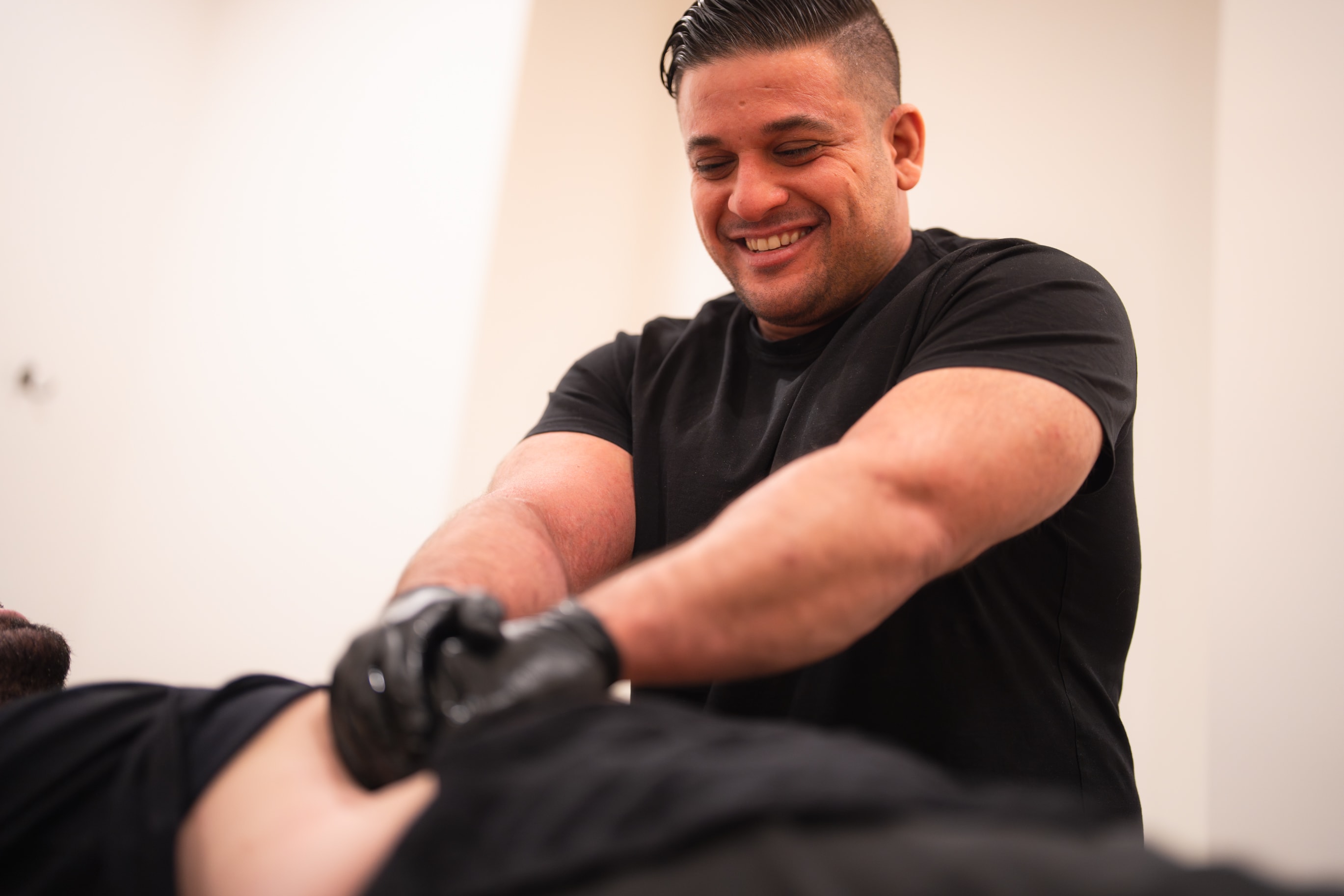
It was a relief for him to finally have an explanation for his symptoms, but John was also concerned about what this meant for his future. Dr. Gvili reassured him that while hard flaccid syndrome is a rare condition, it can be treated with the help of a physiotherapist.
Dr. Gvili explained that physiotherapy has numerous benefits for the hard flaccid syndrome. First, it can help improve muscle strength and flexibility. Second, it reduces pain in the penis and pelvis area. Lastly, it improves the overall quality of life. As part of a comprehensive approach, Dr. Gvili recommended incorporating breathing exercises and pelvic physiotherapy to address pelvic floor tension and promote relaxation.
Dr. Adam also created a treatment plan that involves exercises to strengthen the muscles of the penis and scrotum, as well as stretches to improve flexibility. Dr. Gvili also used manual therapy techniques for John to help improve muscle function and reduce pain. During recovery, moderation with sexual activity and sexual stimulation was advised to avoid aggravating symptoms and support healing.
John was optimistic about his treatment plan and was grateful for Dr. Gvili’s help. He knew that it would take time and dedication, but he was willing to do whatever it took to regain control of his life. With the help of Dr. Gvili, John was able to improve his symptoms and regain his confidence. Successful treatment often involves a combination of these approaches, tailored to each patient’s needs.
Ready to take the first step toward relief from Hard Flaccid Syndrome? Schedule a consultation with Dr. Adam Gvili today.
Related Blog: Hard Flaccid Doctor** Around New York**
The Role of the Pelvic Floor
The pelvic floor is a group of muscles that plays a vital role in supporting the pelvic organs and regulating sexual function in men. When it comes to hard flaccid syndrome, the health and function of the pelvic floor muscles are especially important. In many cases of HFS, these muscles become overactive or tense, leading to increased muscle tension and reduced blood flow to the penis. This can significantly impair sexual function, contribute to erectile dysfunction, and even trigger chronic pelvic pain syndrome.
Pelvic floor dysfunction is a key factor in the development and persistence of hard flaccid syndrome symptoms. Overactive pelvic floor muscles can cause a range of issues, from altered penile sensation and penile pain to difficulties with sexual arousal and maintaining an erection. This muscle tension can also lead to chronic pelvic pain and emotional distress, which may further worsen symptoms.
Fortunately, pelvic floor physical therapy offers effective treatment strategies for men with HFS. A skilled physical therapist can assess for pelvic floor dysfunction and guide patients through targeted pelvic floor relaxation exercises, such as deep breathing and progressive muscle relaxation. These techniques help reduce muscle spasm, improve blood flow, and restore normal function to the pelvic floor and penis. By focusing on relaxation and gentle stretching, men can experience relief from chronic pain and a gradual return to healthy erectile function.
Other treatment options:
In addition to physical therapy, a comprehensive approach to managing hard flaccid syndrome may include pain management, medications for erectile dysfunction, and stress reduction techniques. Addressing chronic stress is crucial, as it can activate the sympathetic nervous system and trigger emotional distress, both of which can worsen HFS symptoms. In some cases, low-intensity shockwave therapy (LiSWT) may be recommended to further improve blood flow and reduce inflammation in the pelvic region.
Because hard flaccid syndrome is a rare male sexual disorder, a thorough physical examination and diagnostic workup—such as a penile Doppler ultrasound—are essential to rule out other conditions like Peyronie’s disease, chronic prostatitis, or neuropathic pain. A careful differential diagnosis ensures that the right treatment plan is put in place.
By understanding the role of the pelvic floor and addressing any underlying dysfunction, men with hard flaccid syndrome can take meaningful steps toward recovery. With the right combination of pelvic floor therapy, pain management, and stress reduction, it is possible to cure hard flaccid syndrome, restore normal erectile function, and regain confidence in sexual health.