

I’ll be honest with you: almost every guy who sits down in my office for the first time has never once thought about his pelvic floor. It’s just not on the radar. We think about biceps, abs, maybe a sore lower back — but the muscles doing the quiet, unglamorous work of holding everything together down below? Nobody talks about them until something goes wrong. This is why pelvic floor muscle training matters.
So let’s talk about them now, before something goes wrong. This is the guide I wish every one of my patients had read years before they walked into my clinic.
What Is the Pelvic Floor, Really?
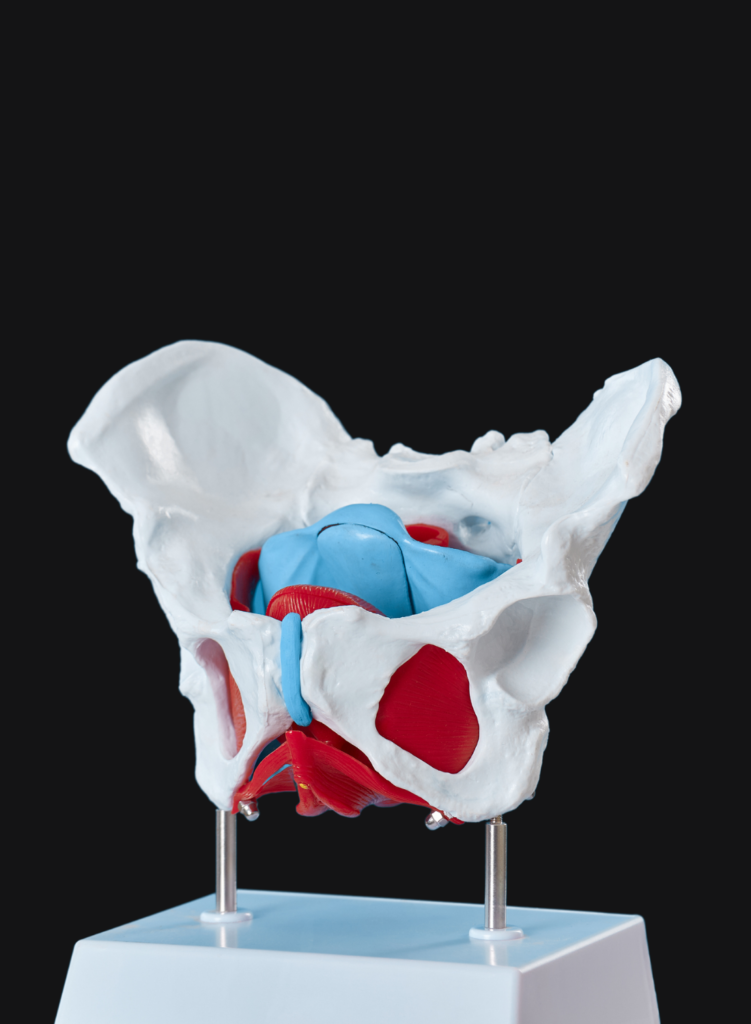
Your pelvic floor is a hammock-shaped group of pelvic muscles stretching from your pubic bone to your tailbone, and these muscles support the pelvic organs, including the bladder and bowel and, in women, the uterus, from underneath. It’s not just plumbing support — it’s a functional muscle group, exactly like your quads or your core, which means it can be weak, tight, injured, or trained.
In short: if your pelvic floor is weak or dysfunctional, it can affect bladder and bowel function, your sex life, and your recovery from surgery. If it’s strong and well-coordinated, it supports all three.
Why Pelvic Floor Training Isn’t Just a “Women’s Thing”
Kegels get marketed almost entirely toward women, which is a shame, because the research on men is just as compelling. Here’s what a stronger, better-coordinated pelvic floor can actually do for you:
1. Better bladder control. If you’ve ever leaked a little when you laughed, coughed, or picked up something heavy, that’s your pelvic floor asking for help. Strengthening it restores the support your bladder needs to stay sealed under pressure.
2. Stronger sexual function. The pelvic floor muscles are directly involved in erection rigidity, orgasm intensity, and ejaculatory control. A 2005 clinical trial found pelvic floor muscle training significantly improved erectile dysfunction in roughly 40% of participants within three months — and many men also report better control over premature ejaculation.
3. A real tool against erectile dysfunction. ED isn’t always about age or hormones. Weak pelvic floor muscles reduce blood flow and support to the structures involved in an erection. Training them improves circulation and muscle tone in the area, which can meaningfully help — either on its own or alongside other treatment.
4. Faster, smoother recovery after prostate surgery. If you’ve had a prostatectomy or another procedure involving the pelvic region, pelvic floor rehab is one of the most effective ways to speed healing, reduce complications like incontinence, and get your function back sooner. This is one of the areas I focus on most with post-surgical patients.
How to Find the Right Pelvic Floor Muscles (Most Men Get This Wrong)
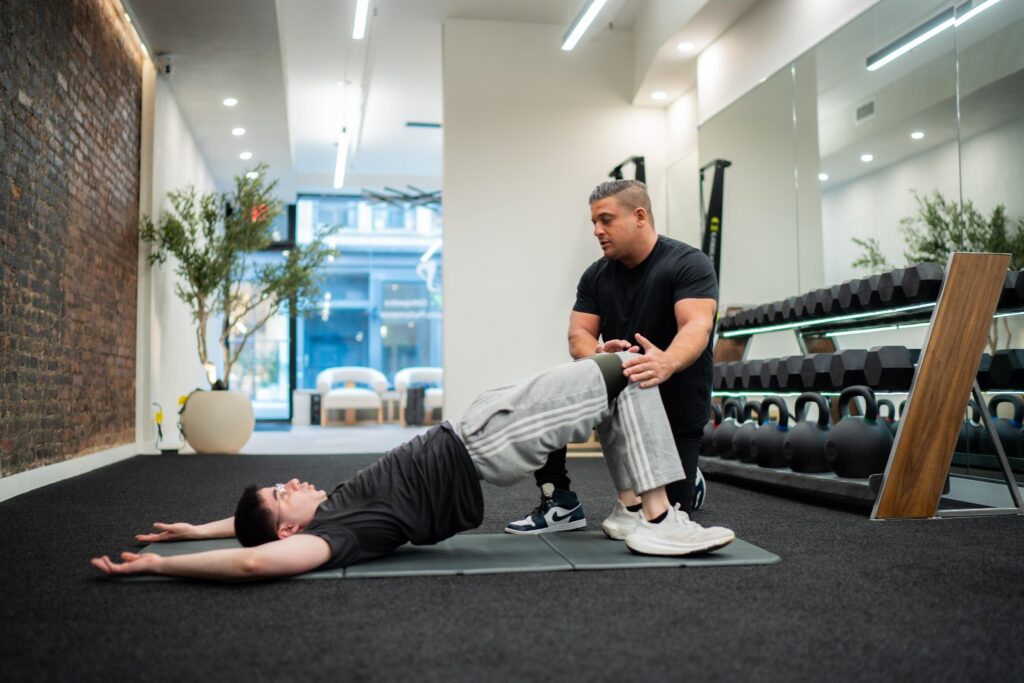
Before you do a single rep, you need to know what you’re actually squeezing. Here’s the fastest way to find it:
- Imagine you’re trying to stop the flow of urine mid-stream, or
- Imagine you’re trying to stop yourself from passing gas.
Some people also confirm the correct muscles by inserting a finger and feeling the contraction around it.
Whatever you feel tighten in that moment — that’s your pelvic floor. Note: don’t actually practice stopping your urine stream regularly; it’s just a one-time way to locate the muscle, and doing it habitually can irritate your bladder.
A common mistake: squeezing your buttocks, stomach, abdomen, or leg muscles instead, or holding your breath rather than breathing normally. If those muscles are doing the work, you’re not training the right thing. This is exactly the kind of detail a pelvic floor physical therapist checks for in an evaluation, because using the wrong muscles can make exercises ineffective or even counterproductive. If you’re unsure whether you’re doing kegels correctly, feel discomfort, or can’t find the correct muscles, a healthcare professional or healthcare provider can help you exercise correctly.
Curious about how to prevent pelvic floor problems? Or a weak pelvic floor? Click the links!
A Simple Starter Kegel Exercises Routine
Basic contraction (the “Kegel”):
- Start in a comfortable position for kegel exercises: they can be done lying, sitting, or standing. For the starting position, most people prefer lying down at first, though some people prefer a chair for support.
- Focus on tightening and lifting the pelvic floor muscles without tensing the rest of the body.
- Hold for 5 seconds, keep breathing, then relax the muscles completely for 5 seconds.
- Repeat for 10 reps, doing at least two to three sets daily as part of your daily routine.
As you get stronger: gradually work up to ten Kegels per set, and keep using the position that feels most comfortable. Like any muscle, progress takes consistency, not intensity — rushing this often backfires by causing tension or fatigue in the wrong areas.
Everyday Habits That Support Pelvic Floor Health and Urinary Incontinence
Exercises are only part of the picture, and health conditions and major life events can also contribute to weak pelvic floor muscles over time. These daily habits matter too:
- Stay active — walking, jogging, and resistance training all help strengthen the pelvic floor muscles.
- Watch your lifting posture — bracing incorrectly under heavy loads adds unnecessary pressure to the pelvic floor.
- Maintain a healthy weight — excess abdominal weight increases downward pressure on these muscles.
- Quit smoking — smoking impairs blood flow, which weakens pelvic floor tissue over time.
Frequently Asked Questions on Why Pelvic Floor Muscle Training Matters
Do men actually need pelvic floor exercises, or is that just for women after childbirth?
Men need them too. The male pelvic floor muscles support the bladder, bowel, and prostate, and plays a direct role in erectile and ejaculatory function — so training it benefits men just as much, for different reasons.
Can pelvic floor exercises help with erectile dysfunction?
Yes. Pelvic floor muscle training improves blood flow and muscle tone in the pelvic region, both of which support erectile function and sexual health. Clinical research has shown measurable improvement in ED symptoms within a few months of consistent training.
How long does it take to see results from pelvic floor training?
You can expect results from Kegel exercises in several weeks, with many people seeing changes in six to eight weeks and larger gains over the following months.
Is it bad to do Kegels every day?
No — daily practice is recommended. What you want to avoid is doing them while trying to urinate, since that can disrupt normal bladder function. Use the “stop urine mid-stream” trick only to locate the muscles once.
When should I see a pelvic floor physical therapist instead of doing exercises on my own?
If you’re dealing with persistent pelvic pain, ongoing incontinence, ED that isn’t improving, or you’ve had prostate surgery, it’s worth getting a professional evaluation. A pelvic floor PT can confirm you’re using the right muscles, build a plan targeted to your specific issue rather than a generic routine, and use options such as electrical stimulation if needed.
The Bottom Line
Your pelvic floor is working for you every single day, whether you think about it or not. Give it a few minutes of intentional attention, and it will pay you back in bladder control, sexual function, and a faster bounce-back from surgery if you ever need one. If you want to know more why pelvic floor muscle training matters, talk to us.
If you’re in the New York City area and want a professional assessment rather than guesswork, Pelvis NYC offers a free 15-minute tele-consultation with Dr. Adam Gvili to help you figure out exactly where you stand.