Pelvic Floor Dyssynergia: Why You’re Straining—and How Physical Therapy Can Help

Pelvic Floor Dyssynergia: Why You're Straining—and How Physical Therapy Can Help

If you’ve ever felt like you need to push excessively during a bowel movement, still feel full afterward, or struggle with constipation despite eating enough fiber and drinking plenty of water, you may be dealing with pelvic floor dyssynergia.

As a pelvic floor physical therapist, I see this condition more often than people realize. Many patients spend years trying different diets, supplements, or laxatives before discovering that the problem isn’t their colon—it’s how their pelvic floor muscles are coordinating during a bowel movement.

At Pelvis NYC, we regularly evaluate patients who have been told they have chronic constipation, irritable bowel syndrome (IBS), or pelvic floor dysfunction, only to find that poor muscle coordination is a major contributor to their symptoms.

Quick Answer: Pelvic floor dyssynergia is a condition in which the pelvic floor muscles do not relax and coordinate properly during a bowel movement. Instead of relaxing to allow stool to pass, the muscles may tighten or contract, making bowel movements difficult and sometimes contributing to dyssynergic defecation, constipation, pelvic pain, or even fecal incontinence. Evidence suggests that pelvic floor physical therapy with biofeedback is one of the most effective first-line treatments for improving muscle coordination and bowel function.

Not sure if pelvic floor therapy is right for you? Book a free 15-minute teleconsultation with Dr. Adam—no referral needed.


What Is Pelvic Floor Dyssynergia?

Bottom line: Pelvic floor dyssynergia is a coordination problem, not simply a constipation problem.

Quotable takeaway: The issue isn’t always that the bowels won’t move—it’s that the muscles don’t know when to let go.

The pelvic floor is a group of muscles that supports the bladder, bowel, and reproductive organs. During a normal bowel movement, these muscles should relax while the abdominal muscles generate gentle pressure to help stool pass.

With pelvic floor dyssynergia, this coordinated process breaks down.

Instead of relaxing, the pelvic floor muscles may tighten at the exact moment they should open. This is called dyssynergic defecation, meaning the muscles are working against each other instead of together.

What Happens During a Normal Bowel Movement?

A healthy bowel movement depends on several systems working together:

  • The rectum senses that stool is present, and normal rectal sensation helps trigger the urge to go.
  • The diaphragm and abdominal muscles create gentle pressure.
  • The pelvic floor muscles relax.
  • The anal sphincter opens so the anal canal can open as well.
  • Stool passes with minimal straining.

The puborectalis muscle is one of the muscles responsible for maintaining the anorectal angle, and it must relax during a normal bowel movement. When one part of this sequence is disrupted, emptying becomes much more difficult.

Why It Matters

Research suggests that dyssynergic defecation accounts for approximately 25% to 50% of chronic constipation cases referred to specialty clinics and is also considered a cause of functional constipation within the broader evaluation of chronic constipation. While not everyone with constipation has pelvic floor dyssynergia, it is one of the most common functional causes of difficult bowel movements.

At our clinic, we often see patients who have already increased their fiber intake, changed their diet, and tried multiple medications without lasting relief. In many cases, the missing piece is retraining the pelvic floor muscles rather than adding another supplement.


What Causes Pelvic Floor Dyssynergia?

Bottom line: There is rarely a single cause. The exact cause is not always clear. Pelvic floor dyssynergia can develop from learned behavioral patterns, physical trauma, or neurological issues. Pelvic floor dyssynergia usually develops because several physical and neurological factors affect how the muscles coordinate.

**Quotable takeaway:**Good bowel function depends on coordination—not force.

One of the biggest misconceptions I hear is, “I just need to push harder.”

In reality, pushing harder often makes the problem worse.

When the pelvic floor muscles are already overactive, excessive straining can increase muscle tension, making it even more difficult to empty the bowels.

Common Causes

Pelvic floor dyssynergia may be associated with:

  • Chronic constipation
  • Habitual straining
  • Painful bowel movements
  • Pregnancy and childbirth
  • Pelvic surgery
  • Chronic pelvic pain
  • Anxiety and stress
  • Poor breathing mechanics
  • Prolonged sitting
  • Previous abdominal or orthopedic injuries

The Pelvis NYC Perspective

One thing I’ve learned over years of treating pelvic floor dysfunction is that bowel function is about much more than the bowel itself.

Many patients arrive focused entirely on constipation. During the evaluation, we often identify restricted hip mobility, poor diaphragmatic breathing, abdominal bracing, or persistent pelvic floor muscle guarding that is interfering with normal bowel mechanics.

This whole-body perspective is something I believe is often missing from conversations about constipation.

Your pelvic floor doesn’t work in isolation. It works together with your diaphragm, abdominal wall, spine, hips, and nervous system, while also supporting the pelvic organs and influencing bladder function as part of overall pelvic health. If one of those systems isn’t functioning well, your bowel movements may become more difficult—even if your digestive tract is otherwise healthy.

Who Is at Risk?

Although pelvic floor dyssynergia can affect anyone, it is more common in people who:

  • Frequently strain during bowel movements
  • Spend long periods sitting at work
  • Have chronic pelvic pain
  • Live with high levels of stress or anxiety
  • Have experienced pelvic surgery or childbirth
  • Have a history of pelvic floor dysfunction

Recognizing these contributing factors helps us develop an individualized treatment plan rather than focusing only on symptom relief.

What Are the Symptoms of Dyssynergic Defecation?

Bottom line: The hallmark symptom of dyssynergic defecation is difficulty emptying the bowels, even when you feel the urge to have a bowel movement.

**Quotable takeaway:**If you’re constantly straining but still don’t feel empty, the problem may be muscle coordination—not a lack of fiber.

One of the reasons pelvic floor dyssynergia is frequently overlooked is that its symptoms often resemble chronic constipation or irritable bowel syndrome (IBS). In that overlap, constipation symptoms such as straining and difficult emptying can suggest dyssynergia, but they are not enough by themselves to make the diagnosis. Many patients are treated for years with dietary changes or laxatives before anyone evaluates how their pelvic floor muscles function.

At Pelvis NYC, one of the first things I want to understand is how you’re trying to have a bowel movement—not just how often.

Common Symptoms

People with pelvic floor dyssynergia may experience:

  • Excessive straining during bowel movements
  • A sense of incomplete evacuation
  • Needing to sit on the toilet for long periods
  • Changes in stool consistency, including hard stools despite adequate hydration
  • The need to change positions or manually assist bowel movements
  • Bloating or abdominal discomfort
  • Rectal pain or pressure
  • Chronic constipation

Some patients also experience fecal incontinence, particularly when the pelvic floor muscles have poor coordination rather than simply being weak. This may seem surprising, but muscles that don’t coordinate well can struggle to control bowel movements just as much as they struggle to empty them.

Symptoms Beyond the Bowel

Because the pelvic floor supports several organ systems, patients may also report:

  • Pelvic pain
  • Urinary urgency or frequency
  • Pain during intercourse
  • Lower back pain
  • Hip tightness
  • Difficulty relaxing the pelvic muscles

This is why I rarely evaluate bowel symptoms in isolation. The pelvic floor functions as part of a much larger movement system.


Can Pelvic Floor Physical Therapy Treat Pelvic Floor Dyssynergia?

dyssynergia

Bottom line: Yes. Evidence suggests that pelvic floor physical therapy—particularly when combined with biofeedback—is one of the main treatment options for pelvic floor dyssynergia and remains first-line care.

**Quotable takeaway:**The goal isn’t to strengthen the pelvic floor—it’s to teach it when to contract and when to relax.

This is one of the biggest misconceptions I encounter.

Patients often assume their pelvic floor muscles must be weak because they’re having bowel problems. In reality, many people with pelvic floor dyssynergia have muscles that are too active, too tense, or simply poorly coordinated.

Strengthening an already overactive pelvic floor can actually make symptoms worse. It is usually a treatable condition, and conservative treatments are typically tried first.

What Happens During Pelvic Floor Physical Therapy?

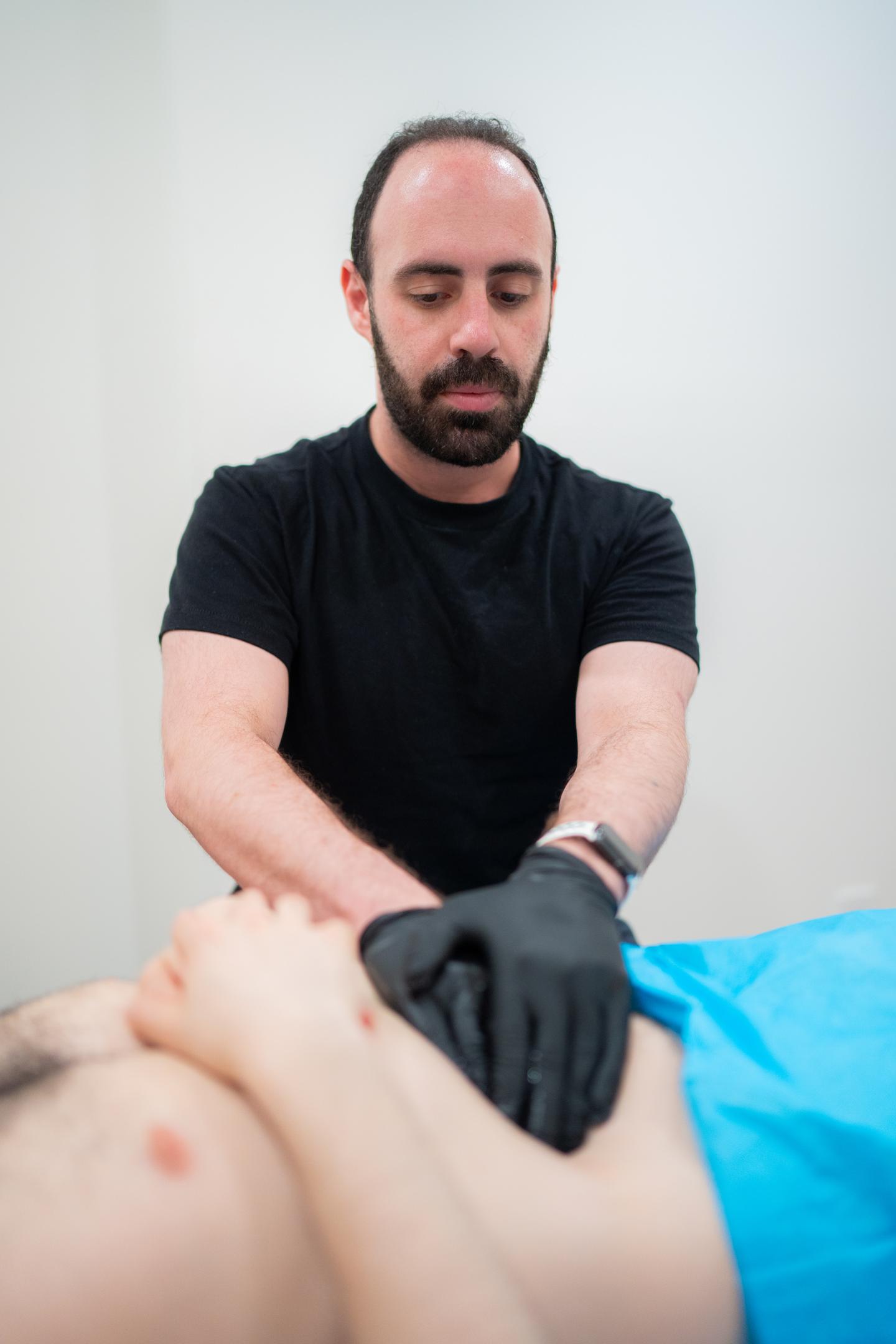
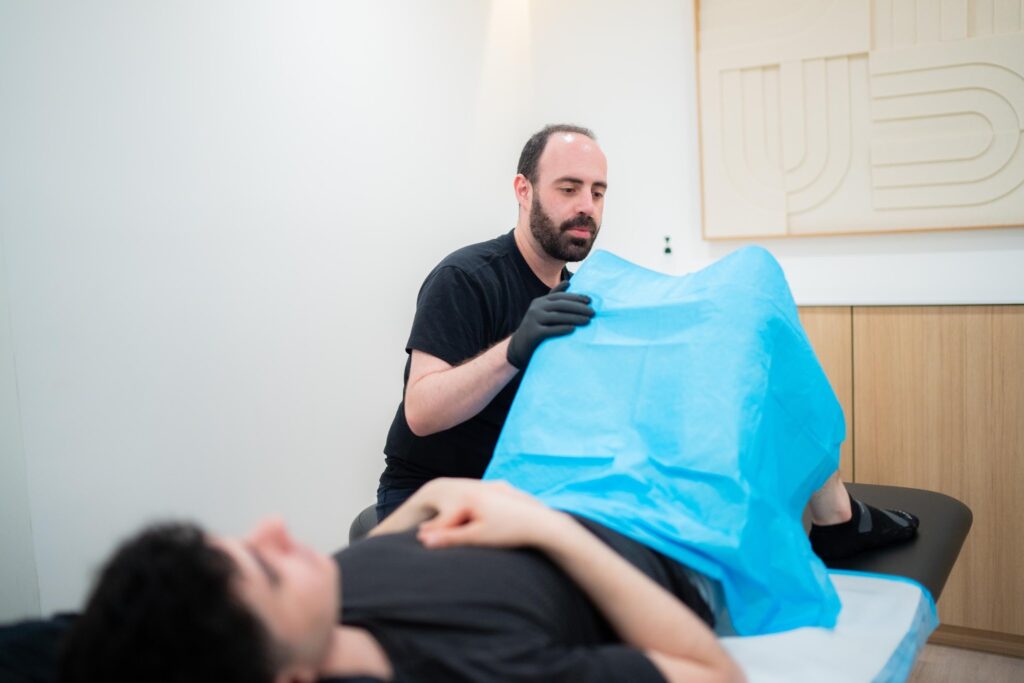
At Pelvis NYC, treatment begins with a comprehensive evaluation, including a detailed medical history and, when appropriate, a physical examination, rather than a one-size-fits-all exercise program.

Depending on your findings, treatment may include:

  • Pelvic floor muscle coordination training
  • Biofeedback therapy
  • Diaphragmatic breathing (breathing that helps coordinate pressure within the abdomen)
  • Manual therapy to reduce muscle tension
  • Hip and pelvic mobility exercises
  • Toilet positioning education
  • Bowel habit retraining to improve bathroom habits
  • Nervous system down-regulation and stress management techniques for stress-related muscle guarding

Every treatment plan is individualized because every patient presents differently.

What Is Biofeedback?

Biofeedback uses specialized equipment to help patients see or hear pelvic floor muscle activity in real time.

This feedback allows patients to learn how to:

  • Relax when appropriate
  • Coordinate abdominal pressure with pelvic floor relaxation
  • Reduce unnecessary muscle tension
  • Improve bowel emptying efficiency

Biofeedback is used to improve muscle function, not just strengthen muscles.

According to the American Gastroenterological Association, biofeedback therapy has demonstrated success rates that often exceed 70% for appropriately selected patients with dyssynergic defecation, and most patients begin to notice improvement within several weeks, making it one of the best-supported non-surgical treatments available.

My Clinical Perspective

At our NYC clinic, we often see patients who have spent years trying to “push harder” or “strengthen their core.”

Ironically, many of them improve only after learning to do the opposite.

One of the most rewarding moments in treatment is when a patient realizes that successful bowel movements depend more on coordination than effort. When the diaphragm, abdominal wall, pelvic floor, and nervous system begin working together again, bowel movements often become easier and less stressful.


Pelvic Floor Dyssynergia vs. Other Causes of Constipation

Bottom line: Not all constipation is caused by pelvic floor dyssynergia. Identifying the underlying cause is essential for choosing the right treatment.

Quotable takeaway: Treating every case of constipation the same is like treating every knee pain the same—it ignores the underlying problem.

Constipation can result from several different conditions. That’s why a thorough evaluation matters.

Comparison Table

ConditionPrimary ProblemCommon SymptomsRole of Pelvic Floor PT
Pelvic floor dyssynergiaPoor muscle coordinationStraining, incomplete emptying, prolonged bowel movementsOften a primary treatment
slow colonic transitSluggish movement through the colon; colon transit studies may be used to track stool movement through the digestive systemInfrequent bowel movementsMay help if pelvic floor dysfunction is also present
Irritable bowel syndrome (IBS-C)Functional bowel disorderConstipation, bloating, abdominal painHelpful when pelvic floor dysfunction coexists; fiber supplements may be used as an adjunct
Structural obstructionPhysical blockageSevere constipation, painRequires medical evaluation before PT

One of the most important parts of my job is determining whether your symptoms are primarily musculoskeletal, gastrointestinal, or a combination of both.

Sometimes pelvic floor dysfunction is the main issue.

Other times it’s only one piece of a larger picture.

That’s why collaboration with gastroenterologists and colorectal specialists is so valuable when symptoms are complex.


When Should You See a Pelvic Floor Physical Therapist?

Bottom line: If constipation, straining, or bowel symptoms are persistent despite conservative measures and other conservative treatments, it’s worth being evaluated for pelvic floor dysfunction.

**Quotable takeaway:**The longer dysfunctional movement patterns continue, the more difficult they can become to break—but it’s rarely too late to improve.

I encourage patients to seek an evaluation if they experience:

  • Chronic constipation lasting several months
  • Persistent straining
  • A sensation of incomplete emptying
  • Difficulty relaxing during bowel movements
  • Pelvic pain associated with bowel movements
  • Symptoms of fecal incontinence
  • Pelvic pressure
  • Recurrent hemorrhoids caused by excessive straining

While waiting for evaluation, support bowel habits with adequate fluid intake and avoiding constipating medications.

When Should You See a Gastroenterologist?

Pelvic floor physical therapy is an important part of treatment, but it isn’t the right starting point for every situation.

Medical evaluation is recommended if you experience:

  • Blood in the stool
  • Unexplained weight loss
  • Severe abdominal pain
  • Persistent vomiting
  • Fever
  • Sudden changes in bowel habits after age 45
  • A family history of colorectal cancer or inflammatory bowel disease

GI or colorectal evaluation for dyssynergia may include physical examinations and imaging techniques. A digital rectal examination is a common first exam and can diagnose dyssynergic defecation in 97% of cases.

Anorectal manometry is often used with the balloon expulsion test, which measures the ability to expel a balloon. Defecography can also help; barium studies evaluate rectal evacuation dynamics, and magnetic resonance defecography may be used to assess pelvic floor anatomy without radiation.

At Pelvis NYC, we frequently work alongside gastroenterologists, colorectal surgeons, and primary care physicians to ensure patients receive comprehensive care.

The best outcomes happen when every provider addresses the part of the problem they’re uniquely trained to treat.


Conclusion

Pelvic floor dyssynergia is more than a constipation problem—it’s a coordination problem. When the pelvic floor muscles fail to relax at the right time, bowel movements become unnecessarily difficult, frustrating, and sometimes painful.

The encouraging news is that this condition is highly treatable. Evidence supports pelvic floor physical therapy, particularly biofeedback-based rehabilitation, as one of the most effective approaches for improving dyssynergic defecation and restoring healthy bowel mechanics.

As a pelvic floor physical therapist, I don’t simply ask whether you’re constipated. I want to understand how your entire body moves—how you breathe, how your hips function, how your abdomen generates pressure, and how your pelvic floor responds. Those answers often reveal why symptoms persist and guide a treatment plan that addresses the root cause rather than just the symptoms.

If you’ve been struggling with chronic constipation, incomplete emptying, fecal incontinence, or other signs of pelvic floor dysfunction, you don’t have to keep guessing.

dyssynergia

Ready to find the cause of your symptoms?

Schedule an evaluation with Pelvis NYC to learn whether pelvic floor physical therapy can help restore more comfortable, efficient bowel function.

Book an appointment:
pelvis.nyc/contact/

Learn more about our pelvic floor therapy services:
pelvis.nyc/understanding-male-pelvic-floor-dysfunction-symptoms-causes-and-treatment/

Telehealth consultations are also available:
pelvis.nyc/telehealth/


Frequently Asked Questions

Can pelvic floor dyssynergia go away on its own?

Short answer: Sometimes mild symptoms improve, but persistent pelvic floor dyssynergia usually requires treatment.

If you’ve been struggling with constipation, excessive straining, or incomplete emptying for several months, it’s unlikely that the problem will resolve simply by waiting. The underlying issue is often muscle coordination rather than bowel health alone. Pelvic floor physical therapy can help retrain these movement patterns before they become even more ingrained.


Is pelvic floor dyssynergia the same as chronic constipation?

No. Pelvic floor dyssynergia is one possible cause of chronic constipation, but it is not the only cause.

Constipation can result from slow movement through the colon, certain medications, dietary factors, neurological conditions, or structural problems. A comprehensive evaluation helps determine whether your symptoms are primarily related to dyssynergic defecation, another gastrointestinal condition, or a combination of factors.


Can pelvic floor physical therapy help fecal incontinence?

Yes, in many cases.

Although people often associate fecal incontinence with weak muscles, poor coordination can also contribute to bowel leakage. A pelvic floor physical therapist evaluates both strength and coordination to determine which treatment approach is most appropriate.


How long does pelvic floor physical therapy take to work?

Every patient is different, but many people begin noticing changes within several weeks of consistent treatment and home exercises.

Your recovery depends on several factors, including how long symptoms have been present, the severity of muscle dysfunction, your overall health, and how consistently you practice the techniques learned during therapy. Clinically, patients often improve when treatment focuses on retraining movement patterns rather than simply strengthening muscles.


Do I need a referral to see a pelvic floor physical therapist in NYC?

In many situations, no referral is required to begin physical therapy, although insurance requirements may vary.

At Pelvis NYC, we can help you determine whether pelvic floor physical therapy is the appropriate first step and whether additional medical evaluation would be beneficial.


Does Pelvis NYC treat men and women?

Yes.

Pelvis NYC provides individualized pelvic floor physical therapy for both men and women, along with orthopedic physical therapy and sports performance rehabilitation. Every treatment plan is tailored to the individual, with one-on-one sessions in a private, judgment-free environment.


Final Thoughts from Dr. Adam

One of the biggest misconceptions about bowel health is that if you’re constipated, you simply need more fiber or stronger muscles.

In reality, successful bowel movements depend on timing, coordination, and relaxation. I’ve worked with many patients who spent years changing their diets, increasing fiber, or relying on laxatives before discovering that their pelvic floor muscles simply weren’t working together efficiently.

At Pelvis NYC, we don’t just ask, “How often do you have a bowel movement?” We ask why your body is struggling in the first place.

That means evaluating your breathing mechanics, abdominal pressure management, hip mobility, posture, movement patterns, and pelvic floor coordination as one integrated system. In my experience, this whole-body approach often uncovers contributing factors that are missed when treatment focuses only on the digestive tract.

If you’re dealing with chronic constipation, dyssynergic defecation, symptoms of pelvic floor dysfunction, or fecal incontinence, know that effective treatment is available. You don’t have to continue managing these symptoms on your own.


Ready to Improve Your Bowel Function?

If you’re tired of straining, incomplete emptying, or feeling like you’ve tried everything without lasting relief, a comprehensive pelvic floor evaluation may be the next step.

Our team at Pelvis NYC, located at 110 West 17th Street, New York, NY 10011, provides one-on-one, evidence-informed care designed to identify the root cause of your symptoms—not just manage them.

Schedule your appointment today:
pelvis.nyc/contact/

Or, if you’re not sure where to start, book a free 15-minute teleconsultation with Dr. Adam to discuss your symptoms and learn whether pelvic floor physical therapy is the right fit for you.


https://calendly.com/drpelvis/appointment

How Much Curve Is Too Much? A Pelvic Floor Physical Therapist’s Perspective

How Much Curve Is Too Much? A Pelvic Floor Physical Therapist's Perspective

Quick Answer

A slight curve or slight bend in the penis is common and usually nothing to worry about. A curve becomes concerning when it develops suddenly, worsens over time, causes pain, interferes with sexual activity, or is associated with erectile dysfunction.

As a pelvic floor physical therapist, I regularly evaluate men who are concerned about penile curvature, pelvic pain, or changes in sexual function. In many cases, the curve itself isn’t the primary issue. Pelvic floor dysfunction, muscle tension, Peyronie’s disease, or other medical conditions may be contributing to the symptoms and deserve proper evaluation.

This guide explains what’s considered normal, how congenital curvature differs from Peyronie’s disease, when a curved penis warrants medical evaluation, how pelvic floor dysfunction can influence symptoms, and where pelvic floor physical therapy may fit into treatment—so you can tell the difference between a normal variation and a problem that needs care.

Bottom line: A mild penile curve is a normal anatomical variation. What matters most is whether the curve changes over time, causes pain, leads to erectile dysfunction or erection problems, or interferes with sexual activity.

Related blog: Why Does It Curve to the Left? A Guide to Penile Curvature and Peyronie’s Disease

What Is Considered a Normal Penile Curve?

how much curve is too much

A penis does not need to be perfectly straight to be healthy. Mild curvature during an erection is common and, by itself, is not considered a medical problem.

Some men naturally have an erection that may curve upward, downward penile curvature, or slightly to either side.

These variations reflect normal anatomy and often do not affect sexual function or overall health.

Research from the European Association of Urology suggests that many men have some degree of natural curvature without an underlying medical condition. Estimates also indicate that approximately 4% to 10% of men are born with congenital penile curvature, although mild cases may not become noticeable until adolescence or early adulthood.

The important question isn’t whether your penis curves—it’s whether that curve is stable and allows you to have comfortable, satisfying sexual function.

Key takeaway: A slight curve is usually normal. A curve deserves attention only when it causes symptoms or changes over time.


What Is Congenital Penile Curvature?

Congenital penile curvature is a natural variation that develops before birth. Unlike Peyronie’s disease, it is not caused by scar tissue or injury.

Men with congenital curvature typically notice the bend during adolescence or with their first erections. In most cases, the curve remains stable throughout adulthood and does not cause pain.

Common features include:

  • Present since adolescence or first erections
  • No scar tissue within the penis
  • Usually painless
  • Little or no progression over time
  • Often no impact on sexual function

Many men live their entire lives with a mild congenital curve and never require treatment.

If the curvature has always been present and has not changed, it is generally much less concerning than a curve that develops later in life.


When Does a Curve Become Concerning?

One of the most common questions I hear is, “How many degrees of curvature is normal?”

While research often uses 30 degrees as a threshold when discussing treatment options, there is no single angle that determines whether a curve is healthy or abnormal.

Clinically, symptoms matter far more than the number of degrees.

For example, one man may have a 20-degree curve with completely normal erections and no discomfort, while another experiences significant pain or difficulty with intercourse despite a much smaller bend.

During an evaluation, I focus less on measuring the curve and more on questions such as:

  • Has the curve changed recently?
  • Does it hurt during erections?
  • Is intercourse becoming difficult?
  • Are your erections weaker than they used to be?
  • Have you noticed a lump or hardened area within the penis?
  • Are you avoiding intimacy because of pain or anxiety?

These answers provide far more meaningful information than the angle alone.

Signs You Should Seek Medical Evaluation

You should schedule an evaluation with a healthcare professional if you notice these possible symptoms of Peyronie’s disease:

  • A curve that develops suddenly
  • Curvature that progressively worsens
  • Pain during erections
  • Pain during intercourse
  • Difficulty with penetration
  • Erectile dysfunction
  • A palpable lump or hardened area that may be fibrous scar tissue called plaque
  • Significant emotional distress related to the condition

These symptoms may indicate an underlying condition such as Peyronie’s disease rather than a normal anatomical variation, and they can affect both physical function and mental health.

Bottom line: Function matters more than degrees. A stable, painless curve is often normal, whereas a changing or painful curve should be evaluated.


Congenital Curvature vs. Peyronie’s Disease

Although both conditions can cause a curved penis, they have very different causes and treatment approaches.

FeatureCongenital CurvaturePeyronie’s Disease
When it appearsAdolescence or first erectionsUsually adulthood
CauseDevelopmental differenceScar tissue (plaque) within the tunica albuginea
PainUsually absentCommon during the acute phase and often improves in the chronic phase
ProgressionTypically remains stableMay worsen before stabilizing
Palpable plaqueNoOften present
Erectile dysfunctionLess commonMore common
Pelvic floor PT roleImprove comfort and function when muscular factors contributeAddress associated pelvic pain, muscle tension, and movement dysfunction while coordinating care with a urologist

Peyronie’s disease affects an estimated 0.5% to 13% of men, depending on the population studied and diagnostic criteria, and it is more common in middle-aged and older men. Unlike congenital curvature, it often develops later in life and symptoms may develop slowly over several months; the acute phase can last up to 18 months before the curve stabilizes in a later phase.

Patients frequently describe a new bend that wasn’t present before, painful erections, shortening of the penis, or difficulty maintaining erections. Some also notice a firm plaque beneath the skin that can cause the penis to bend.

These changes warrant evaluation by a urologist, as early diagnosis can help determine the most appropriate treatment plan.

As a pelvic floor physical therapist, my role is different. I don’t diagnose or treat the scar tissue responsible for Peyronie’s disease. Instead, I evaluate whether pelvic floor dysfunction, muscle guarding, restricted hip mobility, or breathing mechanics are contributing to pain, erectile dysfunction, or reduced sexual confidence.

Many patients benefit from coordinated care that combines medical management with rehabilitation to address the muscular and functional factors affecting sexual health.

Key takeaway: A curve you’ve always had is very different from one that develops later in life. New or worsening curvature should always be medically evaluated.

Can Pelvic Floor Dysfunction Make a Curved Penis Feel Worse?

how much curve is too much

A common misconception is that a tight pelvic floor can cause the penis to become permanently curved. It cannot.

Structural curvature—whether congenital or caused by Peyronie’s disease—results from the anatomy of the penis itself. Pelvic floor dysfunction does not change that anatomy. What it can do is make the symptoms associated with a curved penis more noticeable and more bothersome.

The pelvic floor is a group of muscles that supports the bladder, bowel, and sexual organs. These muscles also play an important role in erections, ejaculation, continence, and pelvic stability. When they become excessively tense or poorly coordinated, they can contribute to pain, reduced erectile quality, and discomfort during intimacy.

Patients often describe symptoms such as:

  • Pelvic or perineal pain
  • Pain during erections
  • Pain during or after intercourse
  • Difficulty achieving or maintaining a firm erection
  • A persistent feeling of tightness in the pelvis
  • Increased anxiety surrounding sexual activity

Many also say things like:

“Everything feels tight.”

“My erections don’t feel as full as they used to.”

“The curve seems more noticeable now.”

In these situations, the anatomical curve may not have changed at all. Instead, muscle tension, altered movement patterns, and increased nervous system sensitivity are amplifying symptoms.

This distinction is important because it changes how treatment is approached. A structural problem requires medical evaluation, while muscular dysfunction often responds well to conservative rehabilitation.

Bottom line: Pelvic floor dysfunction does not create a penile curve, but it can increase pain, worsen erectile function, and make an existing curve feel more symptomatic.


Why Does the Pelvic Floor Affect Sexual Function?

Many people think erections depend only on blood flow. In reality, healthy sexual function relies on the coordinated interaction of muscles, nerves, blood vessels, connective tissue, and the brain.

When the pelvic floor remains chronically tense, several things can happen:

  • Muscles lose their ability to relax and contract efficiently.
  • Blood flow may become less effective during arousal.
  • Breathing mechanics become less efficient, increasing abdominal and pelvic tension.
  • Chronic pain can heighten nervous system sensitivity, making otherwise mild symptoms feel more intense.
  • Anxiety about sexual performance often reinforces muscle guarding, creating a cycle that is difficult to break.

This is one reason men with chronic pelvic pain, high stress levels, or prolonged sitting frequently experience erectile or sexual symptoms even when no structural penile abnormality is present.

Rather than viewing the penis in isolation, I evaluate how the entire lumbopelvic system functions together. Sexual health is influenced by movement, posture, breathing, hip mobility, abdominal control, and nervous system regulation—not just the anatomy of the penis itself.


Can Pelvic Floor Physical Therapy Straighten a Curved Penis?

how much curve is too much

This is one of the most common questions I receive.

The answer is no.

Pelvic floor physical therapy cannot straighten a penis with congenital curvature or Peyronie’s disease because those conditions involve structural anatomy that exercise or manual therapy cannot change.

Being clear about this expectation is important from the beginning. Physical therapy is not a treatment for scar tissue within the penis or developmental curvature.

What it can do is address the muscular and functional impairments that often accompany those conditions.

Treatment may help improve:

  • Pelvic floor muscle overactivity
  • Pelvic pain
  • Painful erections
  • Pain during intercourse
  • Hip and pelvic mobility
  • Breathing mechanics
  • Core muscle coordination
  • Movement patterns that increase pelvic stress
  • Confidence during sexual activity
  • Erectile function when pelvic floor dysfunction is contributing

For many men, these improvements have a meaningful impact on quality of life. Although the anatomical curve remains unchanged, erections become more comfortable, pelvic pain decreases, and sexual activity feels less restricted.

My goal is not to change your anatomy. My goal is to help you achieve the healthiest, most comfortable, and most functional version of it.

Key takeaway: Pelvic floor physical therapy improves function—not structure. While it cannot straighten the penis, it can often reduce pain, improve movement, and restore confidence when pelvic floor dysfunction is contributing to symptoms.


Why a Whole-Body Assessment Matters

One of the biggest mistakes in men’s pelvic health is assuming every symptom originates in the penis.

In practice, sexual function reflects the coordinated performance of the entire body.

During an evaluation, I assess far more than the pelvic floor alone. Depending on the patient’s presentation, this may include:

  • Breathing mechanics
  • Rib cage and diaphragm mobility
  • Core muscle coordination
  • Hip range of motion
  • Lumbar spine movement
  • Pelvic alignment
  • Posture and movement patterns
  • Exercise habits
  • Occupational demands
  • Stress and nervous system regulation

Restricted hip mobility, prolonged sitting, previous orthopedic injuries, abdominal muscle overactivity, and chronic stress can all increase tension throughout the pelvic floor.

For many patients, addressing these contributing factors leads to meaningful improvements in pain and sexual function, even though the structural curvature itself does not change.

This whole-body perspective also helps explain why two men with similar degrees of curvature can have very different experiences. One may have no symptoms at all, while another develops pelvic pain, erectile dysfunction, or difficulty with intercourse because additional muscular or biomechanical factors are involved.

Rather than treating the curve in isolation, rehabilitation focuses on improving the systems that influence comfort, movement, and sexual function as a whole.


When Is Pelvic Floor Physical Therapy Appropriate?

Pelvic floor physical therapy is most helpful when muscular dysfunction is contributing to symptoms alongside—or independent of—a penile curve.

You may benefit from an evaluation if you experience:

  • Pelvic or groin pain
  • Pain during erections
  • Pain during or after intercourse
  • Erectile dysfunction without a clear vascular cause
  • Persistent pelvic floor tightness
  • Lower abdominal or perineal discomfort
  • Hip stiffness that affects pelvic movement
  • Anxiety-related muscle guarding

Treatment begins with a comprehensive one-on-one assessment to identify the factors contributing to your symptoms. Rather than assuming the curvature is the sole cause, the evaluation examines how your muscles, joints, breathing, and nervous system interact to influence sexual function.

For some men, rehabilitation becomes an important part of recovery. For others, it complements medical management by improving the muscular and functional issues that remain after a diagnosis has been established.

Bottom line: Pelvic floor physical therapy is not designed to correct structural penile curvature. Its role is to identify and treat the muscular, movement-related, and nervous system factors that may be contributing to pain, erectile dysfunction, or limitations in sexual function.

When Should You See a Urologist?

Although many cases of penile curvature are harmless, certain symptoms warrant prompt evaluation by a urologist, who treats both sexual concerns and urinary problems. Early assessment is particularly important if the curve is new, worsening, or accompanied by pain or erectile dysfunction.

Seek medical evaluation if you notice:

  • A curve that develops suddenly
  • Progressive worsening of an existing curve
  • Pain during erections
  • A firm lump or plaque within the penis
  • Significant penile shortening or narrowing
  • Difficulty achieving or maintaining erections
  • Blood in the urine or semen
  • Trauma to the penis during sexual activity
  • Severe pain or swelling after an injury

A urologist may perform a physical examination, or physical exam, and, when appropriate, recommend imaging such as penile ultrasound to evaluate for scar tissue or other structural abnormalities. Proper assessment may also involve examining the penis shaft and, when needed, the erect penis to document curvature; X-rays are standard for measuring the angle of curvature.

Depending on the diagnosis, treatment options may include observation, oral medications for symptom management, traction devices that gently stretch tissue over time, injectable therapies for selected cases of Peyronie’s disease, or surgical correction when severe curvature significantly interferes with sexual function.

Pelvic floor physical therapy can play an important complementary role, but it should never delay medical evaluation when warning signs are present.

Bottom line: If your curve is new, changing, painful, or affecting erections, see a urologist. Early evaluation helps determine the cause and guide appropriate treatment.


How Pelvic Floor Physical Therapy Fits Into Your Care

Many men assume they need to choose between seeing a urologist and seeing a pelvic floor physical therapist. In reality, the best outcomes often come from coordinated care.

Each provider addresses a different aspect of the problem.

A urologist evaluates the structural health of the penis, diagnoses conditions such as Peyronie’s disease, and discusses medical or surgical treatment when necessary, since treating Peyronie’s disease may involve both medical and surgical decision-making depending on the stage and severity.

A pelvic floor physical therapist evaluates how muscles, joints, breathing mechanics, posture, and movement patterns may be contributing to pain, erectile dysfunction, or limitations in sexual function.

These approaches are complementary rather than competing.

For patients with muscular dysfunction, rehabilitation can improve comfort, restore movement, reduce pelvic floor overactivity, and support recovery alongside medical treatment.


My Advice to Men Who Are Worried About a Curved Penis

One of the biggest sources of anxiety I see is the belief that a penis must be perfectly straight to function normally.

That simply isn’t true.

Mild penile curvature is common, and for many men it never causes pain, erectile dysfunction, or difficulty during intercourse.

Instead of focusing on appearance alone, pay attention to how your body is functioning.

Ask yourself:

  • Has the curve changed recently?
  • Is it painful?
  • Are my erections different than they used to be?
  • Is my sex life becoming uncomfortable or difficult?
  • Am I avoiding intimacy because of pain or anxiety?

Those answers are far more meaningful than comparing your anatomy to photos online or trying to estimate the angle of the curve.

If your symptoms are stable, painless, and not affecting your quality of life, reassurance may be all that’s needed.

If they are changing or interfering with your daily life, seeking professional evaluation is the best next step.

Remember, the goal isn’t achieving perfect symmetry. It’s maintaining comfortable, confident, and satisfying sexual function.

Key takeaway: Focus on function, not perfection. Most mild curves are normal, but changing or symptomatic curves deserve professional evaluation.


Conclusion

If you’ve been wondering, “How much curve is too much?” the answer isn’t determined by a specific number of degrees.

A mild, stable curve is a common anatomical variation and often requires no treatment. What matters is whether the curvature changes over time, causes pain, affects erections, or interferes with sexual activity.

Congenital penile curvature and Peyronie’s disease are different conditions with different causes and treatment approaches. Distinguishing between them is an important first step toward receiving appropriate care, especially since the exact cause of Peyronie’s disease is not always known and some men develop Peyronie’s disease after an injury or repeated microtrauma.

Pelvic floor physical therapy cannot straighten a structurally curved penis. However, it can be highly effective for addressing the pelvic pain, muscle tension, movement dysfunction, and erectile difficulties that may accompany a penile curve or occur independently.

If you’re experiencing new or worsening curvature, painful erections, or difficulty with sexual function, don’t rely on internet forums or self-diagnosis. A comprehensive evaluation can help determine whether your symptoms are related to normal anatomy, Peyronie’s disease, pelvic floor dysfunction, or a combination of factors.

With the right diagnosis and a coordinated treatment plan, most men can improve their comfort, confidence, and quality of life, although research has not identified a reliable way to prevent Peyronie’s disease.


Frequently Asked Questions

Is a slightly curved penis normal?

Yes. A slightly curved penis with a slight bend is common and usually represents a normal anatomical variation. Treatment is generally unnecessary unless the curve is painful, worsening, or interferes with sexual function.

What degree of curvature is considered too much?

There is no universal cutoff. Although research often references 30 degrees when discussing treatment, the decision to seek evaluation should be based on symptoms rather than angle alone. Pain, progression, erectile dysfunction, and difficulty with intercourse are more clinically important than the degree of curvature.

Can pelvic floor dysfunction cause a curved penis?

No. Pelvic floor dysfunction does not cause structural penile curvature. However, it can contribute to pelvic pain, painful erections, reduced erectile quality, and muscle tension that make an existing curve feel more symptomatic.

Can pelvic floor physical therapy straighten my penis?

No. Physical therapy cannot correct congenital curvature or the scar tissue associated with Peyronie’s disease. Its role is to improve muscle function, reduce pain, optimize movement, and address pelvic floor dysfunction that may be contributing to your symptoms.

How do I know if I might have Peyronie’s disease?

Peyronie’s disease is more likely if the curve develops later in life, worsens over time, causes painful erections, is associated with a firm plaque beneath the skin, or leads to penile shortening or erectile dysfunction. Key risk factors include age, family history, and connective tissue conditions. These symptoms should be evaluated by a urologist.

When should I seek professional help?

You should seek evaluation if you experience a new or worsening curve, painful erections or injury during sexual intercourse, erectile dysfunction, difficulty with intercourse, a palpable lump, or significant anxiety about changes in your penile shape or function.

Ready to Get Answers?

how much curve is too much

If you’re concerned about penile curvature, pelvic pain, erectile dysfunction, or changes in sexual function, a comprehensive evaluation can help identify the factors contributing to your symptoms.

At Pelvis NYC, we take a whole-body approach to men’s pelvic health. Evaluating not only the pelvic floor but also the hips, core, breathing mechanics, posture, and movement patterns that influence sexual function. When appropriate, we coordinate care with trusted urologists. This ensures you receive the most effective treatment for both the structural and functional aspects of your condition.

Whether your symptoms are related to a normal anatomical variation, pelvic floor dysfunction, Peyronie’s disease, or a combination of factors, our goal is to help you understand what’s happening, reduce pain, improve function, and return to comfortable, confident intimacy.

👉 Book Now: https://calendly.com/drpelvis/appointment

Why Does It Curve to the Left? A Guide to Penile Curvature and Peyronie’s Disease

Why Does It Curve to the Left? A Men's Health Guide to Penile Curvature and Peyronie's Disease

Looking at your penis and wondering “Why Does It Curve to the Left?”— you’re not alone, and you’re right to look into it. A penis that curves to the left is most often the result of Peyronie’s disease. It happens when scar tissue (called a plaque) forms inside the penis and pulls it to one side during erection. Though, some men have a congenital curve that has been present since birth.

Penile curvature is more common than most men realize, and in many cases, it has a clear, treatable cause. If you’re wondering whether your penile curve is normal, new, painful, or affecting sex, this guide can help. It explains the main causes of penile curvature and the differences between Peyronie’s disease and congenital curvature. It also covers treatment options, including pelvic floor physical therapy in New York City, and when to see a specialist. Peyronie’s disease affects an estimated 1 in 11 men, and understanding it early can help prevent avoidable pain, sexual dysfunction, and stress while improving comfort and function.

Not sure why does it curve to the left? Book a free 15-minute teleconsultation with Dr. Adam — no referral needed, no awkward waiting room.

What Causes a Leftward Penile Curve?

The most common cause of a penis that curves to the left is Peyronie’s disease. It’s a benign but often distressing condition in which fibrous scar tissue, called a plaque, forms beneath the skin of the penis. Although the exact cause is unknown, the disease can change the penis’s shape and function. Because the plaque doesn’t stretch like healthy tissue, it creates uneven tension during an erection and pulls the penis toward the affected side.

The direction of the curve — left, right, upward, or downward — depends entirely on where the plaque forms. A left-curving penis typically means the plaque is on the left side of the shaft, and while it is most common in men over 40, it can occur at any age.

Related Blog: Downward Penile Curvature: Causes, What’s Normal, and When to Seek Care

Two types of penile curvature: Peyronie’s disease and congenital penile curvature

TypeCauseOnsetPainful?
Peyronie’s diseaseExact cause unknown; scar tissue / plaque may follow micro-injury or inflammationCan happen at any age, but more common after 40Often yes, especially early stage
Congenital curvaturePresent since birth; no plaqueSince pubertyUsually no

What Does Peyronie’s Disease Actually Feel Like? Erectile dysfunction and other symptoms

Peyronie’s disease typically develops in two stages. In the acute phase (usually lasting 6–18 months), the plaque is forming. This is when men notice pain during erections, a new or worsening curve, and sometimes a palpable lump or hardness in the shaft. About half of men with Peyronie’s disease also report pain during intercourse. In the chronic phase, the plaque stabilizes, the curvature may stop changing, and pain often — though not always — decreases. The symptoms of Peyronie’s disease can occur suddenly or develop slowly. Roughly 10% to 20% of men with Peyronie’s also have scarring elsewhere, which may be linked to connective tissue disorders involving connective tissue.

At our clinic, men who come to us often describe feeling embarrassed or confused before they get a diagnosis, and penile curvature can have a real impact on mental health. Many assume the curve was always there, or that there’s nothing they can do. Both assumptions are usually wrong.

Therapy or support groups can help men cope with the psychological impact.

  • Symptoms of Peyronie’s disease include erections that curve noticeably left, right, up, or down
  • Pain during erection or intercourse
  • A hard lump or ridge under the skin of the shaft
  • Shortened penile length
  • Difficulty achieving or maintaining a firm erection
  • Narrowing or “hourglass” shape in the middle of the shaft

Why Does It Curve Upward Instead of to the Side?

A penis that curves upward is caused by the same mechanism. In Peyronie’s disease, plaque on the dorsal (top) surface of the shaft pulls the penis upward during an erection. Upward curvature is one of the more common presentations of the condition. It is often mistaken for a congenital curve, which can also cause an upward bend.

The key clinical distinction: if the curve appeared or worsened during adulthood and is associated with pain or a palpable lump, Peyronie’s disease is the far more likely explanation than a congenital curve. According to the American Urological Association (AUA), Peyronie’s disease affects approximately 9% of men. It is a figure widely believed to undercount the true prevalence due to underreporting.

Can Pelvic Floor Therapy Help Peyronie’s Disease?

Yes — and this is where most men are genuinely surprised. Pelvic floor physical therapy is an evidence-supported, non-surgical option for treating Peyronie’s disease. It addresses several of the condition’s most disruptive effects, and it is one of several treatment options.

Research published in the Journal of Sexual Medicine found that multimodal pelvic floor rehabilitation — combining manual therapy, targeted stretching, and neuromuscular re-education — helped men with Peyronie’s disease improve erectile function and reduce pain without surgical intervention. At Pelvis NYC, our pelvic PT approach for Peyronie’s includes:

  • Soft tissue mobilization — gentle manual techniques to reduce fascial tension around the plaque and improve tissue extensibility
  • Pelvic floor muscle retraining — many men with PD develop compensatory muscle guarding that worsens pain; we address this directly
  • Targeted stretching protocols — evidence-based Traction Therapy guidance aligned with AUA recommendations
  • Erectile function support — including breath work, nervous system regulation, and follow-up between sessions

Urologists may also use intralesional injections to treat Peyronie’s disease in the acute phase, while oral medications are generally not effective for correcting penile curvature.

Pelvic PT won’t dissolve the plaque, but it can meaningfully reduce pain, preserve length, improve sexual function, and prevent the pelvic floor compensations that make Peyronie’s harder to live with. Some other treatments and surgeries can also involve shortening of the penis, so understanding trade-offs matters.

When Should You See a Specialist?

If your penis curves to the left (or in any direction) and the curve is new, worsening, or accompanied by pain, see a specialist as soon as possible. A slight curve or slightly curved penis without pain or difficulty is often normal, but new changes should still be evaluated. Earlier intervention in the acute phase of Peyronie’s disease is associated with better outcomes. Don’t wait for the pain to go away on its own — for many men, it doesn’t, or it returns.

A pelvic floor physical therapist and a urologist work as a team in managing PD. Our role at Pelvis NYC is to address the physical and functional aspects — pain, mobility, pelvic floor tension, erectile function — while your urologist monitors the plaque and may recommend options such as Xiaflex injections or surgery, usually after symptoms have stabilized for 3–6 months.

How to Diagnose Peyronie’s Disease?

A health care professional may diagnose Peyronie’s disease by reviewing your medical history and family history, doing a physical exam, and sometimes using an ultrasound to assess plaque and blood flow in an erect penis. They should also ask about any injury to the penis, including trauma during sexual intercourse or vigorous sex, and review urinary problems when relevant.

For men who also have erectile dysfunction, a penile prosthesis or penile implants may be considered if other options are not a fit. Peyronie’s disease increases with age, and men with diabetes-associated erectile dysfunction have a 4 to 5 times higher chance of developing it. There is no known method for preventing Peyronie’s disease, so men should seek treatment when pain, curvature, or function problems begin.


Frequently asked questions

Is it normal for a penis to curve to the left?

A mild curve present since adolescence can be entirely normal — this is called a congenital curvature. However, if your penis has developed a new or worsening leftward curve as an adult, especially with pain or a hard lump, that is a key sign of Peyronie’s disease and warrants evaluation by a specialist.

Can Peyronie’s disease go away on its own?

In a small percentage of men, mild Peyronie’s disease may stabilize or improve without treatment — but this is the exception, not the rule. Most men experience a stable or worsening curve without intervention. Early treatment during the acute phase offers the best chance of limiting curvature and preserving function.

Do I need a referral to see a pelvic floor PT in NYC?

No referral is needed to book an appointment at Pelvis NYC. New York State allows direct access to physical therapy without a physician referral. You can also start with a free 15-minute teleconsultation to discuss your symptoms before committing to an in-person visit.

How long does pelvic floor therapy take for Peyronie’s disease?

Most men see meaningful improvement in pain and pelvic floor tension within 6–10 sessions. The total course of care varies depending on severity, phase of PD, and individual response. We reassess progress regularly and adjust the plan accordingly.

Does Pelvis NYC treat Peyronie’s disease in women?

Peyronie’s disease is specific to men, but Pelvis NYC treats a full range of pelvic floor conditions in women as well, including pelvic pain, sexual dysfunction, and post-partum recovery. Our same-gender care model means female patients are always seen by a female clinician.

Is pelvic floor therapy covered by insurance for Peyronie’s disease?

Pelvis NYC is an out-of-network provider. Many patients receive partial reimbursement through their out-of-network benefits. We provide detailed superbills after each session to support your insurance claim. Contact us, and we can help you understand your coverage before your first visit.

Penile curvature is treatable — and you don’t have to figure it out alone. Schedule your first appointment at Pelvis NYC or call us at (929) 590-3445. Our clinic serves men across New York City in a judgment-free, same-gender environment.

Dr. Adam Gvili, PT, DPT

Dr. Adam Gvili is the founder and lead clinician at Pelvis NYC, a men’s and women’s pelvic floor physical therapy clinic in New York City. He specializes in pelvic floor dysfunction, Peyronie’s disease, and sexual health rehabilitation, and has been featured in Bloomberg, Business Insider, and Experience Life magazine. He offers free teleconsultations for new patients.