

If you’ve ever felt like you need to push excessively during a bowel movement, still feel full afterward, or struggle with constipation despite eating enough fiber and drinking plenty of water, you may be dealing with pelvic floor dyssynergia.
As a pelvic floor physical therapist, I see this condition more often than people realize. Many patients spend years trying different diets, supplements, or laxatives before discovering that the problem isn’t their colon—it’s how their pelvic floor muscles are coordinating during a bowel movement.
At Pelvis NYC, we regularly evaluate patients who have been told they have chronic constipation, irritable bowel syndrome (IBS), or pelvic floor dysfunction, only to find that poor muscle coordination is a major contributor to their symptoms.
Quick Answer: Pelvic floor dyssynergia is a condition in which the pelvic floor muscles do not relax and coordinate properly during a bowel movement. Instead of relaxing to allow stool to pass, the muscles may tighten or contract, making bowel movements difficult and sometimes contributing to dyssynergic defecation, constipation, pelvic pain, or even fecal incontinence. Evidence suggests that pelvic floor physical therapy with biofeedback is one of the most effective first-line treatments for improving muscle coordination and bowel function.
Not sure if pelvic floor therapy is right for you? Book a free 15-minute teleconsultation with Dr. Adam—no referral needed.
What Is Pelvic Floor Dyssynergia?
Bottom line: Pelvic floor dyssynergia is a coordination problem, not simply a constipation problem.
Quotable takeaway: The issue isn’t always that the bowels won’t move—it’s that the muscles don’t know when to let go.
The pelvic floor is a group of muscles that supports the bladder, bowel, and reproductive organs. During a normal bowel movement, these muscles should relax while the abdominal muscles generate gentle pressure to help stool pass.
With pelvic floor dyssynergia, this coordinated process breaks down.
Instead of relaxing, the pelvic floor muscles may tighten at the exact moment they should open. This is called dyssynergic defecation, meaning the muscles are working against each other instead of together.
What Happens During a Normal Bowel Movement?
A healthy bowel movement depends on several systems working together:
- The rectum senses that stool is present, and normal rectal sensation helps trigger the urge to go.
- The diaphragm and abdominal muscles create gentle pressure.
- The pelvic floor muscles relax.
- The anal sphincter opens so the anal canal can open as well.
- Stool passes with minimal straining.
The puborectalis muscle is one of the muscles responsible for maintaining the anorectal angle, and it must relax during a normal bowel movement. When one part of this sequence is disrupted, emptying becomes much more difficult.
Why It Matters
Research suggests that dyssynergic defecation accounts for approximately 25% to 50% of chronic constipation cases referred to specialty clinics and is also considered a cause of functional constipation within the broader evaluation of chronic constipation. While not everyone with constipation has pelvic floor dyssynergia, it is one of the most common functional causes of difficult bowel movements.
At our clinic, we often see patients who have already increased their fiber intake, changed their diet, and tried multiple medications without lasting relief. In many cases, the missing piece is retraining the pelvic floor muscles rather than adding another supplement.
What Causes Pelvic Floor Dyssynergia?
Bottom line: There is rarely a single cause. The exact cause is not always clear. Pelvic floor dyssynergia can develop from learned behavioral patterns, physical trauma, or neurological issues. Pelvic floor dyssynergia usually develops because several physical and neurological factors affect how the muscles coordinate.
**Quotable takeaway:**Good bowel function depends on coordination—not force.
One of the biggest misconceptions I hear is, “I just need to push harder.”
In reality, pushing harder often makes the problem worse.
When the pelvic floor muscles are already overactive, excessive straining can increase muscle tension, making it even more difficult to empty the bowels.
Common Causes
Pelvic floor dyssynergia may be associated with:
- Chronic constipation
- Habitual straining
- Painful bowel movements
- Pregnancy and childbirth
- Pelvic surgery
- Chronic pelvic pain
- Anxiety and stress
- Poor breathing mechanics
- Prolonged sitting
- Previous abdominal or orthopedic injuries
The Pelvis NYC Perspective
One thing I’ve learned over years of treating pelvic floor dysfunction is that bowel function is about much more than the bowel itself.
Many patients arrive focused entirely on constipation. During the evaluation, we often identify restricted hip mobility, poor diaphragmatic breathing, abdominal bracing, or persistent pelvic floor muscle guarding that is interfering with normal bowel mechanics.
This whole-body perspective is something I believe is often missing from conversations about constipation.
Your pelvic floor doesn’t work in isolation. It works together with your diaphragm, abdominal wall, spine, hips, and nervous system, while also supporting the pelvic organs and influencing bladder function as part of overall pelvic health. If one of those systems isn’t functioning well, your bowel movements may become more difficult—even if your digestive tract is otherwise healthy.
Who Is at Risk?
Although pelvic floor dyssynergia can affect anyone, it is more common in people who:
- Frequently strain during bowel movements
- Spend long periods sitting at work
- Have chronic pelvic pain
- Live with high levels of stress or anxiety
- Have experienced pelvic surgery or childbirth
- Have a history of pelvic floor dysfunction
Recognizing these contributing factors helps us develop an individualized treatment plan rather than focusing only on symptom relief.
What Are the Symptoms of Dyssynergic Defecation?
Bottom line: The hallmark symptom of dyssynergic defecation is difficulty emptying the bowels, even when you feel the urge to have a bowel movement.
**Quotable takeaway:**If you’re constantly straining but still don’t feel empty, the problem may be muscle coordination—not a lack of fiber.
One of the reasons pelvic floor dyssynergia is frequently overlooked is that its symptoms often resemble chronic constipation or irritable bowel syndrome (IBS). In that overlap, constipation symptoms such as straining and difficult emptying can suggest dyssynergia, but they are not enough by themselves to make the diagnosis. Many patients are treated for years with dietary changes or laxatives before anyone evaluates how their pelvic floor muscles function.
At Pelvis NYC, one of the first things I want to understand is how you’re trying to have a bowel movement—not just how often.
Common Symptoms
People with pelvic floor dyssynergia may experience:
- Excessive straining during bowel movements
- A sense of incomplete evacuation
- Needing to sit on the toilet for long periods
- Changes in stool consistency, including hard stools despite adequate hydration
- The need to change positions or manually assist bowel movements
- Bloating or abdominal discomfort
- Rectal pain or pressure
- Chronic constipation
Some patients also experience fecal incontinence, particularly when the pelvic floor muscles have poor coordination rather than simply being weak. This may seem surprising, but muscles that don’t coordinate well can struggle to control bowel movements just as much as they struggle to empty them.
Symptoms Beyond the Bowel
Because the pelvic floor supports several organ systems, patients may also report:
- Pelvic pain
- Urinary urgency or frequency
- Pain during intercourse
- Lower back pain
- Hip tightness
- Difficulty relaxing the pelvic muscles
This is why I rarely evaluate bowel symptoms in isolation. The pelvic floor functions as part of a much larger movement system.
Can Pelvic Floor Physical Therapy Treat Pelvic Floor Dyssynergia?
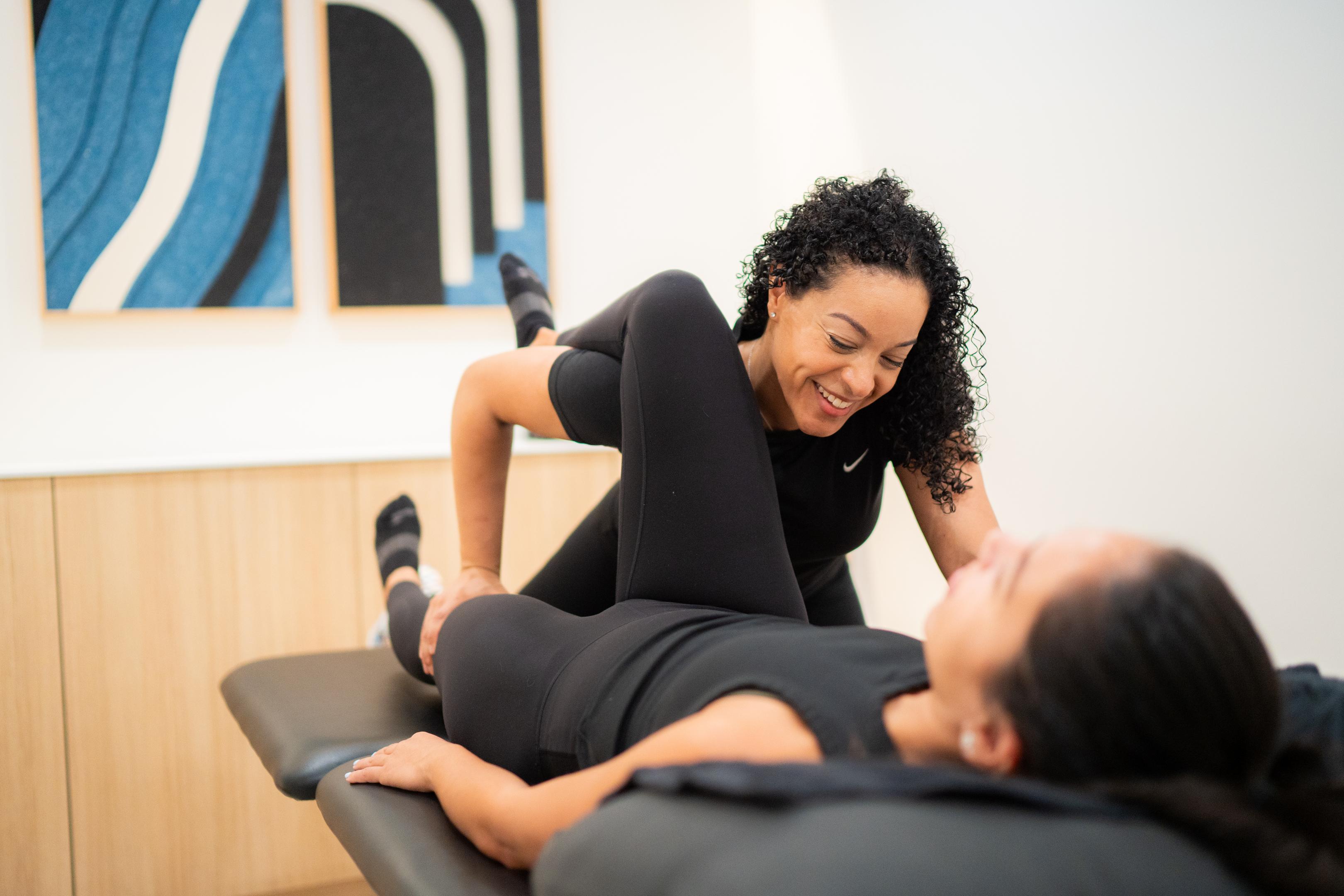
Bottom line: Yes. Evidence suggests that pelvic floor physical therapy—particularly when combined with biofeedback—is one of the main treatment options for pelvic floor dyssynergia and remains first-line care.
**Quotable takeaway:**The goal isn’t to strengthen the pelvic floor—it’s to teach it when to contract and when to relax.
This is one of the biggest misconceptions I encounter.
Patients often assume their pelvic floor muscles must be weak because they’re having bowel problems. In reality, many people with pelvic floor dyssynergia have muscles that are too active, too tense, or simply poorly coordinated.
Strengthening an already overactive pelvic floor can actually make symptoms worse. It is usually a treatable condition, and conservative treatments are typically tried first.
What Happens During Pelvic Floor Physical Therapy?
At Pelvis NYC, treatment begins with a comprehensive evaluation, including a detailed medical history and, when appropriate, a physical examination, rather than a one-size-fits-all exercise program.
Depending on your findings, treatment may include:
- Pelvic floor muscle coordination training
- Biofeedback therapy
- Diaphragmatic breathing (breathing that helps coordinate pressure within the abdomen)
- Manual therapy to reduce muscle tension
- Hip and pelvic mobility exercises
- Toilet positioning education
- Bowel habit retraining to improve bathroom habits
- Nervous system down-regulation and stress management techniques for stress-related muscle guarding
Every treatment plan is individualized because every patient presents differently.
What Is Biofeedback?
Biofeedback uses specialized equipment to help patients see or hear pelvic floor muscle activity in real time.
This feedback allows patients to learn how to:
- Relax when appropriate
- Coordinate abdominal pressure with pelvic floor relaxation
- Reduce unnecessary muscle tension
- Improve bowel emptying efficiency
Biofeedback is used to improve muscle function, not just strengthen muscles.
According to the American Gastroenterological Association, biofeedback therapy has demonstrated success rates that often exceed 70% for appropriately selected patients with dyssynergic defecation, and most patients begin to notice improvement within several weeks, making it one of the best-supported non-surgical treatments available.
My Clinical Perspective
At our NYC clinic, we often see patients who have spent years trying to “push harder” or “strengthen their core.”
Ironically, many of them improve only after learning to do the opposite.
One of the most rewarding moments in treatment is when a patient realizes that successful bowel movements depend more on coordination than effort. When the diaphragm, abdominal wall, pelvic floor, and nervous system begin working together again, bowel movements often become easier and less stressful.
Pelvic Floor Dyssynergia vs. Other Causes of Constipation
Bottom line: Not all constipation is caused by pelvic floor dyssynergia. Identifying the underlying cause is essential for choosing the right treatment.
Quotable takeaway: Treating every case of constipation the same is like treating every knee pain the same—it ignores the underlying problem.
Constipation can result from several different conditions. That’s why a thorough evaluation matters.
Comparison Table
| Condition | Primary Problem | Common Symptoms | Role of Pelvic Floor PT |
| Pelvic floor dyssynergia | Poor muscle coordination | Straining, incomplete emptying, prolonged bowel movements | Often a primary treatment |
| slow colonic transit | Sluggish movement through the colon; colon transit studies may be used to track stool movement through the digestive system | Infrequent bowel movements | May help if pelvic floor dysfunction is also present |
| Irritable bowel syndrome (IBS-C) | Functional bowel disorder | Constipation, bloating, abdominal pain | Helpful when pelvic floor dysfunction coexists; fiber supplements may be used as an adjunct |
| Structural obstruction | Physical blockage | Severe constipation, pain | Requires medical evaluation before PT |
One of the most important parts of my job is determining whether your symptoms are primarily musculoskeletal, gastrointestinal, or a combination of both.
Sometimes pelvic floor dysfunction is the main issue.
Other times it’s only one piece of a larger picture.
That’s why collaboration with gastroenterologists and colorectal specialists is so valuable when symptoms are complex.
When Should You See a Pelvic Floor Physical Therapist?
Bottom line: If constipation, straining, or bowel symptoms are persistent despite conservative measures and other conservative treatments, it’s worth being evaluated for pelvic floor dysfunction.
**Quotable takeaway:**The longer dysfunctional movement patterns continue, the more difficult they can become to break—but it’s rarely too late to improve.
I encourage patients to seek an evaluation if they experience:
- Chronic constipation lasting several months
- Persistent straining
- A sensation of incomplete emptying
- Difficulty relaxing during bowel movements
- Pelvic pain associated with bowel movements
- Symptoms of fecal incontinence
- Pelvic pressure
- Recurrent hemorrhoids caused by excessive straining
While waiting for evaluation, support bowel habits with adequate fluid intake and avoiding constipating medications.
When Should You See a Gastroenterologist?
Pelvic floor physical therapy is an important part of treatment, but it isn’t the right starting point for every situation.
Medical evaluation is recommended if you experience:
- Blood in the stool
- Unexplained weight loss
- Severe abdominal pain
- Persistent vomiting
- Fever
- Sudden changes in bowel habits after age 45
- A family history of colorectal cancer or inflammatory bowel disease
GI or colorectal evaluation for dyssynergia may include physical examinations and imaging techniques. A digital rectal examination is a common first exam and can diagnose dyssynergic defecation in 97% of cases.
Anorectal manometry is often used with the balloon expulsion test, which measures the ability to expel a balloon. Defecography can also help; barium studies evaluate rectal evacuation dynamics, and magnetic resonance defecography may be used to assess pelvic floor anatomy without radiation.
At Pelvis NYC, we frequently work alongside gastroenterologists, colorectal surgeons, and primary care physicians to ensure patients receive comprehensive care.
The best outcomes happen when every provider addresses the part of the problem they’re uniquely trained to treat.
Conclusion
Pelvic floor dyssynergia is more than a constipation problem—it’s a coordination problem. When the pelvic floor muscles fail to relax at the right time, bowel movements become unnecessarily difficult, frustrating, and sometimes painful.
The encouraging news is that this condition is highly treatable. Evidence supports pelvic floor physical therapy, particularly biofeedback-based rehabilitation, as one of the most effective approaches for improving dyssynergic defecation and restoring healthy bowel mechanics.
As a pelvic floor physical therapist, I don’t simply ask whether you’re constipated. I want to understand how your entire body moves—how you breathe, how your hips function, how your abdomen generates pressure, and how your pelvic floor responds. Those answers often reveal why symptoms persist and guide a treatment plan that addresses the root cause rather than just the symptoms.
If you’ve been struggling with chronic constipation, incomplete emptying, fecal incontinence, or other signs of pelvic floor dysfunction, you don’t have to keep guessing.

Ready to find the cause of your symptoms?
Schedule an evaluation with Pelvis NYC to learn whether pelvic floor physical therapy can help restore more comfortable, efficient bowel function.
Book an appointment:
pelvis.nyc/contact/
Learn more about our pelvic floor therapy services:
pelvis.nyc/understanding-male-pelvic-floor-dysfunction-symptoms-causes-and-treatment/
Telehealth consultations are also available:
pelvis.nyc/telehealth/
Frequently Asked Questions
Can pelvic floor dyssynergia go away on its own?
Short answer: Sometimes mild symptoms improve, but persistent pelvic floor dyssynergia usually requires treatment.
If you’ve been struggling with constipation, excessive straining, or incomplete emptying for several months, it’s unlikely that the problem will resolve simply by waiting. The underlying issue is often muscle coordination rather than bowel health alone. Pelvic floor physical therapy can help retrain these movement patterns before they become even more ingrained.
Is pelvic floor dyssynergia the same as chronic constipation?
No. Pelvic floor dyssynergia is one possible cause of chronic constipation, but it is not the only cause.
Constipation can result from slow movement through the colon, certain medications, dietary factors, neurological conditions, or structural problems. A comprehensive evaluation helps determine whether your symptoms are primarily related to dyssynergic defecation, another gastrointestinal condition, or a combination of factors.
Can pelvic floor physical therapy help fecal incontinence?
Yes, in many cases.
Although people often associate fecal incontinence with weak muscles, poor coordination can also contribute to bowel leakage. A pelvic floor physical therapist evaluates both strength and coordination to determine which treatment approach is most appropriate.
How long does pelvic floor physical therapy take to work?
Every patient is different, but many people begin noticing changes within several weeks of consistent treatment and home exercises.
Your recovery depends on several factors, including how long symptoms have been present, the severity of muscle dysfunction, your overall health, and how consistently you practice the techniques learned during therapy. Clinically, patients often improve when treatment focuses on retraining movement patterns rather than simply strengthening muscles.
Do I need a referral to see a pelvic floor physical therapist in NYC?
In many situations, no referral is required to begin physical therapy, although insurance requirements may vary.
At Pelvis NYC, we can help you determine whether pelvic floor physical therapy is the appropriate first step and whether additional medical evaluation would be beneficial.
Does Pelvis NYC treat men and women?
Yes.
Pelvis NYC provides individualized pelvic floor physical therapy for both men and women, along with orthopedic physical therapy and sports performance rehabilitation. Every treatment plan is tailored to the individual, with one-on-one sessions in a private, judgment-free environment.
Final Thoughts from Dr. Adam
One of the biggest misconceptions about bowel health is that if you’re constipated, you simply need more fiber or stronger muscles.
In reality, successful bowel movements depend on timing, coordination, and relaxation. I’ve worked with many patients who spent years changing their diets, increasing fiber, or relying on laxatives before discovering that their pelvic floor muscles simply weren’t working together efficiently.
At Pelvis NYC, we don’t just ask, “How often do you have a bowel movement?” We ask why your body is struggling in the first place.
That means evaluating your breathing mechanics, abdominal pressure management, hip mobility, posture, movement patterns, and pelvic floor coordination as one integrated system. In my experience, this whole-body approach often uncovers contributing factors that are missed when treatment focuses only on the digestive tract.
If you’re dealing with chronic constipation, dyssynergic defecation, symptoms of pelvic floor dysfunction, or fecal incontinence, know that effective treatment is available. You don’t have to continue managing these symptoms on your own.
Ready to Improve Your Bowel Function?
If you’re tired of straining, incomplete emptying, or feeling like you’ve tried everything without lasting relief, a comprehensive pelvic floor evaluation may be the next step.
Our team at Pelvis NYC, located at 110 West 17th Street, New York, NY 10011, provides one-on-one, evidence-informed care designed to identify the root cause of your symptoms—not just manage them.
Schedule your appointment today:
pelvis.nyc/contact/
Or, if you’re not sure where to start, book a free 15-minute teleconsultation with Dr. Adam to discuss your symptoms and learn whether pelvic floor physical therapy is the right fit for you.