

Hey, I’m Adam. Before I was the guy other men come to when they’re dealing with pelvic pain. I was the guy sitting in waiting rooms, googling my own symptoms at 1 a.m. Was trying to make sense of a dull ache, muscle tension, and other symptoms that didn’t have a clear cause. This is my journey to pelvic pain — the real, unfiltered version of how confusing chronic pelvic pain can become. How easy it is to get dismissed or misdiagnosed. How targeted pelvic-floor-specific physical therapy finally helped me address the muscular and neuromuscular pieces behind it.
I’m telling this story because I know how isolating this condition is. Especially for men who feel ignored, misunderstood, or flat-out told nothing is wrong. If you’re living If you’re living with chronic pelvic pain, or trying to understand what treatment can actually look like, you’ll find the personal side of that experience here. That includes the diagnostic dead ends, common causes like pelvic floor dysfunction, scar tissue, pelvic adhesions, and interstitial cystitis. It also covers why pelvic floor physical therapy can be such an important part of recovery.
Where My Journey to Pelvic Pain Started
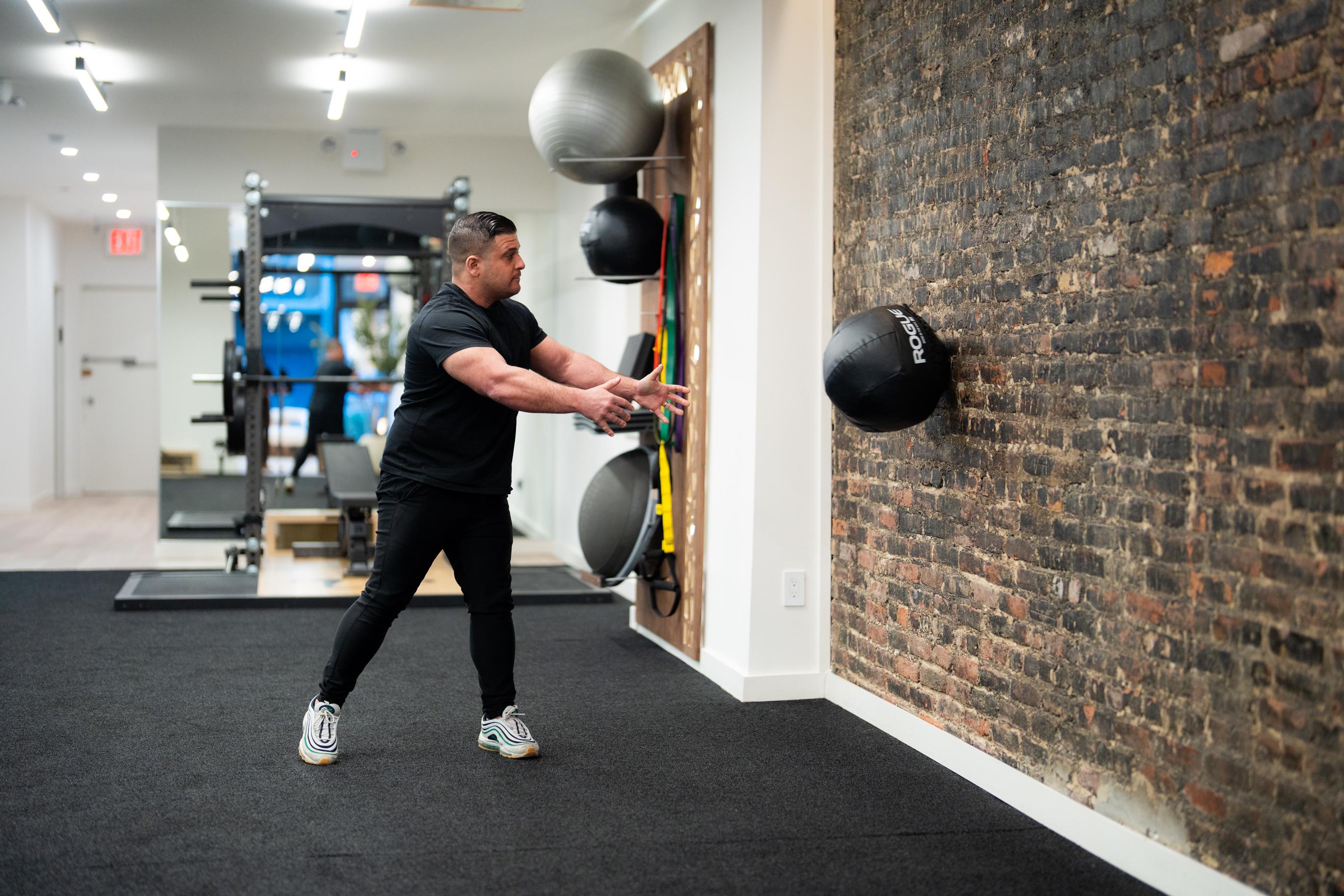
It didn’t show up with a clear cause. There was no single injury I could point to, no accident, no obvious trigger . If you’ve been through this, you already know is part of what makes pelvic pain so maddening. One day I just started noticing discomfort that didn’t make sense. A dull ache, tension in places I couldn’t quite name. A growing sense that something in my body wasn’t working the way it used to.
What followed was a stretch of confusion and frustration I wasn’t prepared for. I went from doctor to doctor, describing symptoms that were hard to put into words. Being misdiagnosed brought emotional distress on top of delaying any treatment that actually helped. Anyone who’s lived with chronic pelvic pain knows this part of the story. The sense that you’re somehow both being taken seriously and not being heard at all.
The Turning Point: Learning What Was Actually Happening to My Body
Somewhere in the middle of that frustration, something shifted. Instead of just waiting for someone else to hand me an answer, I started digging in myself. I read everything I could find on pelvic pain and pelvic floor dysfunction. I sought out clinicians who actually specialized in this area instead of treating it as an afterthought. Knew a proper diagnosis usually starts with a detailed medical history and physical examination. Pelvic ultrasound is a common early imaging test, though some causes are not clearly seen there and need further evaluation. When symptoms persist and the cause remains unclear, laparoscopy is sometimes needed for a definitive diagnosis. Some patients are referred on that basis. I talked to other people going through the same thing. I started to realize how many of us were stuck in the same loop of being dismissed or misdiagnosed.
That’s when I found physical therapy — real, targeted, pelvic-floor-specific physical therapy. It was the first approach that actually addressed the muscular and neuromuscular piece of what I was experiencing. It didn’t just manage symptoms from a distance. And it didn’t fix everything overnight, but for the first time, I had a framework that made sense — and a path forward instead of a shrug.
Understanding What Was Actually Happening in My Body
Part of what made this so hard early on was that nobody sat me down and explained it in plain language. So once I started my own career in pelvic health, I made it a point to be that person for my patients. That includes explaining why chronic pain often calls for multidisciplinary care and an individualized treatment plan. Depending on the underlying cause, care can range from physical therapy to surgery. Here’s the same breakdown I wish someone had given me back then.
Chronic Pelvic Pain
Chronic pelvic pain is generally defined as pain in the pelvic region lasting three months or longer. It affects about 20% of U.S. adults. It’s far more common in men than most people realize — it’s just rarely talked about. What made it so disorienting for me was that it didn’t always behave consistently. Some days it was a dull background ache; other days it flared into something sharp enough to derail my whole day. That unpredictability is part of what makes chronic pelvic pain so hard to explain to someone who hasn’t lived it. It’s also part of why it’s so easy to get dismissed or mislabeled by clinicians who aren’t specifically trained in it. Chronic pain can also affect mental health and contribute to anxiety and depression.
Pelvic Floor Muscles
I hadn’t given a second thought to my pelvic floor muscles before all this — most men haven’t. These are the muscles that support your bladder, bowel, reproductive organs, and the surrounding pelvic organs. Just like any other muscle group, they can become tight, weak, or uncoordinated. In my case, a lot of what I was feeling traced back to dysfunction in the pelvic muscles within the wider musculoskeletal system. That included the core muscles and even the hips, which created tension and discomfort I couldn’t otherwise explain. Learning to actually feel and control these muscles again — rather than just accepting the tension as “normal” — was one of the biggest turning points in my recovery. Restoring that coordination also improved my daily function.
You might be interested in reading: Exercise to Relax the Pelvic Floor: How Effective Techniques Can Reduce Pelvic Pain
Scar Tissue
Scar tissue came up in my own workup as a contributing factor. It’s something I now watch for closely with patients, too. Whether from a past surgery, an injury, or even inflammation the body never fully resolved, scar tissue can restrict how tissues glide and move against each other. In the pelvis, that restriction can pull on surrounding structures and create pain that seems to have no obvious source. That’s because the “source” is essentially internal scarring nobody’s looking for — unless they know to check.
Pelvic Adhesions
Related to scar tissue, but worth calling out on its own, are pelvic adhesions — bands of scar-like tissue that can form between organs or structures in the pelvis and restrict their normal movement. Adhesions were a piece of my own puzzle that took real digging to uncover, because they don’t show up clearly on standard imaging the way many people assume. In some cases, surgery is used to cut or remove adhesions to relieve pain when scar tissue is the driver. Manual physical therapy techniques aimed at improving tissue mobility ended up being one of the more effective tools in addressing this piece of my recovery.
Interstitial Cystitis
For a while, some of my symptoms overlapped with interstitial cystitis (also called painful bladder syndrome) — a chronic condition involving bladder pressure, pain, urinary urgency, and sometimes overlapping gastrointestinal symptoms without a clear infection driving it. It’s one of the more frequently misdiagnosed conditions in this space, often mistaken for a recurring UTI, which meant I went through more than one round of antibiotics that were never going to fix the actual problem. Irritable bowel syndrome can also contribute to pelvic pain and may involve constipation or symptom changes around a bowel movement. Understanding how interstitial cystitis and pelvic floor dysfunction can overlap and feed into each other was a genuine lightbulb moment in my own journey to pelvic pain relief.
Physical Therapy
All of this eventually led me to pelvic-floor-specific physical therapy, which is what finally gave me a framework that made sense. Unlike general approaches that treat pelvic pain as purely a nerve or bladder issue, physical therapy addresses the muscular, myofascial, and movement-based components directly — through targeted manual therapy, muscle retraining, breathing work, and progressive exercise. Conservative care can also include birth control pills and pain medications or other medications depending on the diagnosis. It’s not an overnight fix, but it was the first approach that actually treated the whole picture instead of one isolated symptom, and evidence suggests it helps about 60% of women with chronic pelvic pain find relief.
Why My Journey to Pelvic Pain Became My Career
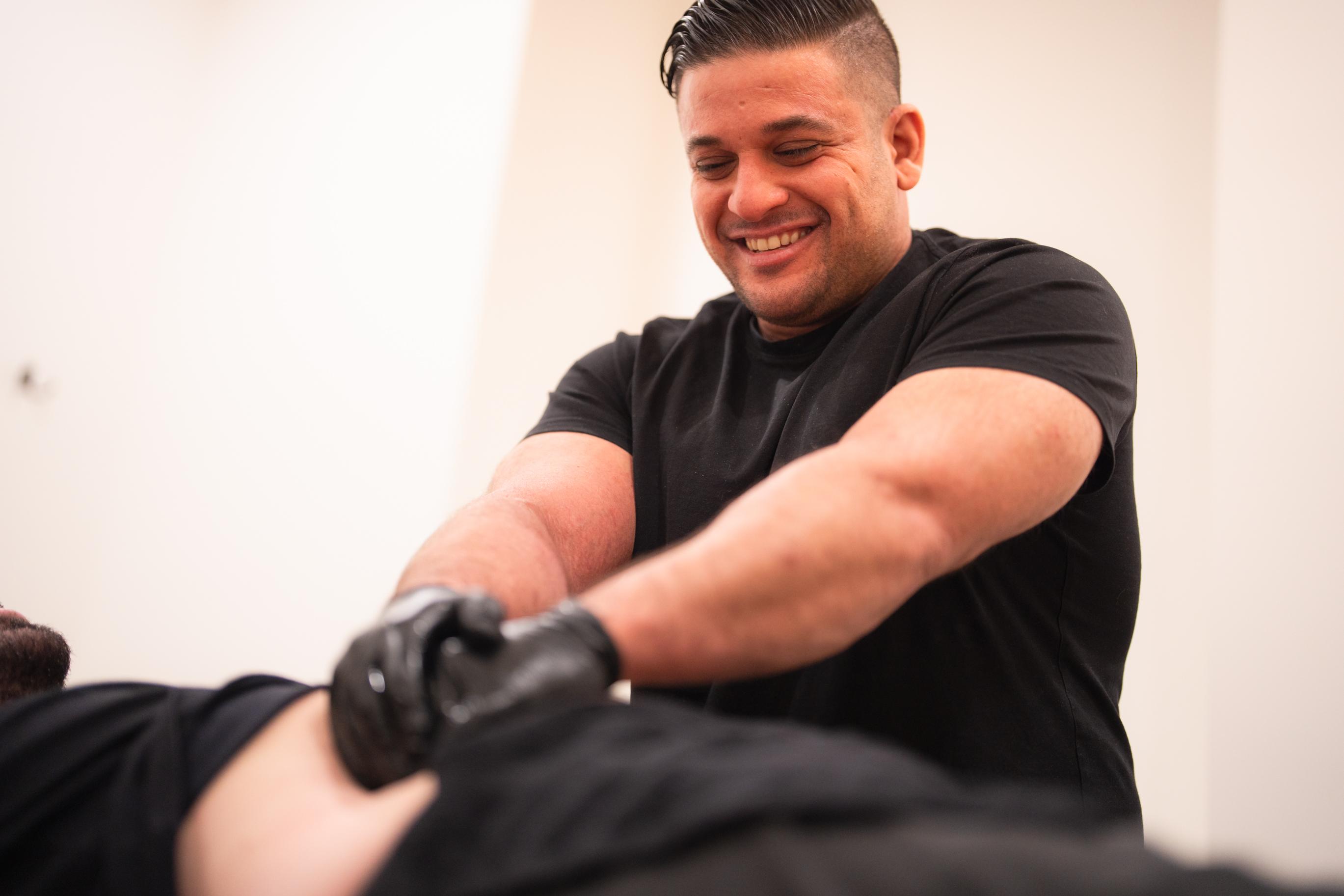
That experience didn’t just resolve a health issue for me — it redirected my entire career. I made the decision to go back, specialize in pelvic health, and become a physical therapist myself. I wanted to be the clinician I wish I’d had at the start of all this: someone who listens first, who doesn’t treat pelvic pain as too awkward to talk about, and who actually understands what it’s like to live inside a body that isn’t cooperating.
Pelvic health PT school and clinical training were rigorous on their own, but I brought something to it that you can’t learn from a textbook: I knew exactly what it felt like to sit on the other side of the table, waiting for someone to finally understand.
What I Do With That Now
Today, my work as a pelvic floor physical therapist in New York City is built directly on that journey. Every patient who walks into Pelvis NYC gets my clinical training, but they also get the perspective of someone who has genuinely been where they are. I build an individualized treatment plan — not generic protocols — because I know firsthand that pelvic pain doesn’t look the same for any two people, and each patient’s journey deserves that level of care.
Seeing a patient go from guarded and hesitant to moving through their day pain-free, with real gains in quality of life, is, hands down, the most meaningful part of my job, and that kind of progress can feel life-changing. It’s the same relief I was chasing years ago, and now I get to help other men find it faster than I did — offering hope to people who have wanted answers for a long time and want their life back.
A Message to Anyone Starting Their Own Journey to Pelvic Pain Relief
If you’re reading this because you’re dealing with pelvic pain right now, I want to say directly: you are not overreacting. You are not alone. This is not something you have to just live with.
It’s a legitimate, treatable condition. It took me a while to find someone who treated it that way. A first visit with the right specialist can be the moment you finally feel heard.
There are real paths forward: targeted pelvic floor physical therapy, manual therapy, and lifestyle and movement changes. Often it’s a combination of all three. The first step is simply finding someone who specializes in this and will actually listen to you. Some people may be referred for further evaluation when symptoms suggest conditions outside pelvic floor dysfunction.
Frequently Asked Questions
What is chronic pelvic pain, and how is it different from a normal ache?
Chronic pelvic pain is pain in the pelvic region that persists for three months or longer, often without a single obvious cause. Unlike a normal, short-lived ache, it tends to fluctuate, can involve the muscles, nerves, bladder, or connective tissue, and often requires a specialist to identify what’s actually driving it. Common causes include endometriosis, fibroids, and irritable bowel syndrome.
Can pelvic floor muscles really cause this much pain?
Yes. When pelvic floor muscles become chronically tight, weak, or uncoordinated, they can create pain, pressure, and urinary or bowel symptoms that feel disconnected from “muscle” issues. Pelvic floor physical therapy targets these muscles directly, which is often the missing piece in resolving pelvic pain. Not all pelvic pain is muscular, though, especially when symptoms involve the abdomen or worsen over time.
How do scar tissue and pelvic adhesions contribute to pelvic pain?
Scar tissue and pelvic adhesions can restrict how organs and tissues normally glide and move against each other. That restriction can pull on surrounding structures and create pain in areas that seem unrelated to the original injury or surgery, which is why they’re often overlooked without a targeted evaluation. In some cases, laparoscopy can both diagnose and treat the condition, especially when adhesions involve the ovaries or fallopian tubes.
When should endometriosis be suspected?
It becomes more suggestive when pain is linked to painful periods, intercourse, bowel movements, or urination. The condition affects about 10% of women of reproductive age, and symptoms can be extremely painful. Diagnosis often takes over 10 years.
Is interstitial cystitis the same as a urinary tract infection (UTI)?
No. Interstitial cystitis, also called painful bladder syndrome, causes bladder pain, pressure, and urgency without an active infection. It’s frequently mistaken for a recurring UTI, which can lead to repeated rounds of antibiotics that don’t address the actual cause.
How does physical therapy help with chronic pelvic pain?
Pelvic floor physical therapy addresses the muscular, myofascial, and movement-based contributors to pelvic pain through manual therapy, muscle retraining, breathing techniques, and progressive exercise. It’s often used alongside other treatments and can address root causes that medication alone doesn’t reach. Treatment depends on the diagnosis, and painful intercourse from endometriosis may require laparoscopic excision surgery rather than PT alone.
What is vulvodynia?
Vulvodynia causes pain at the vaginal opening and can make sexual intercourse painful.
Final Thoughts
My own journey to pelvic pain wasn’t a straight line, and it definitely wasn’t easy — but it gave me a purpose I wouldn’t trade for anything. If my story resonates with you, know that the frustration you’re feeling right now doesn’t have to be the end of it, and there is real hope ahead when the right care looks at both your body and your head. Help exists, and it’s more accessible than it might feel today.
If you’re dealing with pelvic pain and want to talk to someone who genuinely gets it, reach out to us at Pelvis NYC — we offer a free 15-minute tele-consultation, no pressure, just a conversation to help you get answers and a clear diagnosis.
Related reading: How Physical Therapy Can Help Relieve Pelvic Pain