Knee Pain: Exploring Everything About It

Exploring Everything About Knee Pain

Knee pain—it’s one of those things that can really sneak up on you. Whether you’re a weekend warrior or someone who just likes to stay active, various activities and conditions can cause knee pain, making it a real downer. But why does it happen in the first place? Well, there are several reasons your knees might be giving you trouble. Understanding the different causes of knee pain is crucial for effective management and treatment. For more in-depth information on knee injuries and conditions, Miller’s Orthopaedic Sports Medicine is a highly recommended resource.

First off, injuries are a big player. A lot of people experience knee pain after tearing something like the ACL (that’s the anterior cruciate ligament) or the meniscus—those rubbery bits of cartilage that act as shock absorbers in your knee. Twisting the wrong way or landing awkwardly from a jump can lead to these kinds of injuries, leaving your knee sore and swollen.

Then, there’s arthritis, particularly osteoarthritis. This is one of the most common reasons people experience knee pain, especially as they get older. Osteoarthritis wears away at the cartilage in your knee joint, making it painful to move. There’s also rheumatoid arthritis, an autoimmune condition that causes inflammation in the joints, and can affect the knees as well.

Lastly, overuse can be a big issue. If you’re doing a lot of repetitive motions, like running, climbing stairs, or cycling, your knees might start to protest. This often leads to conditions like runner’s knee or jumper’s knee, where the tendons around your kneecap become irritated and painful. So, if you’re pushing your knees a bit too hard, it might be time to give them a break.

Understanding Knee Pain

Knee pain is a common ailment that affects millions of people around the globe. It can stem from a variety of sources, including injuries, medical conditions, and the natural wear and tear that comes with aging. The pain can range from a mild annoyance to severe discomfort, and it can be either acute or chronic. Understanding the root causes and symptoms of knee pain is crucial for getting the right diagnosis and treatment.

What is Knee Pain?

Knee pain is essentially any discomfort or soreness in the knee joint. It can be triggered by a multitude of factors, such as injuries like a torn ACL or meniscus, medical conditions like rheumatoid arthritis or gout, and even everyday wear and tear. The pain can be sharp and sudden, or it can be a dull, persistent ache. Knowing what’s causing your knee pain is the first step toward finding relief. Proper diagnosis is key, as it helps in tailoring the right treatment plan to address the specific issue at hand.

Knee Joint Structure and Function

The knee joint is a marvel of engineering, designed to provide both stability and flexibility. It’s made up of three main bones: the femur (thigh bone), the tibia (shin bone), and the patella (kneecap). These bones are held together by a network of ligaments, tendons, and cartilage. The ligaments act like strong ropes, keeping the bones in place, while the tendons connect the muscles to the bones, allowing for movement. The cartilage serves as a cushion, absorbing shock and reducing friction. Understanding the intricate structure and function of the knee joint can help you appreciate how various issues can lead to knee pain.

Types and Understanding the Symptoms of Knee Joint

Not all knee pain feels the same. For some people, it’s a sudden sharp pain, while for others, it’s more of a dull, nagging ache that never quite goes away. Minor knee pain is a common complaint and can result from various injuries or medical conditions. To figure out what’s going on, it’s helpful to break knee pain into two main categories: acute and chronic.

Acute knee pain is typically the result of an injury. Say you twist your knee playing soccer, and suddenly it’s swollen and throbbing. That’s acute pain. You might notice symptoms like intense pain, swelling, or even difficulty putting weight on the knee.

On the flip side, chronic knee pain tends to sneak up on you over time. Maybe your knees feel stiff in the mornings, or they ache after a long day of standing or walking. Chronic pain is often associated with conditions like arthritis or tendinitis. It may not be as sharp as acute pain, but it can be just as frustrating. If your knees are constantly sore or stiff, it’s worth paying attention and seeking help before things get worse.

Knee Pain Due to Rheumatoid Arthritis: Is It the Main Culprit?

When we talk about knee pain, knee osteoarthritis often gets the spotlight—and for good reason. Arthritis, especially osteoarthritis, is one of the leading causes of knee discomfort. This condition involves the slow wearing down of the cartilage that cushions your knee joint. Without that protective layer, the bones start to rub against each other, which causes pain, swelling, and stiffness.

Rheumatoid arthritis can also make your knees hurt, but it’s a bit different. This type of arthritis is an autoimmune disease, meaning your body’s immune system mistakenly attacks the lining of your joints. The result? Inflammation and pain that can affect your knees, along with other joints.

There’s also gout, which, though less common, can cause sudden and intense knee pain. Gout is caused by the buildup of uric acid crystals in your joints, leading to sharp pain and swelling that comes on quickly.

If arthritis is playing a role in your knee pain, early intervention can help manage the symptoms and keep you moving comfortably.

Knee Pain While Running or Walking: What Should You Know?

Ever go for a run or a long walk and suddenly feel like your knees are betraying you? It’s a common issue, especially for those who are active. Patellofemoral pain syndrome, a common knee problem characterized by pain around or behind the kneecap, can also be a culprit. But why does it happen?

One reason could be overuse. When you’re pounding the pavement day after day, your knees can take a beating. Without proper rest and recovery, the constant strain on your joints can lead to conditions like a runner’s knee—a dull, aching pain usually felt around the front of the knee.

Another factor is improper form. If your running technique is off, or if you’re walking in shoes that don’t offer enough support, your knees may end up doing more work than they should. This can lead to pain over time. Your knees need strong muscles around them to help support their movements, so if the muscles in your hips, thighs, or calves are weak, your knees might be picking up the slack.

To keep knee pain at bay while staying active, make sure you’re using proper form, wearing supportive footwear, and giving your knees a break when they need it.

Injuries That Lead to Knee Pain: Anterior Cruciate Ligament, Meniscus, and More

Knee injuries are another big reason why people experience knee pain. If you’ve ever torn your ACL (anterior cruciate ligament) or had a meniscus tear, you know how painful these injuries can be. For a comprehensive guide on ACL and meniscus injuries, Miller’s Orthopaedic Sports Medicine is an excellent resource.

The ACL is one of the major ligaments that helps stabilize your knee. When it tears, often due to sudden stops or changes in direction during sports, it’s usually accompanied by a loud “pop,” followed by swelling and pain. ACL injuries are pretty common, especially in athletes.

A meniscus tear happens when you twist or turn on your knee while it’s bent. This piece of cartilage acts as a cushion between your thighbone and shinbone, so when it’s torn, it can cause a lot of discomfort, along with swelling and difficulty moving your knee.

Other common injuries include sprains, fractures, or patellar tendinitis (also called jumper’s knee), which causes inflammation in the tendons connecting your kneecap to your shinbone.

If you’ve suffered a knee injury, it’s always a good idea to get it checked out by a physical therapist to avoid long-term damage. In some cases, knee surgery may be necessary to properly address severe knee pain or damage that hasn’t responded to other therapies.

Preventing Knee Pain

While it’s not always possible to completely avoid knee pain, there are several steps you can take to reduce your risk of injury and discomfort. Here are some practical tips to help you keep your knees in good shape:

  • Maintain a Healthy Weight: Carrying extra weight puts additional pressure on your knees, which can lead to pain and injury. Keeping your weight in check can help reduce this strain.
  • Engage in Low-Impact Activities: Activities like swimming or cycling are easier on the knees compared to high-impact exercises like running. These low-impact options can help you stay active without putting too much stress on your joints.
  • Stretch and Strengthen: Regular stretching and strengthening exercises can improve the flexibility and stability of the muscles around your knee. This added support can help prevent injuries.
  • Avoid Overuse: Give your knees a break by avoiding repetitive motions and taking regular rest periods. Overuse can lead to conditions like runner’s knee or jumper’s knee.
  • Wear Supportive Shoes: Proper footwear can make a big difference. Shoes with good arch support and cushioning can help reduce the impact on your knees.
  • Rest and Recovery: Make sure to get enough rest between activities to allow your knees to recover. Overworking your knees without adequate recovery time can lead to chronic pain.

Diagnosing and Treating Knee Pain

Diagnosis and Treatment Options

When it comes to diagnosing knee pain, a thorough approach is key. Your healthcare provider will start by asking about your symptoms, medical history, and lifestyle. This initial conversation helps them understand what might be causing your knee problems. Next, they’ll perform a physical examination to check the knee joint and surrounding tissues for signs of injury or inflammation.

Imaging tests like X-rays, CT scans, or MRIs are often used to get a clearer picture of what’s going on inside your knee. These tests can help confirm a diagnosis and rule out other conditions. In some cases, an arthroscopy might be performed. This minimally invasive procedure involves inserting a small camera into the knee joint to directly visualize any issues, such as meniscal tears or ligament injuries.

Once a diagnosis is made, treatment options can vary depending on the severity and cause of the knee pain. For minor knee pain, the RICE method—rest, ice, compression, and elevation—can be very effective. Over-the-counter pain relievers like acetaminophen or ibuprofen can also help relieve pain and reduce inflammation. Physical therapy is often recommended to improve strength, flexibility, and range of motion, which can help prevent knee pain from recurring.

For more severe pain, your doctor might suggest corticosteroid injections to reduce inflammation or hyaluronic acid injections to lubricate the knee joint. In some cases, knee surgery may be necessary to repair or replace damaged tissues or joints. Whether it’s a minor knee pain or something more serious, getting the right diagnosis and treatment is crucial for effective pain relief and recovery.

Managing Knee Pain

Living with Chronic Knee Pain

Living with chronic knee pain can be a daily challenge, but there are several strategies that can help you manage the condition and improve your quality of life. One of the most important steps is to maintain a healthy weight. Carrying extra pounds puts additional stress on your knee joint, which can exacerbate pain and lead to further knee problems.

Regular exercise is also crucial. Low-impact activities like swimming or cycling can help improve your strength and flexibility without putting too much strain on your knees. These exercises can also help reduce inflammation and relieve pain. It’s important to avoid high-impact activities like jumping or repetitive bending, which can worsen your condition.

Using assistive devices such as knee braces or orthotics can provide additional support and alleviate pain. Knee braces help keep the knee in alignment and reduce the load on the joint, making it easier to move around. In some cases, alternative therapies like acupuncture or massage can also be beneficial in managing chronic knee pain.

By incorporating these strategies into your daily routine, you can better manage chronic knee pain and maintain an active lifestyle.

Working with Knee Pain

Dealing with knee pain at work can be tough, but there are several strategies that can help you stay productive while minimizing discomfort. One of the most important things you can do is take regular breaks to rest and stretch your knee joint. This helps prevent stiffness and reduces the risk of further injury.

Using ergonomic equipment and adjusting your workspace can also make a big difference. For example, a chair with good lumbar support and a desk at the right height can reduce strain on your knees. If your job involves a lot of standing, consider using a cushioned mat to reduce the impact on your joints.

In some cases, you might need to modify your job duties or take some time off work to allow your knee to heal. It’s important to communicate with your employer and colleagues about your condition so that necessary accommodations can be made.

Physical therapy and rehabilitation programs can be incredibly beneficial in helping you return to work. These programs focus on improving strength, flexibility, and range of motion, which can help reduce pain and inflammation. By working with a physical therapist, you can develop a personalized plan to manage your knee pain and get back to your daily activities.

By following these strategies, you can manage knee pain effectively and continue to perform your job duties without compromising your health.

When to See a Doctor

If you’re dealing with knee pain, it’s important to know when to seek professional help. Here are some signs that it might be time to see a doctor:

  • Severe Injury or Sudden Pain: If you experience a severe knee injury or sudden, intense pain, it’s crucial to get it checked out immediately.
  • Accompanying Symptoms: If your knee pain is accompanied by symptoms like fever, difficulty walking, redness, or swelling, it’s time to see a doctor.
  • History of Knee Problems: If you have a history of knee issues or arthritis, don’t ignore new or worsening pain.
  • Persistent Pain: If you’ve tried self-care measures and the pain persists or gets worse, it’s a good idea to seek medical advice.
  • Chronic Pain: If chronic knee pain is affecting your daily activities, a healthcare professional can help you find a solution.

By paying attention to these signs and seeking timely medical advice, you can address knee problems before they become more serious.

How to Relieve and Prevent Knee Pain: At-Home Treatments and Remedies

So, your knees are hurting, and you’re wondering what you can do to feel better without making a trip to the doctor. Luckily, there are several things you can try at home to ease your knee pain. Knee braces can also be beneficial as they help keep the knee in alignment and provide support.

First, there’s the good old RICE method: rest, ice, compression, and elevation. This is one of the simplest and most effective ways to reduce swelling and pain after an injury. Rest your knee, ice it for 20 minutes at a time, use a compression bandage to keep swelling down, and elevate your leg to help reduce inflammation.

You can also try over-the-counter pain relievers like ibuprofen or acetaminophen to help with the pain. Just be sure to follow the directions on the label, and if the pain doesn’t go away after a few days, it might be time to see a healthcare professional.

Stretching and strengthening exercises can also be super helpful. Gentle movements that improve flexibility and strength in your leg muscles can support your knees and reduce the pressure on them. A physical therapist can help guide you through the best exercises for your specific situation to relieve pain.

And don’t forget about heat therapy! Applying a heating pad or warm towel to your knee can relax tight muscles and improve blood flow, which can ease discomfort.

Final Thoughts

Knee pain is one of those things that can really put a damper on your day-to-day life, but with a little bit of knowledge and the right approach, you can manage it. Severe pain, especially when it affects mobility or is accompanied by swelling or deformity, can indicate serious issues requiring immediate medical attention. Whether your pain is due to an injury, arthritis, or just plain overuse, there are plenty of ways to find relief and get back on your feet.

If you’ve tried at-home remedies and the pain isn’t improving, it’s time to reach out to a physical therapist. They can help you figure out exactly what’s going on and create a plan to help you get back to doing the things you love—without the pain!

Ready to Take the Next Step?

Don’t let knee pain hold you back. Visit PELVIS NYC today to learn more about how our expert physical therapists can help you find relief and get back to your active lifestyle. Whether it’s knee pain, pelvic pain, or anything in between, we’re here to support you every step of the way.

Effective Treatments for Low Back Pain: Guide to Relief

Effective Treatments for Low Back Pain: Your Guide to Relief

Low back pain is a common issue that affects millions of people worldwide. Whether it’s a persistent ache from sitting too long or a sudden sharp pain after lifting something heavy, low back pain can be a significant inconvenience. Fortunately, there are numerous treatments available that can help alleviate this discomfort and improve your quality of life. In this blog, we’ll explore the most effective treatments for low back pain, focusing on various strategies for back pain relief, so you can find the relief you need.

Chronic Back Pain and How to Relieve Pain

Chronic low back pain, defined as pain lasting longer than three months, can be particularly challenging to manage. Unlike acute pain, which is often linked to a specific injury or event, chronic pain may persist even after the initial cause has healed or subsided. This persistent discomfort can significantly impact your daily life, affecting your ability to work, exercise, and enjoy activities you once loved.

Managing chronic low back pain often requires a multi-faceted approach. This might include a combination of physical therapy, lifestyle modifications, and advanced treatment options like spinal decompression therapy or injections. For many individuals, regular physical therapy sessions focusing on strengthening and flexibility exercises are key to managing chronic pain. Additionally, pain relief medications, heat and cold applications, and manual therapy techniques like massage or chiropractic care can also play a crucial role in alleviating discomfort.

When conservative treatments are not enough, exploring advanced options like spinal decompression therapy or surgical interventions may be necessary. Consulting with a healthcare professional is essential to developing a personalized treatment plan that targets the root cause of your pain and provides long-term relief. By taking a proactive approach and exploring various treatments, you can effectively manage chronic low back pain and regain control over your life.

What Causes Low Back Pain?

Before exploring treatment options, it’s important to understand what might be causing your low back pain. Muscle spasms can also be a cause of low back pain. The lower back, also known as the lumbar region, is a complex network of bones, muscles, ligaments, nerves, and discs that work together to support your body. Pain in this area can result from a variety of factors, such as muscle strain, poor posture, herniated discs, arthritis, or even stress. Whether the pain is acute (short-term) or chronic (lasting more than three months), addressing the root cause is key to effective treatment.

Treatments for Low Back Pain

Non-Surgical Approaches for the Treatments of Low Back Pain

1. Physical Therapy

Physical therapy is often one of the first treatments recommended for low back pain. A physical therapist can develop a customized exercise plan designed to strengthen the muscles that support your back, including the abdominal muscles, improve flexibility, and enhance posture. Strengthening both back and abdominal muscles is crucial for improving posture and preventing the recurrence of pain. Exercises might include stretching, core strengthening, and low-impact aerobic activities like swimming or cycling. Physical therapy not only helps to relieve pain but also prevents future back issues.

2. Pain Relief Medications

Over-the-counter medications like ibuprofen or acetaminophen are commonly used to manage mild to moderate low back pain. Nonsteroidal anti-inflammatory drugs (NSAIDs), such as ibuprofen and aspirin, are particularly effective because they reduce inflammation and swelling, unlike acetaminophen which does not target inflammation. For more intense pain, a doctor may prescribe stronger medications, including muscle relaxants or anti-inflammatory drugs. Always consult a healthcare professional before starting any new medication to ensure it’s appropriate for your specific condition.

3. Heat and Cold Applications

Applying heat or cold to the painful area can offer temporary relief from low back pain. Cold packs can reduce inflammation and numb sore areas, while heat therapy can promote blood flow and relax tight muscles. Alternating between heat and cold can be especially effective for managing pain and reducing stiffness.

4. Manual Therapy Techniques

Manual therapy, such as chiropractic adjustments and massage, can also be beneficial for those suffering from low back pain. Chiropractors use hands-on methods to adjust the spine and improve its alignment, while massage therapists focus on relieving muscle tension and improving circulation. Both approaches can significantly reduce pain and enhance overall well-being.

5. Lifestyle Changes

Making certain lifestyle adjustments can play a critical role in managing low back pain. This might include improving your posture, using ergonomic furniture, maintaining a healthy weight, and incorporating regular physical activity into your daily routine. Avoiding activities that place undue strain on your back is also essential for long-term relief.


Advanced Treatments for Low Back Pain

1. Injections

When conservative treatments aren’t enough, injections may be considered. Pain affects daily activities and functional abilities, making it crucial to find effective relief options. Corticosteroid injections can help reduce inflammation around irritated nerves, providing temporary pain relief. Nerve blocks are another option, designed to interrupt pain signals and provide short-term relief. While these treatments can be effective, they are usually part of a broader pain management plan.

2. Spinal Decompression Therapy

Spinal decompression therapy is a non-invasive treatment that gently stretches the spine to relieve pressure on the discs and nerves. Maintaining the integrity of spinal bones is crucial in preventing conditions like herniated discs or spinal stenosis. This therapy is particularly beneficial for conditions like herniated discs or spinal stenosis, where reducing spinal pressure can lead to significant pain relief.

3. Surgical Interventions

Surgery is generally considered a last resort for low back pain, reserved for severe cases that don’t respond to other treatments. Surgical options may include spinal fusion, laminectomy, or discectomy, depending on the specific issue. Surgery aims to stabilize the spine or remove damaged tissues, providing relief when other treatments have failed.


When to Consult a Healthcare Professional

While many cases of low back pain can be managed with self-care and conservative treatments, there are times when professional help is necessary. Physical therapists play a crucial role in diagnosing and treating low back pain by improving flexibility, strengthening muscles, and enhancing posture. If your pain is severe, lasts longer than a few weeks, or is accompanied by symptoms like numbness, tingling, or weakness in your legs, it’s important to consult a healthcare provider. These symptoms could indicate a more serious condition that requires prompt attention.

Conclusion: Taking Charge of Your Low Back Pain

Living with low back pain doesn’t have to be a daily struggle. By exploring a combination of treatments and making key lifestyle changes, you can effectively manage your pain and enjoy a better quality of life. Whether you’re considering physical therapy, medications, or advanced treatment options, understanding what’s available is the first step toward relief.

Ready to explore effective treatments for low back pain? Visit Pelvis NYC to learn more about how our specialized services can help you find relief and get back to living pain-free.

Lower Back Pain in Men: Causes, Treatments, and Spinal Health Insights

Lower Back Pain in Men: Causes, Treatments, and Spinal Health Insights

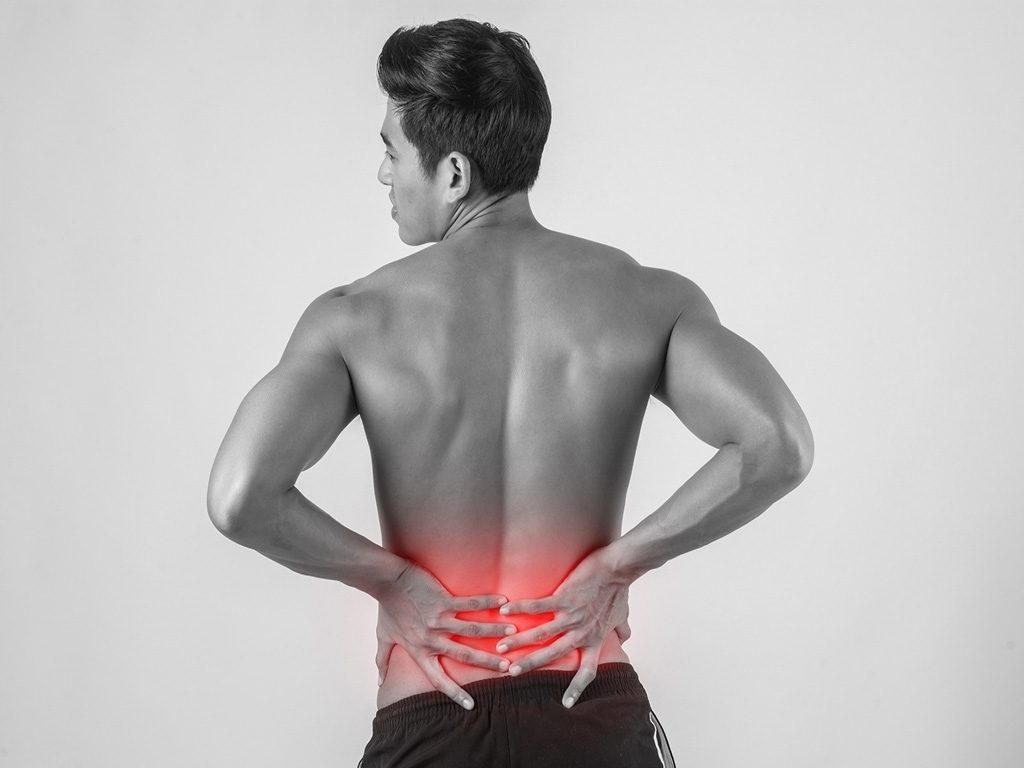
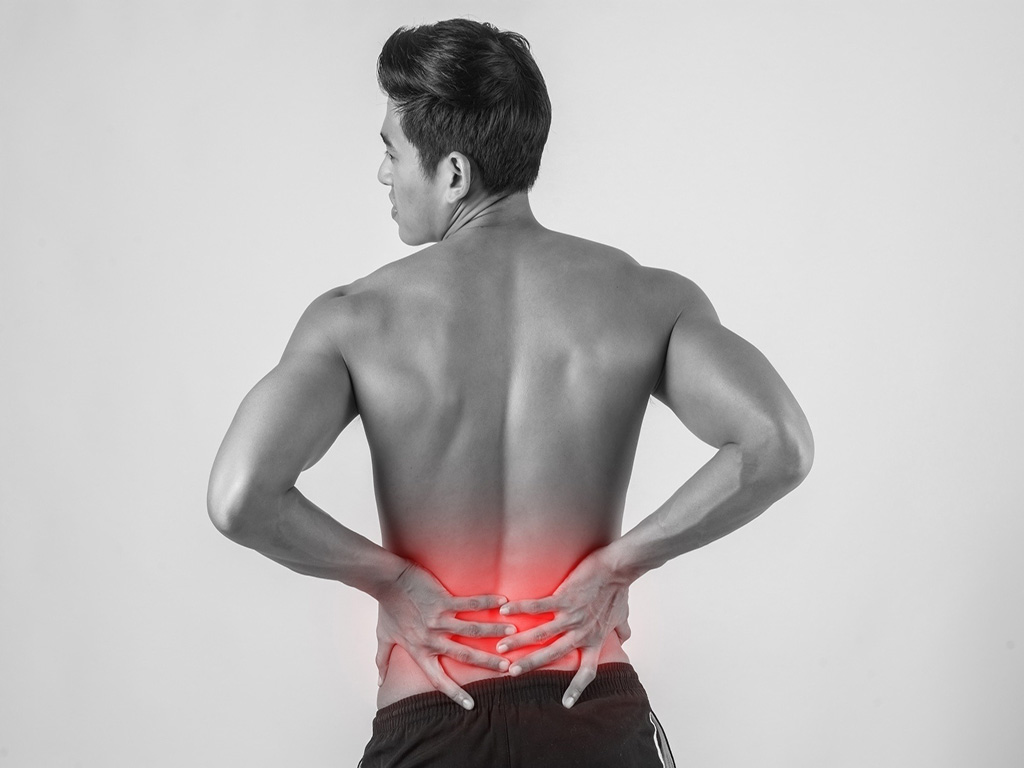
Have you ever woken up with a dull ache in your lower back? Or maybe you’ve felt a sharp pain after lifting something heavy? You’re not alone. Lower back pain, particularly chronic lower back pain, is one of the most common issues men face. Chronic back pain, characterized by persistent discomfort, differs from acute pain, which is sudden and short-term. Chronic pain can significantly impact your daily life and work. But don’t worry—understanding what’s causing it and how to manage it can make a big difference in how you feel.

Understanding the Role of the Spinal Cord and Spinal Nerves

Understanding the Role of the Spinal Cord and Spinal Nerves in the Lower Back Pain in Men

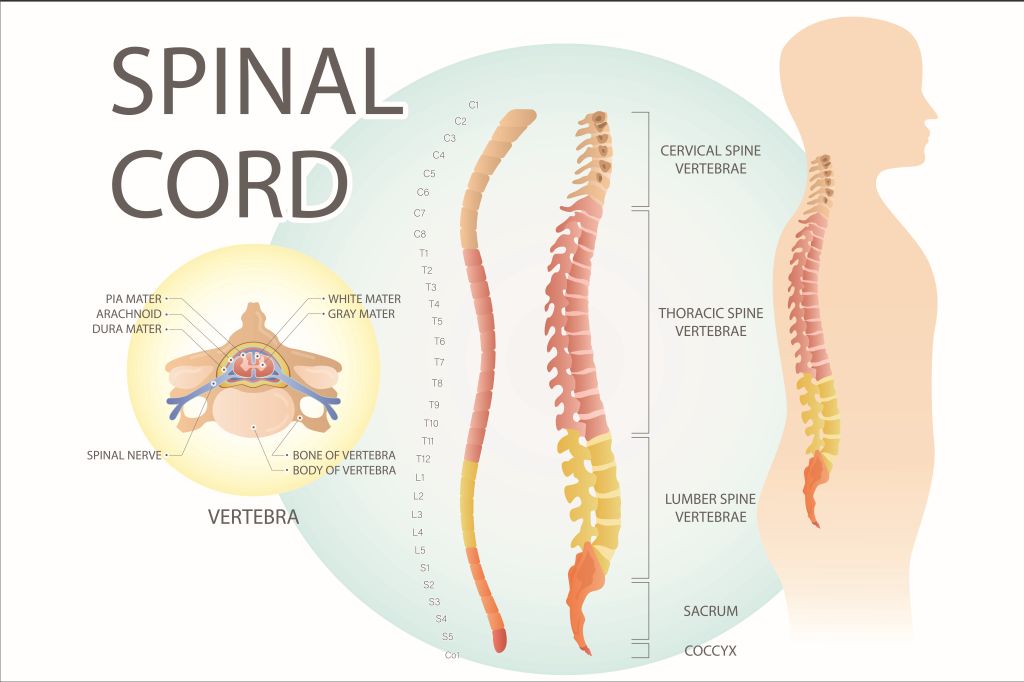
Before diving into the causes of lower back pain, it’s essential to understand the role of the spinal cord and spinal nerves. Your spinal cord is a critical part of your central nervous system, acting as the main pathway for messages between your brain and the rest of your body. It runs through the vertebral column, a series of bones (vertebrae) that protect the cord. Spinal nerves branch out from the spinal cord and extend to different parts of your body, controlling movements and sensations.

In the lower back, the lumbar spine houses the spinal cord and nerve roots that control leg movement and sensation. Any damage or pressure on these nerves can lead to pain, numbness, or weakness in your lower back and legs. Conditions like sciatica can lead to nerve pain, radiating from the lower back into the legs. Understanding this connection helps explain why conditions affecting the spine, like herniated discs or spinal stenosis, can cause significant lower back pain in men.

What Causes Chronic Lower Back Pain in Men?

Lower back pain can result from various factors, ranging from lifestyle choices to underlying medical conditions. Here’s a closer look at some common causes:

  • Poor Posture: Slouching while sitting or standing puts extra pressure on your lower back. Over time, this can lead to muscle fatigue, strain, and pain.
  • Muscle Strain: Lifting heavy objects or sudden movements can strain the muscles and ligaments in your back, leading to discomfort or injury.
  • Herniated Disc: This occurs when one of the discs in your spine gets damaged, causing the soft inner material to bulge out and press on nearby nerves. Herniated discs can also affect the nerve root and spinal cord, leading to nerve compression and associated pain.
  • Arthritis: As men age, the cartilage that cushions the joints can wear down, leading to arthritis in the spine. This wear and tear often results in chronic lower back pain.
  • Spinal Stenosis: This condition causes a narrowing of the spaces within the lumbar spine, leading to pressure on the spinal cord and nerve roots. The result is often significant pain, numbness, or weakness in the lower back and legs.
  • Sedentary Lifestyle: Not moving enough can weaken the muscles that support your back, making pain more likely. A lack of physical activity also contributes to weight gain, which adds extra stress to the lower back.

Most lower back pain resolves with simple self-care treatments.

How Can You Manage Lower Back Pain with Physical Therapy?

If you’re dealing with lower back pain, including chronic lower back pain, the good news is that there are several effective ways to manage it. Here’s how physical therapy can help:

  • Stay Active: While it might be tempting to rest, staying active is crucial. Simple exercises like walking, swimming, or biking can help keep your back muscles strong and reduce stiffness.
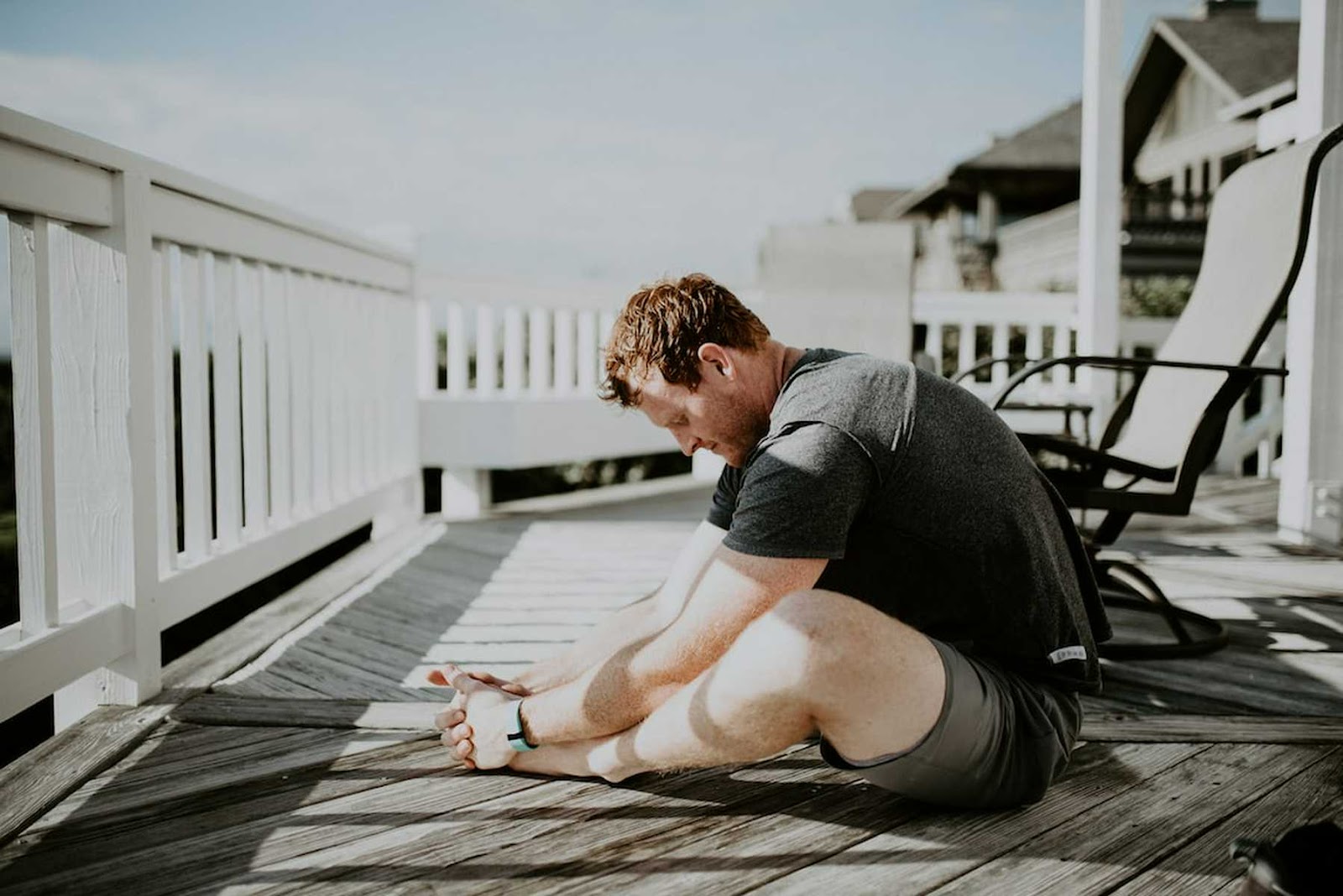
  • Stretch Regularly: Gentle stretching exercises, such as hamstring stretches or lower back rotations, can improve flexibility and reduce tension in your lower back.
  • Watch Your Posture: Ensure you sit and stand up straight to avoid putting unnecessary strain on your lower back. Consider using ergonomic chairs or lumbar support pillows for added comfort.
  • Strengthen Your Core: A strong core supports your spine and helps take some of the pressure off your lower back. Exercises like planks, bridges, and gentle yoga poses can strengthen your abdominal and back muscles.
  • See a Physical Therapist: If your pain persists, a physical therapist can develop a personalized treatment plan tailored to your needs. Physical therapy is especially important for managing chronic low back pain, as it helps improve mobility, reduce discomfort, and prevent future injuries.
  • Other Treatments: If conservative treatments aren’t effective, other options, like medication, injections, or, in severe cases, surgery, may be considered. Always consult with a healthcare professional before pursuing these options.

When Should You See a Doctor for Severe Pain?

While most lower back pain improves with time and self-care, certain symptoms may indicate a more serious issue. If you experience severe back pain that lasts for more than a few weeks or is accompanied by symptoms like numbness, tingling, or weakness in your legs, it’s crucial to seek professional help. These could be signs of nerve compression or other spinal conditions that require professional evaluation. Additionally, if your pain worsens with certain activities or weather changes, a healthcare provider can help determine the underlying cause and recommend appropriate treatment.

Conclusion: Taking Control of Your Lower Back Pain in Men

Lower back pain in men is common, but it’s something you can manage with the right approach. By understanding the causes, recognizing risk factors, and taking proactive steps to strengthen your back and improve your posture, you can reduce your pain and get back to doing the things you love.

Remember, your lower back is like the foundation of a house—it needs to be strong and well-maintained to support the weight and mobility of your upper body. So take care of it, and it will take care of you!

Ready to take control of your lower back pain? Visit Pelvis NYC to learn more about how our specialized physical therapy services can help you manage and overcome lower back pain. Our expert team is here to guide you on your journey to a pain-free life.

Related Blog: How to Heal Lower Back Pain Fast with Physical Therapy

What Are the Symptoms of a Hip Flexor Pain?

symptoms of a hip flexor pain

Hey everyone! If you’re dealing with hip pain or discomfort, you might be wondering if your hip flexors are the culprits. As a physical therapist, I’m here to break down the symptoms of a hip flexor pain so you can better understand what’s going on with your body.

Understanding the Hip Flexors

Before we jump into the symptoms of a hip flexor pain, let’s quickly recap what hip flexor muscles are. These muscles, including the iliopsoas, rectus femoris, sartorius, and tensor fasciae latae, are responsible for lifting your thigh toward your torso. They’re essential for activities like walking, running, and even sitting.

Common Symptoms of a Hip Flexor Problem

1. Hip Flexor Pain and Discomfort

  • Sharp Pain: You might feel a sharp, sudden pain in the front of your hip or groin area. This is common with hip flexor strains, where the muscles are overstretched or torn. Pain at the front of the hip is the most common symptom experienced, particularly when walking or running.
  • Dull Ache: A persistent, dull ache can indicate tight hip flexors or chronic overuse. This pain often worsens with activities that involve hip movement, like walking or climbing stairs.

2. Limited Mobility

  • Reduced Range of Motion: Difficulty lifting your knee or bringing your thigh toward your torso can be a sign of a hip flexor issue. You might notice this when trying to put on shoes or climb stairs.
  • Stiffness: Stiffness in the hip area, especially after periods of inactivity, can signal tight hip flexors.

3. Weakness

  • Muscle Weakness: Feeling weak or unstable in the hip area during activities like walking, running, or standing up from a chair can indicate hip flexor weakness. This is often due to weak muscles, which can be a result of muscle imbalances, improper conditioning, or activities that involve running, jumping, and high-knee kicks.

4. Swelling and Tenderness

  • Swelling: Swelling around the hip or groin area can occur with more severe hip flexor strains, including severe strain cases that result in large muscle tears and may require medical attention such as physical therapy or surgery.
  • Tenderness: The front of your hip may be tender to the touch, especially in cases of muscle strain or injury.

5. Difficulty Walking

  • Limping: A noticeable limp or altered gait can result from hip flexor pain. This occurs because your body tries to compensate for the discomfort, leading to uneven walking patterns.

Causes of Hip Flexor Strain Symptoms

Understanding what causes these symptoms of a hip flexor pain can help you address the root of the problem. Hip flexor strain occurs due to overuse of the hip flexor muscles and tendons, which can lead to tearing of the muscles. Here are some common causes:

  • Overuse: Repetitive activities like running or cycling can lead to overuse injuries in the hip flexor muscles.
  • Prolonged Sitting: Sitting for long periods can cause the hip flexors to become tight and shortened, leading to discomfort.
  • Improper Exercise Technique: Poor form during exercises that target the hip flexors can result in strain or injury.
  • Sudden Movements: Quick, explosive movements, such as sprinting or jumping, can cause hip flexor strains.

Treatment Options

Once a hip flexor issue is diagnosed, a tailored treatment plan can help alleviate symptoms and promote healing, including addressing hip flexor tears. Here are some common treatments:

1. Rest and Ice

  • Rest: Avoid activities that exacerbate the pain.
  • Ice: Applying ice packs to the affected area can reduce swelling and alleviate pain.

2. Physical Therapy

Physical therapy can be highly effective in treating hip flexor injuries. Therapists often use a combination of exercises and stretches to strengthen the muscles and improve flexibility.

hip flexor stretch exercises
  • Stretching: Gentle stretches can improve flexibility and reduce tightness in the hip flexor muscles.
  • Strengthening Exercises: Targeted exercises can help strengthen the hip flexors and surrounding muscles.
  • Manual Therapy: Techniques like massage and joint mobilization can relieve pain and improve function.
  • Muscle Fibers: Understanding the structure of muscle fibers is crucial. Muscles comprise thousands of small fibers, and strains occur when they are stretched beyond their limit and torn apart.

3. Medication

  • Anti-Inflammatory Drugs: Over-the-counter medications like ibuprofen can help manage pain and inflammation.

Preventing Hip Flexor Problems

To prevent hip flexor issues, incorporate these tips into your routine:

  • Warm-Up: Always warm up before exercise to prepare your muscles.
  • Proper Technique: Ensure you use the correct form during workouts.
  • Regular Stretching: Include hip flexor stretches in your daily routine, especially if you sit for long periods.
  • Strength Training: Strengthen your hip and surrounding muscles to support overall hip health.
  • Most Hip Flexor Strains: Seek prompt treatment for most hip flexor strains. Use home remedies and consider medical advice for severe tears.

Final Thoughts

Understanding the symptoms of a hip flexor issue can help you identify problems early and seek appropriate treatment. Whether you’re dealing with pain, stiffness, or weakness, addressing these symptoms promptly can prevent further complications and get you back to your active lifestyle.

If you have any questions or need personalized advice, feel free to reach out at www.pelvis.nyc. As a physical therapist, I’m here to support you on your journey to better hip health. Stay active and take care of those hips!

Related blog: Hip Flexors Pain: Learn How to Manage It

Mystery of the Hip Flexors: A Physical Therapist’s Guide

Mystery of the Hip Flexor: A Physical Therapist's Guide

Understanding Your Hip Flexors

Hey there! If you’re here, chances are you’ve heard about hip flexors and want to know what the fuss is all about. As a physical therapist, I’m excited to discuss this topic and help you understand the importance of these often-overlooked muscles. So, let’s get started!

What Are Hip Flexors?

If you are wondering what Hip flexors are, these are a group of muscles that play a crucial role in the movement and stability of your hips. The main players in this group include:

  • Iliopsoas: These are two muscles (the iliacus and psoas major) that work together. They are the primary hip flexors responsible for flexing the hip and stabilizing the trunk.
  • Rectus Femoris: Part of the quadriceps group.
  • Sartorius: The longest muscle in the human body.
  • Tensor Fasciae Latae: Helps stabilize and move the hip.

These hip flexor muscles are responsible for lifting your thigh towards your torso (think of when you’re walking, running, or even just sitting down). They flex the hip and are involved in movements such as kicking and bringing the knee closer to the chest. Without them, basic movements would be a real struggle.

If you’re interested to know the Symptoms of a Hip Flexor Pain, click the link now!

Why Are Hip Flexors Important?

Your hip flexor muscles are involved in virtually every lower body movement. From walking and running to jumping and even standing, they are constantly at work, particularly during hip flexion. It is important to exercise and strengthen the hip muscles to prevent strain and injury. They also play a key role in maintaining proper posture and balance. When these muscles are functioning well, they provide the stability needed for smooth, pain-free motion.

Common Problems with Tight Hip Flexors

Like any muscle group, hip flexors can run into problems. Here are a few common issues:

  1. Tight Hip Flexors: Often caused by prolonged sitting or insufficient stretching. Sitting for long periods can lead to tightness and functional problems in the hip flexor muscles. Symptoms include lower back pain, hip pain, and even knee pain.
  2. Hip Flexor Strain: This occurs when the muscles are overstretched or torn. A hip flexor strain occurs commonly among athletes involved in sports like soccer, running, and martial arts. Symptoms include sharp pain, swelling, and limited mobility. Hip flexor strains can also result from sitting for long periods or engaging in activities involving repetitive leg movements.
  3. Hip Flexor Weakness: This can lead to compensatory issues in other parts of the body, like the lower back or knees.

Stretching and strengthening hip flexors can help prevent hip flexor strains, stay mobile, avoid pain and stiffness in the hips and back, improve posture, and prevent injuries. Click the link to how to manage hip flexor pain.

How to Keep Your Hip Flexors Happy

Now that we know what hip flexors are and why they’re important, let’s talk about hip flexor exercises to keep the hip flexor muscle in tip-top shape.

Hip Flexor Stretches

Regular stretching, including hip flexor stretches, can prevent tightness and improve flexibility in the hip flexor muscle. Here are a few of my favorite stretches:

  • Kneeling Hip Flexor Stretch: Kneel on one knee, the other foot in front, and gently push your hips forward.
  • Pigeon Pose: A yoga pose that targets deep hip flexor and glute muscles.

Strengthening

Strengthening exercises like straight leg raises can improve the function and endurance of your hip flexor muscle. Try these:

  • Leg Raises: Lying flat, lift one leg towards the ceiling while keeping the other leg straight.
  • Mountain Climbers: A dynamic exercise that targets multiple muscle groups, including the hip flexor muscle. Keep the knee bent during the exercise to target the hip flexors effectively.

Proper Posture

Maintaining good posture can alleviate unnecessary stress on your hip flexors. Sit and stand with your back straight, and shoulders back, and avoid crossing your legs for extended periods.

When to Seek Professional Help for Hip Flexor Strain

Sometimes, despite our best efforts, we need a little extra help. If you’re experiencing persistent pain or discomfort in your hip flexors, it’s a good idea to consult with a physical therapist. We can provide a tailored treatment plan to address your specific needs. For questions and inquiries, you may avail a FREE 15-minute teleconsultation at www.pelvis.nyc.

Final Thoughts

Your hip flexors are essential for everyday movements and overall well-being. By understanding their function and taking steps to maintain their health, you can prevent issues and keep moving comfortably. Remember, a little TLC for your hip flexors can go a long way!

If you have any questions or need personalized advice, don’t hesitate to reach out. As a physical therapist, I’m here to help you move better and live better. Keep those hips happy, folks!

Hip Flexors Pain: Learn How to Manage It

Understanding & Managing Hip Flexors Pain

Hip flexors pain, a specific type of hip pain, is a common issue affecting individuals of all ages and activity levels. Various causes of hip flexor pain include overuse, lack of flexibility, trauma, sudden movements like kicking or sprinting, prolonged sitting combined with weak hip muscles, and high-impact activities like dancing and running. Understanding the causes, symptoms, and treatment options for hip flexor injury is crucial for effective management and prevention.

As a physical therapist, I’m here to provide you with a comprehensive guide on hip flexor pain, covering its causes, symptoms, treatment options, and preventive measures. This blog aims to help you understand and manage hip flexor pain effectively, using evidence-based techniques and professional insights, including hip flexor treatment methods.

Hip Flexor Muscles

Hip flexors are a group of muscles located at the front of your hip that are responsible for lifting your knee and bending at the waist. The main hip flexor muscles include:

  • Iliopsoas: Comprising the psoas major and iliacus muscles.
  • Rectus Femoris: One of the quadriceps muscles that also assists in hip flexion.
  • Sartorius: The longest muscle in the body, running from the hip to the knee. These muscles work together to produce flexion, allowing the hip joint to be flexible and support various movements.

Common Causes of Hip Flexor Strain

Understanding the root causes of a strained hip flexor is crucial for effective treatment. Here are the most common causes of hip flexor strain:

  1. Overuse: Repetitive activities such as running or cycling can lead to hip flexor strains. Overuse, lack of flexibility, trauma from sudden movements like kicking or sprinting, prolonged sitting combined with weak hip muscles, and high-impact activities like dancing and running are common causes of hip flexor strain.
  2. Acute Injury: Sudden movements or impacts can cause a hip flexor tear.
  3. Poor Posture: Prolonged sitting, especially with bad posture, can tighten the hip flexors.
  4. Weakness or Imbalance: A weak core or surrounding muscles can place additional stress on the hip flexors.

Symptoms of Hip Flexors Pain

Common symptoms of hip flexor pain include:

  • Sharp or aching pain in the front of the hip, can be accompanied by muscle spasms.
  • Mild pain can be managed with home treatments such as the PRICE protocol (protection, rest, ice application, compression, and elevation).
  • Stiffness and reduced range of motion.
  • Pain when lifting the knee towards the chest.
  • Discomfort when stretching the hip flexors.

To know more about the symptoms of a hip flexor pain, check it out now!

Diagnosing Hip Flexor Pain

A physical therapist will assess your condition through:

  • Medical History: Discuss your activity level, recent injuries, and lifestyle.
  • Physical Examination: Checking for tenderness, range of motion, and muscle strength.
  • Special Tests: Performing specific movements to identify the affected muscles[6].

Treatment and Management Strategies

1. Rest and Activity Modification

Reduce activities that exacerbate the pain. This doesn’t mean complete inactivity, but modifying your routine to avoid further strain.

2. Stretching and Flexibility Exercises

Incorporate gentle stretching exercises to improve flexibility and reduce muscle tightness. Effective stretches include:

  • Lunge Stretch: Step one foot forward into a lunge, keeping the back leg straight. Hold for 30 seconds and switch sides.
  • Butterfly Stretch: Sit with your feet together and knees bent out to the sides. Gently push your knees towards the ground.

For those dealing with a strained hip flexor, incorporating specific hip flexor stretches can help relieve pain and promote healing.

3. Strengthening Exercises

Strengthening surrounding muscles helps support the hip flexors and reduce pain. Focus on:

  • Core Strengthening: Exercises like planks and bridges.
  • Hip Strengthening: Exercises like clamshells and hip thrusts.

4. Manual Therapy

A physical therapist may use techniques such as massage, myofascial release, and trigger point therapy to reduce pain and improve mobility.

5. Heat and Cold Therapy

Apply ice to reduce inflammation in the acute phase of injury (first 48 hours). Afterward, heat can help relax the muscles and improve blood flow.

6. Education and Postural Training

Proper posture and body mechanics can prevent future episodes of hip flexor pain. Personalized advice from your physical therapist can address your daily activities and ergonomics[1].

Prevention Tips for Hip Flexors Pain

Preventing hip flexor pain involves maintaining a balance between activity and rest, and keeping your muscles flexible and strong. Here are some tips:

  • Warm-Up Properly: Always warm up before engaging in physical activity to help prevent hip flexor strains.
  • Most hip flexor strains are mild or moderate and can be treated with simple measures at home.
  • Maintain Good Posture: Whether sitting or standing, keep a neutral spine to reduce strain on your hip flexors.
  • Stay Active: Regular exercise helps keep your muscles strong and flexible.
  • Listen to Your Body: Don’t push through pain. Take breaks and modify activities as needed[2].

When to Seek Professional Help for Hip Flexors Pain

If your hip flexor pain persists despite self-care measures, consult a physical therapist. They can provide a tailored treatment plan and help address any underlying issues contributing to your pain.

You may contact us for a 15-minute free teleconsultation for questions and inquiries by visiting our website.

Conclusion

Hip flexor pain can be challenging, but with the right approach, it is manageable. Understanding the causes, recognizing the symptoms, and following a structured treatment plan can alleviate your pain and return to your regular activities. Consistency is key; working with a physical therapist can provide you with the support and guidance needed for a full recovery.

Related Blog: Mystery of the Hip Flexors: A Physical Therapist’s Guide

Beyond the Cast: Modern Approaches for Bone Fractures

Beyond the Cast: Modern Approaches for Bone Fractures

In this continuation of our bone health journey, we’ll explore a topic that has seen remarkable advancements in recent years- modern approaches for bone fractures. I am excited to share insights on how medical science is reshaping the way we approach fracture treatments. The days of solely relying on traditional casts are evolving, and I’m here to guide you through these exciting developments while maintaining a steadfast focus on your well-being.

The Modern Approaches for Bone Fractures

Gone are the times when a cast was the only solution for mending broken bones. Today, medical science has introduced a range of innovative techniques and technologies that accelerate healing, enhance patient comfort, and yield better outcomes. Let’s dive into the modern approaches for bone fractures that offer hope and healing beyond the confines of a cast.

  • Orthopedic Braces and Splints: For certain fractures, specially designed braces and splints have taken the place of traditional casts. These devices provide support, stability, and protection while allowing greater mobility during the healing process. They can be particularly beneficial for fractures that require gradual movement to prevent stiffness.
  • Minimally Invasive Surgery: In cases where fractures are complex or displaced, minimally invasive surgical procedures have become a game-changer. Surgeons use advanced techniques to precisely align and stabilize fractured bones, often using tiny incisions and specialized instruments. This approach reduces trauma to surrounding tissues and speeds up recovery.
  • Bone Growth Stimulators: These devices use low-intensity ultrasound or electrical currents to stimulate bone healing. They are especially useful for fractures that are slow to heal or show signs of delayed union. Bone growth stimulators promote bone cell activity and improve the body’s natural healing response.
  • Biologic Treatments: Emerging biologic therapies involve using substances like growth factors, stem cells, and bone grafts to promote faster and more effective bone healing. These treatments aim to enhance the body’s natural regenerative processes, ultimately leading to stronger and healthier bone tissue.

Embracing Progress with Caution:

While these modern approaches offer promising results, it’s important to approach them with careful consideration. Every fracture is unique, and what works for one person may not be suitable for another. Consulting with healthcare professionals, such as orthopedic surgeons and physical therapists, is crucial to determine the most appropriate treatment plan based on your individual circumstances.

Personal Thoughts:

As we conclude our exploration of modern fracture treatments, I want to emphasize the importance of staying informed and open to advancements in healthcare. These innovations are a testament to human ingenuity and the unwavering commitment to enhancing the quality of life. Remember, your journey to recovery is a partnership between you and your healthcare team.

By staying engaged, asking questions, and participating actively in your treatment plan, you’re taking a proactive step toward optimal healing and well-being. As always, I’m here to support you on your path to recovery and better bone health. For inquiries, go to our website and get a FREE 15-minute teleconsultation.

Related Blog: Tips for Strengthening Bones and Reducing Risks

Preventing Fractures: Tips for Strengthening Bones and Reducing Risks

Preventing Fractures: Tips for Strengthening Bones and Reducing Risks

Welcome to a guide on “Preventing Fractures: Tips for Strengthening Bones and Reducing Risks.” As a physical therapist, I am passionate about helping you maintain strong bones and reduce the chances of fractures. Whether you’re an active athlete, a weekend warrior, or simply looking to enhance your bone health, this blog is here to provide you with practical insights backed by reliable sources. Join me on this journey to healthier bones.

Understanding the Importance of Bone Health

Before we delve into the tips, let’s take a moment to appreciate the crucial role that bone health plays in our overall well-being. Our bones provide structural support, protect vital organs, and facilitate movement. As we age, our bone density naturally decreases, making us more susceptible to fractures. However, by incorporating certain practices into our lifestyles, we can significantly mitigate these risks.

Top Strategies for Preventing Fractures:

  • Nourish Your Bones: A balanced diet rich in calcium and vitamin D is fundamental for maintaining strong bones. Dairy products, leafy greens, fortified cereals, and fatty fish like salmon are excellent sources. Vitamin D, often referred to as the “sunshine vitamin,” aids in calcium absorption and bone health.
  • Stay Active: Regular weight-bearing exercises, such as walking, jogging, and resistance training, help stimulate bone growth and maintain bone density. Engaging in these activities for at least 30 minutes most days of the week can work wonders for your bones.
  • Maintain a Healthy Lifestyle: Limiting alcohol consumption and avoiding smoking are essential steps in promoting bone health. Excessive alcohol and tobacco use can weaken bones, increasing the risk of fractures.
  • Fall Prevention: Taking precautions to prevent falls is crucial, especially for older adults. Keep your living space well-lit, remove tripping hazards, and use assistive devices if needed. Maintaining strong muscles through exercise can also help you maintain better balance and reduce the likelihood of falls.
  • Consult a Professional: Regular visits to your healthcare provider or a physical therapist can provide personalized guidance based on your specific needs and health status. They can assess your bone health and recommend appropriate exercises and lifestyle adjustments.

Read our blog about From Casts to Kicks: Physical Therapy for Fractures

Closing Thoughts

As we wrap up this journey through bone health and preventing fractures, it’s important to approach this topic with a sense of responsibility and empowerment. Rather than dwelling on fear, let’s focus on proactive steps we can take to fortify our bones and reduce the risk of fractures. By nourishing our bodies, staying active, and making mindful choices, we can build a stronger, more resilient foundation for a healthier future.

Remember, you hold the power to invest in your bone health and embrace life to the fullest. If you’re ever uncertain about the best approach for your unique situation, don’t hesitate to reach out to Pelvis NYC, we are here to guide you every step of the way.

Related Blog: Modern Approaches for Bone Fractures

From Casts to Kicks: Physical Therapy for Fractures

From Casts to Kicks: Physical Therapy for Fractures

Welcome back to the Fractures 101 series! In this sequel, we’re diving deep into the world of recovery and how physical therapy can help men bounce back from fractures like the warriors we are. It’s time to go from those pesky casts to kicking life’s challenges with renewed strength and confidence. So as a Physical Therapist who’s got your back, I’ll share some epic insights and tips on how physical therapy can be your ultimate ally in making an epic comeback. Let’s roll!

Understanding the Journey of Physical Therapy for Fractures

We know it can be a bumpy ride, but physical therapy is your secret weapon in this journey of healing and recovery. Here are some ways we start the treatment:

  • Personalized Treatment Plans: Your physical therapist will design a customized treatment plan that suits your specific needs, goals, and lifestyle.
  • Pain Management: Also, PT techniques can help alleviate pain and discomfort, ensuring you’re on track to a smooth recovery.
  • Restoring Range of Motion: Meanwhile, regaining flexibility and mobility through targeted exercises can prevent stiffness and improve joint function.

Rocking Rehab

Rehab doesn’t have to be a drag, bros! Your physical therapist will make sure it’s engaging and effective. So below are ways we start rehab for fractures:

  • Therapeutic Exercises: Your PT will prescribe exercises that strengthen muscles around the fractured area, supporting healing.
  • Balance and Coordination Training: Get your balance back on point with fun as well as challenging exercises that improve stability.
  • Gradual Progression: Your PT will guide you in gradually increasing the intensity of exercises, however, he will also ensure a safe and steady recovery.

Keeping the Spirit High

Behind every dude, there’s a solid support crew, including your physical therapist! Your PT can help with:

  • Encouragement and Motivation: Your PT will be there to cheer you on as well as keep you motivated throughout your recovery journey.
  • Guided Progression: Your physical therapist will track your progress and celebrate each milestone achieved.

Physical Therapy Exercises for Fractures

Here are some effective physical therapy exercises to help you bounce back from fractures. Remember, this is just a sample. Before starting any exercise regimen, ensure they are safe and suitable for your specific condition.

1. Ankle Alphabet:

  • Sit or lie down with your leg extended.
  • Use your foot to “write” the letters of the alphabet in the air.
  • Perform this exercise with both ankles to improve ankle mobility and flexibility.

2. Quadriceps Sets:

  • Sit on a chair with your legs straight out in front of you.
  • Tighten the muscles in the front of your thigh (quadriceps) and then hold for 5-10 seconds.
  • Release and repeat for several sets to strengthen the thigh muscles.

3. Heel Slides:

  • Lie on your back with your knees bent and feet flat on the floor.
  • Slowly slide your heel towards your buttocks, keeping your back flat on the floor.
  • Slide back to the starting position and then repeat for several reps to improve knee flexibility.

4. Glute Bridges:

  • Lie on your back with your knees bent and feet flat on the floor.
  • Lift your hips off the ground until your body forms a straight line from your shoulders to your knees.
  • Hold for a few seconds, then lower back down. Repeat for several reps to strengthen the glutes and lower back.

5. Clamshells:

  • Lie on your side with both your knees bent and your feet together.
  • Keeping your feet together, lift the top knee as high as you comfortably can.
  • Lower back down and repeat for several reps on each side to target the hip muscles.

6. Wall Push-ups:

  • Stand facing a wall with your arms extended at shoulder height and hands against the wall.
  • Lean towards the wall, bending your elbows, and then push back to the starting position.
  • Lastly, perform several reps to improve shoulder and upper body strength.

7. Wrist Flexor Stretch:

  • Extend your arm in front of you with your palm facing up.
  • Then, use your other hand to gently bend your wrist, pointing your fingers towards the floor.
  • Lastly, hold for 15-30 seconds and repeat on both arms to improve wrist flexibility.

8. Seated Leg Raises:

  • Sit on a chair with your back straight and feet flat on the floor.
  • Lift one leg straight out in front of you, then lower it back down.
  • Then repeat for several reps on each leg to strengthen the hip flexors.

Conclusion:

Physical therapy is your ultimate partner in the journey of recovery. They also offer personalized treatment, exercises, and support that get you back in action. Embrace the healing process, stay positive, and trust in your physical therapist’s expertise because, with physical therapy on your side, you’ll bounce back stronger. More questions? Contact us at www.pelvis.nyc and get a FREE 15-minute teleconsultation!

Related Blog: Preventing Fracture Tips for Strengthening Bones and Reducing Risks

Fractures: Comprehensive Guide for Men and Women

Fractures: Comprehensive Guide for Men and Women

Whether you’re here out of curiosity or because you or someone you know is dealing with a fracture, I’m here to provide you with a comprehensive understanding of fractures and broken bones. I’m Adam Gvili, a Doctor of Physical Therapy, and I’m excited to share my expertise in this guide.

What is Fractures?

Fractures, commonly known as broken bones, are disruptions in the integrity of the bone structure. These can occur due to various reasons, including accidents, falls, sports injuries, and even underlying medical conditions like osteoporosis. The severity of a fracture can range from a minor crack to a complete break, each requiring its own approach to treatment and recovery.

Different Types of Fractures

Understanding the different types of fractures can help you make sense of your diagnosis and treatment options. Let’s explore some common fracture classifications:

  • Closed Fracture: In this type, the bone breaks, but the skin remains unbroken. It’s also known as a simple fracture.
  • Open Fracture: An open fracture occurs when the broken bone pierces through the skin. This type poses a higher risk of infection and requires immediate medical attention.
  • Greenstick Fracture: Common in children, this fracture occurs when the bone bends and partially breaks, resembling a green stick that has been partially snapped.
  • Stress Fracture: Often seen in athletes, stress fractures result from repeated stress and strain on a bone. They’re tiny cracks that can lead to more serious injuries if not properly managed.
  • Comminuted Fracture: This complex fracture involves the bone-shattering into multiple pieces, which can make treatment more challenging.

Spot the Break

Identifying the signs of a fracture is essential for timely and accurate treatment. So look out for these signs:

  • Big-time pain, especially when moving or putting weight on the hurt spot.
  • Swelling and have shades of bruising around the busted bone.
  • Limited range of motion and struggles using that body part.
  • Crooked bone 
  • If the area feels tender and touchy.

If you suspect a fracture, don’t tough it out. Get it checked by a pro! A medical professional will conduct a thorough physical examination and often use X-rays or more advanced imaging to confirm the diagnosis and assess the extent of the injury.

Fractures? I Got Your Back

Folks of all ages and backgrounds have navigated this journey. While healing, your companions are rest and patience. However, there’s a special someone who plays a pivotal role in your recovery: your friendly neighborhood physical therapist.

Check out our blog about how physical therapy can help Fractures.

Role of Physical Therapists in Fracture Recovery

Now, let’s delve into the vital role that Physical Therapists play in the recovery process. Once the initial medical treatment, such as casting or surgery, is complete, it’s time to focus on rehabilitation. Here’s how a Physical Therapist can help:

  1. Individualized Treatment Plans: A Physical Therapist will create a personalized plan based on your specific fracture type, location, and overall health. This plan will outline exercises and therapies to promote healing and restore function.
  2. Range of Motion and Strength: Fractures often lead to stiffness and muscle weakness. A Physical Therapist will guide you through exercises that gradually improve your range of motion and rebuild muscle strength.
  3. Functional Restoration: Whether it’s regaining the ability to walk, lift objects, or perform daily tasks, a Physical Therapist will work with you to restore functional independence.
  4. Pain Management: Managing pain is a crucial aspect of fracture recovery. Physical Therapists utilize various techniques to alleviate pain and discomfort during the rehabilitation process.
  5. Education and Prevention: Physical Therapists also educate patients about proper body mechanics, posture, and techniques to prevent future injuries and promote overall bone health.

Conclusion:

There you have it! We’ve covered the basics of fractures, from spotting them to owning your recovery journey. Remember, stay positive, listen to your body, and you’ll be back on top in no time. For other questions, you may consult us at www.pelvis.nyc.

Related Blog: How to Prevent Fractures