Kegel Exercises Using Ball: Do They Really Strengthen the Pelvic Floor?

Kegel Exercises Using Ball

Can Kegel Exercises Using a Ball Improve Pelvic Floor Strength?

Yes—kegel exercises using ball devices can help improve pelvic floor muscle awareness, strength, and coordination in some people. However, they are not appropriate for everyone. If you have pelvic pain, pelvic floor dysfunction, bladder urgency, or overly tight pelvic floor muscles, using kegel balls or kegel weights without professional guidance may actually worsen symptoms.

The key is understanding whether your pelvic floor needs strengthening, relaxation, or a combination of both.

This guide explains how Kegel balls work, who may benefit from them, common mistakes to avoid, and why pelvic floor physical therapy is often the most effective way to improve bladder control, sexual function, and pelvic health.

Related blog: Signs of Overdoing Kegels: How Too Much Pelvic Floor Exercise Can Backfire


What Are Kegel Exercises Using Ball Devices?
Kegel exercises using ball devices involve placing a weighted ball or set of balls inside the vagina to provide resistance during pelvic floor contractions.

These devices are commonly called:

  • Kegel balls
  • Ben Wa balls
  • Ben Wa weights
  • Pelvic floor weights
  • Kegel weights
  • Vaginal weights

The goal is simple:

When the ball is inserted, the pelvic floor muscles contract naturally to keep it in place. This creates resistance that may help strengthen the muscles over time.

Think of it like adding weight to a traditional strength-training exercise.


What Is the Pelvic Floor?

The pelvic floor is a group of muscles, ligaments, and connective tissues that support the:

  • Bladder
  • Bowel
  • Reproductive organs

These muscles help control:

  • Urination
  • Bowel movements
  • Sexual function
  • Core stability
  • Pelvic organ support

A healthy pelvic floor contracts when needed and relaxes when appropriate.

Problems occur when the muscles become:

  • Too weak
  • Too tight
  • Poorly coordinated

This is known as pelvic floor dysfunction.


What Are Kegel Exercises?
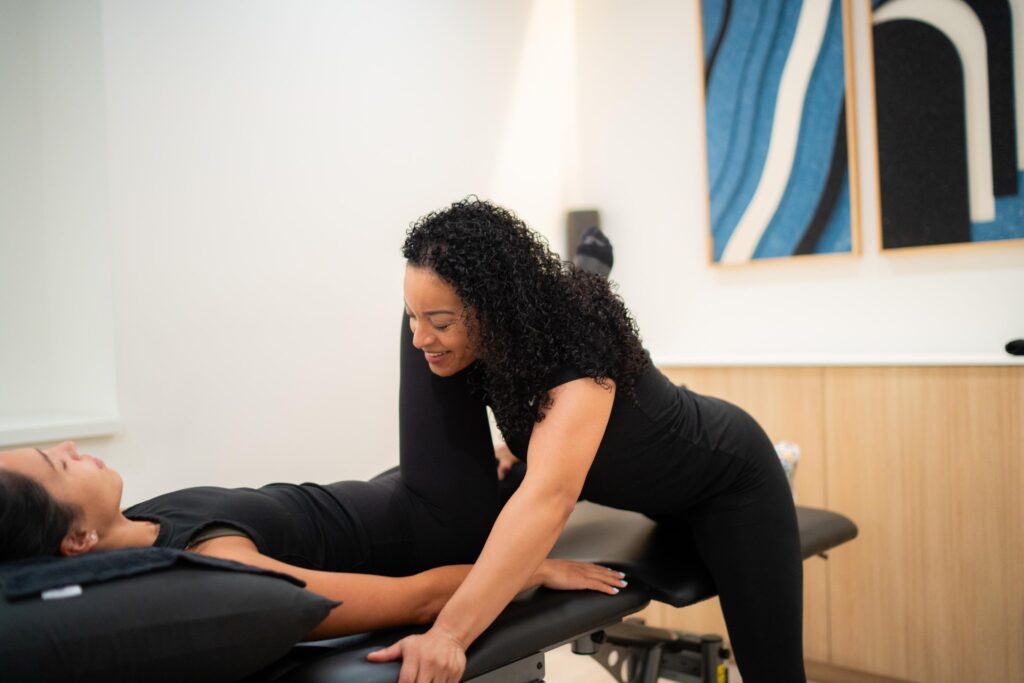
Kegel exercises are voluntary contractions of the pelvic floor muscles.

Gynecologist Dr. Arnold Kegel originally introduced them in the 1940s to help improve urinary incontinence and pelvic support.

A basic Kegel involves:

  1. Tightening the muscles used to stop urine flow.
  2. Holding the contraction for several seconds.
  3. Relaxing completely.
  4. Repeating multiple times.

When performed correctly, kegel exercises can improve:

  • Bladder control
  • Stress urinary incontinence
  • Pelvic organ support
  • Sexual function

However, they are not always the right solution for every pelvic floor problem.


How Do Kegel Balls Work?

The Science Behind Kegel Balls

Kegel balls create gentle resistance that encourages the pelvic floor muscles to activate.

When inserted:

  • The muscles contract reflexively.
  • The body becomes more aware of pelvic floor activation.
  • Muscle endurance may improve over time.

Some modern kegel weights come in progressive resistance levels, allowing users to increase difficulty gradually.

This principle is similar to resistance training for other muscle groups.


Kegel Balls vs. Ben Wa Balls: Is There a Difference?

Many people use the terms interchangeably, but there are slight differences.

DevicePurpose
Kegel BallsDesigned primarily for pelvic floor strengthening
Ben Wa BallsTraditionally used for pelvic floor awareness and sexual wellness
Kegel WeightsSpecifically designed for progressive strengthening

Today’s products often combine features from all three categories.


Who May Benefit from Kegel Exercises Using Ball Devices?

Kegel balls may be helpful for individuals experiencing:

Mild Bladder Control Problems

Some studies suggest pelvic floor strengthening can reduce symptoms of:


Postpartum Pelvic Floor Weakness

Women recovering from pregnancy and childbirth often experience weakened pelvic floor muscles.

Under professional guidance, kegel weights may support recovery.


Reduced Pelvic Floor Awareness

Some individuals struggle to identify or activate their pelvic floor muscles correctly.

The sensory feedback from Kegel balls can improve muscle awareness.


Sexual Wellness Goals

Research suggests stronger pelvic floor muscles may contribute to:

  • Improved sexual sensation
  • Better orgasmic response
  • Increased pelvic circulation

When Kegel Balls May Not Be Appropriate

This is where many online articles get it wrong.

Not everyone needs stronger pelvic floor muscles.

In fact, many patients seen in pelvic floor physical therapy clinics have muscles that are already too tight.

Kegels can sometimes worsen symptoms.


Signs You Should Avoid Kegel Balls Until Evaluated

You may need professional assessment if you experience:

  • Chronic pelvic pain
  • Pain during intercourse
  • Tailbone pain
  • Bladder urgency
  • Difficulty emptying the bladder
  • Constipation
  • Pelvic muscle spasms

These symptoms often indicate overactive or hypertonic pelvic floor muscles.

Adding more contractions may increase tension.


Pelvic Floor Dysfunction: Why Strength Isn’t Always the Answer
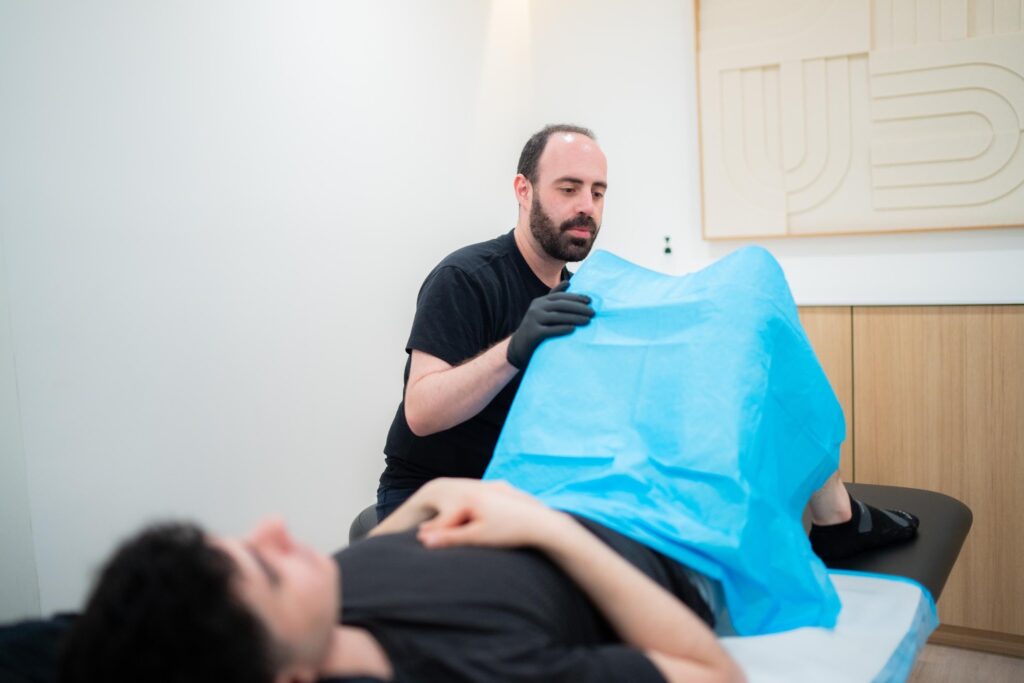
Pelvic floor dysfunction is one of the most misunderstood conditions in healthcare.

Many people assume:

“My pelvic floor feels weak, so I need Kegels.”

But symptoms often result from poor coordination rather than weakness.

Examples include:

  • Tight muscles that cannot relax
  • Muscles that contract at the wrong time
  • Poor breathing mechanics
  • Nervous system dysregulation

This is why evaluation by a pelvic floor physical therapist is often recommended before starting weighted pelvic floor exercises.


What About Bladder Urgency?

Bladder urgency is the sudden, intense need to urinate.

Many people assume urgency is caused by weakness.

In reality, urgency can result from:

  • Pelvic floor tension
  • Overactive bladder
  • Nerve sensitivity
  • Behavioral habits
  • Stress responses

For these individuals, relaxation techniques often work better than Kegel strengthening.


How to Perform Kegel Exercises Using a Ball Safely

Step 1: Start with the Lightest Weight

Choose a beginner-friendly option.

Avoid starting with heavy Kegel weights.


Step 2: Insert Comfortably

Follow manufacturer instructions.

The ball should feel secure but not painful.


Step 3: Engage Gently

Contract the pelvic floor muscles as though:

  • Stopping urine flow
  • Preventing gas from escaping

Avoid squeezing the buttocks or holding your breath.


Step 4: Hold and Relax

Try:

  • Hold 3–5 seconds
  • Relax completely
  • Repeat 10 times

Full relaxation is just as important as contraction.


Common Mistakes with Kegel Balls

Many people accidentally:

❌ Hold their breath

❌ Tighten their glutes

❌ Overtrain

❌ Ignore pain

❌ Assume more squeezing equals better results

The goal is coordination—not constant contraction.


Kegel Balls vs. Electrical Stimulation

Some pelvic floor rehabilitation programs use electrical stimulation instead of weighted devices.

Electrical Stimulation Works By:

  • Activating weak muscles
  • Improving neuromuscular awareness
  • Enhancing muscle recruitment

It is often used when patients cannot perform Kegel exercises effectively on their own.

A pelvic floor specialist can determine which approach is most appropriate.


Why Physical Therapy Is Often More Effective Than Kegel Balls Alone

Kegel balls are tools.

They are not a diagnosis.

They are not a treatment plan.

Pelvic floor physical therapy addresses:

Muscle Strength

Determining whether muscles are weak.

Muscle Tension

Identifying overactive muscles.

Breathing Mechanics

Improving pressure management throughout the core.

Bladder Habits

Addressing urgency and frequency triggers.

Nervous System Regulation

Reducing chronic guarding patterns.

Research published by organizations such as the National Institutes of Health (NIH) and the American Physical Therapy Association supports pelvic floor rehabilitation as a first-line treatment for many pelvic floor disorders.


Real Patient Example

A common scenario involves someone experiencing bladder urgency and pelvic pressure.

They begin doing daily Kegels after reading online advice.

Months later, symptoms worsen.

Why?

The underlying problem wasn’t weakness—it was excessive pelvic floor tension.

After evaluation by a pelvic floor physical therapist, treatment focused on:

  • Muscle relaxation
  • Breathing exercises
  • Manual therapy
  • Bladder retraining

Symptoms improved significantly.

This illustrates why proper assessment matters.


When Should You See a Pelvic Floor Physical Therapist?

Consider seeking professional help if you have:

  • Persistent bladder urgency
  • Urinary leakage
  • Pelvic pain
  • Sexual dysfunction
  • Constipation
  • Pain with sitting
  • Difficulty relaxing the pelvic floor

A customized treatment plan is often more effective than self-directed exercises.


Why Pelvis NYC Takes a Different Approach
At Pelvis NYC, pelvic floor therapy goes beyond simply prescribing Kegel exercises.

Our specialists evaluate:

  • Muscle strength
  • Muscle tension
  • Movement patterns
  • Breathing mechanics
  • Bladder and bowel habits
  • Sexual health concerns

This comprehensive approach helps identify the true cause of symptoms and develop a personalized treatment plan.

Whether you’re experiencing bladder control issues, pelvic pain, sexual dysfunction, or pelvic floor dysfunction, our team can help you find long-term solutions.

Ready to Improve Your Pelvic Floor Health?

If you’re wondering whether Kegel exercises using ball devices are right for you, start with a professional evaluation.

Pelvis NYC specializes in evidence-based pelvic floor physical therapy for women and men.

Contact Pelvis NYC

Website: www.pelvis.nyc

Phone: (929) 590-3445

Email: drpelvis@pelvis.nyc

Schedule an evaluation and discover the best treatment approach for your unique needs.


Frequently Asked Questions

Do kegel balls actually work?

Yes, kegel balls can improve pelvic floor awareness and strength for some individuals. However, they are not appropriate for every pelvic floor condition.


Are Ben Wa balls the same as kegel balls?

They are similar but were originally developed for different purposes. Modern products often combine features of both.


Can kegel balls help bladder control?

They may help certain types of urinary incontinence, especially stress incontinence caused by pelvic floor weakness.


Can Kegel exercises worsen pelvic floor dysfunction?

Yes. If the pelvic floor muscles are already tight or overactive, excessive Kegels may worsen symptoms.


What is the difference between Kegel weights and electrical stimulation?

Kegel weights provide resistance training, while electrical stimulation uses gentle impulses to activate muscles and improve coordination.


Should men use Kegel exercises using ball devices?

Kegel balls are designed for vaginal use and are generally not used by men. However, men can benefit from pelvic floor physical therapy and pelvic floor muscle training when appropriate.

Signs of Overdoing Kegels: How Too Much Pelvic Floor Exercise Can Backfire

Signs of Overdoing Kegels: How Too Much Pelvic Floor Exercise Can Backfire

What Are the Signs of Overdoing Kegels?

The most common signs of overdoing Kegels include pelvic pain, difficulty relaxing your pelvic floor, painful sex, constipation, and increased urinary urgency or leakage. A hypertonic pelvic floor can also cause pain during or after sexual intercourse, difficulty with penetration, and discomfort while using tampons or inserting anything into the vagina. While Kegel exercises are meant to strengthen muscles, doing them too often or incorrectly can lead to an overactive (tight) pelvic floor—causing more harm than benefit. Symptoms of a hypertonic pelvic floor include increased urinary urgency, constipation, pelvic pain, and low back pain.

What Are Kegels and Why Do People Do Them?

Kegel exercises are designed to strengthen the pelvic floor muscles, also known as pelvic muscles, which support the bladder, bowel, and reproductive organs. Kegel exercises help strengthen the pelvic muscles, which play a key role in sexual health, supporting the core and back, and improving orgasm. They are often recommended for:

Pregnancy, childbirth, and other life events can weaken the pelvic muscles for many reasons, leading to symptoms like incontinence and loss of better control over bladder and bowel function.

However, more isn’t always better. Just like any muscle group, the pelvic floor needs both strength and relaxation to function properly.

According to the National Institutes of Health, pelvic floor dysfunction can result not only from weakness but also from excessive tension.

Signs You’re Overdoing Kegels: Pelvic Floor Muscle Imbalance Explained

Many people believe Kegel exercises are always beneficial, but doing too many or doing them incorrectly can lead to a hypertonic pelvic floor. Instead of strengthening, overtraining these muscles can cause pain, tension, and even worsen urinary or bowel symptoms.

If you’re doing pelvic floor exercises regularly and noticing new discomfort, your body may be signaling that it’s time to stop and reassess.


1. Pelvic Pain or Pressure

One of the most common signs of overdoing Kegels is pelvic discomfort.

You may experience:

  • Aching, tightness, or burning in the pelvic area
  • Pain that worsens after Kegel exercises
  • A constant “clenching” or gripping sensation

This happens because the pelvic floor muscles are unable to relax, creating ongoing tension.


2. Painful Sex (Dyspareunia)

An overly tight pelvic floor can make intimacy uncomfortable or even painful.

Symptoms include:

  • Pain during penetration or intercourse
  • Difficulty relaxing muscles during sex
  • A feeling of tightness or resistance

This is more commonly reported in women, but men can also experience discomfort due to pelvic floor tension.


3. Difficulty Starting or Fully Emptying Urine

Kegels are often recommended for bladder control—but too many can have the opposite effect.

Warning signs include:

  • Hesitancy or difficulty starting urination
  • Weak or interrupted urine stream
  • Feeling like your bladder isn’t fully empty

This occurs when tight pelvic muscles restrict normal urine flow.


4. Increased Urinary Urgency or Frequency

Ironically, overtraining your pelvic floor can worsen urinary symptoms.

You might notice:

  • Frequent urges to urinate
  • Sudden urgency
  • Occasional leakage

When the muscles are too tight, they can become overactive and uncoordinated, leading to these issues.


5. Constipation or Painful Bowel Movements

Your pelvic floor plays a key role in bowel function. If it can’t relax properly, it can lead to:

  • Straining during bowel movements
  • A feeling of blockage or incomplete emptying
  • Rectal discomfort or pain

This is a common but often overlooked sign of pelvic floor dysfunction.


6. Tailbone, Hip, or Lower Back Pain

The pelvic floor doesn’t work in isolation—it’s connected to surrounding muscles in your core and hips.

Overuse can lead to:

  • Tailbone (coccyx) pain
  • Hip tightness or discomfort
  • Lower back pain

This happens because tension in the pelvic floor can spread to nearby muscle groups, creating a chain reaction of discomfort.


Why Too Many Kegels Can Backfire

Kegels are designed to strengthen weak pelvic floor muscles. But if your muscles are already tight, adding more contractions can:

  • Increase muscle tension
  • Reduce flexibility and coordination
  • Worsen pain and dysfunction

In many cases, the issue isn’t weakness—it’s inability to relax.


When to Stop Kegels and Seek Help

You should pause Kegel exercises and consider professional guidance if:

  • Your symptoms worsen after doing them
  • You experience pain, not improvement
  • You have difficulty with urination or bowel movements

A pelvic floor specialist can assess whether your muscles are tight, weak, or uncoordinated—and guide you toward the right treatment.


How Pelvic Floor Physical Therapy Can Help

Working with a specialist, such as those at Pelvis NYC, can help you:

  • Learn how to properly relax your pelvic floor
  • Release muscle tension and trigger points
  • Restore normal coordination and function
  • Reduce pain and prevent worsening symptoms

Pelvic floor physical therapy focuses on balance—not just strength.


Why Overdoing Kegels Causes Problems

Your pelvic floor muscles are not meant to stay contracted all the time. Overdoing Kegels can also cause you to unintentionally engage other muscles, such as the abdominals or glutes, which reduces the exercise’s effectiveness and may lead to discomfort. Some individuals find that Kegel exercises can trigger soreness or discomfort, especially if they have a history of pelvic trauma.

The Core Issue: Lack of Relaxation

When you do too many Kegels:

  • Muscles stay shortened and tight
  • Blood flow decreases
  • Trigger points develop
  • Nerves become more sensitive

This leads to a dysfunctional pattern:

Tight muscles → Poor coordination → More symptoms


Weak vs Tight Pelvic Floor: The Key Difference

Many people mistake a tight pelvic floor for a weak one.

SymptomWeak Pelvic FloorTight Pelvic Floor
LeakageCommonCan also happen
PainRareCommon
UrgencyYesYes
ConstipationSometimesVery common
Pain with sexRareCommon

A tight pelvic floor can lead to increased muscle tone, which may cause pain and other symptoms.

👉 This is why doing more Kegels can sometimes make symptoms worse, not better.


Who Is Most at Risk of Overdoing Kegels?

You may be more likely to overtrain your pelvic floor if you:

  • Do Kegels daily without guidance
  • Follow a generic online Kegel routine
  • Are postpartum and trying to “fix” symptoms quickly
  • Have chronic stress or anxiety (which tightens muscles)
  • Sit for long periods

How Many Kegels Is Too Many?

There’s no one-size-fits-all answer, but red flags include:

  • Doing Kegels multiple times per day without rest
  • Holding contractions too long without relaxation
  • Feeling worse after exercises

Repetitions of Kegel exercises should generally not exceed 15 minutes in total, with equal contraction and relaxation times. Quality-controlled contractions are more effective than high-quantity Kegel exercises, which can lead to fatigue or strain. Kegel exercises should be done consistently, ideally in sets of two to three times per day, gradually increasing the number of repetitions to build endurance and gain strength through regular practice.

Most people benefit more from quality and balance, not quantity.

How to Fix an Overactive Pelvic Floor

If you suspect you’re overdoing Kegels, the goal is to restore relaxation and coordination. If you experience pain, soreness, or increased leaking, it is helpful to stop Kegel exercises and consult a healthcare provider or physical therapist. Consulting a healthcare provider is recommended if you are unsure whether Kegel exercises are appropriate for you. A pelvic floor physical therapist can evaluate your pelvic floor muscles and help determine if Kegel exercises are right for you. If you experience pain or discomfort while doing Kegel exercises, it is advisable to contact a healthcare provider for assistance.

1. Stop or Reduce Kegels Temporarily

Give your muscles time to reset. Continuing may worsen symptoms.

2. Focus on Relaxation Techniques

  • Diaphragmatic breathing
  • Pelvic floor “drops” (reverse Kegels)
  • Gentle stretching (hips, glutes, inner thighs)

3. Address Lifestyle Factors

  • Avoid straining during bowel movements
  • Reduce stress
  • Improve posture and movement patterns

Signs of Overdoing Kegels‘ Why Pelvic Floor Physical Therapy (Pelvic Floor PT) Is Essential

This is where most people see real improvement.

A trained pelvic floor specialist or physical therapist can:

  • Determine if your muscles are tight, weak, or both
  • Use hands-on techniques to release tension
  • Teach proper coordination (contract + relax)
  • Customize exercises to your body
  • Show you the correct way to perform Kegel exercises, which can lead to significant improvements in pelvic health
  • Provide guidance on alternative exercises if Kegels are not suitable for you

Many individuals report that learning the correct technique for Kegel exercises has been life-changing for them. Consulting a healthcare provider or pelvic floor physical therapist ensures you receive expert guidance and avoid overexertion or worsening symptoms.

Research from the American Physical Therapy Association shows pelvic floor physical therapy significantly improves symptoms of pelvic pain and dysfunction.

Real Case Insight: When Kegels Make Things Worse

Many patients come in thinking they need more strengthening, but actually need the opposite.

Example:
A patient with urinary urgency was doing 100+ Kegels daily.
After switching to relaxation-focused therapy:

  • Urgency decreased
  • Pain resolved
  • Bladder control improved

This highlights a critical truth:

More exercise is not always better—especially for the pelvic floor.


When Should You Stop Doing Kegels?

Stop and seek guidance if you experience:

  • Pain during or after Kegels
  • Increased urinary symptoms
  • Painful sex
  • Constipation or difficulty emptying

These are strong indicators that your pelvic floor needs relaxation, not strengthening.


CTA: Get Expert Help at Pelvis NYC

If you think you may be overdoing Kegels, getting expert guidance can prevent long-term issues.

Pelvis NYC specializes in helping both men and women:

  • Identify pelvic floor dysfunction
  • Reduce muscle tension
  • Restore proper function

Their personalized pelvic floor physical therapy programs focus on balance—not just strength.

👉 If your symptoms are getting worse instead of better, it’s time to get evaluated.


Frequently Asked Questions (FAQs)

Can doing too many Kegels make symptoms worse?

Yes. Overdoing Kegels can lead to a tight pelvic floor, worsening pain, urgency, and bowel issues.

How do I know if my pelvic floor is too tight?

Common signs include pelvic pain, painful sex, constipation, and difficulty relaxing muscles.

Should I stop Kegels if I have pain?

Yes. Pain is a signal that something isn’t right. Stop and consult a specialist.

Are reverse Kegels better?

They can help if your pelvic floor is tight, as they focus on relaxation rather than contraction.

Can men overdo Kegels too?

Absolutely. Men can experience pelvic pain, urinary issues, and tension from excessive Kegels.

How long does it take to fix an overactive pelvic floor?

With proper therapy, many people see improvement within a few weeks to months.


Final Thoughts

Kegels are often recommended as a quick fix—but without proper guidance, they can create new problems. Understanding the signs of overdoing Kegels is key to protecting your pelvic health.

A healthy pelvic floor isn’t just strong—it’s flexible, coordinated, and able to relax.

The Ultimate Kegels Workout: Strengthen Your Core

The Ultimate Kegels Workout: Strengthen Your Core

Kegels workout, also called Kegel exercises, are becoming more popular than ever—and for good reason. These simple exercises can significantly improve bladder control, sexual health, and core stability for both men and women. But what exactly are Kegels, and how do they benefit your health?

This comprehensive guide explains what a Kegels workout is, who it helps, how to do it correctly, and what kind of results you can expect.

Understanding Your Pelvic Floor Muscles

The pelvic floor muscles form a supportive sling at the base of your pelvis. These muscles support essential organs, like the bladder and bowel in everyone, and the uterus in women, and play a crucial role in bladder control, sexual function, and core stability. Just like other muscles in your body, the pelvic floor muscles can be strengthened through regular exercise.

Both men and women have a pelvic floor, though their anatomy differs slightly. Weak pelvic floor muscles can lead to issues such as urinary incontinence, reduced sexual sensation, or even pelvic organ prolapse in women. Strengthening these muscles through regular Kegels workouts can greatly improve quality of life.

What Is a Kegels Workout?

A Kegels workout targets the pelvic floor muscles—an essential group of muscles that support the bladder, bowel, and, in women, the uterus. A Kegels workout consists of kegel exercises, which are designed to strengthen these important muscles. These muscles form a sling at the base of the pelvis, playing a vital role in urinary and sexual function.

The exercises were originally developed in the 1940s by Dr. Arnold Kegel for women dealing with urinary incontinence. Today, research shows that both men and women can benefit from a consistent Kegels routine. Pelvic floor exercises, also known as Kegel exercises, are recommended for improving pelvic muscle strength and supporting overall pelvic health.

Benefits of Kegels Workout for Women

Kegels workouts help women strengthen their pelvic floor, especially after childbirth or during menopause. Consistent practice may improve bladder control, support the pelvic organs, and enhance vaginal tone, leading to stronger orgasms and improved sexual satisfaction. Kegel exercises can help women manage urinary leakage and other pelvic health issues by strengthening the pelvic floor muscles. These exercises can also reduce the risk of pelvic organ prolapse.

Benefits of Kegels Workout for Men

For men, Kegels can improve control over bladder and bowel movements, help manage symptoms of erectile dysfunction, and support recovery after prostate surgery as part of both the preparation for and recovery from prostate cancer treatment. Strengthening the pelvic floor may also help men with premature ejaculation and may help increase sexual stamina by improving muscle control.

How to Find the Right Muscles for Kegels

A Kegels workout is only effective if you’re engaging the correct muscles. Unlike squats or sit-ups, Kegels target internal muscles that aren’t as easy to spot. Here’s how to ensure you’re activating the right ones:

  • Avoid squeezing your stomach, thighs, or glutes—these aren’t the target.
  • The correct muscles should feel like a lift or a gentle squeeze inside your pelvis, and you should squeeze the muscles without using other muscle groups or holding your breath.
  • To identify the right muscles, try to stop your urine flow midstream—the muscles you use to stop urinating are your pelvic floor muscles.

If you’re unsure, inserting a clean finger into the vagina (for women) or lifting the scrotum slightly (for men) while tightening can help verify that you’re engaging the pelvic floor.

If you’re still having trouble, a pelvic floor physical therapist can offer expert guidance to help you learn correct technique.

How to Find Your Pelvic Floor (For Men and Women)

For Women:

One of the simplest ways to identify your pelvic floor muscles is by trying to stop your urine midstream. The muscles that contract to do this are your pelvic floor. While this test should not be done regularly (as it can interfere with bladder function), it’s a good way to locate the muscles initially. Weak pelvic floor muscles can cause urine to leak, so strengthening them is important for managing and preventing leakage.

Another method is to imagine tightening the muscles that prevent you from passing gas. That inward and upward feeling is your pelvic floor working.

Kegels Workout with Pelvis NYC

For Men:

Try stopping the flow of urine while you’re in the bathroom. You’ll feel a pulling or lifting sensation near the base of your penis and scrotum—this indicates you’ve engaged your pelvic floor. It’s important to engage the correct muscles, as improper technique can increase pressure on the bladder and cause you to leak urine.

Alternatively, imagine you’re trying to avoid passing gas. The muscle contraction you feel around the anus and perineum is your pelvic floor activating.

Performing Kegels Workout: Step-by-Step Guide

Ready to start strengthening your pelvic floor muscles? Here’s a simple, step-by-step guide to performing Kegel exercises the right way:

  1. Find the Right Muscles: The first step is to identify your pelvic floor muscles. You can do this by trying to stop your urine flow midstream or by squeezing as if you’re trying to prevent passing gas. These are the same muscles you’ll use during your Kegel exercises.
  2. Get Comfortable: You can perform Kegel exercises while sitting, standing, or lying down—choose whatever position feels best for you.
  3. Squeeze and Hold: Once you’ve found the right muscles, gently squeeze and tighten your pelvic floor. Hold the contraction for 5 to 10 seconds. Focus on squeezing only the pelvic muscles—avoid tightening your abdomen, thighs, or buttocks.
  4. Relax and Repeat: After holding, relax your pelvic muscles completely for 10 to 15 seconds. This rest period is just as important as the squeeze.
  5. Repetitions and Routine: Aim for 10 to 15 repetitions per session, and try to complete three sets a day. Practicing Kegel exercises three times a day helps strengthen the pelvic floor and improve bladder control over time.
  6. Breathe Normally: Remember to breathe naturally throughout the exercise—don’t hold your breath.
  7. Progress Gradually: If you’re just starting, begin with shorter holds and fewer repetitions, then gradually increase as your pelvic muscles get stronger.

By making Kegel exercises a regular part of your daily routine, you can help strengthen the pelvic floor, support your bladder and bowel, and reduce the risk of urinary incontinence. Consistency is key—stick with it, and you’ll notice improvements in your pelvic health and overall well-being.Kegels Routine by Experience Level

Beginners should start with 1 set of 10 repetitions of three-second holds, performed three times a day. This structured pelvic floor muscle training helps build strength and control over time. As strength improves, gradually increase to 15 or 20 reps per set, holding each for five to ten seconds. Advanced routines may incorporate resistance devices for added challenge. With consistent practice, you will be getting better results and benefits from your training.

Common Mistakes to Avoid

Many people unintentionally use the wrong muscles during Kegels, such as the glutes or abs. Holding your breath or rushing through reps can also reduce effectiveness. If you make these mistakes, you might not see the results you expect or could even weaken your pelvic floor over time. Consistency is key, so developing a routine and sticking to it will help you keep your pelvic floor muscles strong. If you continue to struggle, consulting a professional can help ensure you are performing the exercises correctly.

When to Expect Results

Most individuals start seeing results from regular Kegels within four to six weeks. Improvements in bladder control, pelvic support, and sexual function typically become more noticeable with daily practice over two to three months.

If you do not notice improvement after this period, ongoing care or consulting a healthcare provider may be necessary to ensure you are using the correct technique and to discuss additional options.

Tools and Devices to Enhance Your Workout

While Kegels can be performed with no equipment, some people use pelvic floor trainers or smart Kegel devices to monitor progress. These tools are especially helpful for beginners who want feedback on muscle engagement. Before starting with any devices, it is recommended to consult a healthcare provider for personalized guidance.

For women, Kegel weights or app-connected devices can improve strength and form. Some of these devices may also help manage symptoms of fecal incontinence. Men may benefit from perineometers or guided programs that focus on post-surgical recovery and erectile function.

Real-Life Outcomes

Many people report less urinary leakage, improved sexual performance, and greater core stability after incorporating Kegels into their wellness routine. For women, orgasms may feel more intense, while men often experience better stamina and control.

Final Thoughts

Kegels workouts are a powerful and underrated tool for improving pelvic health. Whether you’re recovering from childbirth, dealing with incontinence, or simply looking to enhance your sexual function, Kegels can make a big difference. They’re quick, discreet, and effective when done correctly and consistently.

Adding Kegels to your daily routine can improve your confidence, physical comfort, and quality of life, without requiring a gym membership or expensive equipment.

Not Sure If You’re Doing Kegels Right? Get Expert Help

Kegels Workout with Pelvis NYC

If you’re unsure whether you’re engaging the right muscles or not seeing results from your Kegel workouts, it might be time to talk to a specialist.

Pelvis NYC is a leading pelvic health center offering expert care for men and women dealing with pelvic floor issues. Whether you’re experiencing bladder leakage, pelvic pain, or sexual health concerns, our team can help with:

  • Customized pelvic floor therapy
  • One-on-one guidance for proper Kegel technique
  • Treatment for pelvic floor dysfunction
  • Support for postpartum recovery, incontinence, or sexual health

👉 Visit Pelvis NYC to learn more and book a consultation today.

Don’t guess when it comes to your pelvic health—get expert support and start strengthening with confidence.

Related Blog: Pelvic Floor Therapy for Women and How to Begin Today

The Lowdown on Kegel Exercises for Dudes

The Lowdown on Kegel Exercises for Dudes

Hey, dudes, we’re getting real about male pelvic floor rehabilitation and a secret weapon that’ll have you feeling strong and in control down there—Kegel exercises! Being a physical therapist who’s been in the trenches, I’m here to share some insight and personal experiences to help you rock your pelvic floor rehab.

What’s the Deal with Kegel Exercises?

Alright, bros, let’s break it down. Kegel exercises are like the secret handshake for your pelvic floor. They target the muscles that support your bladder, bowel, and, yes, even your manhood. These bad boys can help you regain control, improve your sexual function, and even prevent embarrassing leaks. It’s time to unleash the power of Kegels!

Why Do Us Dudes Need Kegel Exercises?

Let’s get real about why Kegel exercises are crucial for dudes:

  • Bladder Control: Picture this—you’re laughing it up with your buds, and suddenly, a sneeze hits you like a tidal wave. With a strong pelvic floor, you’ll keep those leaks in check and stay cool as a cucumber.
  • Erectile Function: We’re talking about keeping your main man in top form. Kegels can improve blood flow, strengthen your erections, and give you the confidence to conquer the bedroom.
  • Post-Surgery Rehab: If you’ve had prostate surgery or any other procedure that affects your pelvic floor, Kegel exercises can speed up your recovery and get you back on track.

How to Master Kegels

Alright, fellas, let’s get down to business. Here’s your step-by-step guide to Kegel greatness:

  • Find Your Target: First things first, you gotta locate the muscles you’re working with. Next time you’re taking a leak, try stopping the flow midstream. Those are your pelvic floor muscles in action. Remember that feeling—it’ll be your secret weapon.
  • The Squeeze and Lift: Now that you’ve identified the muscles, it’s time to squeeze and lift. Pretend you’re holding in a fart or trying to stop the flow of urine. Contract those muscles for a count of 5, then release and relax for a count of 5. Repeat this cycle 10 times, and you’re on your way to Kegel mastery.
  • Work Your Reps: Start with three sets of 10 reps each day. As you get stronger, gradually increase the duration of the contractions and the number of reps. Your pelvic floor will thank you, bro!

Conclusion:

There you have it, guys—the lowdown on Kegel exercises for dudes. Embrace the power of pelvic floor rehabilitation, unleash your inner Kegel champion, and rock those exercises like a boss. If you need assistance, don’t hesitate to visit our website and you can get a FREE 15-minute teleconsultation.

Take in mind that consistency is key, so make Kegels a part of your daily routine. Let’s conquer the pelvic floor game together, one squeeze at a time!