Physical Therapists in New York City for Recovery and Wellness

Why Physical Therapy in NYC is Essential for Your Health

Living in New York City means being constantly on the move. Whether you’re navigating crowded subway stations, training for the NYC Marathon, or simply dealing with the hustle and bustle of daily life, your body endures a lot. That’s why physical therapy in New York City is a crucial service for injury recovery, chronic pain relief, and overall wellness. Additionally, many physical therapists in New York City engage in continuing education to stay updated with the latest techniques and advancements in the field, ensuring the highest quality of care for their patients.

Meet Dr. Adam Gvili of Pelvis NYC

Dr. Adam Gvili, PT, DPT, is a highly respected pelvic floor and orthopedic physical therapist in New York City. As the founder of PelvisNYC, he leads a team of expert physical therapists who have helped countless patients recover from injuries, improve mobility, and optimize their overall physical health. With years of experience and a passion for evidence-based therapy, Dr. Gvili specializes in treating conditions related to pelvic health, sports injuries, and post-surgical rehabilitation.

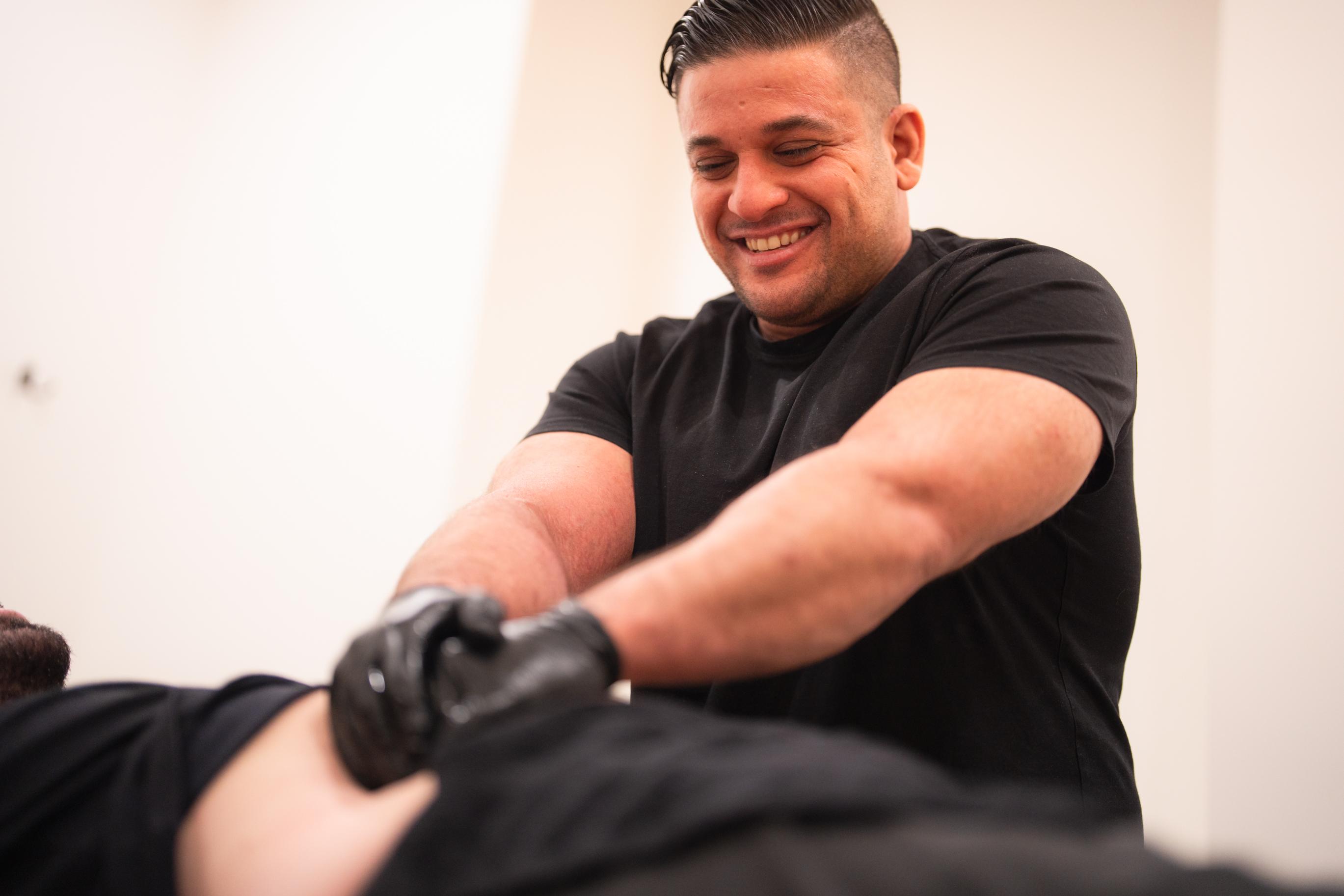
Dr. Adam Gvili, PT, DPT- Founder of Pelvis NYC, One of the Best Physical Therapists in New York City

“Physical therapy isn’t just about recovering from injury—it’s about enhancing movement, reducing pain, and improving quality of life. My goal is to provide personalized care that helps my patients achieve their highest level of function.” – Dr. Adam Gvili

Understanding the Importance of Physical Therapy

What is Physical Therapy?

Physical therapy (PT) is a medically guided approach to rehabilitating injuries, improving mobility, and managing pain. Licensed physical therapists like Dr. Adam Gvili use evidence-based techniques such as manual therapy, therapeutic exercises, and advanced modalities like dry needling and electrical stimulation.

Who Needs Physical Therapy?

If you’re dealing with any of the following conditions, physical therapy in NYC could be the solution:

  • Sports injuries (ACL tears, tendonitis, sprains)
  • Chronic pain (lower back pain, arthritis, sciatica)
  • Post-surgical rehabilitation
  • Workplace or accident-related injuries
  • Balance and mobility issues

Preparing for your first appointment is crucial, as it sets the stage for a comprehensive evaluation and personalized treatment plan.

The Role of Physical Therapy in Preventative Care

Physical Therapists in New York City

What to Look for in a Physical Therapist

Finding the right physical therapist is crucial for effective treatment and recovery. Start by looking for a professional with extensive experience in treating conditions similar to yours. Check their credentials, including education, licensure, and certifications, to ensure they are highly trained and knowledgeable about the latest research and treatment techniques. It’s also important to consider their approach to care; a good physical therapist will prioritize one-on-one attention and adopt a holistic approach to treatment. Reading reviews and asking for referrals from friends, family, or healthcare professionals can also help you find a physical therapist with a reputation for providing exceptional care.

Why Choose Pelvis NYC for Your Physical Therapy Needs?

As a leading physical therapy clinic, PelvisNYC, under the direction of Dr. Adam Gvili, offers specialized treatments for a wide range of conditions. Whether you’re dealing with chronic pain, recovering from surgery, or seeking to improve your athletic performance, Dr. Gvili and his team provide expert, patient-centered care.

Pelvis NYC is recognized as a top physical therapy practice, known for its patient-centered care and commitment to excellence.

Benefits of Physical Therapy in New York City

1. Injury Prevention and Recovery

New Yorkers are always on the go, which increases the risk of injuries. Physical therapy helps you recover from injuries faster while reducing the chances of re-injury.

2. Pain Management Without Medication

Many people turn to painkillers for relief, but physical therapy offers a natural, long-term solution by addressing the root cause of pain.

3. Improved Mobility and Flexibility

Whether you’re an athlete, a dancer, or someone recovering from surgery, PT helps restore movement and flexibility.

4. Personalized Care Plans

Unlike generic workout routines, physical therapists create customized treatment plans based on your unique condition and goals. Dr. Adam Gvili ensures that every patient receives tailored exercises and treatments to maximize their recovery.

5. Enhanced Performance for Athletes

From marathon runners to weekend warriors, physical therapy helps athletes optimize their performance and recover from injuries.

Located in Midtown Manhattan, Pelvis NYC offers convenient access to top-notch physical therapy services for athletes and active individuals.

Types of Physical Therapy Treatments

Physical therapy treatments are tailored to meet individual needs and goals. Common types of treatments include:

  • Manual Therapy: This hands-on approach involves techniques like massage, joint mobilization, and soft tissue mobilization to alleviate pain and improve function.
  • Exercise Therapy: Personalized exercise programs are designed to enhance strength, flexibility, and range of motion.
  • Modalities: The use of heat, cold, electrical stimulation, and other agents to promote healing and reduce pain.
  • Education: Teaching patients about proper posture, body mechanics, and injury prevention techniques.
  • Sports Performance Training: Specialized programs aimed at enhancing athletic performance and reducing the risk of injury.

Physical Therapy for Specific Conditions and Injuries

Physical therapy is a versatile treatment option for a wide range of conditions and injuries, including:

  • Orthopedic Conditions: Such as osteoarthritis, tendonitis, and ligament sprains.
  • Neurological Conditions: Including stroke, spinal cord injury, and Parkinson’s disease.
  • Cardiovascular Conditions: Such as heart failure and coronary artery disease.
  • Sports Injuries: Including ACL tears, concussions, and shin splints.
  • Chronic Pain: Physical therapy can help manage chronic pain and improve overall quality of life.

Physical Therapy and Wellness Programs

Physical therapy and wellness programs are designed to promote overall health and well-being. These programs may include:

  • Fitness Classes: Such as Pilates, yoga, and group exercise classes.
  • Wellness Workshops: Educational sessions on topics like nutrition, stress management, and mindfulness.
  • Injury Prevention Programs: Designed to reduce the risk of injury and improve overall physical function.
  • Sports Performance Training: Programs aimed at enhancing athletic performance and reducing the risk of injury.
  • Occupational Therapy: Helping individuals develop skills for daily living and work.

By incorporating physical therapy and wellness programs into your routine, you can improve your overall health and well-being, reduce your risk of injury and chronic disease, and enhance your quality of life.

How to Book a Session in Pelvis NYC

If you’re experiencing pain, stiffness, or recovering from an injury, finding a trusted physical therapist in New York City and preparing for your first appointment is your first step toward healing. Pelvis NYC offers free 15-min teleconsultation to assess your needs and create a personalized treatment plan.

Steps to Get Started:

  1. Search for “physical therapy in NYC” and read patient reviews.
  2. Call Pelvis NYC or another top-rated clinic to ask about availability, insurance, and services.
  3. Schedule an initial evaluation with Dr. Adam Gvili to discuss your condition and goals.
  4. Follow through with your treatment plan and stay consistent for optimal results.

Conclusion: Take the First Step Toward Pain-Free Living

Whether you’re recovering from an injury, managing chronic pain, or looking to improve your athletic performance, physical therapists in New York City offer a solution tailored to your needs. With top-rated clinics like Pelvis NYC and expert therapists like Dr. Adam Gvili, there’s no reason to let pain hold you back.

Book your physical therapy consultation with Dr. Adam Gvili at Pelvis NYC today and take the first step toward a healthier, pain-free life!

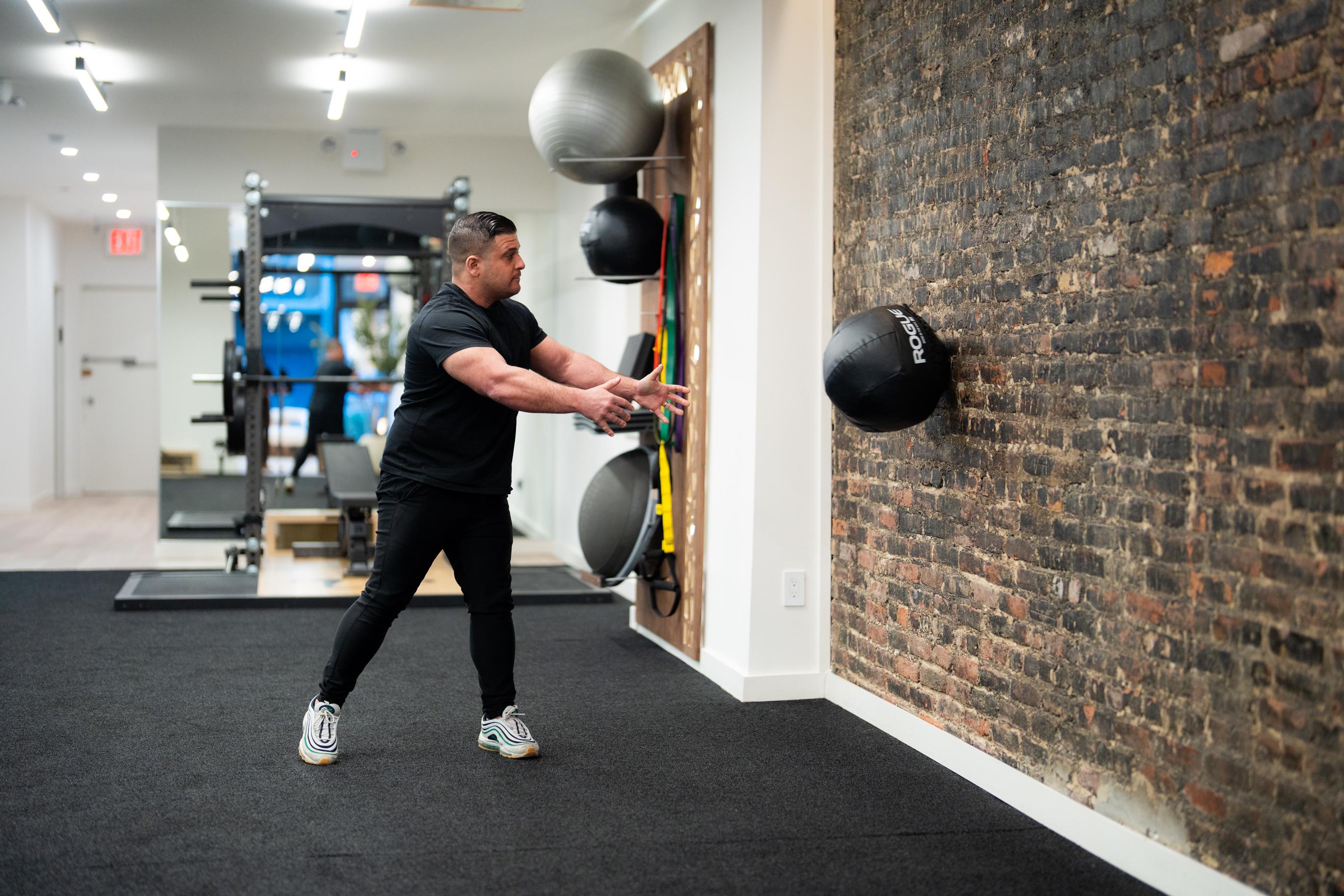
How My Journey to Pelvic Pain Led Me to Become a Physical Therapist?

How My Journey to Pelvic Pain Led Me to Become a Physical Therapist?

Hey there, fellow! Today, I want to share a deeply personal journey with you—one that took me from being a pelvic pain sufferer to becoming a passionate physical therapist specializing in this field. It’s a story of resilience, determination, and a burning desire to help others who are facing similar challenges. So, grab a seat and join me as I unveil how my own experience with pelvic pain paved the way for a meaningful career in physical therapy.

My Struggles with Pelvic Pain

Let’s rewind the clock a bit. Pelvic pain was something that unexpectedly entered my life, causing confusion, frustration, and a lot of discomfort. I experienced the sharp twinges, the persistent aches, and the impact it had on various aspects of my life. But amidst the struggle, I discovered an inner strength and a burning curiosity to understand more about this often misunderstood condition.

The Path to Understanding Pelvic Pain

Driven by my own experiences, I embarked on a journey of exploration. I delved into the depths of research, sought guidance from knowledgeable healthcare professionals, and connected with fellow pelvic pain warriors. The more I learned, the more I realized the power of physical therapy in addressing and alleviating pelvic pain. It ignited a passion within me to make a difference and offer support to others who were enduring a similar path.

Becoming a Physical Therapist

Armed with a newfound sense of purpose, I made the decision to pursue a career in physical therapy with a specialization in pelvic health. It was a transformative experience, as I dedicated myself to acquiring knowledge, honing my skills, and gaining firsthand clinical experience. But what truly fueled my drive was the desire to be a beacon of hope for individuals suffering from pelvic pain. I want to guide them toward relief, restoration, and a better quality of life.

Helping Others Find Relief for Pelvic Pain

Now, as a dedicated physical therapist in the field of pelvic health, my mission is clear. This is to support individuals in their own journey to overcome pelvic pain. I combine my personal insights, clinical expertise, and compassionate approach to create personalized treatment plans tailored to each person’s unique needs. Witnessing the transformation and the positive impact physical therapy can have on my patients’ lives is incredibly fulfilling.

A Message of Hope

To all the guys out there struggling with pelvic pain, I want you to know that you’re not alone. There is hope, and there are resources available to help you navigate this challenging journey. Whether it’s through pelvic floor exercises, manual therapy, lifestyle modifications, or a combination of approaches, the path to relief is within reach.

Conclusion

My personal journey with pelvic pain propelled me toward a purpose-driven career as a physical therapist. Through my own experiences, I found a passion for helping others on their path to overcoming pelvic pain. Remember, you have the strength within you to face this challenge head-on. Seeking professional guidance can make all the difference.

For other concerns, questions, or inquiries, don’t hesitate to visit us at www.pelvis.nyc. Together, let’s walk this path, supporting one another, and fostering a community of healing, understanding, and empowerment.

Related blog: How Physical Therapy Can Help Relieve Pelvic Pain?

Guide to Physical Therapy: What You Need to Know

Guide to Physical Therapy: What You Need to Know

What Is Physical Therapy?

Physical therapy is a recognized medical treatment performed by licensed professionals that focuses on restoring movement, reducing pain, and improving overall function.

At its core, it’s not just about exercise—it’s about how your body moves, compensates, and adapts. Physical therapy also helps in developing fitness and promoting active lifestyles, supporting individuals in maintaining mobility and overall health.

A licensed physical therapist evaluates:

  • Movement patterns
  • Muscle imbalances
  • Joint limitations
  • Nervous system involvement

They help patients manage symptoms related to injuries or chronic conditions.

👉 Then builds a targeted treatment plan, not a generic workout.

You might be interested in reading: Physical Therapy for Men: FAQ’s Answered

Who Can Benefit from Physical Therapy?

Physical therapy isn’t just for injured athletes—it’s for anyone dealing with:

  • Chronic pain (back, neck, pelvic pain)
  • Post-surgical recovery
  • Sports injuries
  • Postural problems
  • Brain injuries (such as stroke or traumatic brain injury)
  • Pelvic health issues (including urinary incontinence, often overlooked in men)

💡 Clinical insight: Many patients wait too long before seeking PT. Early intervention often reduces recovery time and prevents chronic issues.

Types of Physical Therapy

physical therapy

Physical therapy services encompass a wide range of specialized areas, each designed to address specific patient needs and promote optimal health. A core focus across all types of physical therapy is the assessment and improvement of functional movement, which is essential for restoring mobility, preventing injury, and supporting overall well-being.

Physical therapy includes several specialized areas:

  • Orthopedic physical therapy: Focuses on musculoskeletal injuries and conditions, such as fractures, sprains, and post-surgical rehabilitation.
  • Neurological physical therapy: Addresses disorders of the nervous system, including stroke, spinal cord injuries, and Parkinson’s disease.
  • Pediatric physical therapy: Specializes in treating infants, children, and adolescents with developmental, neuromuscular, or skeletal issues.
  • Geriatric physical therapy: Tailored specifically to the needs of older adults, this specialty manages age-related conditions like arthritis, osteoporosis, and balance disorders, aiming to improve health, independence, and quality of life as individuals experience age-related physical decline.
  • Cardiopulmonary physical therapy: Helps patients recover from heart and lung conditions, such as chronic obstructive pulmonary disease (COPD) or after cardiac surgery.
  • Sports medicine: Provides specialized physical therapy and rehabilitation for athletes, focusing on sports-related injuries, injury prevention, and performance enhancement.

These physical therapy services are delivered by licensed professionals who develop individualized treatment plans to restore movement, reduce pain, and support recovery across various specialties.

Orthopedic Physical Therapy

Orthopedic Physical Therapy focuses on the musculoskeletal system, including bones, muscles, ligaments, tendons, and joints.

Treats:

  • Muscle strains
  • Joint injuries
  • Neck pain
  • Post-surgical rehab

Neurological Physical Therapy

Helps conditions like:

  • Stroke
  • Parkinson’s disease
  • Spinal cord injuries
  • Brain injuries (such as traumatic brain injury)

Neurological physical therapy is designed for individuals with neurological disorders, such as stroke, Parkinson’s disease, and multiple sclerosis, to improve movement and function.

Cardiopulmonary Physical Therapy

Cardiovascular and Pulmonary Physical Therapy

Focuses on:

  • Heart disease
  • Lung conditions (e.g., COPD)

Cardiovascular and pulmonary physical therapy helps patients with heart and lung conditions improve their heart and lung function, physical endurance, and functional independence, especially after surgeries or chronic illnesses. This specialty is essential for individuals recovering from cardiac or pulmonary events, as it aims to restore optimal function and enhance quality of life.

Sports Physical Therapy

Sports physical therapy is specialized for athletes to treat sports-related injuries and optimize performance. It is designed for:

  • Injury prevention, using specific exercises tailored to each athlete to prevent injury and aid in recovery
  • Performance optimization
  • Return-to-sport rehab

🔥 Pelvic Floor Physical Therapy (Underrated for Men)

physical therapy

Targets:

  • Pelvic pain
  • Erectile dysfunction
  • Core instability
  • Urinary incontinence

Physical therapy, particularly pelvic floor rehabilitation, can help manage urinary incontinence, especially in older adults and women, by addressing pelvic floor dysfunction and strengthening the muscles involved in bladder control.

💡 Clinical insight:Pelvic floor dysfunction is often misdiagnosed. Many men treated for “back pain” actually have underlying pelvic floor involvement.

Key Benefits of Physical Therapy

✅ Pain Reduction

Uses:

  • Manual therapy: Techniques such as massage, joint mobilization, and heat/cold therapies are commonly used in physical therapy to treat chronic or acute pain at its source. These interventions help reduce pain and relieve pain, supporting pain management and improving overall function.
  • Movement correction
  • Nervous system regulation

✅ Faster Injury Recovery

Restores mobility

Physical therapy is essential for restoring mobility after an injury. Stretching routines and joint mobilization help resolve stiffness and restore a full range of motion that may have been lost due to surgery or inactivity. Targeted exercises and stretches improve flexibility and joint mobility, helping patients regain the ability to move normally. These interventions also promote healing, allowing individuals to return to their daily activities more quickly.

Prevents compensation patterns

✅ Improved Performance

  • Fixes movement inefficiencies

Physical therapy identifies and corrects inefficient movement patterns that can lead to pain or injury. By analyzing your posture, gait, and functional movements, therapists develop personalized plans to address weaknesses or imbalances. This not only reduces the risk of future injuries but also helps in developing fitness, which is a key part of improving overall performance and maintaining mobility throughout life.

  • Enhances strength + coordination

Through targeted exercises, physical therapy builds muscle strength and improves neuromuscular coordination. Techniques like massage and targeted movement are also used to increase blood flow to injured areas, delivering essential oxygen and nutrients that speed up tissue repair. This comprehensive approach ensures you move more efficiently and with greater control, supporting both rehabilitation and long-term health.

✅ Long-Term Prevention

  • Addresses root cause—not just symptoms

💡 Clinical insight:Pain often comes from poor movement patterns—not just tissue damage. By identifying and correcting these underlying issues, physical therapy helps prevent injury and reduces the risk of future re-injury, supporting long-term health and mobility.

What Happens During a Physical Therapy Session?

Your first session includes:

  • An initial conversation where the physical therapist uses strong communication skills to build rapport, ensure you understand the process, and facilitate shared decision-making.
  • A thorough assessment, including examinations and evaluations, to determine your specific needs. This helps the physical therapist develop a management plan that addresses your unique impairments and functional limitations.
  • Discussion of your medical history, current symptoms, and goals for therapy.
  • Collaboration with other health care professionals, such as doctors, nurses, or occupational therapists, to ensure you receive comprehensive care tailored to your condition.
  • Education about your condition and what to expect from physical therapy.
  • A portion of the session may focus on helping you manage symptoms like pain, stiffness, or instability, as well as introducing exercises or techniques to improve your function.

1. Evaluation

  • Medical history
  • Movement assessment
  • Functional movement assessment
  • Strength + mobility testing

2. Treatment Plan Creation

Customized based on:

  • Your goals
  • Your limitations

3. Treatment Sessions

May include:

  • Targeted exercises
  • Manual therapy
  • Postural correction
  • Modalities such as heat therapy, cold therapy, ultrasound, or electrical stimulation (therapists use these to manage swelling and inflammation)

💡 Pro tip: The best results happen when therapy continues outside the clinic, not just during sessions.

The Role of a Physical Therapist

physical therapy

A physical therapist is trained to:

  • Diagnose movement dysfunction
  • Identify root causes of pain
  • Design progressive rehab programs

Physical therapists work with patients in both inpatient hospital settings and outpatient clinics, providing physical therapy services that focus on restoring movement, reducing pain, and supporting recovery. These services are often delivered in collaboration with other health care professionals, including medical doctors. While medical doctors have broader diagnostic and treatment capabilities, such as prescribing medications and performing surgeries, physical therapists specialize in rehabilitation and movement therapies to help patients regain function.

They don’t just treat symptoms—they answer: 👉 “Why is this happening in the first place?”

Physical Therapy Education: Training, Credentials, and Expertise

Becoming a physical therapist requires a rigorous educational journey designed to produce highly skilled health care professionals. Most physical therapists begin by earning a bachelor’s degree, often in health sciences or a related field, before entering a Doctor of Physical Therapy (DPT) program. These physical therapy programs, accredited by the American Physical Therapy Association (APTA), typically last three years and combine classroom learning with hands-on clinical practice.

Physical therapy education covers movement science, anatomy, patient assessment, and a wide range of physical therapy treatments. After graduation, physical therapists must pass a national licensure exam and meet state-specific requirements to practice. This ensures that all licensed physical therapists are equipped to deliver safe, effective care.

Physical therapist assistants (PTAs) also play a crucial role in patient care. PTAs complete accredited associate’s degree programs and work under the supervision of physical therapists to help implement treatment plans and support patient progress.

Both physical therapists and PTAs are committed to lifelong learning, regularly participating in continuing education to stay current with advances in clinical practice and health care. This dedication to expertise ensures patients receive the highest standard of care throughout their recovery journey.


Occupational Therapy vs. Physical Therapy: What’s the Difference?

While both occupational therapy and physical therapy aim to help patients regain independence and improve their quality of life, their approaches and areas of focus differ. Occupational therapy is centered on enabling people to perform everyday activities—like dressing, cooking, or returning to work—despite physical, cognitive, or emotional challenges. Occupational therapists often work with individuals recovering from injuries, living with developmental disabilities, or managing chronic conditions that affect daily living.

Physical therapy, on the other hand, focuses on restoring and enhancing physical function, mobility, and strength. Physical therapists specialize in areas such as orthopedic, neurological, and sports physical therapy, using targeted interventions to manage pain, promote healing, and prevent future injuries. For example, sports physical therapy helps athletes recover from sports injuries and return to peak performance, while neurological physical therapy supports those with conditions like stroke or multiple sclerosis.

Although occupational therapy and physical therapy are distinct professions, they often collaborate as part of a multidisciplinary team. By working together, they develop comprehensive treatment plans that address both the physical and functional needs of each patient, ensuring the best possible outcomes.


Why Active Participation Matters

Physical therapy is not passive.

Active participation in physical therapy helps support active lifestyles by encouraging regular movement, developing fitness, and maintaining long-term health.

Patients who improve fastest:

  • Follow home programs
  • Stay consistent
  • Communicate openly

🚫 Common mistake:Doing exercises incorrectly or inconsistently—which can delay progress.


Physical Therapy for Men (Your Competitive Edge Section)

Men often ignore issues like:

  • Pelvic pain
  • Erectile dysfunction
  • Core weakness
  • Urinary incontinence

But these are frequently linked to: 👉 Pelvic floor dysfunction

Physical therapy can help by:

  • Improving blood flow
  • Restoring muscle coordination
  • Reducing tension in the pelvic region
  • Managing urinary incontinence, especially when related to pelvic floor dysfunction

💡 Clinical insight: Tight pelvic floor muscles can be just as problematic as weak ones—yet most programs only focus on strengthening.

Wound Management and Physical Therapy

Wound management is an essential component of physical therapy, especially for patients with chronic conditions or those recovering from surgery. Physical therapists are trained to assess and treat a variety of wounds, using evidence-based techniques to promote healing and prevent complications.

Manual therapy, ultrasound therapy, and electrical stimulation are just a few of the physical therapy treatments used to enhance blood flow, decrease pain, and accelerate tissue repair. Physical therapists also educate patients on proper wound care, including how to change dressings, maintain hygiene, and use assistive devices like compression garments or orthotics to support healing.

By integrating wound management into the overall treatment plan, physical therapists help patients recover more efficiently, reduce the risk of infection, and improve long-term patient outcomes. Their expertise not only helps wounds heal but also empowers patients to take an active role in their recovery and maintain their health in everyday life.

Physical Therapy Covered by Insurance

Health insurance, including Medicare, often covers physical therapy services when medically necessary. The cost of physical therapy varies depending on your insurance coverage and the facility you choose. Insurance typically covers physical therapy, but the extent of coverage can vary based on the facility and the number of visits allowed. Medicare covers physical therapy, but there is a limit on the number of sessions covered, so it’s important to check your coverage beforehand.

Before starting:

  • Check session limits
  • Understand co-pays
  • Confirm provider coverage

FAQs

Q: How long does physical therapy take?
A: Typically 4–12 weeks, depending on the condition.

Q: Does physical therapy hurt?
A: Some discomfort is normal, but treatment should not worsen symptoms.

Q: Can physical therapy replace surgery?
A: In many cases—yes, especially for musculoskeletal issues.

Q: What are the educational requirements to become a physical therapist?
A: To become a physical therapist in the U.S., you must first complete a bachelor’s degree, then earn a physical therapy degree by graduating from a Doctor of Physical Therapy (DPT) program, which usually takes about three years. The DPT program must be an accredited program recognized by the Commission on Accreditation in Physical Therapy Education (CAPTE). After completing your education, you must pass a licensing exam to practice as a physical therapist in your state.

Q: Where can I find information about job outlook and salaries for physical therapists?
A: Authoritative sources like the Bureau of Labor Statistics and the Occupational Outlook Handbook provide up-to-date labor statistics, including employment numbers, salary ranges, and projected job growth for physical therapists and related careers.

Final Thoughts

Physical therapy is not just about recovery—it’s about taking control of how your body functions for life.

If you’re dealing with pain, movement issues, or performance limitations, the right therapy program can be life-changing.

👉 Learn more at Pelvis NYC or explore our guide on pelvic floor therapy.

Why Is There A Need for Male Pelvic Floor Therapist?

Why Is There A Need for Male Pelvic Floor Therapists?

Male pelvic health still carries a stigma. Raising awareness about men’s pelvic health is crucial, as it addresses unique challenges and the need for targeted treatment for men. Men’s needs are often overlooked, leading to a lack of understanding and treatments specifically tailored for men. Thus, Pelvis NYC was born out of necessity. When Dr. Adam Gvili, founder of Pelvis NYC – a male pelvic floor therapist, experienced pelvic floor dysfunction and did not get all the help he deserved, he decided to treat men’s pelvic floor as a male.

Male pelvic floor therapists are specially trained to focus on male health concerns, providing the specialized care and attention that men deserve. They can also help address specific issues such as male pelvic pain and pelvic floor issues, which can impact everyday activities and require specialized treatment.

Pelvic Health

The pelvic floor is a group of muscles and connective tissues that support the bladder and sexual organs. The pelvic floor muscle function is crucial for supporting these organs and maintaining their proper function. It is also part of the core muscles, which work together to provide stability and support for the pelvis and lower back.

Additionally, pelvic floor muscle function is essential for maintaining bowel and bladder control, helping to prevent incontinence. The pelvic floor plays a key role in supporting organ function and overall pelvic health. These muscles can become weak or damaged due to many factors. As a result, men may experience problems with urinary or bowel incontinence, sexual dysfunction, or pain in the pelvis or lower back.

Pelvic Floor Therapy

Male pelvic floor therapists are an essential part of pelvic health because they can provide care specifically tailored for male patients. Pelvic health therapy is a specialized approach for men, addressing a wide range of pelvic floor dysfunctions and restoring function, control, and confidence. The male pelvis is different from the female pelvis, so it’s important to have someone who understands the male anatomy. Male pelvic floor therapists specialize in treating male-specific conditions, such as erectile dysfunction.

During the first visit, the therapist will conduct a comprehensive assessment, including a review of your health history and medical history. This initial consultation helps identify underlying causes and allows the therapist to develop a personalized treatment plan aimed at addressing your specific pelvic health concerns and restoring balance.

They can help men to strengthen their pelvic floor muscles, which can improve urinary control and sexual function. Pelvic floor muscle exercises, also known as Kegel exercises, can help improve bladder control, prevent incontinence, and potentially enhance sexual performance and pleasure.

Pelvic Floor Dysfunction

Dysfunction of the pelvic floor occurs when there is difficulty coordinating the pelvic floor muscles, resulting in issues like urinary or bowel incontinence, difficulty emptying, urinary frequency, chronic pain, hip pain, and other related problems. Weakened pelvic floor muscles can also be a significant concern, and male pelvic floor therapists can help treat this condition through daily routine exercises, education, and building helpful habits.

Male pelvic floor therapists can provide education and support to men who are dealing with prostate issues, have undergone radical prostatectomy, or are experiencing other chronic health conditions. It is important to note that without proper assessment and individualized treatment, some exercises may make symptoms worse, such as increasing bladder urgency or pelvic pain. By working with a male pelvic floor therapist, men can take steps to improve their overall health and well-being.

Common Conditions and Treatment

Pelvic floor physical therapy is a highly effective approach for addressing a wide range of male pelvic health conditions. Many men experience pelvic floor dysfunction, erectile dysfunction, chronic pelvic pain, or urinary incontinence at some point in their lives, and these issues can have a significant impact on daily activities and overall well-being. With the expertise of physical therapists specializing in pelvic health physical therapy, men can receive personalized treatment plans designed to target their specific symptoms and needs.

Some of the most common conditions treated with pelvic floor physical therapy include:

  • Erectile dysfunction: The pelvic floor muscles play a crucial role in erectile function. Weakness or poor coordination in these muscles can contribute to erectile dysfunction, but targeted exercises and manual therapy can help restore strength and improve sexual health.
  • Chronic pelvic pain: Persistent pain in the pelvic region can be debilitating and affect quality of life. Pelvic floor physical therapy addresses muscle tightness, connective tissue restrictions, and nervous system imbalances to reduce pain and discomfort.
  • Urinary incontinence: Issues with bladder control, often following prostate surgery or due to pelvic floor muscle weakness, are common in men. Pelvic floor physical therapy can help improve bladder control and reduce symptoms of urinary incontinence.
  • Bowel dysfunction: The pelvic floor muscles are also essential for healthy bowel movements. Problems such as constipation or fecal incontinence can be managed through pelvic floor physical therapy, which focuses on strengthening and coordinating the pelvic floor muscles for better bowel control.

Treatment plans are tailored to each patient and may include:

  • Targeted exercises: Customized exercises to strengthen or relax the pelvic floor muscles, helping to restore normal function and reduce symptoms.
  • Manual therapy: Hands-on techniques such as massage, joint mobilization, and myofascial release to address muscle tightness and improve tissue mobility in the pelvic region.
  • Education: Guidance on understanding your condition, managing symptoms, and adopting healthy habits for long-term pelvic health, including proper techniques for bowel and bladder habits.
  • Behavioral modifications: Recommendations for lifestyle changes, such as avoiding heavy lifting, minimizing prolonged sitting, and improving posture, to support pelvic health and prevent symptoms from getting worse.

By addressing the underlying causes of male pelvic health issues and providing a comprehensive, personalized treatment plan, pelvic floor physical therapy can help reduce pain, improve bladder and bowel control, and enhance sexual function. If you are experiencing symptoms related to pelvic floor dysfunction, chronic pelvic pain, or other male pelvic health conditions, consulting with a healthcare provider or a physical therapist specializing in pelvic health can help you find relief and improve your quality of life.

Pelvic Floor Physical Therapy

Male pelvic floor therapists undergo special training to assess and treat pelvic floor dysfunction, making them highly skilled pelvic floor physical therapists. They can provide customized exercises and treatments to help improve the strength and function of the pelvic muscles. These treatments can include exercises to strengthen, relax, and stretch the pelvic floor muscles, addressing specific issues such as bladder control, incontinence, constipation, erectile dysfunction, and chronic pain. Therefore, men can enjoy improved bladder control, better sexual performance, and reduced pain.

Why Choose Us?

Dr. Adam Gvili is a physical therapist specializing in male health concerns who wants to end the gap in who should treat men. Since no one wants to go next with male genitalia, he specializes in male health concerns. He offers treatments for pelvic floor dysfunction, incontinence, and pain. He is also a certified Pilates instructor, which allows him to offer tailored Pilates programs to his patients. His unique combination of skills and experience makes him uniquely qualified to treat men’s pelvic floor problems.

male pelvic floor therapist

Our clinic is a thriving one to makes every client feel at home as we help them improve their symptoms. For a consultation with Dr. Adam Gvili, contact Pelvis NYC today to schedule an appointment with a medical professional who listens to you, identifies the root of your symptoms, and designs the best treatment plan.

Related blog: Confessions of a Pelvic Floor Physiotherapist.

The Male Physiotherapist: An Interview with Dr. Adam Gvili, PT, DPT

Pelvic floor dysfunction affects more women than men, but MEN ARE AFFECTED TOO. Since most physiotherapists are focused on treating women, a lot of men are silently suffering, left untreated, misdiagnosed, and experiencing depression and anxiety. That is why a need with a Male Physiotherapist is essential.

In this interview between Simon Edward Smith of The Medical Journo on Youtube entitled Interview With Male Pelvic Specialist Dr. Adam Gvili, they have discussed below topics:

00:15Can you explain a bit about what you do?

Dr. Adam Gvili: I’m a physiotherapist as you know, in the States, right I’m here in New York City & my specialty is the male pelvic floor. I hope to treat females one day, but I’d like to focus solely on males for now.  I also treat orthopedically and treat a lot of athletes and I really enjoy treating in full spectrum. And the only population I don’t treat is pediatrics. Coz I think there are much better people out there that can focus on pediatrics than men.

So I treat a lot of females for orthopedic issues but I won’t treat them for the pelvic floor. Obviously, I’ll treat men for any issue. 

Simon Edward Smith: “Right and this is based out of New York, you’ve got a clinic there?

Adam: Yeah right in Manhattan.

Simon: How long have you had that for?

Adam: About two years now.

01:40Dr. Gvili’s experience with pelvic floor dysfunction 

Adam: I don’t know how much you know about me. I myself went through pelvic floor dysfunction a couple of years back. Maybe ten years ago, at that time there was nobody out there to treat it. Really, in terms of men treating men. Right there were females treating it, but having a conversation like ‘hey you know when you pee at the urinal and you get this weird feeling, oh wait you don’t pee at the urinal right?’. And you can probably relate to this topic.

It’s like a weird dead end that I couldn’t complete a plan of care. But luckily I did meet a woman who is really familiar with male anatomy. I can give her a lot of kudos and I did learn from her. One of the reasons I started on my own, was because I was like there are no males treating males and guys don’t like to talk about their penis that much and that is the truth.

Simon: Yeah so what are your experiences in pelvic pain?

Adam: So luckily I only had some pain like an occasional shooting pain. Sometimes into the rectum maybe two seconds and it goes away. It was just a hypertonic pelvic floor. So as a patient, I had some issues like weird erectile dysfunction, premature ejaculation. Muscles are so tight that it is constantly contracting around my prostate. And it’s almost a borderline persistent general arousal disorder.

And I remember the third physical therapy session got better. It pushes the right buttons so I think that was what it was.

03:18 Dr. Gvili’s treatment of his pelvic pain 

Simon: What would you do in a physiotherapy session to recover so quickly?

Adam: So we didn’t do much movement base stuff which is kinda I think what is needed to speed up the process but what I did appreciate was this certain individual did a lot of internal and that’s part of my practice as well. I do a lot of internal. I’m gonna kick that taboo on the side. Guys treating guys.

I think even orthopedic clients need that therapy with touch to get that therapeutic effect right. I need to tone down your system. If that is the case, most of my guys have had a hypertonic pelvic floor. I treat mostly an average of 20 to 40, we had the outliers but I used it to tone down the system first before trying to get you engaged or to believe that this is gonna work. Because by the time you’ve gotten to me, you’ve seen so many practitioners that have run you down some rabbit hole. Googling and thinking that you have a terminal disease so I have to calm you down a bit and the way to do that is by internal.

04:31The taboo over male-treating-male treatment 

Simon: You said that there was a taboo with men treating men. Do you find that in the US then?

Adam: Totally! And it’s funny! Because when you speak to practitioners in the UK and Australia who are light years ahead of the US. We’re practitioners and we’re here to get people better and that’s our goal. And that has nothing to do with gender. But for some reason when you speak to people coming out of school or people that might be interested in specialties. They hear what you do and ‘oh I can never do that’ those were the usual answers that follow and you do get that a lot.

05:15The influence of A Headache In The Pelvis

Simon: You’ve heard of a headache in the pelvis? Well, that’s all internal. Not all of it actually no that’s wrong but some of it is internal isn’t it. And that was crazy in the US. I was quite surprised that it is such a big book within the physiotherapy world. I’m surprised it’s not just common being accepted into the practice.

Adam: It’s such a big one in the physiotherapy practice.

Simon: It’s such a big-known book that I’m surprised that there is a bit of an issue around men treating men.

Adam:  So it’s interesting I do give Dr. Wise a huge kudos because they kind of got this whole movement started. If you really think about it, especially for males. I’ve had a wand and I used it. I’m not the biggest fan of it. But I mean internals out there for some reasons it’s still a taboo right.

Like when I took my first men’s pelvic floor course. I remember it was a two or three-day course either way we spent a good two hours or an hour and a half talking about what you do in a situation where a guy gets an erection. So it was more geared towards women feeling comfortable treating men as opposed to just how do we diagnose and treat men. Even within the female kind of sector, there was a taboo here like oh what do we do right.

06:59What name would you give to this condition?

Simon: What name would you give to this coz there’s a lot of debate of groups over what terminology people should use. But you know coming from actually from the field what would you call it?

Adam: Yeah it’s tricky because have you heard of sciatica?

Simon: Yeah that’s the nerve down the thigh.

Adam: Yeah it’s actually at the back of the leg.

Adam: Sciatica or it can be in your spine it could be coming along that pathway. Like pelvic pain, we have an umbrella term, we kinda branch out from there. So I don’t necessarily know if I would rename it because it depends on someone’s symptoms and it depends on it being a multi-fast issue we don’t know what’s going on. I think the biggest disservice we have done so far is diagnosing people with stuff we’re not sure they have.

Simon: Right, such as an inflamed prostate.

Adam: What the h*** does it even mean?

Adam: No seriously I’m a little more animated than your average physical therapist. But what the h*** does that even mean. I have a leading urologist in New York City referring me to clients. Thankfully, I’m very thankful for that. But how can I feel an inflamed prostate? You can’t feel if it’s baggy but can I tell if it’s really inflamed. I’ve touched many prostates. I don’t know if that’s necessarily true. Can I be honest? It could be wrong.  Maybe I’m feeling but I’m telling you what I think. or I mean I have this theory that specifically in the US but I don’t know it is in the UK but we over medicalize here. We definitely over medicalize. We diagnose, the reason why we have to diagnose is so we get paid by the insurance 

I never walk out of a doctor’s office saying we’re not really sure what it is just do this, and this. And we’re always looking for an answer for some reason. How do we know it’s necessarily the pelvic floor and it’s a hip issue? How do we know it’s not a low back issue? So many things can cause the said symptoms. That I think we do some disservice, let’s say it’s for sure like this when we don’t have enough research. Majority of those diagnoses that you’ve heard 

09:42 The problem with giving it a name 

Simon: Yeah! Cole Monahan mentions that giving a diagnosis can be a bit definitive and not really help the situation. Like you said that there are so many different symptoms coming from different places and it’s hard to classify them.

Adam: Totally! And then I’ve had people who have had a one-night stand and said it happens after that. I never had sex before and they tell me they have these symptoms. So when that happened the first time. That person came to me and said I’m actually a virgin. I’ve never had oral sex either. But I have these symptoms. That was like someone shot me in the head. Because I was like we thought to believe that this could potentially be something that changed your urethral or bladder flora.

Whoa, so I’m always at the question mark and I think that it’s the exciting part about treating the pelvic floor that constantly comes up.

10:44Issues around internal treatment and trigger points 

Simon:  So I really want to ask what this internal treatment is? Do you say you’re not a massive fan of the wand? Is that because there are few different types? Is that the easy one, the magic wand?

Adam: It’s kind of like an S-shape. Like a small S shape. I’m not the biggest fan because… to go and search for trigger points, I don’t know how helpful that is. Also unless you’re sort of a Marvel DC Comic character when you have a long arm, or you actually can make it to put it in your butt. You might have a problem kind of relaxing certain muscles because you’re utilizing them in order to contract them to a certain position right.

Well that being said I’ll never tell someone not to do something. In most cases, I won’t say no to do something. So if that makes you feel better, do it.

Simon: So you’re using your finger then?

Adam: Yeah we use gloves.

Simon: You’re using your finger like a wand basically?

Adam: So am I looking for a trigger point or not? I have people that seem that don’t have that much tension in their pelvic floor but they go through all the gamma symptoms and everyone who does, has a high torn pelvic floor. So I’m not necessarily looking for trigger points. But something that says that I’m in the right area right. Especially the first session which is evaluation. I go around and try different things and I’ll tell my clients to text me the next two or three days and then I have a log two-three days and another two-three days until they come in. and we’ll see if that did work and we’ll stick with that a little bit and then when we are at the point where we’re stagnating then maybe we’ll switch to something else.

12:47​ Individual treatment for clients 

Simon: So what are these? Are you telling them to stretch? Or do they do the massage and set the internal massage themselves? What is it? Or just a combination of different methods?

Adam: Yeah, I don’t have cookie-cutter treatment. If it takes someone with a really high tone pelvic floor that kinda sits all day, and doesn’t move much. They would do really well, just kind of going out for a walk starting slow, deep squats. My favorite is deep squatting in your bathtub. I don’t know in the UK if you have traditional bathtubs, not sure if you do. Curve the edges on the side. 

 So you can deep squat with your back with supported heels down that curved the edges will further push you to the hip flexion. So what you’ll get is the opening of that perineum and adductor fascia. That’s my favorite kind of talk of almost everyone on their first visit just to see if we get a change because that is what we are looking for right. An active change.

Simon: It’s funny you say that. Because that is the position that I would do. The wand, that’s the exact position that is really helpful. That deep squat just pulls everything open. You can feel like releasing… come open… so I can certainly associate with that.

Based on the above conversations, we can feel how passionate Dr. Adam Gvili is in treating male pelvic floor disorders and how he works with them closely to improve their symptoms and normalize their pelvic floor.

Do you want to know more about a male physiotherapist and how Dr. Gvili treats his patients? Want to learn more tips and advice from an expert who experienced pelvic floor disorder himself? Watch out for our next blog.

Related Blogs: Physical Therapy for Men: FAQs Answered and Guide to Physical Therapy: What You Need to Know

Confessions of a Pelvic Floor Physiotherapist

pelvic health

I was in deep sadness, because of an unhealthy pelvic floor. Past tense because it was all in the past. Have you been searching for ways how to regain your pelvic health?

If YOU or you know ANYONE who has been suffering from pelvic floor dysfunction over the years. Please let them read this. Please share this with them.

Because they need to know what I’ve been through. And how my story can HELP them regain their pelvic health back for GOOD.

Here it is…

My pelvic pain issues made me a pelvic floor physiotherapist.

When I was going through my symptoms of a pelvic floor disorder, I remember feeling very bad for myself. I have experienced all the embarrassing signs of pelvic floor dysfunction.

  • Weak pelvic floor
  • Urinary incontinence
  • Fecal incontinence
  • Painful urination or defecation
  • Erectile dysfunction
  • Pain in the bladder or groin area

I tried to rationalize why someone like me who is a good person, would get such a terrible disease. And I also tried to play out every scenario in my head and think of what I could have done over so that I would not feel the pain and discomfort I was feeling. Weird things like my masculinity kept being called into question, I would second guess myself on routine tasks and I would feel less confident around familiar people. I remember crossing the street and thinking to myself “I bet you, he doesn’t have pelvic pain”. This all drove me mad!

Physicians I consulted with thought I was crazy. Every test they examined me for came back NEGATIVE!

Examinations include:

  • Digital rectal exam
  • Urinalysis
  • Blood tests
  • Radiology tests
  • Cystoscopy

They all concluded that it must be psychological, and I started to believe them. The issue with men’s pelvic pain is that it’s not tangible; no one can prove that you are feeling pain, neither can you. At some point in your journey, you start to ask yourself is my anxiety causing this? What came first, my anxiety or the pain? Did I even have anxiety prior to this? The truth is, it’s a double-edged sword if you are constantly trying to make sense of something in your head and you are feeling symptoms of that which you cannot make sense of, that is anxiety by mere definition. 

It wasn’t until I finally met a pelvic physical therapist focused on men’s pelvic health, who could finally validate my symptoms. And help me get out of pain and discomfort that I started to see the light at the end of the tunnel.

It took me 6.5 long years to finally get someone to listen to me and let me know that my symptoms are real and actually very much treatable.

I remember breaking down and crying at how happy I was.

This was now the beginning of a great journey and all my efforts up until this point have not been wasted. So many men have been through hell and back and have lost hope.

There are so many reasons as to why you haven’t gotten relief yet. In many cases I see clients that haven’t been pointed in the right direction for care. Sometimes it’s a urologist, gastroenterologist, colorectal specialist or even a PCP that didn’t know how to screen for pelvic pain. Other times it’s another pelvic floor therapist that didn’t know how to properly treat the cause of the symptoms. Whatever it is, know that it takes time to get help for a diagnosis with little to no research. Only now are we starting to see leading practitioners research this issue.

So don’t lose hope, remind yourself that you are doing everything in your power to get better and there is absolutely nothing you can do beyond that. Control the factors in your life that you can control.  Getting rid of pelvic pain is multifactorial, look at the whole picture.

  • Check your sleep cycle;
  • Water intake
  • Stress level
  • Activity level
  • Check your diet and vices

My only MISSION is to pay it forward.

Be that SOMEONE who listens. That SOMEONE who pays attention to your pain. And we are making it possible by creating a judgment-free community of MEN that support MEN, aiming to be free from pain and live their best life.

Feel free to join our EXCLUSIVE GROUP here CHRONIC PROSTATITIS, PELVIC PAIN & ALL THINGS MEN.

If you need someone to talk to, I am here to listen. I am here to tell you that it will GET BETTER.

I am also providing 15-minutes teleconsultation for FREE.

You can also hear my full story on how I overcome PELVIC FLOOR DISORDER here.