Hard Flaccid Syndrome Treatment That Works: My Journey to Finding Relief

Hard Flaccid Syndrome Treatment That Works: My Journey to Finding Relief

If you’re reading this, chances are you or someone you care about is dealing with Hard Flaccid Syndrome (HFS). Let me tell you, I know firsthand how frustrating and embarrassing this condition can be. The good news is that there are hard flaccid syndrome treatment options available that can help alleviate the symptoms.


Note: The first part of this blog story is written from the POV of one of our patients.

Introduction

When I first experienced Hard Flaccid Syndrome (HFS), I had no idea what was happening to my body. It seemed like nobody else was talking about this condition, and I didn’t know where to turn for help. I felt alone, confused, and embarrassed. However, through my research and conversations with our men’s group, I discovered a hard flaccid doctor who provides an effective hard flaccid syndrome treatment.

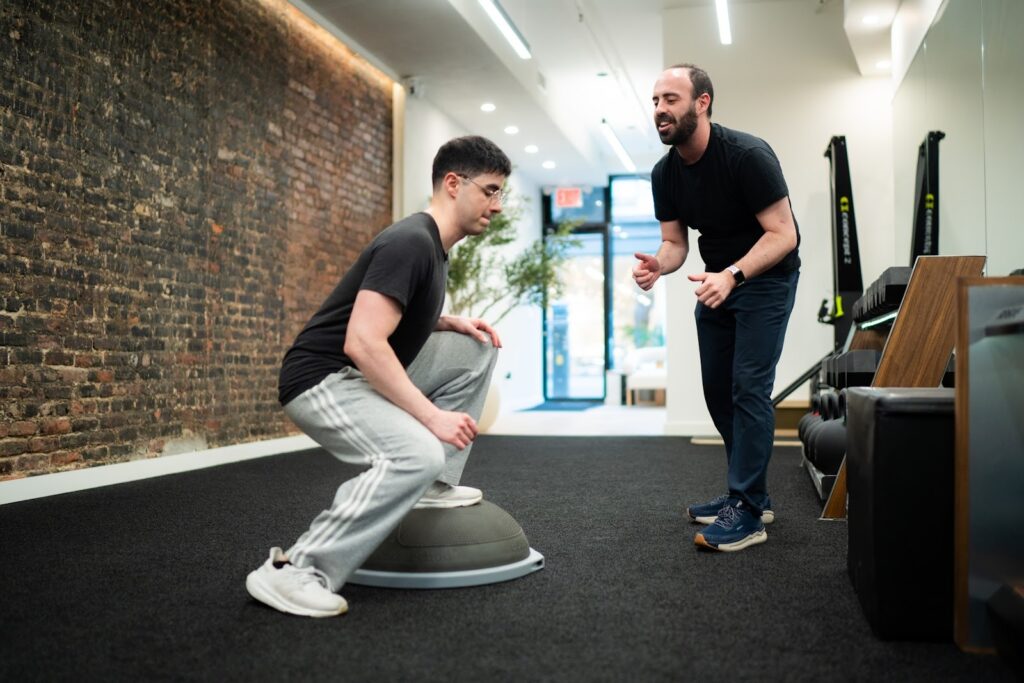
Whether you’re a man experiencing HFS or a partner looking to support someone who is, I want to provide you with the information and tools that were given to me by Dr. Adam Gvili– Doctor of Physical Therapy of Pelvis NYC. These help me find relief and reclaim my sexual health.

Hard Flaccid Syndrome Treatment Process

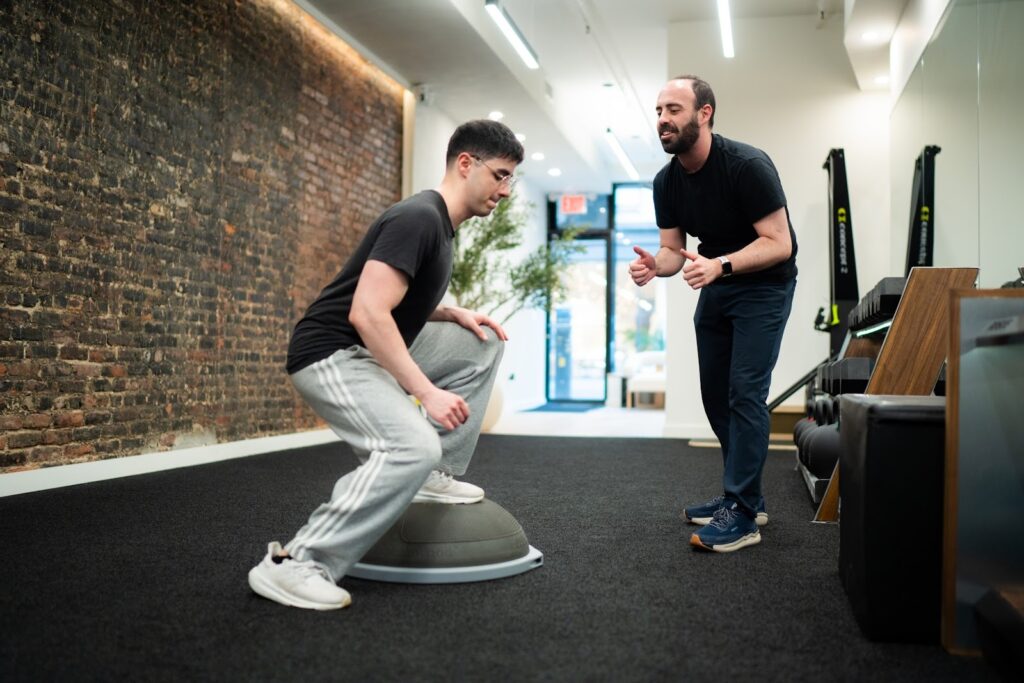
Before we start, I want to clarify that this treatment process was tailored to my needs by Dr. Gvili. Every treatment is different for every patient experiencing HFS. This is only a guide or preview of how physical therapy helps me regain my sexual potency.

  1. Assessment

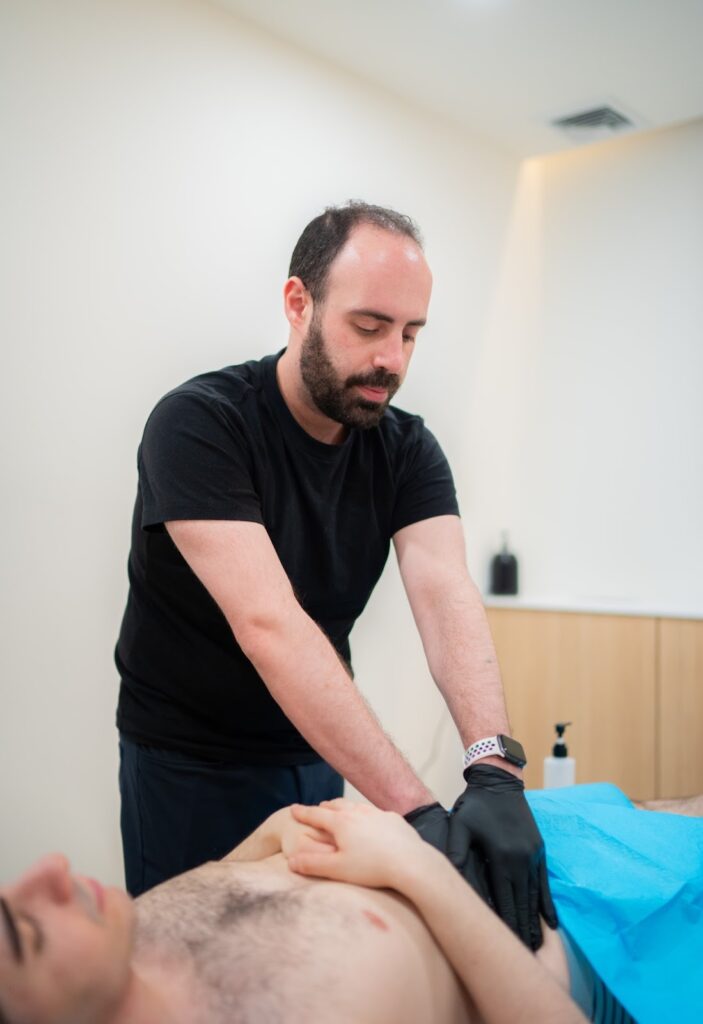
The first step that was given to me by Dr. Adam was to undergo an assessment. During this process, he examined my pelvic area and conducted a thorough interview to gather information about my medical history and symptoms.

  1. Muscle strengthening

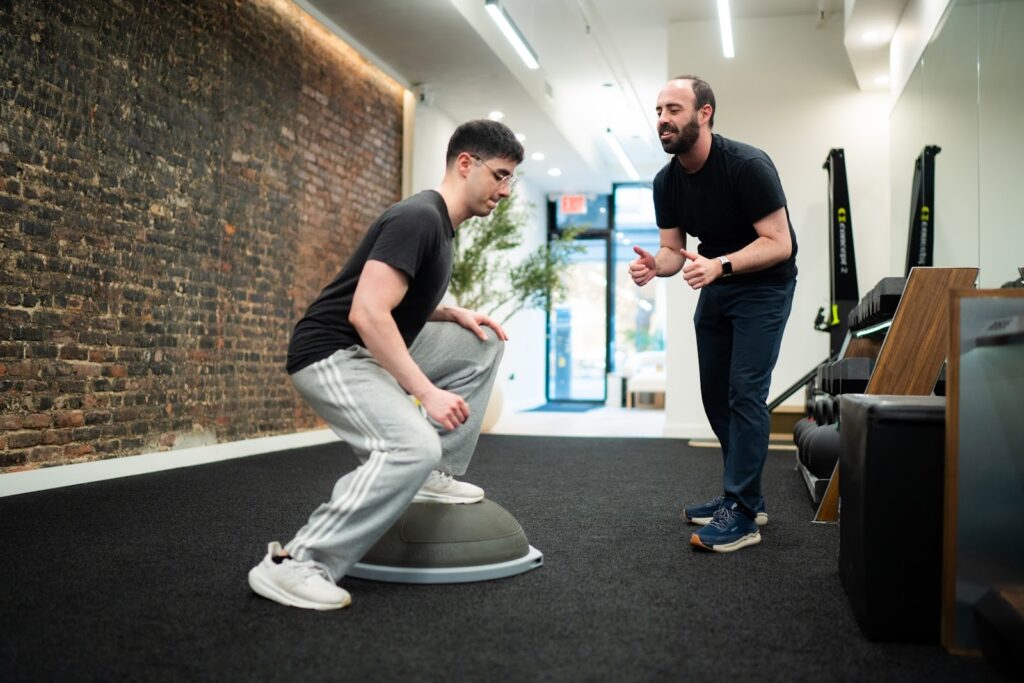
Since hard flaccid syndrome is caused by weakened pelvic floor muscles, he created a specific treatment plan for me. Dr. Gvili developed a personalized exercise plan to strengthen pelvic floor muscles and improve their function.

  1. Stretching

Tight or shortened muscles can also contribute to Hard Flaccid Syndrome. He also provides targeted stretches to help lengthen my muscles and reduce tension.

  1. Pain Management

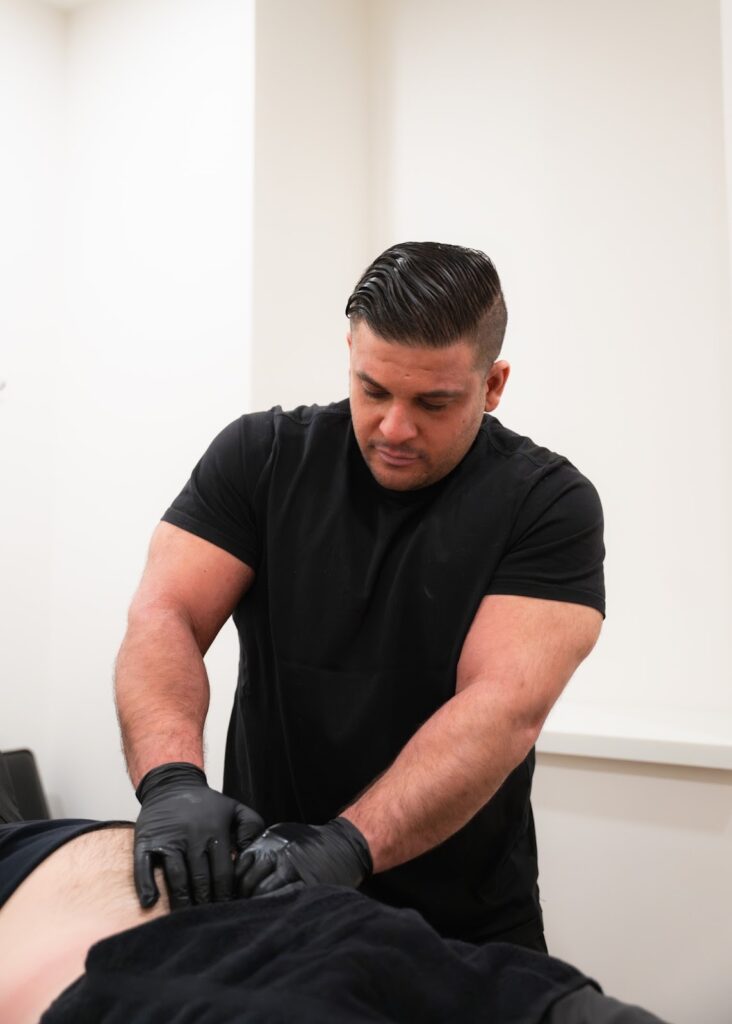
Aside from the common treatment process prescribed by him, he also helped me manage my pain through various techniques such as massage, heat therapy, and manual therapy. These are so refreshing!

  1. Lifestyle modifications

Lifestyle habits can also contribute to the development of Hard Flaccid Syndrome. According to Dr. Adam, making lifestyle changes may be necessary to manage this condition effectively. He guided me on diet, hydration, and other lifestyle factors that impact pelvic floor function.

Pelvis NYC for Hard Flaccid Syndrome Treatment

Dr. Adam Gvili can work with patients to identify underlying causes contributing to their symptoms. He is also knowledgeable in guiding how to make changes that can improve pelvic floor function.

Also, Dr. Adam Gvili uses a holistic approach to hard flaccid syndrome treatment by developing a comprehensive plan for managing their symptoms and improving their overall quality of life.

Schedule your appointment today!

Now, let’s get deeper into what Hard flaccid syndrome is and the treatments.


Hard Flaccid Syndrome Treatment

Hard flaccid syndrome treatment focuses on reducing pelvic floor muscle tension, calming the nervous system, and restoring normal blood flow and sensation. The most effective approach is typically pelvic floor–focused physical therapy combined with targeted pain management and lifestyle adjustments. While symptoms can feel persistent, many people improve significantly with the right care.


Hard Flaccid Syndrome

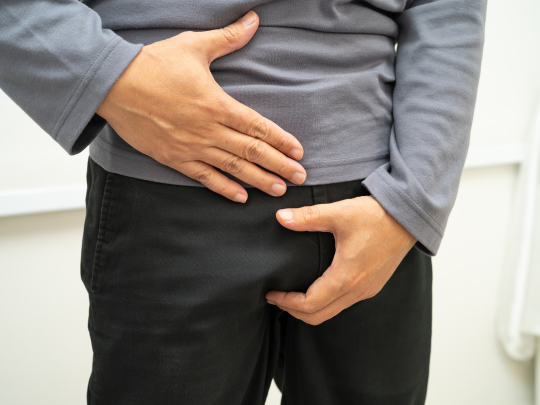
Hard flaccid syndrome (HFS) is a functional pelvic health condition where the penis feels semi-rigid or tense while flaccid and is often accompanied by pain, numbness, or changes in erectile quality.

Although not yet formally classified in major diagnostic manuals, HFS is increasingly recognized by:

  • Pelvic floor physical therapists
  • Urologists
  • Sexual medicine specialists

Clinically, hard flaccid is best understood as a neuromuscular and pelvic floor regulation issue, not a structural or permanent penile disorder.


Common Symptoms

People with hard flaccid syndrome commonly report:

  • Semi-rigid or “hard” flaccid penis
  • Reduced penile sensitivity or numbness
  • Pelvic, perineal, or penile pain
  • Erectile difficulties or weaker erections
  • Cold, tight, or disconnected sensation
  • Anxiety related to sexual performance

Symptoms often begin after periods of:

  • Chronic stress or anxiety
  • Excessive pelvic muscle tension
  • Intense exercise or heavy lifting
  • Prolonged sitting
  • Sexual overuse or edging

These patterns help guide effective treatment strategies.


Pelvic Floor

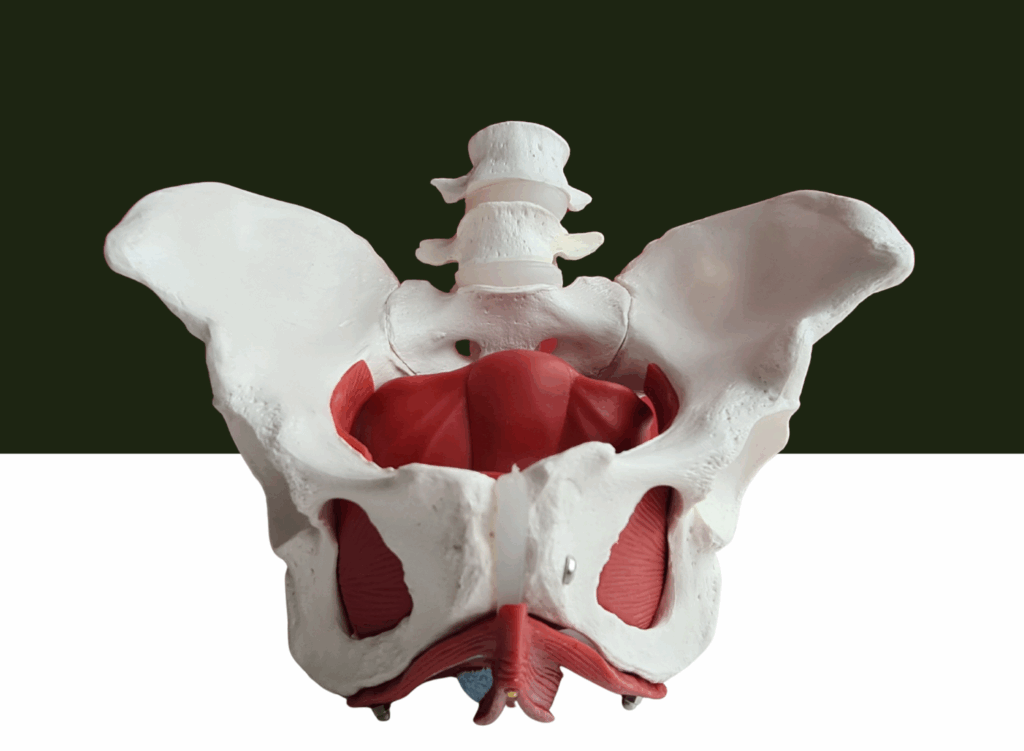
The pelvic floor is a group of muscles and connective tissues that support pelvic organs and play a key role in sexual function, urination, and circulation.

In hard flaccid syndrome, the pelvic floor often becomes:

  • Chronically overactive
  • Unable to fully relax
  • Poorly coordinated with breathing and movement

This constant tension can compress nerves and restrict blood flow, contributing directly to symptoms.


Pelvic Floor Muscles

The pelvic floor muscles must be able to both contract and relax.

In many people with hard flaccid:

  • Muscles remain stuck in a protective, contracted state
  • Attempts to strengthen them (e.g., Kegels) increase tension
  • Blood flow and nerve signaling are disrupted

This is why treatment focuses first on down-training and relaxation, not strengthening.


Pelvic Pain

Hard flaccid frequently overlaps with pelvic pain, including chronic pelvic pain syndromes in men.

Pelvic pain may present as:

  • Aching or burning sensations
  • Pressure in the perineum
  • Discomfort during or after sexual activity
  • Pain that worsens with sitting or stress

Research published in The Journal of Urology shows that pelvic pain conditions often improve when pelvic floor muscle dysfunction is addressed through targeted therapy rather than medication alone.


Pelvic Floor Physical Therapy

Pelvic floor physical therapy is widely considered the cornerstone of hard flaccid syndrome treatment.

This specialized therapy focuses on:

  • Reducing excessive muscle tone
  • Improving coordination and relaxation
  • Normalizing nerve sensitivity
  • Restoring healthy blood flow

A trained pelvic floor therapist evaluates muscle tone, breathing patterns, posture, and movement habits that may be perpetuating symptoms.


Physical Therapy

Unlike general physical therapy, physical therapy for hard flaccid requires specific training in male pelvic health.

Treatment may include:

  • Manual therapy to release pelvic tension
  • Breathing retraining
  • Postural correction
  • Nervous system regulation techniques
  • Gradual return to normal activity

This whole-body approach is critical because pelvic floor dysfunction rarely exists in isolation.


Pelvic Floor Therapy

Pelvic floor therapy is not about quick fixes—it’s about retraining the system.

Most patients benefit from:

  • Consistent sessions over several weeks or months
  • Education to reduce fear-based muscle guarding
  • Home exercises focused on relaxation and coordination

Clinical experience shows that patients who understand why symptoms occur tend to recover more effectively.


Pain Management

Effective pain management for hard flaccid addresses the source of pain rather than masking symptoms.

Common strategies include:

  • Manual pelvic floor techniques
  • Nervous system down-regulation
  • Heat therapy or gentle movement
  • Temporary activity modification

Medications may be helpful in some cases, but long-term improvement usually requires active rehabilitation.


Flaccid Syndrome

The term flaccid syndrome reflects the paradoxical nature of the condition—the penis appears flaccid but feels tense.

This paradox is explained by:

  • Persistent muscle contraction
  • Altered sensory feedback
  • Dysregulated nervous system signaling

Understanding this mechanism helps patients move away from fear and toward recovery.


Hard Flaccid

So what does effective hard flaccid treatment actually look like in practice?

Successful treatment plans are typically:

  • Individualized
  • Focused on relaxation before strengthening
  • Integrated with stress and lifestyle management

Many patients report gradual but meaningful improvements in comfort, sensation, and erectile quality.


Case Report

Although large-scale studies are limited, case reports and clinical observations provide valuable insight.

A commonly reported pattern includes:

  • Initial worsening with strengthening exercises
  • Symptom improvement after pelvic floor down-training
  • Gradual normalization of flaccid state and erections

These findings align with broader research on male pelvic pain and pelvic floor dysfunction.


What Makes Treatment More Effective?

Based on clinical experience and emerging research, outcomes improve when patients:

  • Seek care from pelvic floor specialists
  • Avoid excessive strengthening early on
  • Address stress and nervous system factors
  • Stay consistent with therapy

Recovery timelines vary, but improvement is common when the underlying dysfunction is properly treated.


Frequently Asked Questions (Schema-Ready)

What is the best treatment for hard flaccid syndrome?
Pelvic floor physical therapy focused on muscle relaxation and nervous system regulation is considered the most effective treatment.

Can hard flaccid syndrome go away on its own?
Some mild cases improve, but many require targeted treatment to fully resolve.

Are Kegels good for hard flaccid?
In most cases, no. Strengthening exercises often worsen symptoms when muscles are already overactive.

How long does hard flaccid treatment take?
Many people see improvement within weeks to months, depending on severity and consistency of care.

Is hard flaccid syndrome permanent?
It is not considered permanent in most cases and often improves with proper treatment.

Final Takeaway

Hard flaccid syndrome treatment works best when it targets pelvic floor muscle tension, nervous system dysregulation, and pain—not just symptoms. With the right approach, many people experience meaningful improvement and regain confidence in their sexual and pelvic health.

How Can I Improve Hard Flaccid Symptoms?

How Can I Improve Hard Flaccid Symptoms?

Evidence-Based Treatment, Pelvic Floor Therapy, and Recovery Strategies

How Do You Improve Hard Flaccid Symptoms?

Hard flaccid symptoms can often improve through pelvic floor physical therapy, nervous system regulation, targeted exercises, and lifestyle changes that reduce pelvic muscle tension and restore healthy blood flow. A biopsychosocial management approach, which includes pelvic floor rehabilitation, pain management, and lifestyle modifications, has shown promise in treating HFS.

While symptoms can feel alarming, many patients see meaningful improvement with proper diagnosis and individualized treatment. Coping strategies, such as pain education, graded activity exposure, and psychological support, are important for managing symptoms and emotional distress. A thorough physical examination is vital for differentiating hard flaccid syndrome from other conditions and guiding management. Sexual medicine specialists may be involved in the multidisciplinary care of HFS. Many patients with HFS undergo multiple consultations before receiving a diagnosis, which can lead to frustration and confusion, and significant emotional distress, including anxiety and depression, is common.

What Is Hard Flaccid Syndrome?

Hard Flaccid Syndrome (HFS) is a poorly understood pelvic and neuromuscular condition where the penis feels semi-rigid or tense while flaccid, often accompanied by pain, numbness, erectile changes, or pelvic discomfort. HFS is considered a rare male sexual disorder.

The typical clinical presentation of HFS includes a semi-rigid flaccid penis, pelvic pain, and sensory changes, most commonly affecting men between 16 and 42 years old, with a higher prevalence in those in their 20s and 30s. Initial reports and early case studies have brought attention to HFS, helping to define its clinical presentation and management.

Although not yet formally classified in major diagnostic manuals, hard flaccid is increasingly recognized by:

  • Pelvic floor physical therapists
  • Urologists
  • Sexual health specialists

HFS is often poorly recognized in clinical practice, leading to misdiagnosis and inadequate treatment. The diagnosis is primarily based on the patient’s history and symptoms, as there are no definitive tests for the condition.

It is best understood as a pelvic floor and nervous system dysfunction, not a structural penile disease.

Common Hard Flaccid Symptoms

Symptoms vary between individuals, but commonly include:

  • Semi-rigid or “rubbery” flaccid penis
  • Reduced sensation or numbness
  • Pelvic, perineal, or penile pain
  • Erectile dysfunction or weaker erections
  • Cold or tight sensation in the penis
  • Anxiety related to sexual performance
  • Penile symptoms (such as changes in appearance, function, or sensation)
  • Physical symptoms (including penile firmness, pain, and pelvic discomfort)
  • Perineal and penile pain as a key symptom, often linked to neurological or traumatic causes
  • Penile sensory changes, such as coldness, numbness, or altered sensation

Hard Flaccid Syndrome (HFS) presents with a cluster of symptoms including penile-specific somatosensory disturbances, erectile dysfunction, perineal and/or penile pain, and emotional distress. Symptoms often fluctuate with posture, physical activity, and stress levels, reflecting a complex interplay between physical and psychological factors. Many men with HFS report a significant negative impact on their sexual relationships and overall quality of life. The psychological impact can include feelings of shame, reduced self-esteem, and relationship strain, as partners may feel unattractive or question fidelity due to the sexual dysfunction associated with HFS.

Many patients report symptom onset after:

  • Excessive pelvic muscle tension
  • Intense physical training
  • Prolonged sitting
  • Sexual overuse or edging
  • Stress or anxiety episodes

Chronic Pelvic Pain and Hard Flaccid

Chronic pelvic pain is a frequent and distressing feature of hard flaccid syndrome (HFS), a rare male sexual disorder marked by the presence of a semi-rigid penis even in the flaccid state. Men with HFS often experience a combination of persistent pelvic pain, penile pain, and bothersome urinary symptoms, which can significantly impact daily life and sexual health.

Hard flaccid syndrome symptoms typically include not only a rigid or rubbery flaccid penis, but also erectile dysfunction, decreased penile sensation, and perineal or penile discomfort. Many patients report that these symptoms began after an episode of initial penile trauma—such as aggressive or prolonged sexual activity—which may trigger subtle nerve and vascular changes in the pelvic floor and penile tissue.

The exact mechanisms behind HFS are still being studied, but current understanding suggests that minor injuries to the penis or pelvic floor can disrupt normal blood flow and nerve signaling. This can lead to ongoing pelvic pain, altered erectile function, and a persistent feeling of tension or semi-rigidity in the penis, even when not aroused.

If you are experiencing chronic pelvic pain alongside symptoms like a hard flaccid penis, erectile dysfunction, or urinary issues, it’s important to seek evaluation from a specialist familiar with hard flaccid syndrome. Early intervention can help address both the physical and emotional aspects of this condition, supporting a return to normal pelvic and sexual function.

What Causes Hard Flaccid?

There is no single cause, but growing clinical evidence suggests a combination of:

  • Trauma to the penis or pelvic region, often following aggressive masturbation or intense sexual intercourse, is frequently reported by patients prior to the onset of symptoms. Initial report(s) and early case studies have described trauma as a common trigger for Hard Flaccid Syndrome.
  • The aetiology of Hard Flaccid Syndrome (HFS) is not entirely clear but is often related to trauma-associated events causing injury to the neurovasculature.
  • Pathological activation of the pelvic/pudendal-hypogastric reflex may play a role, leading to excessive sympathetic activity and smooth muscle contraction in the penile smooth muscle and erectile tissue.
  • Inflammation following a trauma-like event may result in neuropathy, penile hypoxia, and muscle spasms. These muscle spasms can increase intracavernosal pressure during the flaccid phase, inhibiting optimal erection during the rigid phase.
  • Excessive sympathetic activity is thought to sustain contraction of smooth muscle in the erectile tissue, contributing to the persistent flaccid state, pain, and other symptoms.
  • Lumbar disc prolapse, cauda equina, and spinal cord pathology should be considered as possible differential diagnoses, as they may contribute to or mimic the symptoms of HFS.

1. Pelvic Floor Muscle Dysfunction

Chronic tightening or guarding of the pelvic floor can:

  • Compress nerves, particularly as a result of dysfunction in the pelvic floor muscles, which play a central role in the development and persistence of symptoms
  • Restrict blood flow
  • Alter sensory feedback to the penis

Pelvic floor muscle mobility is an important aspect of therapy, as assessing how well the pelvic floor muscles move or relax—often through ultrasound imaging—can help track improvements and guide rehabilitation.

Pelvic floor exercises are a key part of rehabilitation, focusing on re-educating and relaxing the pelvic floor muscles to alleviate symptoms and support functional recovery.

Additionally, muscle spasms in Hard Flaccid Syndrome may increase intracavernosal pressure during the flaccid phase, which can inhibit optimal erection during the rigid phase.

2. Nervous System Dysregulation

Hard flaccid is strongly associated with:

  • Sympathetic (fight-or-flight) dominance, which can contribute to chronic pain and persistent pain as features of nervous system dysregulation.
  • Poor relaxation signals to pelvic muscles

Psychological symptoms and emotional distress, such as anxiety and depression, are common in patients with hard flaccid syndrome and can exacerbate symptoms. The involvement of the spinal cord in neurogenic and somato-visceral reflex pathways may also play a role in symptom development. The symptom complex of hard flaccid syndrome may induce anxiety and distress, which can worsen muscle spasms and symptoms, creating a vicious cycle.

3. Vascular & Fascial Restriction

Restricted movement of pelvic tissues may impair:

  • Blood circulation
  • Tissue elasticity
  • Normal erectile mechanics
  • Urinary function, sometimes resulting in decreased force of urinary stream

Penile sensory changes, such as numbness, coldness, or dysesthesia, can also occur and significantly impact physical symptoms, sexual function, and emotional well-being. The role of erectile tissue and blood flow is crucial in symptom development, as compromised vascular supply and fascial restriction can exacerbate these issues.

👉 This is why strengthening alone often worsens symptoms — relaxation and coordination are key.

Why Hard Flaccid Is Often Misunderstood

Hard flaccid:

  • Rarely shows up on imaging
  • Doesn’t fit classic erectile dysfunction models
  • Is often dismissed as “psychological”

Because there are no objective tests for hard flaccid, qualitative analysis of patient reports and internet forum discussions has been essential for identifying common symptoms and shared experiences among those affected.

However, modern pelvic rehab recognizes that:

Pelvic pain and sexual dysfunction are real neuromuscular conditions — not imagined ones.

Can Hard Flaccid Go Away?

In many cases, yes — symptoms can significantly improve or fully resolve, especially when treated early and correctly. Many patients experience significant improvement in symptoms with multimodal therapy, and some may even become symptom free. Biopsychosocial management strategies have been reported to improve symptoms in patients with Hard Flaccid Syndrome. Additionally, many men with HFS report that their symptoms improve when they are relaxed, highlighting a strong link between stress and symptom severity. Support groups and therapy can help patients feel less isolated and provide coping mechanisms for dealing with the emotional aspects of HFS.

Recovery depends on:

  • Severity and duration of symptoms
  • Quality of pelvic floor therapy
  • Nervous system regulation
  • Patient adherence to treatment

Best Treatment Options for Hard Flaccid

1. Pelvic Floor Physical Therapy (Most Important)

Pelvic floor physical therapy is considered the gold standard treatment for hard flaccid.

A trained therapist focuses on:

  • Reducing muscle tension (not strengthening initially)
  • Improving pelvic coordination
  • Restoring blood flow
  • Desensitizing irritated nerves
  • Assessing and improving pelvic floor muscle mobility to track progress and guide rehabilitation

Key techniques may include:

  • Manual pelvic floor release
  • Breathing retraining
  • Postural correction
  • Nervous system downregulation
  • Gradual reintroduction of functional movement
  • Pelvic floor exercises
  • Assessment of pelvic floor muscle mobility

Pelvic floor muscle re-education and improving pelvic floor muscle mobility are important for symptom improvement in hard flaccid. A biopsychosocial management approach, which combines pelvic floor rehabilitation, pain management, and lifestyle modifications, has shown promise in treating hard flaccid syndrome.

2. Nervous System & Stress Regulation

Because stress directly tightens pelvic muscles, treatment often includes:

  • Diaphragmatic breathing
  • Parasympathetic activation techniques
  • Education to reduce fear-based muscle guarding
  • Stress management techniques

Screening for hospital anxiety and using a depression scale, such as the Hospital Anxiety and Depression Scale (HADS), is important to assess psychological symptoms that may impact treatment outcomes.

Psychological support, including cognitive behavioral therapy (CBT), plays a key role in managing the anxiety and depression associated with hard flaccid syndrome (HFS).

Coping strategies, such as psychological support and education about the condition, are essential for managing the emotional impact of HFS.

3. Movement & Lifestyle Modifications

Helpful changes often include:

  • Reducing prolonged sitting
  • Avoiding excessive Kegels
  • Modifying gym routines
  • Improving sleep and recovery
  • Limiting pelvic strain activities temporarily

Education on lifestyle modifications is a key component of the biopsychosocial management approach for Hard Flaccid Syndrome. Incorporating coping strategies, such as psychological and behavioral techniques, can help manage pain, reduce anxiety, and improve overall quality of life.

Why Pelvic Floor Physical Therapy Works

Pelvic PT doesn’t just treat symptoms — it addresses the root causes:

  • Muscle tone imbalance
  • Poor neuromuscular signaling
  • Restricted tissue mobility

The pelvic floor muscles play a crucial role in Hard Flaccid Syndrome, and improving pelvic floor muscle mobility is essential for symptom improvement. Pelvic floor physical therapy specifically targets the physical symptoms—such as penile firmness, pain, and pelvic discomfort—by focusing on assessment, relaxation, and re-education of the pelvic floor muscles, which can lead to better quality of life.

Studies on male pelvic pain and dysfunction show that targeted pelvic rehab improves pain, sexual function, and quality of life (Anderson et al., Journal of Urology).

Getting Help: Choosing the Right Provider

When seeking help for hard flaccid, look for a provider who:

  • Specializes in male pelvic health
  • Understands neuromuscular pelvic dysfunction
  • Uses hands-on assessment and treatment
  • Takes a whole-body approach

Providers with expertise in sexual medicine may be particularly helpful for complex cases, as sexual medicine offers a multidisciplinary approach to diagnosing and managing male sexual health conditions like hard flaccid.

Pelvis NYC: Specialized Care for Hard Flaccid

At Pelvis NYC, treatment is led by Dr. Adam Gvili, a pelvic floor physical therapist with advanced training in male pelvic pain and sexual dysfunction.

Patients benefit from:

  • Individualized treatment plans
  • One-on-one care
  • Evidence-based pelvic rehab
  • Compassionate, patient-centered approach

Many patients seek care after months or years of unanswered questions — and finally gain clarity and improvement. If you need help with improving your condition, reach out to a hard flaccid doctor around New York.

Schedule your consultation now!


Frequently Asked Questions (FAQ)

What is the fastest way to improve hard flaccid?

The fastest improvements usually come from pelvic floor physical therapy combined with nervous system relaxation, not strengthening exercises.

Are Kegels good for hard flaccid?

In most cases, no. Kegels can worsen symptoms by increasing muscle tension.

Is hard flaccid psychological?

Hard flaccid is not “just psychological.” While anxiety can worsen symptoms, the condition involves real neuromuscular dysfunction.

Can exercise make hard flaccid worse?

Yes — heavy lifting, excessive core work, or incorrect pelvic exercises can aggravate symptoms if not modified.

How long does recovery take?

Some patients improve within weeks, while others need several months depending on severity and history.

Hernia in Men: What They Need to Know?

Hernia in Men What they need to know?

Hernias are a common medical condition that can affect both men and women. However, hernia in men is more prevalent- with up to 25% of men developing a hernia at some point in their lives. If you’re a man and you suspect you have a hernia, it’s essential to know the different types of hernias, their causes, risk factors, and treatment options.

Types of Hernias in Men

There are three common types of hernias that can occur in men: inguinal hernias, umbilical hernias, and hiatal hernias.

  • Inguinal hernias are the most frequent type of hernia in men occurring when a portion of the intestine or other abdominal tissue bulges through a weak spot in the lower abdominal muscles.
  • Umbilical hernias happen when the intestine or other abdominal tissue protrudes through the belly button.
  • Hiatal hernias occur when a portion of the stomach bulges up into the chest through the diaphragm.

Causes and Risk Factors of Hernia in Men

The causes of hernias in men can vary. They typically result from a combination of weak muscles and physical strain on the abdomen. Risk factors that increase the likelihood of developing a hernia include obesity, chronic coughing, heavy lifting, and a family history of hernias.

Diagnosis and Treatment of Hernia in Men

If you suspect you have a hernia, it’s essential to see a doctor for a proper diagnosis. Diagnosing a hernia in men typically involves a physical exam, along with imaging tests such as an ultrasound or CT scan. Treatment options for hernias include lifestyle changes, such as avoiding heavy lifting and maintaining a healthy weight, as well as medications to relieve pain and discomfort. In severe cases, surgery may be necessary to repair the hernia. Physiotherapy can also help strengthen the abdominal muscles and prevent hernias from recurring.

Physical Therapy for Hernia in Men

Physical therapy can play an essential role in the treatment of hernia in men. It can help strengthen the muscles and connective tissue in the affected area. A physical therapist can work with the patient to develop a personalized exercise program. This will help improve muscle strength and flexibility, reduce pain and discomfort, and prevent the hernia from worsening.

For broad information, you may check the blog entitled Hernia Treatment Intervention With Physical Therapy!

Get Help Today!

If you suspect you have a hernia, don’t wait to seek treatment. Schedule a FREE 15-minute teleconsultation with Pelvis NYC to learn more about your options. Visit www.pelvis.nyc today!

Hernia Treatment Intervention With Physical Therapy

Hernia Treatment Intervention With Physical Therapy

Introduction to Hernias

Hernias are a common health concern that occur when an organ or fatty tissue pushes through a weak spot in the abdominal wall or other muscle layers. This weakness can develop for a variety of reasons, including congenital defects present at birth, the natural aging process, obesity, or repetitive strain from heavy lifting or chronic coughing. When a hernia develops, it can cause discomfort, pain, and, if left untreated, may lead to more serious complications. The primary goal of hernia treatment is to repair the hernia defect and restore the integrity of the abdominal wall, preventing further issues. There are several approaches to hernia repair, ranging from traditional open surgery to advanced minimally invasive hernia repair techniques. Laparoscopic surgery, a form of minimally invasive hernia repair, uses small incisions and specialized instruments to repair the hernia, often resulting in less pain and a quicker recovery compared to open surgery. Minimally invasive hernia procedures are increasingly popular for their effectiveness and patient-friendly recovery times.

Specialized hernia care teams, such as those found in comprehensive programs, are dedicated to providing expert evaluation and treatment for all types of hernias. Whether through open surgery, laparoscopic surgery, or other minimally invasive techniques, the focus remains on safely repairing the hernia and supporting the patient’s return to normal activity.


Types of Hernias

There are several types of hernias, each with unique features and treatment considerations. The most common type is the inguinal hernia, which occurs in the groin area and is especially prevalent in men. Umbilical hernias develop near the belly button, often appearing as a bulge at the navel. Ventral hernias form in the abdominal wall, while incisional hernias can arise at the site of a previous surgical incision, where the tissue may be weaker.

Other types include femoral hernias, which occur lower in the groin and are more common in women, hiatal hernias, where part of the stomach pushes into the chest cavity through the diaphragm, and sports hernias, which involve soft tissue injuries in the lower abdomen or groin.

Each type of hernia requires a tailored approach to hernia repair. Minimally invasive surgery, such as laparoscopic hernia repair, is often preferred for many hernia types due to its benefits: smaller incisions, less postoperative pain, and a faster recovery compared to traditional open surgery. The Americas Hernia Society emphasizes the importance of comprehensive hernia care, which includes careful evaluation, surgical repair when needed, and thorough postoperative management to minimize complications and support optimal healing.

By understanding the different types of hernias and the available treatment options, patients and their care teams can make informed decisions that lead to the best possible outcomes.

What Is the Best Hernia Treatment Without Surgery?

For some men, hernia treatment without surgery is possible through physical therapy. By strengthening the abdominal wall, improving pressure control, and correcting movement patterns, physical therapy can reduce hernia symptoms, improve daily function, and help prevent the condition from worsening.

This case study shows how a personalized hernia treatment plan helped one man regain confidence and comfort without immediate surgery.


Case Overview: When Hernia Symptoms Disrupt Daily Life

Name changed to protect privacy.

“Jack,” an adult male, began experiencing ongoing abdominal pressure and discomfort that worsened with lifting, exercise, and prolonged standing. While the symptoms weren’t always severe, they were persistent enough to interfere with work, fitness, and everyday activities.

At first, Jack tried to manage the problem on his own—like many men do.

Early Attempts at Hernia Treatment

  • Over-the-counter pain medication
  • Reduced physical activity
  • Avoiding movements that triggered symptoms

Despite these efforts, the discomfort continued, signaling that a more targeted hernia treatment approach was needed.


Why Hernia Treatment Is Often Delayed

Hernias are frequently underestimated because symptoms can be subtle. Many men experience:

  • A dull ache or heaviness
  • Discomfort that improves with rest
  • Pain only during exertion

Because there may be no visible bulge early on, men often assume the issue is a muscle strain rather than a hernia.

According to the National Institute of Diabetes and Digestive and Kidney Diseases (NIDDK), untreated hernias can gradually worsen as abdominal wall weakness progresses—making early hernia treatment especially important. Most hernias eventually require surgical repair to prevent complications and recurrence. Delaying hernia repair can lead to serious issues such as bowel obstruction, which may require more extensive surgery.

Exploring Non-Surgical Treatment Options

A friend suggested Jack explore physical therapy as part of his hernia treatment, even though he was skeptical. Like many people, he believed physical therapy was only for joint injuries or post-surgical recovery.

Still wanting answers, Jack scheduled an appointment at Pelvis NYC, a clinic known for specialized hernia treatment and pelvic health care.


Initial Evaluation: A Targeted Hernia Assessment

Jack’s evaluation was performed by Dr. Adam Gvili, PT, DPT, a Doctor of Physical Therapy with advanced training in abdominal wall dysfunction and conservative hernia treatment. A thorough physical exam is a key part of diagnosing hernias, especially when imaging is inconclusive.

What the Hernia Evaluation Included

  • Detailed symptom and activity history
  • Abdominal wall and core strength testing
  • Movement and load assessment
  • Breathing and pressure management evaluation

Rather than focusing only on pain, the assessment centered on how Jack’s body handled internal pressure, a key factor in effective hernia treatment.


Diagnosis: Abdominal Wall and Inguinal Hernia

Based on the findings, Dr. Gvili identified an abdominal wall hernia, caused by tissue protruding through a weakened area of muscle and connective tissue. A hernia is often identified by bulging tissue, such as intestine or fat, that pushes through the abdominal wall. If the diagnosis is unclear, an abdominal ultrasound may be used to visualize the hernia and assess the hernia sac.

Common Signs That Hernia Treatment Is Needed

  • Pressure or heaviness in the abdomen
  • Pain during lifting, coughing, or exertion
  • Symptoms that worsen throughout the day
  • Relief when lying down

Jack’s symptoms aligned clearly with this diagnosis.


Does Hernia Treatment Always Require Surgery?

No. While surgery is sometimes necessary, hernia treatment does not always start with surgery. However, most hernias will eventually require surgical repair to prevent complications.

Hernia repair can be performed using open surgery, laparoscopic surgery, or robotic surgery. Non-surgical management options include lifestyle changes, medications, and supportive devices like trusses.

The Cleveland Clinic notes that conservative hernia treatment may be appropriate when:

  • Symptoms are mild to moderate
  • The hernia is reducible
  • There are no signs of strangulation

In such cases, physical therapy can be an effective first-line hernia treatment strategy.

Hernia Treatment Through Physical Therapy

A Personalized Hernia Treatment Plan

Dr. Gvili designed a custom hernia treatment program tailored to Jack’s body, activity level, and goals.

Key Components of Physical Therapy–Based Hernia Treatment

  • Targeted abdominal and core strengthening
  • Breathing techniques to control intra-abdominal pressure
  • Manual therapy to improve tissue mobility
  • Movement retraining for daily tasks and exercise
  • Education on safe lifting and posture

This approach focused on supporting the weakened area while restoring functional strength—a cornerstone of successful hernia treatment.


How Physical Therapy Supports Effective Hernia Treatment

Physical therapy does not close the hernia opening itself, but it plays a vital role in symptom control and prevention.

Benefits of Physical Therapy for Hernia Treatment

  • Improved abdominal wall support
  • Reduced strain on the hernia site
  • Better pressure management during movement
  • Lower risk of symptom progression
  • Increased confidence in physical activity

For Jack, this meant returning to daily life without constant fear of aggravating his hernia.


Results: Hernia Treatment Outcomes Without Surgery

After several weeks of consistent physical therapy:

  • Jack experienced significant symptom reduction
  • Daily activities became more comfortable
  • He regained confidence in movement and exercise
  • He learned long-term strategies to protect his abdominal wall

Dr. Gvili also provided lifestyle guidance to support ongoing hernia treatment success, including activity modification and core maintenance strategies.


When Hernia Treatment Requires Immediate Medical Care

While conservative hernia treatment is effective for many men, urgent medical evaluation is required if symptoms include:

  • Sudden or severe pain
  • Nausea or vomiting
  • Fever
  • A hernia that becomes hard, tender, or discolored

These symptoms may indicate a medical emergency or surgical emergency. Incarceration occurs when a hernia gets stuck and cannot be reduced, which can lead to increased pain and complications. If the blood supply to the incarcerated tissue is cut off, this is called strangulation—a serious complication that requires emergency surgery. Strangulation can result in tissue death and may necessitate a bowel resection to remove the affected portion of the intestine.

Professionals Involved in Hernia Treatment

Depending on severity, hernia treatment may involve:

  • Primary care physicians
  • General surgeons
  • Gastroenterologists
  • Pelvic health physical therapists

A coordinated approach ensures safe and effective care.


Pelvis NYC: Specialized Hernia Treatment With Physical Therapy

At Pelvis NYC, we provide evidence-based hernia treatment focused on helping men manage symptoms, stay active, and avoid unnecessary surgery when possible.

Why Patients Choose Pelvis NYC for Hernia Treatment

  • Advanced expertise in abdominal wall and pelvic health
  • One-on-one personalized care
  • Proven, conservative hernia treatment strategies
  • Focus on long-term outcomes and prevention

👉 Book a FREE 15-minute teleconsultation to learn whether physical therapy is the right hernia treatment option for you.


FAQs: Hernia Treatment

Can hernia treatment work without surgery?

Yes. For some men, conservative hernia treatment with physical therapy can reduce symptoms and improve function.

Is physical therapy safe for hernia treatment?

Yes, when guided by a trained specialist experienced in hernia treatment.

When is surgery the best hernia treatment?

Surgery is recommended if the hernia is worsening, causing severe symptoms, or becomes strangulated.

What type of specialist should I see for hernia treatment?

A pelvic health physical therapist is ideal for non-surgical hernia treatment; surgeons are involved when surgery is necessary.

Can hernia treatment prevent the condition from worsening?

Yes. Strengthening, pressure management, and education can slow progression and reduce symptoms.


Final Takeaway

Hernia treatment doesn’t always begin—or end—with surgery. As this case study shows, physical therapy can be a powerful, conservative hernia treatment option that restores function, reduces discomfort, and helps men stay active.

If hernia symptoms are affecting your life, early, expert-guided hernia treatment matters.

Lower Abdominal Pain In Men Left Side: True Story Of Alleviating Pain

Lower Abdominal Pain In Men Left Side: True Story Of Alleviating Pain

There was a man who suffered from persistent pain in his lower left abdomen. He would experience pain on a regular basis, which became a constant source of discomfort and anxiety for him, as he couldn’t seem to find relief on his own. This feeling led him to seek help online; fortunately, he was directed to Pelvis NYC.

Soon enough, he realized he didn’t have to go through it alone. With the help of the right professionals like Dr. Adam Gvili and treatment options like physical therapy, he could get back to feeling his best in no time. So he decided to book an appointment on Pelvis NYC’s website.

The First Session for Lower Abdominal Pain In Men Left Side

Dr. Gvili, as always, makes his patients comfortable first, especially in the first meeting. His approach makes everyone open up easily about what they are going through. Just like James (not his real name), he felt comfortable talking to Dr. Adam about his symptoms because of this technique.

James was experiencing lower abdominal pain left side when he scheduled an appointment on our website. For him, talking to Dr. Adam Gvili is just a smooth ride. The questions asked were simple, yet he knew that Dr. Gvili was knowledgeable enough to include those questions. Dr. Gvili also inquired about any other symptoms James might be experiencing to ensure a thorough assessment.

After the initial consultation, Dr. Adam explained the possible causes of James’s left-side lower abdominal pain—gastrointestinal and urinary issues. Gastrointestinal and urinary issues can cause left-side abdominal pain due to the location of the organs in the lower left abdomen. As part of the assessment, Dr. Gvili specifically asked about James’s bowel movement patterns, since changes in bowel movement can be important in diagnosing gastrointestinal conditions.

Causes of lower abdominal pain

Gastrointestinal issues

Gastrointestinal issues like gas, indigestion, and constipation are one factor that causes left-side abdominal pain for James. The large intestine and large intestines, especially the colon, are common sites of pain in the left lower quadrant or lower left quadrant. The small intestine can also be involved, particularly in digestive disorders such as celiac disease or Crohn’s disease. Digestive disorders, including irritable bowel syndrome (a chronic gastrointestinal disorder), can cause crampy pain, dull ache, or sharp pain in this area.

Inflammatory bowel disease and inflammatory bowel IBD, which includes Crohn’s disease and ulcerative colitis, can also affect the large intestine, causing pain and inflammation. Ulcerative colitis specifically affects the large intestine and can lead to persistent discomfort. These conditions may cause pain by affecting the digestive tract, with the immune system sometimes playing a role in autoimmune causes. The type of pain—whether crampy pain, dull ache, or sharp pain—can help differentiate the underlying cause. Each of these may associates with different digestive or inflammatory conditions, causing pain in the left lower quadrant.

Urinary Tract Infection

Another factor is a urinary problem—urinary tract infection (UTI). A urinary tract infection is a common cause of lower left abdominal pain, as it can affect any part of the urinary tract, including the bladder and ureters. James had a UTI, so it does contribute to his abdominal pain. Since the left ureter carries urine from the left kidney to the bladder, any blockages or infections in this area can cause pain on the left side of the abdomen.

Kidney infection is another possible urinary cause, often presenting with symptoms such as lower back pain, fever, and pain during urination, and can also lead to pain in the lower left quadrant. Kidney stone and kidney stones are additional causes of sharp pain in the lower left abdomen, sometimes radiating to the groin area, and are often accompanied by intense pain, nausea, or blood in the urine. These urinary tract conditions can cause significant discomfort and may require early treatment and pain management.

Hernias

Hernias can also cause pain in the lower left abdomen. A hernia occurs when an organ or tissue pushes through a weak spot in the abdominal wall or abdominal muscles, sometimes resulting in a visible bulge and pain in the groin area. An inguinal hernia is a specific type that can cause pain in this region. Rarely, internal bleeding can be a cause of severe pain in the lower left quadrant.

In women, causes such as ectopic pregnancy, issues with the fallopian tube, or problems with the left ovary can also result in pain in this area.

It is important to differentiate abdominal pain from chest pain, as chest pain may indicate a cardiac issue. Some conditions can cause intense pain or sudden pain, which may require immediate medical attention, emergency medical care, or contacting a doctor immediately. Early treatment and appropriate medical care are essential for managing these conditions and preventing complications. Pain management should be guided by a healthcare professional.

Note: Left-side abdominal pain can have many different causes. It’s important to consult your physician first before going to a physical therapist.

Left Abdominal Pain Diagnosis

Diagnosing left abdominal pain, especially in the lower abdominal region, requires a careful and thorough approach. When you visit a healthcare provider with complaints of lower abdominal or left abdominal pain, the first step is often a detailed conversation about your symptoms. Your provider will ask about the onset, duration, and intensity of your pain, as well as any associated symptoms you may be experiencing, such as vomiting, abdominal pain, diarrhea, gas, or bloating.

A comprehensive medical history helps your healthcare provider understand potential risk factors and previous health issues that could be contributing to your discomfort. During the physical examination, the provider will gently press on different areas of your abdomen to check for tenderness, swelling, or other signs that might point to the underlying cause of your pain.

Associated symptoms play a crucial role in the diagnostic process. For example, suppose your lower abdominal pain is accompanied by vomiting, changes in bowel movements, or persistent bloating. In that case, these clues can help narrow down the list of possible conditions affecting your digestive tract or urinary system. Your healthcare provider may also ask about recent injuries, changes in diet, or any chronic gastrointestinal disorders you may have.

Ultimately, the goal of this diagnostic process is to identify the underlying cause of your left abdominal pain to develop the most effective treatment plan. Early and accurate diagnosis is key to managing symptoms, preventing serious complications, and ensuring you get back to feeling your best. If you’re experiencing persistent or severe pain, don’t hesitate to seek medical attention and discuss your symptoms openly with your healthcare provider.

The Treatment for Lower Abdominal Pain In Men Left Side

After talking to James about his symptoms and causes, Dr. Gvili began to explain how physical therapy can help relieve his symptoms and get him back to feeling his best.

He explained that through a personalized approach, physiotherapy can provide relief from lower abdominal pain caused by his gastrointestinal and urinary problems. Dr. Gvili would work with James to create a customized treatment plan that would include specialized massage techniques and stretching exercises.

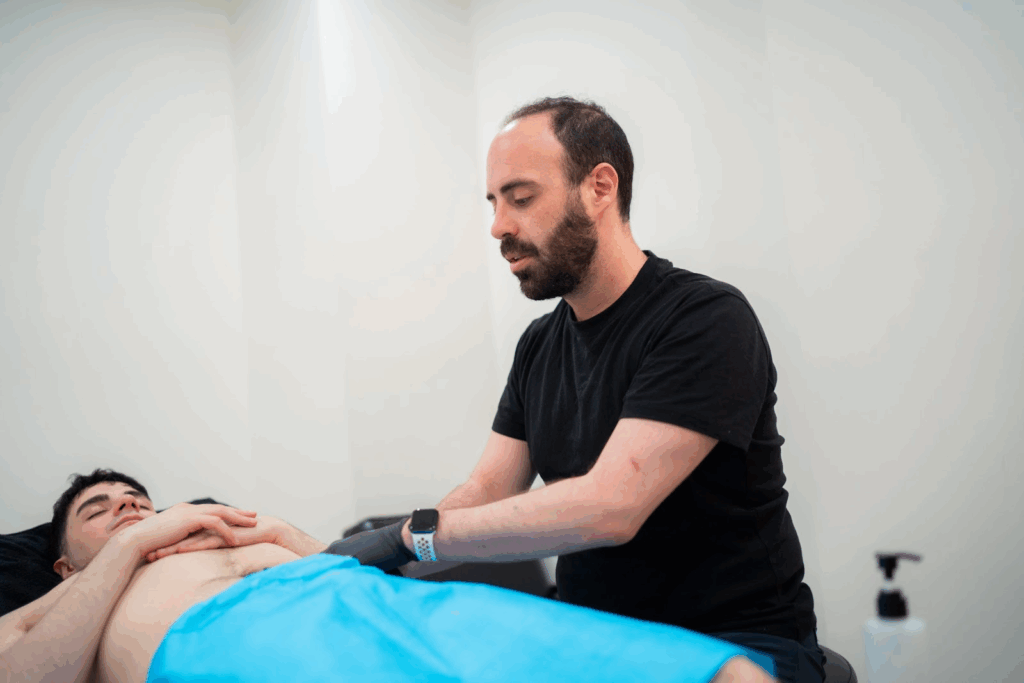
This massage can help relieve tension and pain in the muscles of the abdomen. While stretching exercises can help improve the flexibility and mobility of the affected area. This will also help strengthen the abdominal muscles, which play a key role in supporting internal organs and can help to prevent future episodes of pain.

This approach and technique are a safe and effective treatment option for abdominal pain caused by his issues. Dr. Adam would work with James and provide one-on-one attention, tailoring his treatment plan to James’ unique needs and goals.

Healing Period

Over the course of his treatment, James worked closely with Dr. Gvili, performing a variety of exercises and stretches. These are designed to alleviate his pain and improve his overall health. With each session, James felt a little bit better. Soon, he was able to resume his normal activities without experiencing any pain or discomfort.

He was very thankful to Pelvis NYC, especially to Dr. Adam Gvili. He was able to help him alleviate his lower left-side abdominal pain. So if you are like James and you still don’t know what causes your symptoms, visit Pelvis NYC now. Let our physical therapist help you. Book now!

Related blog: Experts for Lower Abdominal Pain

Have you had a vasectomy and then, after weeks, you’re now experiencing lower abdominal pain? You might be interested in reading our blog about Why Men Experience Lower Abdominal Pain After Vasectomy.

Lower Left Abdominal Pain in Men: Experts to Consult

Lower Left Abdominal Pain in Men: Experts to Consult

What Causes Lower Left Abdominal Pain in Men?

Lower left abdominal pain in men is most commonly caused by digestive issues like constipation or diverticulitis, urinary problems such as kidney stones or UTIs, or musculoskeletal strain. The lower left quadrant of the abdominal cavity contains several organs, making diagnosis complex. However, persistent, worsening, or severe pain can signal a serious medical condition and should always be evaluated by a healthcare professional.

Understanding what’s normal, what’s not, and who to see can help you take action early—and avoid complications. Pain on the left hand side (left side) of the abdomen can be due to issues with any of these organs. Some causes of abdominal pain are serious and some aren’t, making it hard to tell from the way you feel.

Why Lower Left Abdominal Pain Happens in Men

Pain in the lower left abdomen (also called the left lower quadrant) is challenging to diagnose because multiple organ systems overlap in this area. The abdominal cavity houses several organs, including parts of the digestive tract, large intestines, and abdominal muscles. For men ages 18–49, this pain often intersects with lifestyle factors like exercise, work-related lifting, diet, and stress.

Organs and structures in the lower left abdomen include: the descending colon, small and large intestines, sigmoid colon, left ureter, left kidney (lower pole), abdominal wall, abdominal muscles, and, in rare cases, referred pain from the testicles or spine.

The abdominal cavity contains the majority of the body’s vital organs closely, making any problem with these organs potentially serious.

Organs Located in the Lower Left Abdomen

  • Descending and sigmoid colon (part of the large intestines and digestive tract)
  • Small and large intestines (key components of the digestive tract)
  • Descending colon (where gas can accumulate and cause discomfort)
  • Abdominal muscles (including areas where hernias may develop)
  • Left ureter and kidney
  • Abdominal wall muscles
  • Nearby reproductive and pelvic structures

Because these systems work closely together, symptoms can overlap—making it easy to dismiss pain that deserves attention.

Common Causes of Lower Left Abdominal Pain in Men

1. Gastrointestinal Causes (Most Common)

Digestive conditions are the leading cause of lower left abdominal pain in men. Men may experience pain as a dull ache or crampy pain, which can be associated with various gastrointestinal issues. This discomfort can range from mild to severe and may be linked to inflammation, infection, or muscular strain in the abdomen.

Constipation & Gas

  • Causes dull, crampy, or pressure-like pain, often described as a dull ache or crampy pain when gas accumulates in the descending colon
  • Often linked to low fiber intake, dehydration, or sedentary habits
  • Pain may improve after bowel movement

Diverticulosis & Diverticulitis

  • Small pouches (diverticula) form in the colon wall due to weaknesses in the intestinal walls.
  • People can develop diverticulitis when these pouches become inflamed or infected.
  • Diverticulitis is more common in older individuals as the number of diverticula increases with age.
  • Risk factors for diverticulitis include age, low-fiber diet, lack of exercise, dehydration, certain medications, and underlying health conditions.
  • It is important to diagnose diverticulitis using imaging tests such as CT scans or colonoscopies to confirm the cause of lower left abdominal pain in men.
  • Symptoms include:
  • Sharp or persistent left-sided pain
  • Fever
  • Diarrhea
  • Constipation
  • Bloating
  • Changes in bowel habits

Diverticulitis requires immediate medical attention if accompanied by sharp pain and fever.

According to the Cleveland Clinic, diverticulitis is one of the most common causes of left lower quadrant pain in adults.

IBS vs. IBD (IBS, Crohn’s, Ulcerative Colitis)

ConditionKey Features
IBSPain with bowel changes, stress-related, no inflammation
Ulcerative colitisBloody stools, cramping, fatigue, crampy pain due to inflammation from immune system dysfunction
Crohn’s diseaseDeep inflammation, weight loss, severe crampy pain, immune system involvement

Note: IBD (including Crohn’s disease and ulcerative colitis) is related to immune system dysfunction and often causes crampy pain. When diagnosing these conditions, it is important to consider other signs in addition to symptoms for accurate identification and management.

Persistent digestive pain should never be self-diagnosed.

2. Urinary Causes

Urinary conditions often cause pain that radiates or comes in waves. Urinary tract infections and acute urinary retention are common causes of lower left abdominal pain in men. Kidney stones can cause pain in the lower left abdomen as they pass from the kidney through the ureter; symptoms may include sharp pain, blood in the urine, and pain that radiates to the groin area. Acute urinary retention can cause significant discomfort in the lower abdomen and is more common in men than in women. Kidney infection symptoms include flank pain, fever, and frequent or painful urination.

Kidney Stones

  • Sudden, sharp pain in the lower left abdomen that may radiate to the groin area as kidney stones pass from the kidney through the ureter
  • Blood in urine
  • Symptoms of kidney stones may include sharp pain in the lower left abdomen and blood in the urine
  • Nausea or vomiting

Urinary Tract Infections (UTIs)

  • Burning with urination
  • Pelvic or lower abdominal pain
  • Cloudy or bloody urine
  • Urinary tract infection is a common cause of lower abdominal pain in men and may present with urinary symptoms such as burning, urgency, and blood in the urine.
  • Acute urinary retention can cause significant discomfort in the lower abdomen and is more common in men than in women.

While UTIs are less common in men, they are more likely to indicate an underlying issue and require prompt treatment.

3. Reproductive & Pelvic Causes in Men

Testicular Torsion (Emergency)

  • Sudden, severe pain
  • Can radiate into lower abdomen
  • Requires immediate surgery

Prostatitis

  • Deep pelvic or lower abdominal discomfort
  • Pain with sitting or urination
  • Can be chronic and underdiagnosed

Inguinal Hernia

  • Pain worsens with lifting, coughing, or exercise; lifting heavy objects or coughing can trigger discomfort or sharp pain from an inguinal hernia
  • Inguinal hernias occur when tissue pushes through weak spots in the abdominal muscles
  • May feel like a pulling or burning sensation
  • Common in physically active men

4. Musculoskeletal Causes (Often Overlooked)

Not all abdominal pain comes from organs.

Abdominal Wall & Core Muscle Strain

  • Pain increases with movement or exercise
  • Often mistaken for internal pain
  • Common in:
    • Weightlifters
    • Runners
    • Manual laborers

This is where physical therapy plays a critical role.


Less Common but Serious Causes

  • Bowel obstruction
  • Ruptured spleen
  • Kidney infection
  • Pneumonia (referred pain)
  • Cardiac-related pain (must be ruled out; chest pain should be differentiated from abdominal pain, as chest pain may indicate a heart attack)

Red flag symptoms include:

  • High fever
  • Persistent vomiting
  • Blood in stool or urine
  • Severe or worsening pain
  • Inability to pass gas or stool (symptoms of bowel obstruction include severe pain, inability to pass gas or stool, and vomiting)

Seek emergency care immediately if these occur.

Complications of Lower Left Abdominal Pain in Men

Lower left abdominal pain in men should never be ignored, as it can lead to serious complications if left untreated or misdiagnosed. While some causes of lower left abdominal pain are mild and resolve on their own, others can quickly escalate and threaten your health if not addressed promptly.

Conditions like inflammatory bowel disease (IBD) and irritable bowel syndrome (IBS) can cause severe pain, changes in bowel movement patterns, and a range of associated symptoms. Without proper management, IBD can result in complications such as bowel obstruction, fistulas, or even malnutrition due to poor absorption of nutrients. IBS, while not life-threatening, can significantly disrupt daily life and lead to chronic discomfort and changes in bowel habits.

Urinary tract infections

Urinary tract infections (UTIs) and kidney stones are other potential culprits behind left abdominal pain. If a kidney stone becomes lodged in the left kidney, it can cause intense pain, groin pain, and sometimes vomiting abdominal pain. Left untreated, kidney stones can lead to kidney damage or infection, both of which require urgent medical attention.

Inguinal hernias

Inguinal hernias are another risk, especially for men who frequently lift heavy objects. If a hernia becomes strangulated, it can cut off blood supply to part of the intestine, leading to tissue death—a life-threatening emergency. Similarly, testicular torsion can cause sudden, severe pain in the lower left abdomen and requires immediate medical attention to prevent permanent damage to the testicle.

Digestive disorders such as diverticulitis or ulcerative colitis can also result in serious complications. If diverticulitis is not treated, it can lead to bowel perforation, abscesses, or peritonitis, all of which are medical emergencies. According to the Cleveland Clinic, symptoms like severe pain, vomiting, or abdominal tenderness should prompt you to seek medical attention immediately.

Other complications can arise from abdominal wall strains or chronic digestive issues, leading to persistent pain, weight loss, and changes in bowel habits. Men with a history of abdominal surgery or underlying medical conditions should be especially vigilant, as they may be at higher risk for complications.

To prevent these outcomes, it’s crucial to consult a healthcare provider if you experience persistent or worsening lower left abdominal pain, especially if it’s accompanied by other symptoms such as fever, chills, difficulty urinating, or blood in your stool or urine. Your provider will take a thorough medical history, perform a physical examination, and may order imaging tests to accurately diagnose the underlying cause.

Early and accurate diagnosis is key to effective treatment and preventing complications. Don’t wait for the pain to become severe or for other symptoms to develop—timely medical care can make all the difference in your recovery and long-term health.

How Doctors Diagnose Lower Left Abdominal Pain

A proper diagnosis often involves:

  1. Detailed medical history
  2. Physical exam
  3. Imaging (CT scan, ultrasound, X-ray) — Imaging tests such as CT scans or colonoscopy are often used to diagnose diverticulitis.
  4. Lab work (blood, urine)
  5. Colonoscopy or endoscopy (if needed)

Early evaluation prevents unnecessary suffering and complications.

If your abdominal pain is severe or getting worse, or if it persists with other symptoms like fever or swelling, consult a doctor immediately.

Treatment Options: What Actually Helps?

Treatment depends entirely on the cause, but may include:

Medical Treatments

  • Antibiotics (UTIs, diverticulitis)
  • Anti-inflammatory medications
  • Surgical intervention (hernia, torsion)

Pain Management Approaches

  • Heat therapy
  • Gentle movement
  • Targeted exercise
  • Stress reduction

Physical Therapy: A Missing Piece for Many Men

Physical therapy is often overlooked—yet extremely effective for:

  • Chronic abdominal pain
  • Pelvic floor dysfunction
  • Hernias (pre/post surgery)
  • Core muscle injuries

A trained physical therapist can:

  • Identify muscular vs. internal pain
  • Restore proper core mechanics
  • Reduce nerve sensitivity
  • Prevent recurrence

Experts to Consult for Lower Left Abdominal Pain

Depending on symptoms, consider seeing:

  • General Practitioner (GP)
  • Gastroenterologist
  • Urologist
  • Surgeon
  • Pelvic Health Physical Therapist

A multidisciplinary approach often delivers the best results.


Pelvis NYC: Specialized Care for Left Abdominal Pain in Men

lower left abdominal pain in men

At Pelvis NYC, we specialize in treating male pelvic and abdominal pain that doesn’t resolve with medication alone.

Why Patients Choose Pelvis NYC

  • Advanced training in male pelvic health
  • Evidence-based physical therapy
  • Individualized treatment plans
  • Experience treating chronic and unexplained abdominal pain

👉 Book a FREE 15-minute teleconsultation to see if physical therapy is right for you.

Related read: Lower Abdominal Pain In Men Left Side: True Story Of Alleviating Pain


FAQs: Lower Left Abdominal Pain in Men

What is the most common cause of lower left abdominal pain in men?

Left sided abdominal pain on the left side is most often due to digestive issues such as constipation, gas, or diverticulitis.

When should I worry about left lower abdominal pain?

Seek urgent care if pain is severe, sudden, persistent, or accompanied by fever, vomiting, or blood in stool or urine. See a doctor immediately if you experience any of these symptoms to prevent complications.

Can exercise cause lower left abdominal pain?

Yes. Core muscle strain, hernias, or pelvic floor dysfunction are common exercise-related causes.

Is lower left abdominal pain always serious?

No—but persistent or worsening pain should never be ignored.

Can physical therapy help with abdominal pain?

Yes. Physical therapy is highly effective for musculoskeletal and pelvic-related abdominal pain in men.


Final Takeaway

Lower left abdominal pain in men isn’t something to “push through.” While many causes are benign, others require prompt attention—and some respond best to specialized care like physical therapy.

If pain is lingering, recurring, or limiting your life, get answers early and work with professionals who understand male abdominal and pelvic health.

Hard Flaccid Syndrome Recovery Stories: Man with HFS Sees Improvement

Hard Flaccid Syndrome Recovery Stories

A man came into the office one time with a rigid penis, even without an erection. He wants to know what causes this and how to get rid of it. To formally address him, let’s call him John (not his real name to protect his identity). He was experiencing Hard Flaccid Syndrome, a rare condition that affects the muscles in the penis or scrotum, appearing flaccid (floppy or limp) despite being abnormally firm to the touch. In this condition, the flaccid penis feels unusually firm, resulting in what is described as a hard flaccid penis or a semi-rigid penis, which is distinct from the normal soft and compressible flaccid state. The hard flaccid penis is not fully erect, but it is not in a typical flaccid state either, making it difficult to diagnose and understand.

Many men feel stigma or embarrassment when seeking medical help for conditions involving the erect penis, which can delay diagnosis and treatment. He was searching for Hard Flaccid Syndrome Recovery Stories, but he didn’t find much, as there is limited information in the medical literature, and hard flaccid syndrome is considered one of several rare male sexual disorders.

Here’s what happened

John had always been confident in his sexual abilities. But one day, noticed something was off. His penis was flaccid, but it felt abnormally firm to the touch. He also had trouble getting an erection and maintaining it. There’s a sense of sponginess and rubbery in his penis. The feeling was confusing, and did not know what was happening. This uncertainty began to take a toll on his mental health, causing anxiety and emotional distress, which is common for those experiencing hard flaccid syndrome.

While he was finding answers online, he stumbled upon the blog How Do You Get Rid Of Hard Flaccid Syndrome?  published by Doctor Adam Gvili. Upon reading, this gave him hope that there is treatment or that there is help, just like this blog about hard flaccid syndrome recovery stories. Hard flaccid syndrome (HFS) is a complex condition, and effective management often requires the expertise and knowledge of sexual medicine practitioners who understand both the physical and psychological aspects of the syndrome.

Here are the Symptoms 

John decided to visit Adam, a doctor of Physical Therapy who also treats hard flaccid syndrome symptoms. Dr. Adam took the time to assess what he was feeling down there. Immediately after their conversation and initial assessment, he takes note of the following hard flaccid symptoms of John:

  • Difficulty achieving and sometimes maintaining an erection
  • The softness of the penis even when erect
  • A time of losing sensation in the penis
  • Pain and discomfort in the penis and pelvic area
  • Spasms/cramps in the muscles of the penis and pelvic area
  • Ejaculation problems
  • Difficulties or changes in sexual intercourse

These symptoms can significantly affect HFS patients, leading to emotional distress, mental health challenges, decreased libido, and impacts on social or relationship life.

Because of the following reasons, Dr. Gvili explained to John that he might be experiencing a rare condition known as hard flaccid syndrome.

Possible Causes of Hard Flaccid Syndrome

Dr. Gvili went on to explain that the exact cause of the hard flaccid syndrome is not well understood, but it is thought to be related to nerve or muscle damage. Some of the possible causes he said are:

  1. Spinal cord injuries: Damage to the spinal cord can result in hard flaccid syndrome, as it can disrupt the normal functioning of the nerves that control the muscles of the penis and scrotum.
  2. Nerve damage: Nerve damage caused by diabetes or other diseases can also lead to hard flaccid syndrome.
  3. Medications: Certain medications, such as those used to treat hypertension and depression, may cause hard flaccid syndrome as a side effect.
  4. Idiopathic: In some cases, the cause of hard flaccid syndrome may be idiopathic, meaning, you can’t identify the underlying cause.
  5. Other possible causes include muscle or nerve damage due to surgery, radiation therapy, or trauma to the area, specifically penile trauma and physical trauma.

Hard flaccid syndrome proposed mechanisms include involvement of the pudendal nerve and pathological activation of pelvic reflex pathways, which may contribute to the development of symptoms.

Upon mentioning the above example, he told John that it is important to take note that hard flaccid is a rare condition. So, asking for a professional is a great move for him.

The Helping Hand

hard flaccid syndrome recovery

It was a relief for him to finally have an explanation for his symptoms, but John was also concerned about what this meant for his future. Dr. Gvili reassured him that while hard flaccid syndrome is a rare condition, it can be treated with the help of a physiotherapist.

Dr. Gvili explained that physiotherapy has numerous benefits for the hard flaccid syndrome. First, it can help improve muscle strength and flexibility. Second, it reduces pain in the penis and pelvis area. Lastly, it improves the overall quality of life. As part of a comprehensive approach, Dr. Gvili recommended incorporating breathing exercises and pelvic physiotherapy to address pelvic floor tension and promote relaxation.

Dr. Adam also created a treatment plan that involves exercises to strengthen the muscles of the penis and scrotum, as well as stretches to improve flexibility. Dr. Gvili also used manual therapy techniques for John to help improve muscle function and reduce pain. During recovery, moderation with sexual activity and sexual stimulation was advised to avoid aggravating symptoms and support healing.

John was optimistic about his treatment plan and was grateful for Dr. Gvili’s help. He knew that it would take time and dedication, but he was willing to do whatever it took to regain control of his life. With the help of Dr. Gvili, John was able to improve his symptoms and regain his confidence. Successful treatment often involves a combination of these approaches, tailored to each patient’s needs.

Ready to take the first step toward relief from Hard Flaccid Syndrome? Schedule a consultation with Dr. Adam Gvili today.

Related Blog: Hard Flaccid Doctor** Around New York**

The Role of the Pelvic Floor

The pelvic floor is a group of muscles that plays a vital role in supporting the pelvic organs and regulating sexual function in men. When it comes to hard flaccid syndrome, the health and function of the pelvic floor muscles are especially important. In many cases of HFS, these muscles become overactive or tense, leading to increased muscle tension and reduced blood flow to the penis. This can significantly impair sexual function, contribute to erectile dysfunction, and even trigger chronic pelvic pain syndrome.

Pelvic floor dysfunction is a key factor in the development and persistence of hard flaccid syndrome symptoms. Overactive pelvic floor muscles can cause a range of issues, from altered penile sensation and penile pain to difficulties with sexual arousal and maintaining an erection. This muscle tension can also lead to chronic pelvic pain and emotional distress, which may further worsen symptoms.

Fortunately, pelvic floor physical therapy offers effective treatment strategies for men with HFS. A skilled physical therapist can assess for pelvic floor dysfunction and guide patients through targeted pelvic floor relaxation exercises, such as deep breathing and progressive muscle relaxation. These techniques help reduce muscle spasm, improve blood flow, and restore normal function to the pelvic floor and penis. By focusing on relaxation and gentle stretching, men can experience relief from chronic pain and a gradual return to healthy erectile function.

Other treatment options:

In addition to physical therapy, a comprehensive approach to managing hard flaccid syndrome may include pain management, medications for erectile dysfunction, and stress reduction techniques. Addressing chronic stress is crucial, as it can activate the sympathetic nervous system and trigger emotional distress, both of which can worsen HFS symptoms. In some cases, low-intensity shockwave therapy (LiSWT) may be recommended to further improve blood flow and reduce inflammation in the pelvic region.

Because hard flaccid syndrome is a rare male sexual disorder, a thorough physical examination and diagnostic workup—such as a penile Doppler ultrasound—are essential to rule out other conditions like Peyronie’s disease, chronic prostatitis, or neuropathic pain. A careful differential diagnosis ensures that the right treatment plan is put in place.

By understanding the role of the pelvic floor and addressing any underlying dysfunction, men with hard flaccid syndrome can take meaningful steps toward recovery. With the right combination of pelvic floor therapy, pain management, and stress reduction, it is possible to cure hard flaccid syndrome, restore normal erectile function, and regain confidence in sexual health.

Painful Urination: Why Does It Hurt When I Pee?

Painful Urination: Why Does It Hurts When I Pee?

Experiencing pain or discomfort during urination, medically termed dysuria, can be a distressing and inconvenient issue. It’s essential to understand the causes behind this discomfort and explore potential solutions to alleviate it. In this comprehensive guide, we delve into the reasons why it hurts when you pee and discuss how physical therapy can offer relief.

Causes of Painful Urination: Urinary Tract Infection and More

There are several potential causes of painful urination, also known as urination pain:

  1. Urinary Tract Infection (UTI): UTIs are among the most prevalent reasons for painful urination. They occur when bacteria enter the urinary tract and multiply, leading to irritation and inflammation of the bladder and urethra. This irritation can cause discomfort or a burning sensation during urination. UTIs, often resulting from a bacterial infection, can also cause abdominal pain, indicating a possible progression to a kidney infection if left untreated.
  2. Urethritis: Urethritis, characterized by inflammation of the urethra, often results from bacterial infections or irritation. Bacteria from sexually transmitted infections (STIs) like gonorrhea or chlamydia, and even bacterial overgrowth, can cause urethritis, leading to pain and discomfort while urinating.
  3. Bladder Inflammation: Infections or other conditions that inflame the bladder, such as cystitis, can cause painful urination. This inflammation irritates the bladder lining, resulting in discomfort or pain during urination. Conditions like interstitial cystitis and painful bladder syndrome are also known to cause similar symptoms.
  4. Sexually Transmitted Infections (STIs): Certain STIs can lead to urethritis, causing painful urination. STIs like gonorrhea, chlamydia, and genital herpes can infect the urethra, leading to inflammation and discomfort during urination.
  5. Chemical Irritation: Exposure to certain chemicals or irritants can irritate the urethra and bladder, causing discomfort or pain during urination. This can occur due to contact with substances like harsh soaps, perfumes, or spermicides.
  6. Dehydration: When the body lacks sufficient fluids, urine becomes more concentrated. This concentrated urine can irritate the lining of the bladder and urethra, leading to discomfort or pain during urination. Additionally, dehydration can reduce the body’s ability to flush out bacteria and toxins, increasing the risk of urinary tract infections (UTIs) and further exacerbating symptoms of dysuria. Therefore, maintaining adequate hydration levels is crucial for preventing urinary discomfort and promoting overall urinary health.
  7. Prostate problems: The prostate gland, surrounding the top of the urethra, plays a crucial role in urination. Issues with the prostate, such as prostatitis, may experience painful urination due to inflammation of the prostate gland.
  8. Kidney Infection and Kidney Stones: Kidney infections, technically called pyelonephritis, and kidney stones are significant causes of painful urination. These conditions can lead to severe abdominal pain and require immediate medical attention.

Take note that when you experience a burning sensation upon urination, it is best to see a doctor to help you find the cause of your discomfort and help with the treatment. You can also find a physical therapist who can provide you with exercises that will help achieve proper engagement of the pelvic floor muscles that regulate urine release.

Physical Therapy’s Role in Painful Urination

To treat painful urination, physical therapy emerges as a pivotal approach, addressing the discomfort associated with this condition. Physical therapists leverage targeted exercises and techniques to tackle the underlying causes, such as infections or irritants, that contribute to dysuria. They emphasize strengthening pelvic floor muscles, essential for bladder control and urinary function. By enhancing muscle tone and coordination, physical therapy can improve bladder control and relieve pressure on the urinary tract. Moreover, physical therapists may introduce relaxation techniques to diminish muscle tension and discomfort, significantly boosting urinary health and life quality for those suffering from dysuria.

How Does Physical Therapy Work?

Physical therapy for painful urination involves various techniques aimed at strengthening and relaxing specific muscles involved in bladder function. These techniques include:

  1. Pelvic Floor Exercises: Physical therapists often prescribe targeted pelvic floor exercises to strengthen the muscles that support the bladder, urethra, and surrounding pelvic organs. These exercises, such as Kegels, help improve muscle tone and control, reducing symptoms of dysuria and enhancing bladder function.
  2. Biofeedback Therapy: Biofeedback therapy involves using specialized equipment to monitor and provide feedback on muscle activity in real time. During sessions, patients learn to control and strengthen pelvic floor muscles by observing their muscle contractions on a screen. Biofeedback helps individuals develop better awareness and control over their pelvic muscles, leading to improved bladder function and reduced urinary discomfort.
  3. Manual Therapy Techniques: Physical therapists may employ manual therapy techniques to address muscle tension and dysfunction in the pelvic region. This may include gentle manipulation or massage of soft tissues to release tension, improve blood flow, and enhance mobility. Manual therapy can help alleviate pelvic floor muscle spasms and reduce pain associated with dysuria, promoting overall urinary function.

Choosing the Right Physiotherapist for Your Painful Urination Due to Interstitial Cystitis

We know how hard it is to find a partner who will stay with you until you say “I am FREE from PAIN NOW” especially if you are a man. However, you don’t have to be anxious because we are here to help you live a pain-free life.

At Pelvis NYC, we are dedicated to helping men ease their symptoms and improve the quality of their lives. Our physiotherapist Dr. Adam Gvili uses a variety of techniques to relieve pain, including massage, heat and cold therapies, electrical stimulation, and exercises. His treatment is specifically tailored per individual to target the right cause of the pain and employ the right treatment.

For further inquiries, visit Pelvis NYC and get a FREE 15-minute teleconsultation. Book a schedule now and let’s find the right combination of treatments to ease your pain and get you back to feeling normal again.

Related Blog: Managing Urinary Issues: Expert Tips from a Physical Therapist

Sharp Pain During Sexual Intercourse In Men

Sharp Pain During Sexual Intercourse In Men

As men, we sometimes feel like we must put on a brave face and suffer through pain silently. But that’s not the case when it comes to sharp pain during sexual intercourse. It can be really tough to deal with, but you’re not alone. In fact, one in four men reports having experienced penis pain sometime in their lives. While the cause of the pain may vary, there are a few things you can do to help ease the discomfort. One factor that can help is pelvic floor exercises. Pelvic floor exercises help men experiencing sharp pain during sexual intercourse by improving blood flow to the pelvic floor muscles, making them more relaxed and less likely to tense up during sex.

In this post, we’ll talk about what might be causing the pain and some ways to help make intercourse more comfortable for you. So hang in there – read on for helpful tips and learn how to take care of your most important asset!

Is Sharp Pain During sexual Intercourse Normal?

The answer is no. Sex should be pleasurable, not painful. Sharp pain during sexual intercourse can indicate a medical condition to physical traits that need to be considered. If you’re experiencing pain during sex, talk to your doctor about pelvic floor exercises. Pelvic floor exercises just might be the key to pain-free sex. It has been shown that these exercises can improve blood flow to the pelvic floor muscles, making them more relaxed and less prone to tense up during sex.

What are the causes?

The following factors may be the reason why there is sharp pain during sexual intercourse:

  • Lack of lubricant during sex– In men, lubrication prevents friction that can cause pain during sex. It also helps to keep the penis healthy by preventing the build-up of plaque and inflammation. Lack of lubrication can also lead to premature ejaculation, as well as decreased sensation in the penis.
  • Sexual Position- Many men assume that all sexual positions are equally pleasurable. However, this is not always the case. In some positions, the penis can rub against the woman’s pubic bone, which can be pretty painful. In addition, some positions may put abnormal pressure on the penis, which can lead to discomfort or even pain. If you find that a particular sexual position is painful, it’s important to experiment and find a position that is more comfortable.
  • Foreskin Problems– Foreskin problems are more common than you might think, and they can make sex pretty painful for men. The foreskin is the skin that covers the head of the penis, and it can be prone to a variety of issues, including inflammation, infection, and even cancer. In some cases, the foreskin can become so tight that it’s difficult or impossible to retract. This can not only make sex painful, but it can also lead to serious medical problems if left untreated.
  • Allergy– Some men who suffer from an allergic reaction to latex condoms can make their sex life in agony. The allergic reaction can cause pain and swelling in the genitals, making sex a very unpleasant experience. In severe cases, the allergic reaction can even lead to anaphylactic shock, which can be life-threatening. If you experience pain or swelling after using latex condoms, it’s essential to see a doctor immediately.

Medical Condition Causes

Also, it can be caused by a medical condition like:

Delayed Ejaculation– For some men, sex can be a bit of a letdown-literally. Delayed ejaculation (DE) is a sexual disorder in which a man takes a longer time than usual to reach orgasm and release seminal fluid (ejaculate). In some cases, men with DE are unable to ejaculate at all. DE can be frustrating and even painful for sexual partners.

STIs (Sexually Transmitted Diseases)– Many STIs can cause inflammation of the genitals, which can lead to pain during sex. In some cases, the pain may be severe enough to make intercourse impossible. And even if the pain isn’t that bad, it can still be a big buzzkill.

Ejaculation Pain– One potential cause of pain during sex is ejaculatory pain. This can occur if the prostate or seminal vesicles are inflamed or infected. In some cases, pain may also be caused by an obstruction in the ejaculatory ducts. Treatment for this condition typically involves antibiotics to clear any infection and pain medication to relieve symptoms.

Post Orgasmic Illness Syndrome (POIS)- While the exact causes of POIS are still unknown, it’s believed that the condition is triggered by an allergic reaction to your own sperm. And while POIS is a relatively rare condition, it’s important to be aware of the potential risks before you get busy with your partner.

Curved Penis or Peyronies Disease– A curved penis can make sex painful for men, as the curvature can prevent the flow of semen during ejaculation. In addition, the curve can also cause the penis to rub against the cervix during intercourse, which can be uncomfortable for both partners.

If you think these factors are the root cause of your sharp pain during sexual intercourse, it is better to discuss it with your doctor. If the cause is still unknown, we offer a FREE 15-minute teleconsultation.

What can help with sharp pain during sexual intercourse?

If you are looking for a trusted partner who can help you overcome sharp pain during sexual intercourse, look further than Pelvis NYC. We at Pelvis NYC have someone like Doctor Adam Gvili who takes every problem seriously and comes up with a favorable result. He helps men who are experiencing sharp pain during sexual intercourse improve their symptoms through a tailored treatment plan. He also specializes in pelvic floor physical therapy which is a great treatment option.

Pelvic floor exercises are a type of exercise that strengthens the muscles around the penis and testicles. These exercises can help to improve blood flow to the pelvic floor muscles, making them more relaxed and less likely to tense up during sex. Also, this helps improve muscle tone and control, which can in turn reduce pain during sex. 

Pelvic floor physical therapy can also help address any underlying issues contributing to the pain, such as muscle spasms or tightness. In addition, pelvic floor physiotherapy can help to improve sexual function and satisfaction and help prevent premature ejaculation.

For further questions or inquiries, it is wise to visit Pelvis NYC and book a consultation with us. Let us help you make your sex life pleasurable and enjoyable.

Want to read more? Check out Men’s Sexual Health: Busting Myths.

Effective Erectile Dysfunction Treatment Options for Lasting Results

Effective Erectile Dysfunction Treatment with Physical Therapy

Many men experience erectile dysfunction (ED) at some point in their lives but feel too embarrassed to discuss it. This silence often leads to frustration and emotional stress — which is why only a small percentage seek professional help.

Fortunately, pelvic floor physical therapy is a safe and effective erectile dysfunction treatment that improves blood flow to the penis, strengthens pelvic muscles, and helps restore erectile function naturally.

If you’re struggling to get an erection or maintain one, stop suffering in silence. Take the first step toward recovery and let our specialists help you regain confidence, improve your sex life, and enhance your overall well-being.


Understanding Erectile Dysfunction (ED)

Erectile dysfunction, also known as impotence, is a sexual health condition where a man has difficulty achieving or maintaining an erection firm enough for sexual intercourse. Both physical and psychological factors can cause ED.

Physical causes include:

  • cardiovascular disease
  • diabetes
  • high blood pressure
  • hormonal imbalances
  • nerve damage
  • certain medications
  • prostate surgery

Psychological factors such as stress, anxiety, and depression can also contribute to ED. Mental health conditions, including anxiety and depression, may significantly impact erectile function, and improving mental health can help alleviate ED symptoms.

Physical Causes of Erectile Dysfunction

  • Aging
  • Sedentary lifestyle or lack of exercise
  • Obesity
  • Smoking and alcohol use
  • High blood pressure and heart disease
  • Diabetes
  • Prostate cancer treatments or pelvic surgery

Psychological Factors

  • Stress
  • Anxiety
  • Depression
  • Relationship problems or low self-esteem

Even if the cause isn’t immediately apparent, consulting a healthcare professional is essential. With today’s medical advancements, numerous ED treatment options can restore function and improve sexual performance.


Things You Need to Know About Erectile Dysfunction

A common misconception is that erectile dysfunction only affects older men. While the risk increases with age, many men in their 20s and 30s also experience ED due to lifestyle, emotional health, medical conditions, or too much alcohol.

Since this condition can significantly impact mental and sexual health, it deserves serious and effective treatment — and one promising method is pelvic floor physical therapy.

It’s important to review your health history with a healthcare professional to determine the most appropriate treatment for ED.

Effective Erectile Dysfunction Treatment Options

There are many ED treatments available, including both medical and natural approaches. Testosterone replacement therapy is another ED treatment option for men whose erectile dysfunction is linked to low testosterone levels. The right choice depends on the underlying cause of the dysfunction. For those who do not respond to medications, other treatments such as penis pumps and surgical options like penile implants may be considered.

1. Oral Medications and ED Pills

The most common ED drugs include sildenafil (Viagra), tadalafil (Cialis), and vardenafil (Levitra). These ED pills work by relaxing blood vessels to improve blood flow and increase blood flow to the penis, making it easier to achieve and maintain an erection. These medications require sexual stimulation to be effective.

Men taking nitrate drugs to treat chest pain should not use ED pills, as this combination can cause dangerous drops in blood pressure. Men with low blood pressure or a history of chest pain should consult their doctor before using ED medications.

Prescription drugs for ED are FDA-approved and should not be substituted with over-the-counter drugs or supplements, which may be unsafe and lack quality control.

2. Pelvic Floor Physical Therapy

Pelvic floor therapy targets the muscles that support erectile function. Strengthening these muscles enhances blood circulation, improves muscle control, and can help restore natural erections. This is one of the most effective erectile dysfunction treatments with long-term benefits and minimal side effects.

3. Lifestyle Changes

Adopting a healthy lifestyle can significantly improve ED:

  • Maintain a balanced diet
  • Exercise regularly
  • Manage blood pressure and cholesterol
  • Quit smoking and reduce alcohol consumption
  • Get enough sleep

4. Managing Emotional Health

Your emotional health plays a major role in sexual performance. Counseling or therapy can help address anxiety, depression, or stress that might be contributing to ED. A holistic approach that supports both the body and mind is often the most effective.

5. Alternative Medicine

Some men explore alternative medicine such as acupuncture, herbal supplements, or yoga. While these can improve relaxation and blood flow, it’s crucial to consult your doctor before starting any alternative ED treatments.

6. Clinical Trials and New Therapies

Researchers are continually developing new ED treatments through clinical trials. These may include regenerative therapies like stem cell therapy or shockwave treatment aimed at improving long-term erectile function. Future treatment options for ED are being explored in clinical trials, including therapies that use sound waves to stimulate blood flow.

Surgery and Implants

For men who have not found success with other erectile dysfunction treatments, surgery and penile implants offer a reliable solution. A penile implant, or penile prosthesis, is a device surgically placed inside the penis to help achieve and maintain an erection suitable for sexual intercourse.

There are two main types of penile implants: inflatable implants, which allow you to control when and how long you have an erection, and semirigid rod implants, which keep the penis firm but can be positioned as needed. Penile implants are typically considered only after other ED treatments have failed, but many men who choose this option report high satisfaction rates. As with any surgery, there are risks, including infection, and the procedure may be postponed if you have a urinary tract or other infection. If you are considering a penile implant, consult with a specialist to determine if this is the best treatment for your erectile dysfunction.


Testosterone Replacement Therapy

Low testosterone is a common but often overlooked contributor to erectile dysfunction. Testosterone replacement therapy (TRT) can help men with confirmed low testosterone levels improve their erectile function and overall health. TRT involves supplementing the body’s natural testosterone, which may help reduce ED symptoms and boost sexual health. However, testosterone therapy is not usually the first-line treatment for ED and is most effective when tailored to your specific needs, sometimes in combination with other ED treatment options. Your doctor can perform blood tests to check your testosterone levels and help decide if TRT is right for you. Always consult a healthcare professional before starting testosterone replacement, as it’s important to address all underlying health conditions and choose the most appropriate treatment option for your situation.


Urethral Suppository and Penile Injections

For men who cannot take oral medications or prefer not to use a vacuum erection device, urethral suppositories and penile injections offer alternative ways to treat erectile dysfunction. Intraurethral therapy involves placing a tiny medicated pellet into the tip of the penis, which usually produces an erection within 10 minutes. Penile injections use a very fine needle to deliver medication directly into the base of the penis, rapidly increasing penile blood flow and often resulting in a firmer erection than oral medications can provide. Patients are taught how to self-administer these injections safely, with the first dose typically given in a clinical setting. While these methods are effective for many, possible side effects include mild bruising, bleeding, or, with repeated use, the risk of scar tissue formation. Discuss these ED treatment options with your doctor to determine if they are right for you.


Low-Intensity Shockwave Therapy

Low-intensity shockwave therapy (LISWT) is an innovative, non-invasive treatment for erectile dysfunction that uses gentle pulses of energy to stimulate the natural healing process in penile tissues. This therapy works by increasing blood flow and encouraging the growth of new blood vessels, which can significantly improve erectile function over time. Most men undergo a series of about six treatments, spaced over several weeks, with the best results appearing after a few months. LISWT is generally well-tolerated, causing only mild tingling during the procedure and minimal side effects when performed by a qualified provider. It’s important to note that not all sound wave therapies are the same—radial wave therapy (RWT), for example, lacks scientific support and is not recommended for treating erectile dysfunction. Always seek out FDA-approved, evidence-based treatments for the best outcomes.


Why Choose Pelvic Floor Physical Therapy for ED Treatment

Unlike medications that provide temporary relief, pelvic floor physical therapy focuses on addressing the root cause of erectile dysfunction. It improves blood flow, strengthens pelvic muscles, and enhances erectile function naturally. This approach can help restore normal erections, improve erection function, and enhance overall sexual function.

A trained physical therapist can design a personalized program with exercises and lifestyle adjustments tailored to your needs. Many men report noticeable improvements in erection quality and sexual confidence after consistent therapy.

Finding a Qualified Healthcare Provider

Choosing the right healthcare provider is a crucial step in effectively treating erectile dysfunction. Primary care doctors and urologists are experienced in diagnosing and managing ED, and can help identify any underlying health conditions that may be contributing to your symptoms. During your first visit, your provider will ask about your medical and sexual history, lifestyle habits, and any medications you are taking. A thorough physical exam and blood tests may be performed to check blood flow, blood pressure, and overall health. Being open and honest about your symptoms and sexual history will help your provider recommend the most effective treatment option for you. Bringing your partner to the appointment can also offer valuable support and insight. By working closely with a qualified healthcare provider, you can address ED symptoms, improve your sexual health, and enhance your quality of life.

Your Trusted Health Partner — Pelvis NYC

At Pelvis NYC, we understand how debilitating erectile dysfunction can be. Under the guidance of Dr. Adam Gvili, our clinic specializes in helping men restore function, relieve discomfort, and live a pain-free, confident life.

We provide individualized treatment plans that target the underlying causes of ED, whether physical or psychological. Our holistic approach focuses on strengthening the body, improving blood circulation, supporting mental wellness, and carefully considering each patient’s medical history and heart health to ensure the most effective care.

👉 Get a FREE 15-minute teleconsultation today and take the first step toward restoring your health, confidence, and sexual vitality.


Key Takeaway

Erectile dysfunction is a common yet treatable condition. With modern ED treatment options — from medications and lifestyle changes to pelvic floor physical therapy — men can overcome ED and reclaim control over their sexual health.

Take action today. With the right support, you can achieve lasting results and rediscover the joy of intimacy.


Related Reading:
💡 [Can Stress Really Cause ED?»]