
What Is Physical Therapy?
Physical therapy is a recognized medical treatment performed by licensed professionals that focuses on restoring movement, reducing pain, and improving overall function.
At its core, it’s not just about exercise—it’s about how your body moves, compensates, and adapts. Physical therapy also helps in developing fitness and promoting active lifestyles, supporting individuals in maintaining mobility and overall health.
A licensed physical therapist evaluates:
- Movement patterns
- Muscle imbalances
- Joint limitations
- Nervous system involvement
They help patients manage symptoms related to injuries or chronic conditions.
👉 Then builds a targeted treatment plan, not a generic workout.
You might be interested in reading: Physical Therapy for Men: FAQ’s Answered
Who Can Benefit from Physical Therapy?
Physical therapy isn’t just for injured athletes—it’s for anyone dealing with:
- Chronic pain (back, neck, pelvic pain)
- Post-surgical recovery
- Sports injuries
- Postural problems
- Brain injuries (such as stroke or traumatic brain injury)
- Pelvic health issues (including urinary incontinence, often overlooked in men)
💡 Clinical insight: Many patients wait too long before seeking PT. Early intervention often reduces recovery time and prevents chronic issues.
Types of Physical Therapy
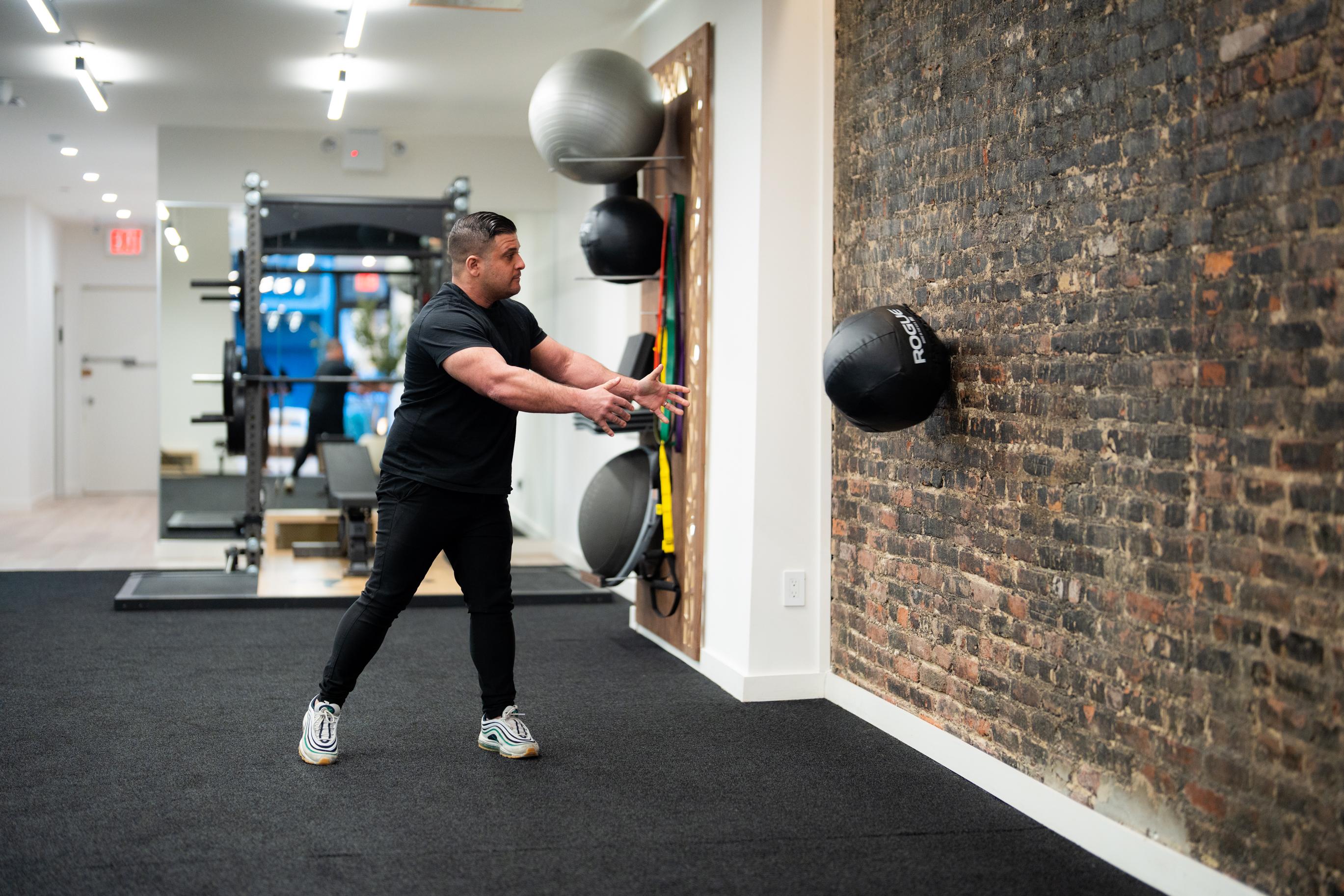
Physical therapy services encompass a wide range of specialized areas, each designed to address specific patient needs and promote optimal health. A core focus across all types of physical therapy is the assessment and improvement of functional movement, which is essential for restoring mobility, preventing injury, and supporting overall well-being.
Physical therapy includes several specialized areas:
- Orthopedic physical therapy: Focuses on musculoskeletal injuries and conditions, such as fractures, sprains, and post-surgical rehabilitation.
- Neurological physical therapy: Addresses disorders of the nervous system, including stroke, spinal cord injuries, and Parkinson’s disease.
- Pediatric physical therapy: Specializes in treating infants, children, and adolescents with developmental, neuromuscular, or skeletal issues.
- Geriatric physical therapy: Tailored specifically to the needs of older adults, this specialty manages age-related conditions like arthritis, osteoporosis, and balance disorders, aiming to improve health, independence, and quality of life as individuals experience age-related physical decline.
- Cardiopulmonary physical therapy: Helps patients recover from heart and lung conditions, such as chronic obstructive pulmonary disease (COPD) or after cardiac surgery.
- Sports medicine: Provides specialized physical therapy and rehabilitation for athletes, focusing on sports-related injuries, injury prevention, and performance enhancement.
These physical therapy services are delivered by licensed professionals who develop individualized treatment plans to restore movement, reduce pain, and support recovery across various specialties.
Orthopedic Physical Therapy
Orthopedic Physical Therapy focuses on the musculoskeletal system, including bones, muscles, ligaments, tendons, and joints.
Treats:
- Muscle strains
- Joint injuries
- Neck pain
- Post-surgical rehab
Neurological Physical Therapy
Helps conditions like:
- Stroke
- Parkinson’s disease
- Spinal cord injuries
- Brain injuries (such as traumatic brain injury)
Neurological physical therapy is designed for individuals with neurological disorders, such as stroke, Parkinson’s disease, and multiple sclerosis, to improve movement and function.
Cardiopulmonary Physical Therapy
Cardiovascular and Pulmonary Physical Therapy
Focuses on:
- Heart disease
- Lung conditions (e.g., COPD)
Cardiovascular and pulmonary physical therapy helps patients with heart and lung conditions improve their heart and lung function, physical endurance, and functional independence, especially after surgeries or chronic illnesses. This specialty is essential for individuals recovering from cardiac or pulmonary events, as it aims to restore optimal function and enhance quality of life.
Sports Physical Therapy
Sports physical therapy is specialized for athletes to treat sports-related injuries and optimize performance. It is designed for:
- Injury prevention, using specific exercises tailored to each athlete to prevent injury and aid in recovery
- Performance optimization
- Return-to-sport rehab
🔥 Pelvic Floor Physical Therapy (Underrated for Men)
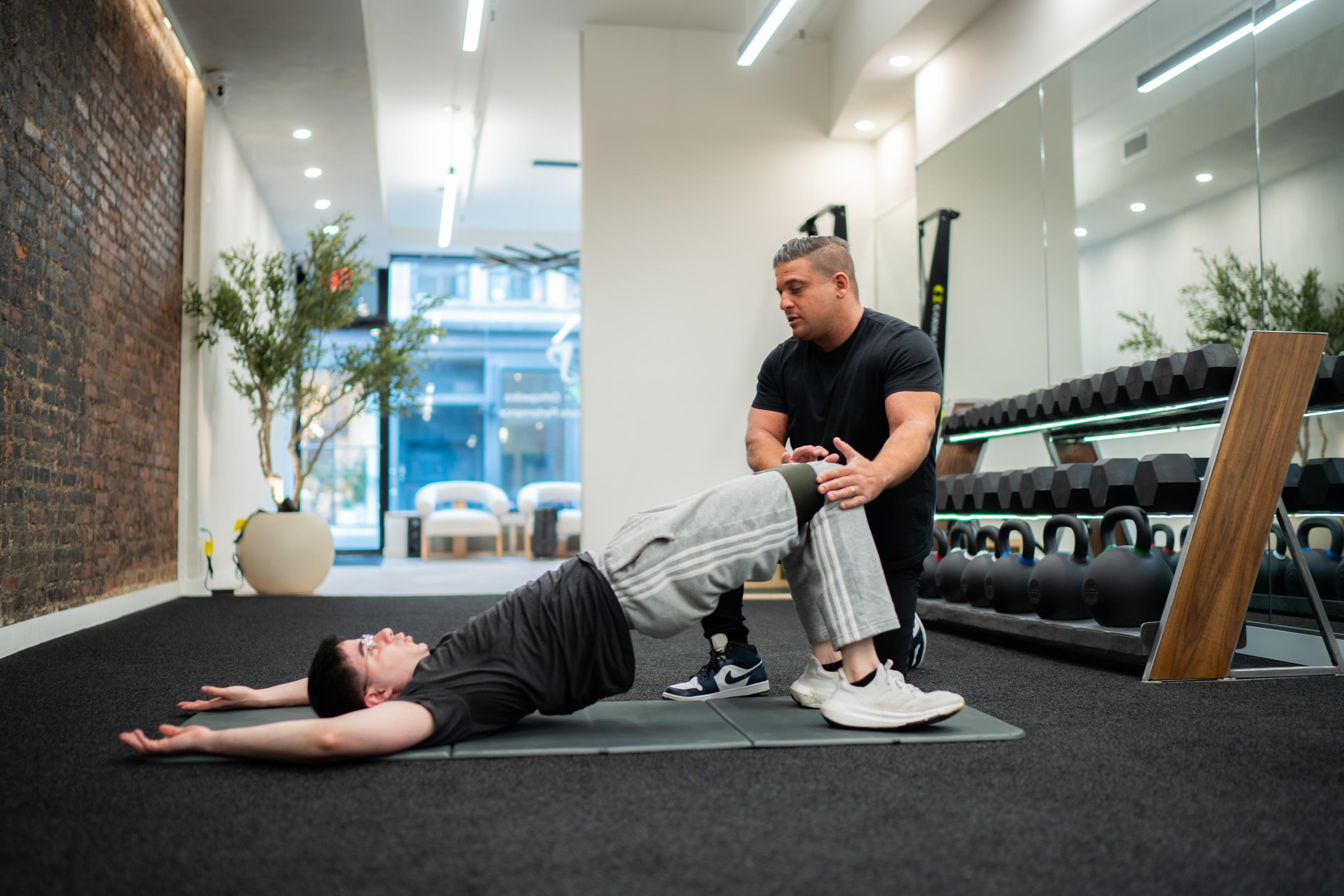
Targets:
- Pelvic pain
- Erectile dysfunction
- Core instability
- Urinary incontinence
Physical therapy, particularly pelvic floor rehabilitation, can help manage urinary incontinence, especially in older adults and women, by addressing pelvic floor dysfunction and strengthening the muscles involved in bladder control.
💡 Clinical insight:Pelvic floor dysfunction is often misdiagnosed. Many men treated for “back pain” actually have underlying pelvic floor involvement.
Key Benefits of Physical Therapy
✅ Pain Reduction
Uses:
- Manual therapy: Techniques such as massage, joint mobilization, and heat/cold therapies are commonly used in physical therapy to treat chronic or acute pain at its source. These interventions help reduce pain and relieve pain, supporting pain management and improving overall function.
- Movement correction
- Nervous system regulation
✅ Faster Injury Recovery
Restores mobility
Physical therapy is essential for restoring mobility after an injury. Stretching routines and joint mobilization help resolve stiffness and restore a full range of motion that may have been lost due to surgery or inactivity. Targeted exercises and stretches improve flexibility and joint mobility, helping patients regain the ability to move normally. These interventions also promote healing, allowing individuals to return to their daily activities more quickly.
Prevents compensation patterns
✅ Improved Performance
- Fixes movement inefficiencies
Physical therapy identifies and corrects inefficient movement patterns that can lead to pain or injury. By analyzing your posture, gait, and functional movements, therapists develop personalized plans to address weaknesses or imbalances. This not only reduces the risk of future injuries but also helps in developing fitness, which is a key part of improving overall performance and maintaining mobility throughout life.
- Enhances strength + coordination
Through targeted exercises, physical therapy builds muscle strength and improves neuromuscular coordination. Techniques like massage and targeted movement are also used to increase blood flow to injured areas, delivering essential oxygen and nutrients that speed up tissue repair. This comprehensive approach ensures you move more efficiently and with greater control, supporting both rehabilitation and long-term health.
✅ Long-Term Prevention
- Addresses root cause—not just symptoms
💡 Clinical insight:Pain often comes from poor movement patterns—not just tissue damage. By identifying and correcting these underlying issues, physical therapy helps prevent injury and reduces the risk of future re-injury, supporting long-term health and mobility.
What Happens During a Physical Therapy Session?
Your first session includes:
- An initial conversation where the physical therapist uses strong communication skills to build rapport, ensure you understand the process, and facilitate shared decision-making.
- A thorough assessment, including examinations and evaluations, to determine your specific needs. This helps the physical therapist develop a management plan that addresses your unique impairments and functional limitations.
- Discussion of your medical history, current symptoms, and goals for therapy.
- Collaboration with other health care professionals, such as doctors, nurses, or occupational therapists, to ensure you receive comprehensive care tailored to your condition.
- Education about your condition and what to expect from physical therapy.
- A portion of the session may focus on helping you manage symptoms like pain, stiffness, or instability, as well as introducing exercises or techniques to improve your function.
1. Evaluation
- Medical history
- Movement assessment
- Functional movement assessment
- Strength + mobility testing
2. Treatment Plan Creation
Customized based on:
- Your goals
- Your limitations
3. Treatment Sessions
May include:
- Targeted exercises
- Manual therapy
- Postural correction
- Modalities such as heat therapy, cold therapy, ultrasound, or electrical stimulation (therapists use these to manage swelling and inflammation)
💡 Pro tip: The best results happen when therapy continues outside the clinic, not just during sessions.
The Role of a Physical Therapist
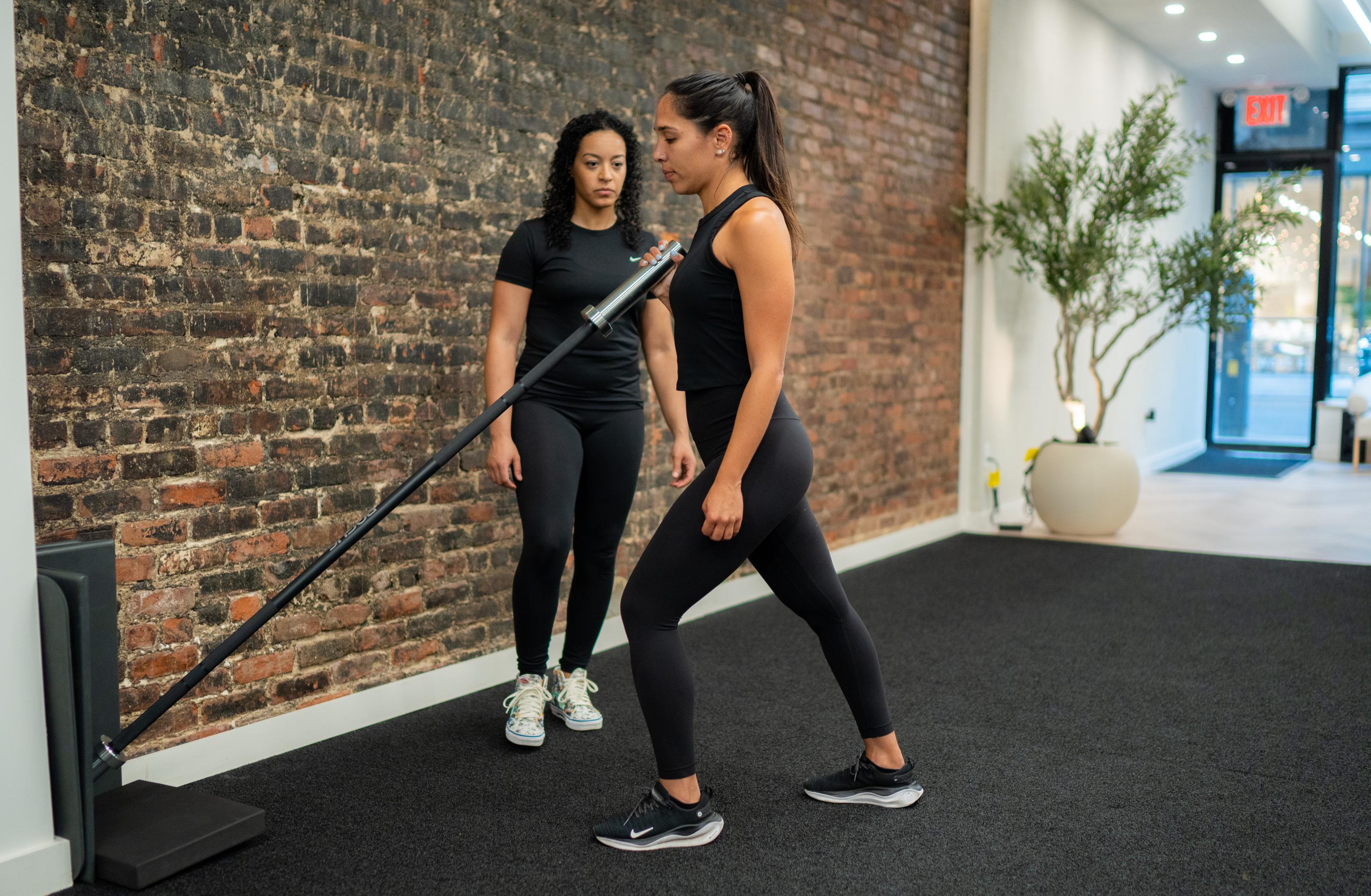
A physical therapist is trained to:
- Diagnose movement dysfunction
- Identify root causes of pain
- Design progressive rehab programs
Physical therapists work with patients in both inpatient hospital settings and outpatient clinics, providing physical therapy services that focus on restoring movement, reducing pain, and supporting recovery. These services are often delivered in collaboration with other health care professionals, including medical doctors. While medical doctors have broader diagnostic and treatment capabilities, such as prescribing medications and performing surgeries, physical therapists specialize in rehabilitation and movement therapies to help patients regain function.
They don’t just treat symptoms—they answer: 👉 “Why is this happening in the first place?”
Physical Therapy Education: Training, Credentials, and Expertise
Becoming a physical therapist requires a rigorous educational journey designed to produce highly skilled health care professionals. Most physical therapists begin by earning a bachelor’s degree, often in health sciences or a related field, before entering a Doctor of Physical Therapy (DPT) program. These physical therapy programs, accredited by the American Physical Therapy Association (APTA), typically last three years and combine classroom learning with hands-on clinical practice.
Physical therapy education covers movement science, anatomy, patient assessment, and a wide range of physical therapy treatments. After graduation, physical therapists must pass a national licensure exam and meet state-specific requirements to practice. This ensures that all licensed physical therapists are equipped to deliver safe, effective care.
Physical therapist assistants (PTAs) also play a crucial role in patient care. PTAs complete accredited associate’s degree programs and work under the supervision of physical therapists to help implement treatment plans and support patient progress.
Both physical therapists and PTAs are committed to lifelong learning, regularly participating in continuing education to stay current with advances in clinical practice and health care. This dedication to expertise ensures patients receive the highest standard of care throughout their recovery journey.
Occupational Therapy vs. Physical Therapy: What’s the Difference?
While both occupational therapy and physical therapy aim to help patients regain independence and improve their quality of life, their approaches and areas of focus differ. Occupational therapy is centered on enabling people to perform everyday activities—like dressing, cooking, or returning to work—despite physical, cognitive, or emotional challenges. Occupational therapists often work with individuals recovering from injuries, living with developmental disabilities, or managing chronic conditions that affect daily living.
Physical therapy, on the other hand, focuses on restoring and enhancing physical function, mobility, and strength. Physical therapists specialize in areas such as orthopedic, neurological, and sports physical therapy, using targeted interventions to manage pain, promote healing, and prevent future injuries. For example, sports physical therapy helps athletes recover from sports injuries and return to peak performance, while neurological physical therapy supports those with conditions like stroke or multiple sclerosis.
Although occupational therapy and physical therapy are distinct professions, they often collaborate as part of a multidisciplinary team. By working together, they develop comprehensive treatment plans that address both the physical and functional needs of each patient, ensuring the best possible outcomes.
Why Active Participation Matters
Physical therapy is not passive.
Active participation in physical therapy helps support active lifestyles by encouraging regular movement, developing fitness, and maintaining long-term health.
Patients who improve fastest:
- Follow home programs
- Stay consistent
- Communicate openly
🚫 Common mistake:Doing exercises incorrectly or inconsistently—which can delay progress.
Physical Therapy for Men (Your Competitive Edge Section)
Men often ignore issues like:
- Pelvic pain
- Erectile dysfunction
- Core weakness
- Urinary incontinence
But these are frequently linked to: 👉 Pelvic floor dysfunction
Physical therapy can help by:
- Improving blood flow
- Restoring muscle coordination
- Reducing tension in the pelvic region
- Managing urinary incontinence, especially when related to pelvic floor dysfunction
💡 Clinical insight: Tight pelvic floor muscles can be just as problematic as weak ones—yet most programs only focus on strengthening.
Wound Management and Physical Therapy
Wound management is an essential component of physical therapy, especially for patients with chronic conditions or those recovering from surgery. Physical therapists are trained to assess and treat a variety of wounds, using evidence-based techniques to promote healing and prevent complications.
Manual therapy, ultrasound therapy, and electrical stimulation are just a few of the physical therapy treatments used to enhance blood flow, decrease pain, and accelerate tissue repair. Physical therapists also educate patients on proper wound care, including how to change dressings, maintain hygiene, and use assistive devices like compression garments or orthotics to support healing.
By integrating wound management into the overall treatment plan, physical therapists help patients recover more efficiently, reduce the risk of infection, and improve long-term patient outcomes. Their expertise not only helps wounds heal but also empowers patients to take an active role in their recovery and maintain their health in everyday life.
Physical Therapy Covered by Insurance
Health insurance, including Medicare, often covers physical therapy services when medically necessary. The cost of physical therapy varies depending on your insurance coverage and the facility you choose. Insurance typically covers physical therapy, but the extent of coverage can vary based on the facility and the number of visits allowed. Medicare covers physical therapy, but there is a limit on the number of sessions covered, so it’s important to check your coverage beforehand.
Before starting:
- Check session limits
- Understand co-pays
- Confirm provider coverage
FAQs
Q: How long does physical therapy take?
A: Typically 4–12 weeks, depending on the condition.
Q: Does physical therapy hurt?
A: Some discomfort is normal, but treatment should not worsen symptoms.
Q: Can physical therapy replace surgery?
A: In many cases—yes, especially for musculoskeletal issues.
Q: What are the educational requirements to become a physical therapist?
A: To become a physical therapist in the U.S., you must first complete a bachelor’s degree, then earn a physical therapy degree by graduating from a Doctor of Physical Therapy (DPT) program, which usually takes about three years. The DPT program must be an accredited program recognized by the Commission on Accreditation in Physical Therapy Education (CAPTE). After completing your education, you must pass a licensing exam to practice as a physical therapist in your state.
Q: Where can I find information about job outlook and salaries for physical therapists?
A: Authoritative sources like the Bureau of Labor Statistics and the Occupational Outlook Handbook provide up-to-date labor statistics, including employment numbers, salary ranges, and projected job growth for physical therapists and related careers.
Final Thoughts
Physical therapy is not just about recovery—it’s about taking control of how your body functions for life.
If you’re dealing with pain, movement issues, or performance limitations, the right therapy program can be life-changing.
👉 Learn more at Pelvis NYC or explore our guide on pelvic floor therapy.
No comment yet, add your voice below!