
If you’ve searched for jelqing before and after photos, you’re not alone. Many men come to our clinic looking for answers about penis size, erection quality, and sexual confidence. While the internet is filled with dramatic claims about enlargement techniques, the reality is more nuanced—and often more hopeful.
As a pelvic floor physical therapist in New York City, I’ve found that many men who are worried about size are actually dealing with issues related to pelvic floor dysfunction, erectile quality, pelvic tension, or performance anxiety. Understanding the difference can help you focus on solutions that are supported by evidence rather than internet myths.
Quick Answer: Current medical evidence does not show that jelqing permanently increases penis size. However, repetitive stretching techniques may contribute to tissue irritation, pelvic floor dysfunction, pain, or erectile problems in some men. Pelvic floor physical therapy cannot make the penis anatomically larger, but it can help improve erection quality, pelvic health, sexual function, and confidence by addressing the underlying factors that often drive concerns about size.
Not sure if pelvic floor therapy is right for you? Book a free 15-minute teleconsultation with Dr. Adam—no referral needed.
https://calendly.com/drpelvis/appointment
What Is Jelqing, and Do Jelqing Before and After Results Actually Work?
There is currently no high-quality scientific evidence showing that jelqing produces predictable, permanent penis enlargement.
**Quotable takeaway: Most jelqing before and after claims are anecdotal, while the scientific evidence supporting permanent enlargement remains extremely limited.
Jelqing is a manual stretching technique promoted online as one of several jelqing techniques for male enlargement. The theory is that repeated stretching, performed with the fingers by gripping near the base of your penis and moving toward the tip, creates microscopic changes within penile tissue that eventually lead to increased length or girth.
The problem is that this theory has not been validated by well-designed clinical research.
What the Research Shows
Several findings are worth noting:
- A review published in BJU International concluded that evidence supporting non-surgical penile enlargement techniques is limited.
- Research suggests that many men seeking enlargement already fall within normal penile measurement ranges, often because they misunderstand the average penis size.
- Studies have found that approximately 45% of men report dissatisfaction with penis size, despite objective measurements often being normal.
As clinicians, we have to separate internet anecdotes from medical evidence. Jelqing is typically described online as a manual stretching technique, and it is often described as originating with Sudanese tribes in the Middle East. Claims about jelqing results are often repeated in internet forums and sexual medicine discussions despite poor evidence for penis lengthening or attempts to increase penis length. Most medical organizations do not recommend jelqing.
At our NYC clinic, we frequently meet men who have spent months researching enlargement techniques but have never had a proper evaluation of their pelvic floor function, erection quality, or contributing musculoskeletal factors.
Can Jelqing Exercises Cause Pelvic Floor Dysfunction?
Yes, in some cases, aggressive or repetitive stretching may contribute to pelvic floor dysfunction, pelvic pain, or sexual symptoms, and those risks are one reason clinicians caution against overdoing it.
**Quotable takeaway: Pain is not a sign that enlargement is occurring—it is a sign that tissues may be becoming irritated.
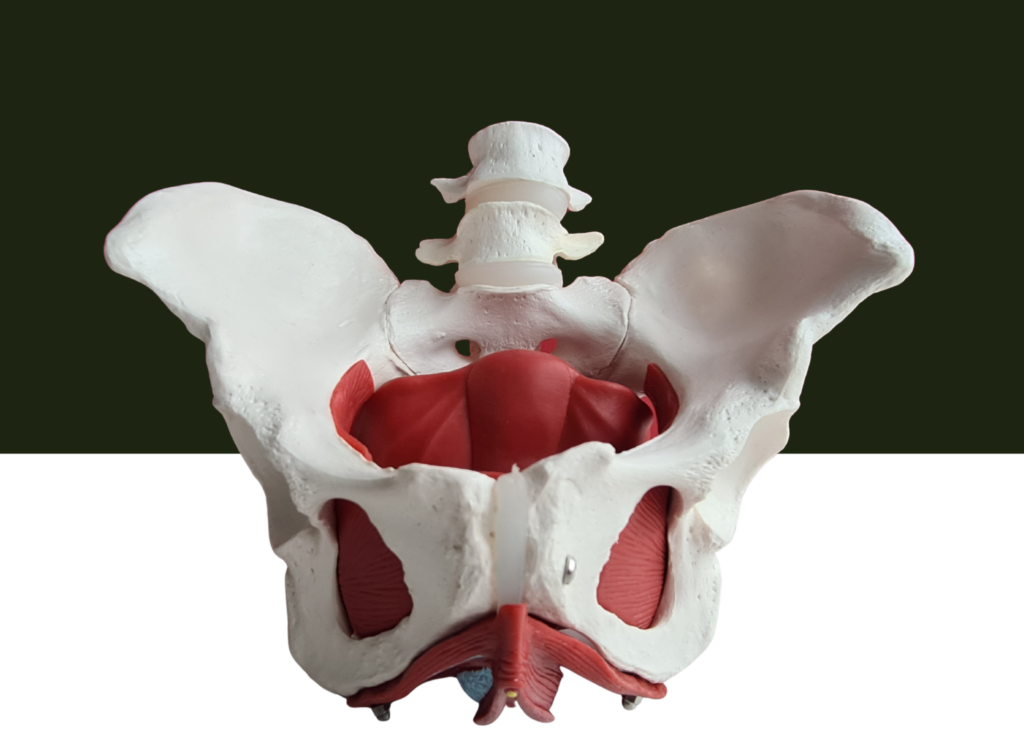
The pelvic floor is a group of muscles that support the bladder, bowel, and sexual organs. These muscles also play a critical role in erections, ejaculation, and sexual sensation.
Unlike skeletal muscles, penile tissue does not adapt to stretching the way gym-trained muscle does.
When tissues become irritated, the body’s natural response is often to increase muscular guarding, and aggressive stretching may impair healthy blood circulation rather than improve it over time.
How Scar Tissue Develops in This Process
Repeated stretching may lead to:
- Local tissue irritation and skin irritation
- Bruising
- Increased sensitivity
- Scar tissue formation that may contribute to Peyronie’s disease
- Pelvic muscle tension
- Protective muscle guarding
While some users report temporary increased blood flow after jelqing, that should not be mistaken for permanent enlargement. Unlike skeletal muscles, penile tissue does not adapt to stretching like weight training, so the risks of aggressive stretching can outweigh any perceived short-term benefit. Over time, this may contribute to hypertonic pelvic floor dysfunction, meaning the pelvic floor muscles become excessively tight and overactive.
Common Symptoms
Men with pelvic floor dysfunction may experience:
- Pelvic pain
- Groin tightness
- Painful erections
- Painful ejaculation
- Erectile dysfunction
- Urinary urgency
- Urinary frequency
- Difficulty relaxing during sex
Learn more about our approach to male pelvic floor dysfunction treatment:
pelvis.nyc/understanding-male-pelvic-floor-dysfunction-symptoms-causes-and-treatment/
What Is the Role of Pelvic Floor Physical Therapy in Jelqing and Penis Size Concerns?
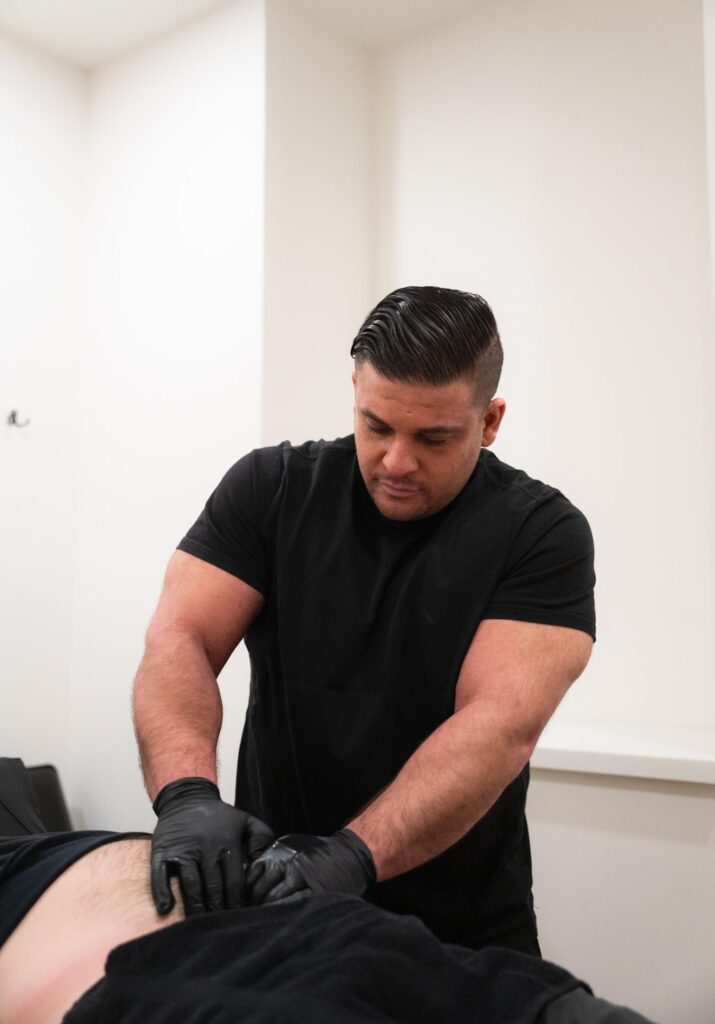
Pelvic floor physical therapy does not increase penile size, but it can improve the factors that influence sexual performance and erection quality.
Quotable takeaway: Pelvic floor therapy focuses on improving function—not creating anatomical enlargement.
This is where I believe many online discussions miss the bigger picture.
Most men are not actually looking for a ruler measurement. They’re looking for:
- Better erections
- More confidence
- Improved sexual performance
- Better sensation
- Less anxiety
What Pelvic Floor Therapy Can Improve
Pelvic floor therapy may help address:
- Pelvic muscle tension
- Erectile dysfunction
- Ejaculatory control issues
- Pelvic pain
- Breathing dysfunction
- Core coordination deficits
- Movement restrictions affecting pelvic health
Why Erections Sometimes Feel “Smaller”
One of the most common things I hear is:
“My penis feels smaller than it used to.”
In many cases, the issue isn’t anatomy.
When pelvic floor muscles become tight and overactive:
- Blood flow may be affected.
- Erections may feel less rigid.
- The penis may appear less full.
- Pelvic tension may create a sensation of retraction.
When we restore healthy pelvic floor function, patients often report stronger erections and improved confidence. The penis has not physically grown, but function has improved.
This is one reason many men who initially seek penis enlargement exercises ultimately benefit more from pelvic floor rehabilitation than continued stretching.
A Unique Pelvis NYC Perspective
At Pelvis NYC, we don’t look only at the penis.
We evaluate:
- Pelvic floor muscle function
- Hip mobility
- Breathing mechanics
- Core stability
- Orthopedic movement patterns
- Stress and nervous system regulation
This whole-body approach often uncovers contributors that enlargement forums completely overlook.
What Actually Causes Pelvic Floor Dysfunction in Men?
Pelvic floor dysfunction is usually multifactorial, meaning several contributing factors are often involved.
Quotable takeaway: The pelvic floor rarely becomes dysfunctional in isolation—it is often influenced by stress, posture, movement, and lifestyle factors.
Common Causes
Potential contributors include:
- Chronic stress
- Anxiety
- Prolonged sitting
- Weightlifting without proper breathing mechanics
- Pelvic injuries
- Low back pain
- Hip dysfunction
- Repetitive straining
- Sexual pain conditions
For many busy professionals, Wall Street workers, and NYC athletes, chronic stress and prolonged sitting are surprisingly common drivers.
Clinical Insight
One thing I’ve observed repeatedly is that men who are intensely focused on sexual performance often carry significant tension throughout the pelvic floor, abdomen, diaphragm, and hips.
Addressing these movement and tension patterns can sometimes improve sexual function more effectively than focusing solely on the penis itself.
What Are Safer Alternatives to Penis Enlargement Exercises?
If your goal is better sexual function, evidence-based treatment is safer and more effective than self-directed enlargement programs, and even some clinical options offer only limited benefits rather than meaningful enlargement.
**Quotable takeaway: Improving function often produces more meaningful results than pursuing enlargement. A urologist can also explain why many methods do not significantly change a flaccid penis.
Under Evidence-Based Options, medical evaluation by a urologist remains the best starting point, especially if you are worried about erections, pain, curvature, or body-image concerns. Penile traction devices may modestly stretch tissue and increase flaccid length by less than 2 cm, but they typically require 4 to 6 hours of daily use for results.
A penis pump can induce erections but does not increase penis length.
Injections may increase girth rather than length and can cause side effects, while surgery is another medically supervised option that should never be approached as self-experimentation.
Evidence-Based Options
Depending on the underlying issue, treatment may include:
- Pelvic floor physical therapy
- Strength and conditioning programs
- Cardiovascular exercise
- Stress management
- Medical evaluation by a urologist
- Psychological support from a sex therapist when body image, anxiety, or intimacy concerns are central
Whole-Body Care Matters
Many patients also benefit from:
- Orthopedic physical therapy: pelvis.nyc/expert-orthopedic-physical-therapy/
- Sports performance rehabilitation: pelvis.nyc/maximizing-your-potential-the-ultimate-guide-to-improving-sports-performance/
Sexual health is closely connected to overall physical health.
When Should You See a Pelvic Floor Physical Therapist?
If symptoms persist, worsen, or interfere with your quality of life, professional evaluation by a doctor or pelvic floor physical therapist is appropriate.
**Quotable takeaway: Persistent sexual symptoms deserve assessment—not more internet experimentation.
Consider an Evaluation If You Have:
- Erectile dysfunction
- Pelvic pain
- Groin discomfort
- Painful ejaculation
- Urinary symptoms
- Symptoms after jelqing
- Persistent concerns about sexual performance
What to Expect at Pelvis NYC
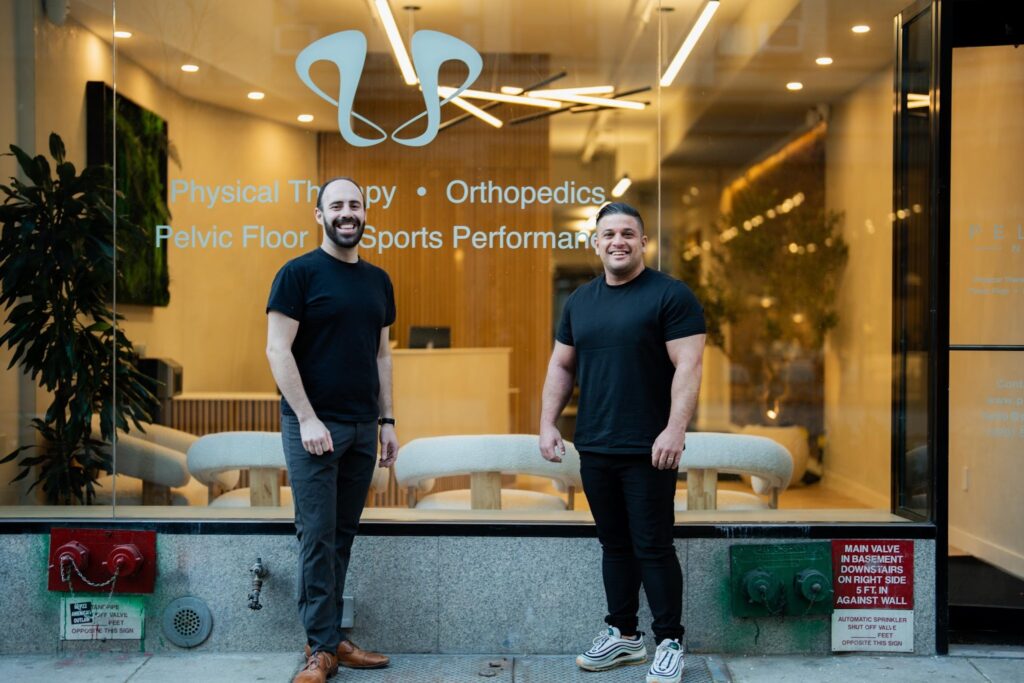
Located at 110 West 17th Street, New York, NY 10011, in Chelsea, Pelvis NYC offers:
- One-on-one treatment sessions
- Same-gender care options
- Whole-body assessments
- Judgment-free care
- Evidence-informed treatment plans
Conclusion: The Truth About Jelqing Before and After
The most important takeaway about jelqing before and after results is that current evidence does not support predictable, permanent penis enlargement. What we do know is that aggressive stretching may increase the risk of tissue irritation, pelvic floor dysfunction, pain, and sexual performance issues.
As a pelvic floor physical therapist, my focus is not on making the penis larger. My focus is on helping men achieve stronger erections, healthier pelvic floor function, better sexual performance, and greater confidence. In many cases, those outcomes are ultimately what patients were seeking all along.
Frequently Asked Questions
Can pelvic floor physical therapy increase penis size?
No. Pelvic floor therapy cannot anatomically enlarge the penis. However, it may improve erection quality, blood flow, and pelvic muscle function, which can make erections feel fuller and stronger.
Do jelqing before and after photos prove the technique works?
No. Most online photos are anecdotal and difficult to verify. Lighting, camera angles, temporary swelling, and image editing can all affect appearance. A stronger-looking erection or short-term puffiness is not the same as a permanent change in a flaccid penis or erect size.
Can jelqing exercises cause erectile dysfunction?
Potentially. You should stop jelqing if pain occurs or if the penis becomes erect. Tissue irritation, nerve sensitivity changes, and scar formation may contribute to erectile difficulties in some individuals.
How do I know if I have pelvic floor dysfunction?
Common symptoms include pelvic pain, urinary urgency, painful ejaculation, erectile dysfunction, and persistent tension in the pelvis or groin.
Do I need a referral to see a pelvic floor PT in NYC?
In many situations, no referral is necessary. Contact the clinic directly to discuss your situation and scheduling options.
Does Pelvis NYC treat women as well as men?
Yes. Pelvis NYC provides pelvic floor therapy for both men and women, as well as orthopedic and sports performance physical therapy services.
Ready to Address the Real Cause of Your Symptoms?
If you’re concerned about penis size, erection quality, pelvic pain, or sexual performance, a comprehensive evaluation can help identify what is actually contributing to your symptoms.
Schedule an appointment with Pelvis NYC to receive individualized, evidence-informed care designed around your goals.
Book your evaluation:
pelvis.nyc/contact/
Author Bio
Dr. Adam Gvili, PT, DPT, is the founder and lead clinician at Pelvis NYC. He specializes in pelvic floor physical therapy, orthopedic rehabilitation, and sports performance care. Dr. Gvili is known for his whole-body approach to men’s pelvic health, helping patients address pelvic pain, sexual dysfunction, and performance concerns through evidence-based treatment strategies.
No comment yet, add your voice below!