
What Are the Signs of Overdoing Kegels?
The most common signs of overdoing Kegels include pelvic pain, difficulty relaxing your pelvic floor, painful sex, constipation, and increased urinary urgency or leakage. A hypertonic pelvic floor can also cause pain during or after sexual intercourse, difficulty with penetration, and discomfort while using tampons or inserting anything into the vagina. While Kegel exercises are meant to strengthen muscles, doing them too often or incorrectly can lead to an overactive (tight) pelvic floor—causing more harm than benefit. Symptoms of a hypertonic pelvic floor include increased urinary urgency, constipation, pelvic pain, and low back pain.
What Are Kegels and Why Do People Do Them?
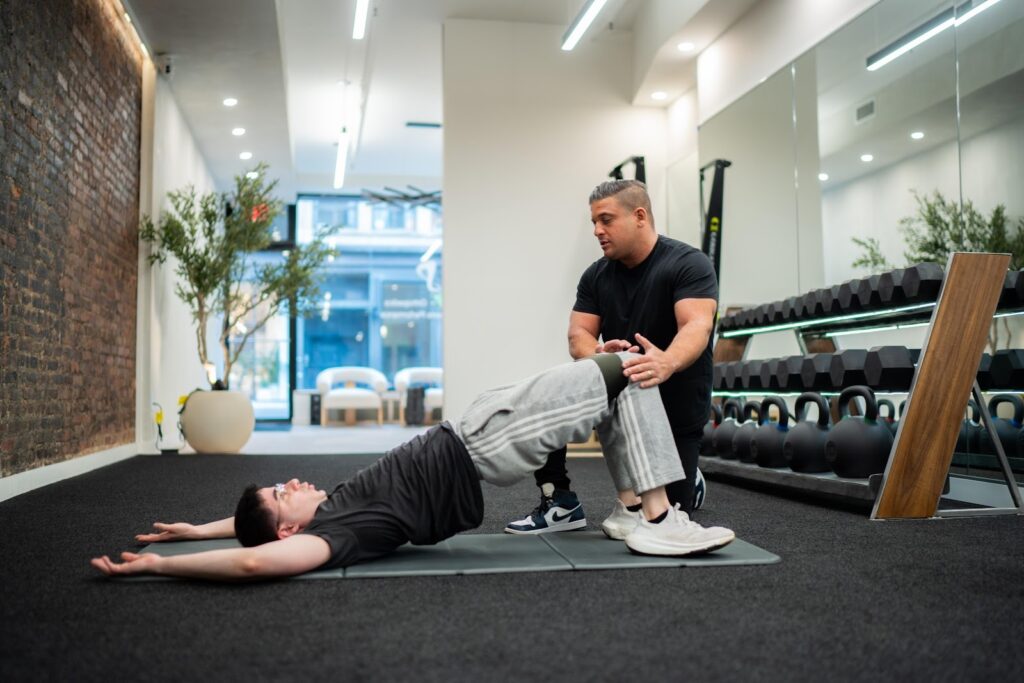
Kegel exercises are designed to strengthen the pelvic floor muscles, also known as pelvic muscles, which support the bladder, bowel, and reproductive organs. Kegel exercises help strengthen the pelvic muscles, which play a key role in sexual health, supporting the core and back, and improving orgasm. They are often recommended for:
- Urinary incontinence
- Postpartum recovery
- Prostate health (in men)
- Pelvic organ support
Pregnancy, childbirth, and other life events can weaken the pelvic muscles for many reasons, leading to symptoms like incontinence and loss of better control over bladder and bowel function.
However, more isn’t always better. Just like any muscle group, the pelvic floor needs both strength and relaxation to function properly.
According to the National Institutes of Health, pelvic floor dysfunction can result not only from weakness but also from excessive tension.
Signs You’re Overdoing Kegels: Pelvic Floor Muscle Imbalance Explained

Many people believe Kegel exercises are always beneficial, but doing too many or doing them incorrectly can lead to a hypertonic pelvic floor. Instead of strengthening, overtraining these muscles can cause pain, tension, and even worsen urinary or bowel symptoms.
If you’re doing pelvic floor exercises regularly and noticing new discomfort, your body may be signaling that it’s time to stop and reassess.
1. Pelvic Pain or Pressure
One of the most common signs of overdoing Kegels is pelvic discomfort.
You may experience:
- Aching, tightness, or burning in the pelvic area
- Pain that worsens after Kegel exercises
- A constant “clenching” or gripping sensation
This happens because the pelvic floor muscles are unable to relax, creating ongoing tension.
2. Painful Sex (Dyspareunia)
An overly tight pelvic floor can make intimacy uncomfortable or even painful.
Symptoms include:
- Pain during penetration or intercourse
- Difficulty relaxing muscles during sex
- A feeling of tightness or resistance
This is more commonly reported in women, but men can also experience discomfort due to pelvic floor tension.
3. Difficulty Starting or Fully Emptying Urine
Kegels are often recommended for bladder control—but too many can have the opposite effect.
Warning signs include:
- Hesitancy or difficulty starting urination
- Weak or interrupted urine stream
- Feeling like your bladder isn’t fully empty
This occurs when tight pelvic muscles restrict normal urine flow.
4. Increased Urinary Urgency or Frequency
Ironically, overtraining your pelvic floor can worsen urinary symptoms.
You might notice:
- Frequent urges to urinate
- Sudden urgency
- Occasional leakage
When the muscles are too tight, they can become overactive and uncoordinated, leading to these issues.
5. Constipation or Painful Bowel Movements
Your pelvic floor plays a key role in bowel function. If it can’t relax properly, it can lead to:
- Straining during bowel movements
- A feeling of blockage or incomplete emptying
- Rectal discomfort or pain
This is a common but often overlooked sign of pelvic floor dysfunction.
6. Tailbone, Hip, or Lower Back Pain
The pelvic floor doesn’t work in isolation—it’s connected to surrounding muscles in your core and hips.
Overuse can lead to:
- Tailbone (coccyx) pain
- Hip tightness or discomfort
- Lower back pain
This happens because tension in the pelvic floor can spread to nearby muscle groups, creating a chain reaction of discomfort.
Why Too Many Kegels Can Backfire
Kegels are designed to strengthen weak pelvic floor muscles. But if your muscles are already tight, adding more contractions can:
- Increase muscle tension
- Reduce flexibility and coordination
- Worsen pain and dysfunction
In many cases, the issue isn’t weakness—it’s inability to relax.
When to Stop Kegels and Seek Help
You should pause Kegel exercises and consider professional guidance if:
- Your symptoms worsen after doing them
- You experience pain, not improvement
- You have difficulty with urination or bowel movements
A pelvic floor specialist can assess whether your muscles are tight, weak, or uncoordinated—and guide you toward the right treatment.
How Pelvic Floor Physical Therapy Can Help
Working with a specialist, such as those at Pelvis NYC, can help you:
- Learn how to properly relax your pelvic floor
- Release muscle tension and trigger points
- Restore normal coordination and function
- Reduce pain and prevent worsening symptoms
Pelvic floor physical therapy focuses on balance—not just strength.
Why Overdoing Kegels Causes Problems
Your pelvic floor muscles are not meant to stay contracted all the time. Overdoing Kegels can also cause you to unintentionally engage other muscles, such as the abdominals or glutes, which reduces the exercise’s effectiveness and may lead to discomfort. Some individuals find that Kegel exercises can trigger soreness or discomfort, especially if they have a history of pelvic trauma.
The Core Issue: Lack of Relaxation
When you do too many Kegels:
- Muscles stay shortened and tight
- Blood flow decreases
- Trigger points develop
- Nerves become more sensitive
This leads to a dysfunctional pattern:
Tight muscles → Poor coordination → More symptoms
Weak vs Tight Pelvic Floor: The Key Difference
Many people mistake a tight pelvic floor for a weak one.
| Symptom | Weak Pelvic Floor | Tight Pelvic Floor |
| Leakage | Common | Can also happen |
| Pain | Rare | Common |
| Urgency | Yes | Yes |
| Constipation | Sometimes | Very common |
| Pain with sex | Rare | Common |
A tight pelvic floor can lead to increased muscle tone, which may cause pain and other symptoms.
👉 This is why doing more Kegels can sometimes make symptoms worse, not better.
Who Is Most at Risk of Overdoing Kegels?
You may be more likely to overtrain your pelvic floor if you:
- Do Kegels daily without guidance
- Follow a generic online Kegel routine
- Are postpartum and trying to “fix” symptoms quickly
- Have chronic stress or anxiety (which tightens muscles)
- Sit for long periods
How Many Kegels Is Too Many?
There’s no one-size-fits-all answer, but red flags include:
- Doing Kegels multiple times per day without rest
- Holding contractions too long without relaxation
- Feeling worse after exercises
Repetitions of Kegel exercises should generally not exceed 15 minutes in total, with equal contraction and relaxation times. Quality-controlled contractions are more effective than high-quantity Kegel exercises, which can lead to fatigue or strain. Kegel exercises should be done consistently, ideally in sets of two to three times per day, gradually increasing the number of repetitions to build endurance and gain strength through regular practice.
Most people benefit more from quality and balance, not quantity.
How to Fix an Overactive Pelvic Floor
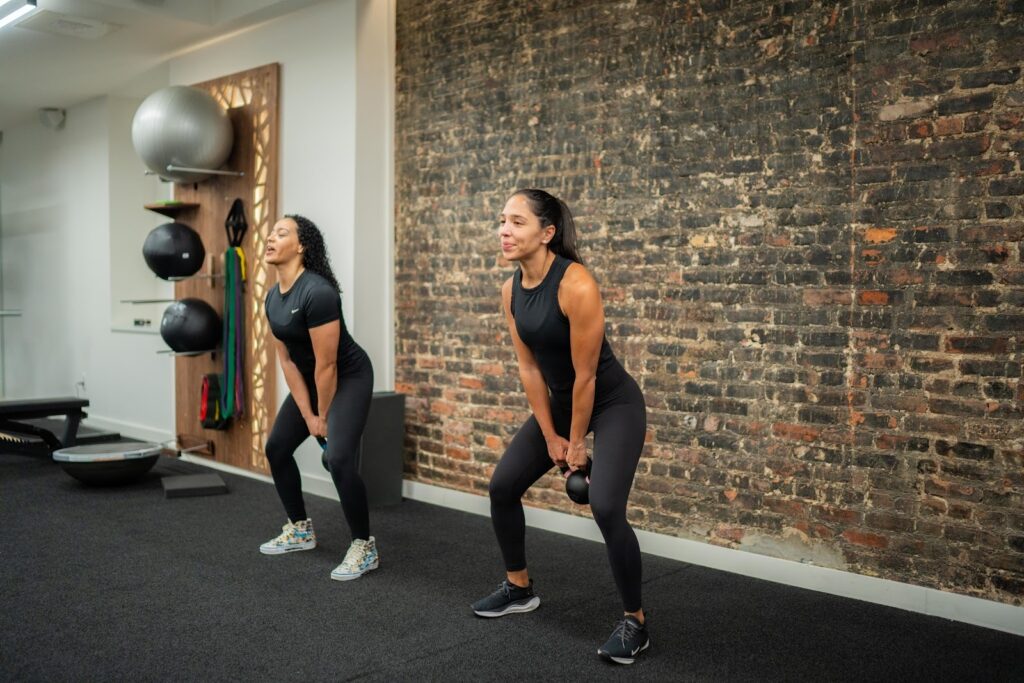
If you suspect you’re overdoing Kegels, the goal is to restore relaxation and coordination. If you experience pain, soreness, or increased leaking, it is helpful to stop Kegel exercises and consult a healthcare provider or physical therapist. Consulting a healthcare provider is recommended if you are unsure whether Kegel exercises are appropriate for you. A pelvic floor physical therapist can evaluate your pelvic floor muscles and help determine if Kegel exercises are right for you. If you experience pain or discomfort while doing Kegel exercises, it is advisable to contact a healthcare provider for assistance.
1. Stop or Reduce Kegels Temporarily
Give your muscles time to reset. Continuing may worsen symptoms.
2. Focus on Relaxation Techniques
- Diaphragmatic breathing
- Pelvic floor “drops” (reverse Kegels)
- Gentle stretching (hips, glutes, inner thighs)
3. Address Lifestyle Factors
- Avoid straining during bowel movements
- Reduce stress
- Improve posture and movement patterns
‘Signs of Overdoing Kegels‘ Why Pelvic Floor Physical Therapy (Pelvic Floor PT) Is Essential
This is where most people see real improvement.
A trained pelvic floor specialist or physical therapist can:
- Determine if your muscles are tight, weak, or both
- Use hands-on techniques to release tension
- Teach proper coordination (contract + relax)
- Customize exercises to your body
- Show you the correct way to perform Kegel exercises, which can lead to significant improvements in pelvic health
- Provide guidance on alternative exercises if Kegels are not suitable for you
Many individuals report that learning the correct technique for Kegel exercises has been life-changing for them. Consulting a healthcare provider or pelvic floor physical therapist ensures you receive expert guidance and avoid overexertion or worsening symptoms.
Research from the American Physical Therapy Association shows pelvic floor physical therapy significantly improves symptoms of pelvic pain and dysfunction.
Real Case Insight: When Kegels Make Things Worse
Many patients come in thinking they need more strengthening, but actually need the opposite.
Example:
A patient with urinary urgency was doing 100+ Kegels daily.
After switching to relaxation-focused therapy:
- Urgency decreased
- Pain resolved
- Bladder control improved
This highlights a critical truth:
More exercise is not always better—especially for the pelvic floor.
When Should You Stop Doing Kegels?
Stop and seek guidance if you experience:
- Pain during or after Kegels
- Increased urinary symptoms
- Painful sex
- Constipation or difficulty emptying
These are strong indicators that your pelvic floor needs relaxation, not strengthening.
CTA: Get Expert Help at Pelvis NYC

If you think you may be overdoing Kegels, getting expert guidance can prevent long-term issues.
Pelvis NYC specializes in helping both men and women:
- Identify pelvic floor dysfunction
- Reduce muscle tension
- Restore proper function
Their personalized pelvic floor physical therapy programs focus on balance—not just strength.
👉 If your symptoms are getting worse instead of better, it’s time to get evaluated.
Frequently Asked Questions (FAQs)
Can doing too many Kegels make symptoms worse?
Yes. Overdoing Kegels can lead to a tight pelvic floor, worsening pain, urgency, and bowel issues.
How do I know if my pelvic floor is too tight?
Common signs include pelvic pain, painful sex, constipation, and difficulty relaxing muscles.
Should I stop Kegels if I have pain?
Yes. Pain is a signal that something isn’t right. Stop and consult a specialist.
Are reverse Kegels better?
They can help if your pelvic floor is tight, as they focus on relaxation rather than contraction.
Can men overdo Kegels too?
Absolutely. Men can experience pelvic pain, urinary issues, and tension from excessive Kegels.
How long does it take to fix an overactive pelvic floor?
With proper therapy, many people see improvement within a few weeks to months.
Final Thoughts
Kegels are often recommended as a quick fix—but without proper guidance, they can create new problems. Understanding the signs of overdoing Kegels is key to protecting your pelvic health.
A healthy pelvic floor isn’t just strong—it’s flexible, coordinated, and able to relax.


No comment yet, add your voice below!