Exercise to Relax the Pelvic Floor: How Effective Techniques Can Reduce Pelvic Pain

Exercise to Relax the Pelvic Floor: How Effective Techniques Can Reduce Pelvic Pain

Quick Answer

Yes, the right exercise to relax the pelvic floor muscles can help reduce pelvic pain, bladder urgency, constipation, sexual dysfunction, and symptoms of an overactive pelvic floor. Unlike traditional Kegel exercises that focus on strengthening, relaxation exercises teach the pelvic floor to lengthen, release tension, and coordinate properly with breathing and movement.

For many people, tight pelvic floor muscles—not weak ones—are the root cause of symptoms. Working with a pelvic floor physical therapist can help identify the underlying issue and create a personalized treatment plan.


Why Relaxing Your Pelvic Floor Matters
When people hear about pelvic floor health, they often think about strengthening exercises.

However, many individuals suffering from pelvic pain, urinary urgency, painful intercourse, constipation, or chronic tension actually have the opposite problem:

Tight Pelvic Floor Muscles

A healthy pelvic floor should be able to:

  • Contract when needed
  • Relax completely
  • Lengthen during a bowel movement
  • Coordinate with breathing
  • Support sexual function

When the pelvic floor stays contracted for extended periods, symptoms can develop. Ongoing pelvic floor tension or pelvic floor muscle tension can make symptoms worse over time.

This condition is often called:

  • Hypertonic pelvic floor
  • Overactive pelvic floor
  • Non-relaxing pelvic floor dysfunction
  • Pelvic floor hypertonicity

According to research published by the National Institutes of Health (NIH), pelvic floor dysfunction can contribute significantly to chronic pelvic pain and urinary symptoms in both men and women.


What Are Pelvic Floor Muscles?

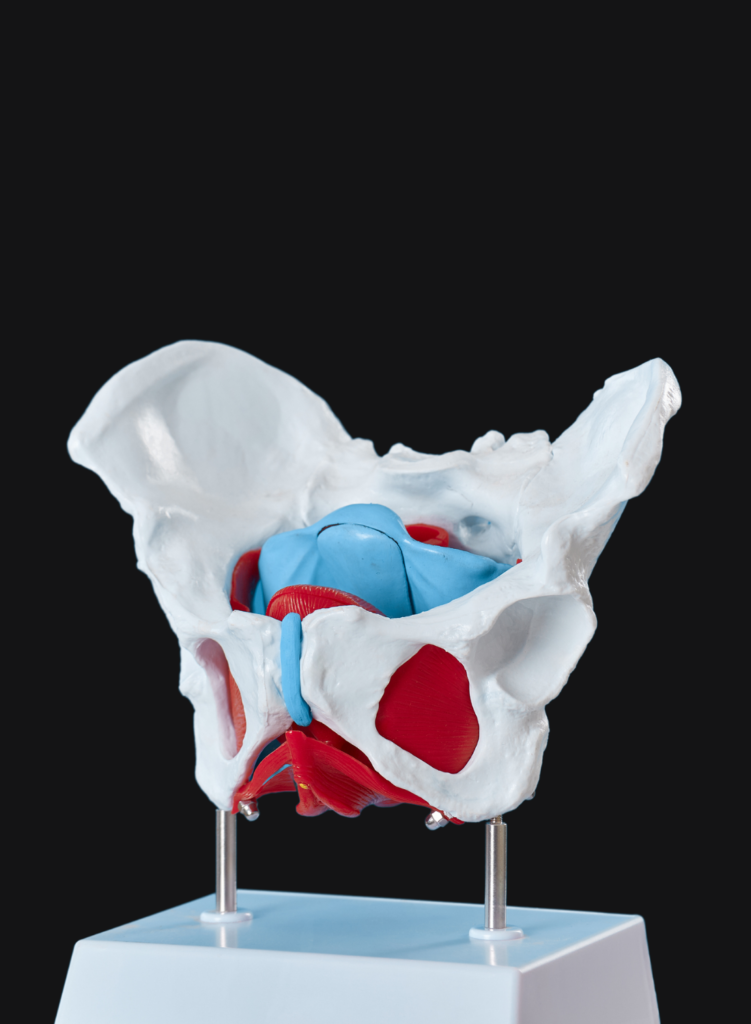
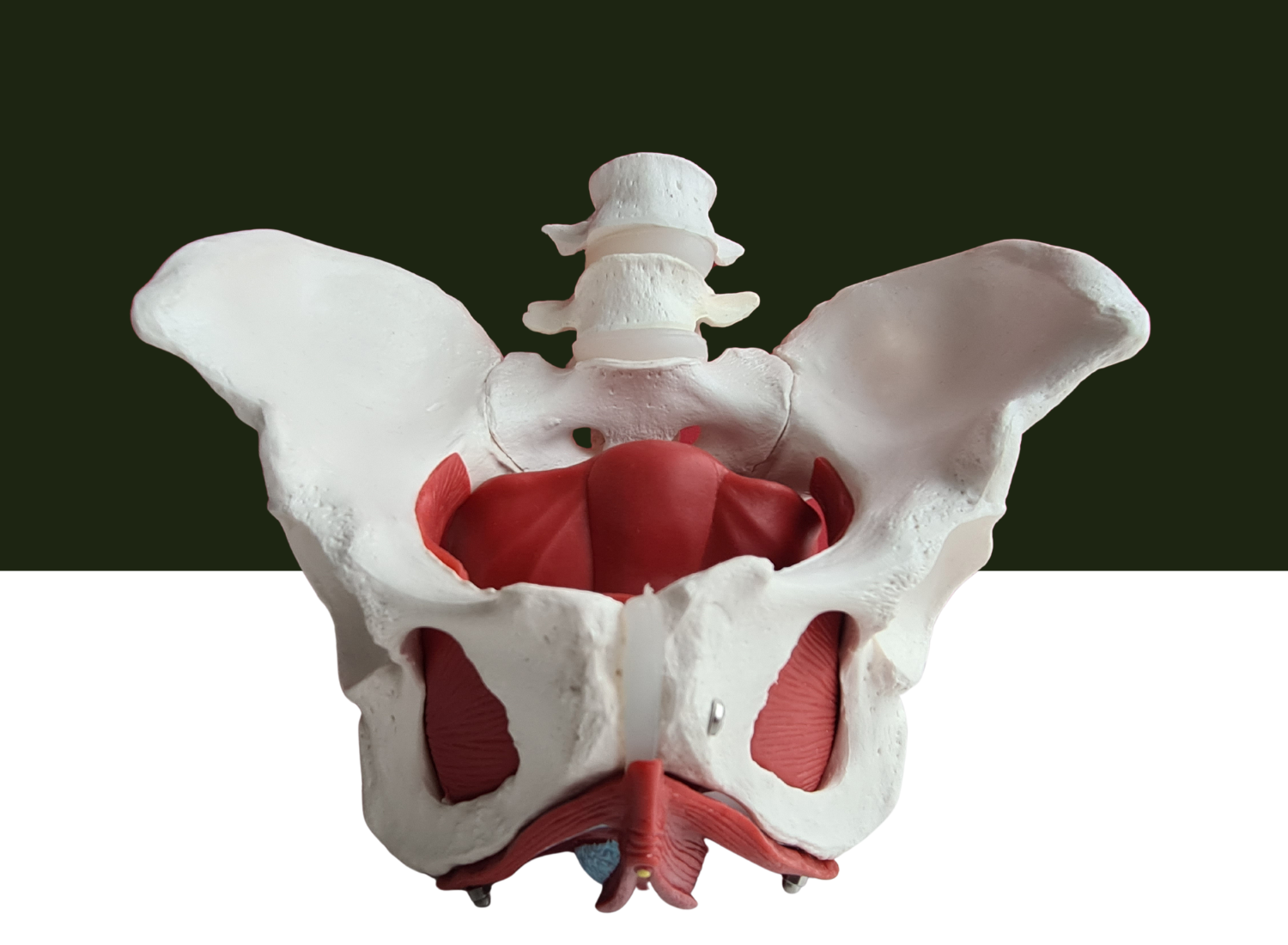
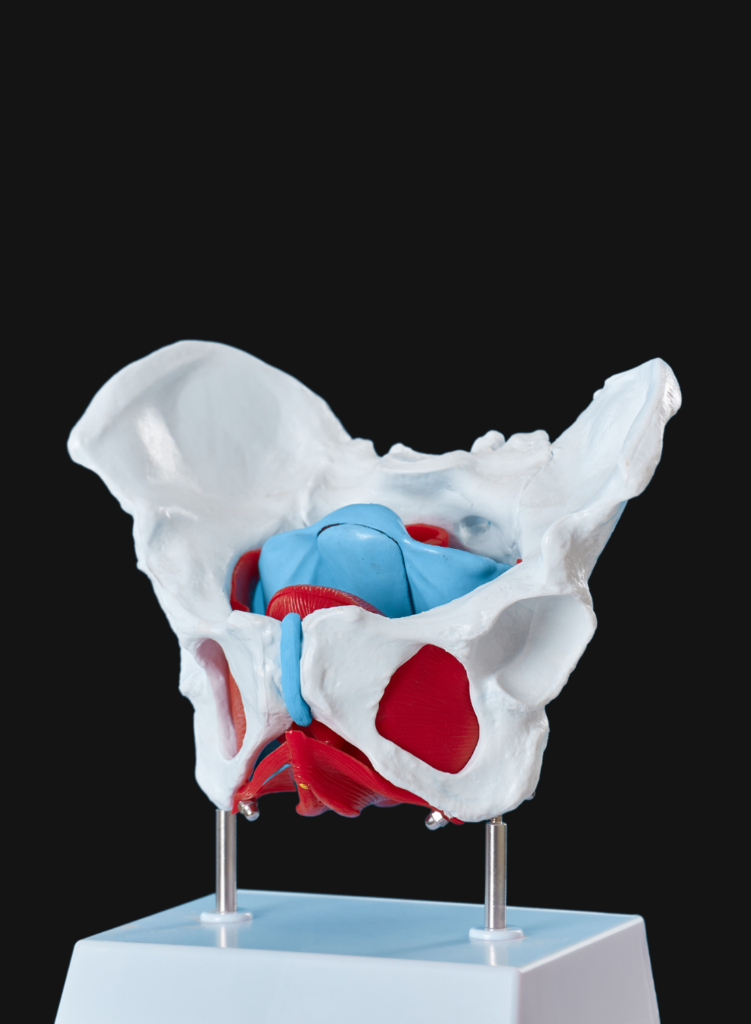
The pelvic floor muscles are a group of muscles located at the base of the pelvis.

They support:

  • Bladder
  • Rectum
  • Reproductive organs
  • Core stability
  • bowel control
  • Bowel function
  • Sexual function

Think of them as a muscular hammock stretching from the pubic bone to the tailbone.

When tight muscles develop in the pelvic floor and the muscles surrounding the pelvis, they can contribute to pain, pressure, and dysfunction throughout the pelvic region.


Signs You May Need to Relax Your Pelvic Floor

Many people mistakenly perform more Kegels when their pelvic floor is already too tight.

Common symptoms of pelvic floor tension or pelvic floor issues include the following:

Symptoms can also occur with a weak pelvic floor, so proper assessment matters before choosing pelvic floor exercises.

Urinary Symptoms

  • Bladder urgency
  • Frequent urination
  • Difficulty starting urination
  • Incomplete bladder emptying
  • urinary incontinence
  • overactive bladder

An estimated 25 million adults in the US have urinary incontinence.

Bowel Symptoms

  • Constipation
  • Straining or difficulty starting a bowel movement
  • Reduced bowel control
  • Painful bowel movements

Pain Symptoms

  • Pelvic pain
  • Tailbone pain
  • Hip pain
  • Lower back pain
  • Groin discomfort

Sexual Symptoms

  • Pain during sexual intercourse
  • Erectile dysfunction
  • Difficulty achieving orgasm
  • Reduced sexual function and overall sexual health

If these symptoms sound familiar, relaxation—not strengthening—may be the first step.

What Causes Tight Pelvic Floor Muscles?

Several factors can contribute to an overactive pelvic floor.

Physical Causes

  • Chronic constipation
  • Pelvic surgery
  • Childbirth
  • Athletic overtraining, where repetitive strain can leave the pelvic floor and nearby tense muscles
  • Repetitive heavy lifting

Emotional Causes

The pelvic floor is highly influenced by the nervous system.

Stress, chronic stress, anxiety, and trauma often trigger unconscious muscle clenching.

Many patients don’t realize they’re holding tension in their pelvic floor throughout the day. Fear and ongoing stress can make symptoms worse by reinforcing guarding.


The Connection Between the Nervous System and Pelvic Floor Health

One of the most overlooked aspects of pelvic health is the role of the nervous system.

When the body perceives stress or danger:

  • Muscles tighten
  • Breathing becomes shallow
  • Blood flow decreases
  • Pain sensitivity increases

Deep breathing helps calm the nervous system and soften tense muscles.

The pelvic floor often becomes part of this protective response.

Over time, the body can get stuck in a cycle:

Stress → Muscle Tightness → Pain → More Stress → More Tightness

This is why effective treatment often includes both physical exercises and nervous system regulation techniques. Creating a safe environment matters for pelvic floor relaxation exercises because the body relaxes more easily when it does not feel threatened.


Best Exercise to Relax the Pelvic Floor Muscles
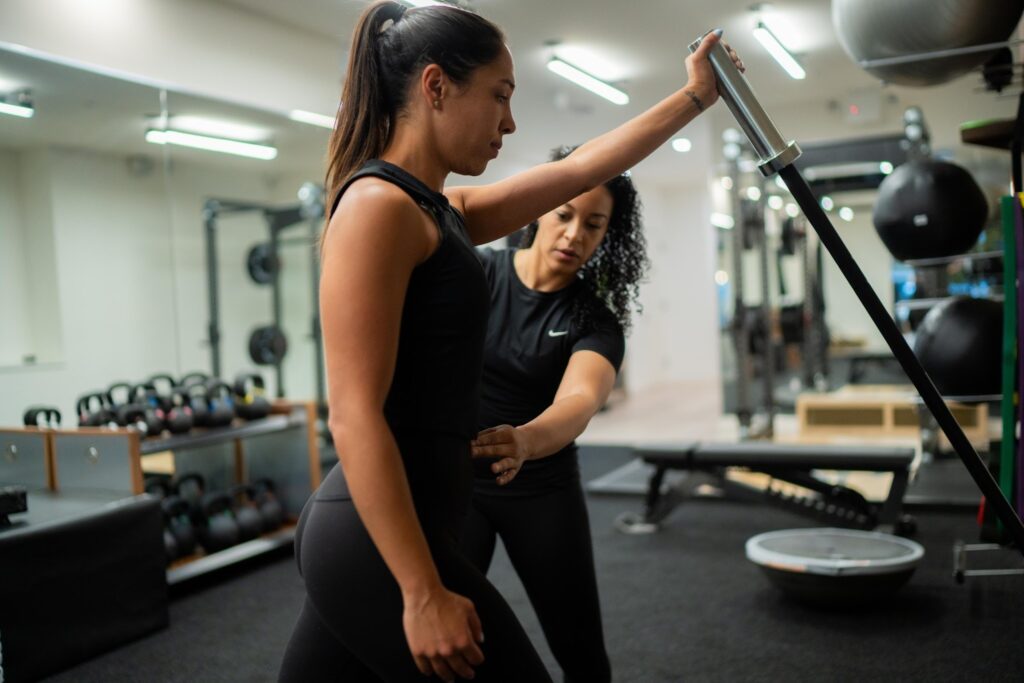
Below are the most commonly recommended exercises by pelvic floor physical therapists.

1. Diaphragmatic Breathing

Why It Works

The diaphragm and pelvic floor work together.

When you inhale:

  • Diaphragm descends
  • Pelvic floor lengthens

When you exhale:

  • Diaphragm rises
  • Pelvic floor gently recoils

How To Do It

  1. Lie comfortably on your back with knees bent and feet flat.
  2. Place one hand on your chest.
  3. Place one hand on your stomach.
  4. Inhale slowly through your nose.
  5. Allow your belly to rise.
  6. Exhale slowly through your mouth, keeping your rib cage relaxed.

Practice:

  • 5–10 minutes daily

This is often the first exercise prescribed in pelvic floor physical therapy.

2. Happy Baby Pose

The Happy Baby stretch is excellent for opening the hips and inner thigh muscles while encouraging pelvic floor relaxation.

How To Perform

  1. Lie on your back.
  2. Bring knees toward your chest.
  3. Hold the outside edges of your feet.
  4. Gently pull knees toward the floor.

Hold for:

  • 30–60 seconds
  • Repeat 2–3 times

Benefits

  • Opens the pelvic outlet
  • Reduces tension, including in the butt muscles
  • Improves mobility by stretching the inner thighs and thigh muscles

3. Child’s Pose

Child’s Pose promotes deep relaxation throughout the pelvis, lower back, and the muscles surrounding the hips.

Hold for 30 to 60 seconds. This is one of the gentlest pelvic floor stretches for people with pelvic floor muscle tension.

Steps

  1. Kneel on the floor.
  2. Sit back toward your heels.
  3. Extend your arms forward.
  4. Relax your belly and hips.

Hold:

  • 1–2 minutes

Focus on slow breathing.


4. Pelvic Girdle Stretches

Pelvic girdle stretches are a type of pelvic floor stretches that help release tension around the hips and pelvis.

Examples include:

  • Figure-four stretch
  • Hip flexor stretch
  • Butterfly stretch
  • Adductor stretch

Tight hips often contribute to pelvic floor dysfunction, and improving flexibility in the muscles surrounding the pelvis can support better pelvic floor function.


5. Deep Squat Hold

A supported deep squat naturally lengthens the pelvic floor, hips, and inner thighs.

Hold for 30 seconds, using support under your heels or holding onto a stable surface if needed. Pair the position with practicing diaphragmatic breathing to improve relaxation.

How To Do It

  1. Hold onto a sturdy surface from the starting position, with feet flat.
  2. Lower into a comfortable squat.
  3. Keep heels on the floor.
  4. Breathe deeply.
  5. Keep your chest relaxed and use deep breathing rather than bracing.

Hold:

  • 20–60 seconds

Avoid forcing the position if it causes pain.


6. Pelvic Floor Drop Exercise

Unlike a Kegel, this exercise focuses on pelvic floor release rather than contraction, which can be especially helpful for people with pelvic floor hypertonicity or a hypertonic pelvic floor.

Technique

Imagine:

  • Releasing tension around the anus
  • Softening the perineum
  • Allowing the pelvic floor to gently expand

The goal is to soften tense muscles, not to push or bear down.

Many physical therapists call this a “reverse Kegel.”


Why Kegels Aren’t Always the Answer

One of the biggest misconceptions in pelvic health is that all pelvic floor exercises are right for every problem.

For people with:

  • Tight pelvic floor muscles
  • Pelvic pain
  • Bladder urgency
  • Painful intercourse

Kegels may help a weak pelvic floor but can aggravate pelvic floor tightness.

Additional strengthening may actually worsen symptoms.

Research increasingly supports individualized pelvic floor assessment before prescribing Kegels.

Related Blog: Kegel Exercises Using Ball: Do They Really Strengthen the Pelvic Floor?

How Physical Therapy Incorporates Exercise to Relax the Pelvic Floor
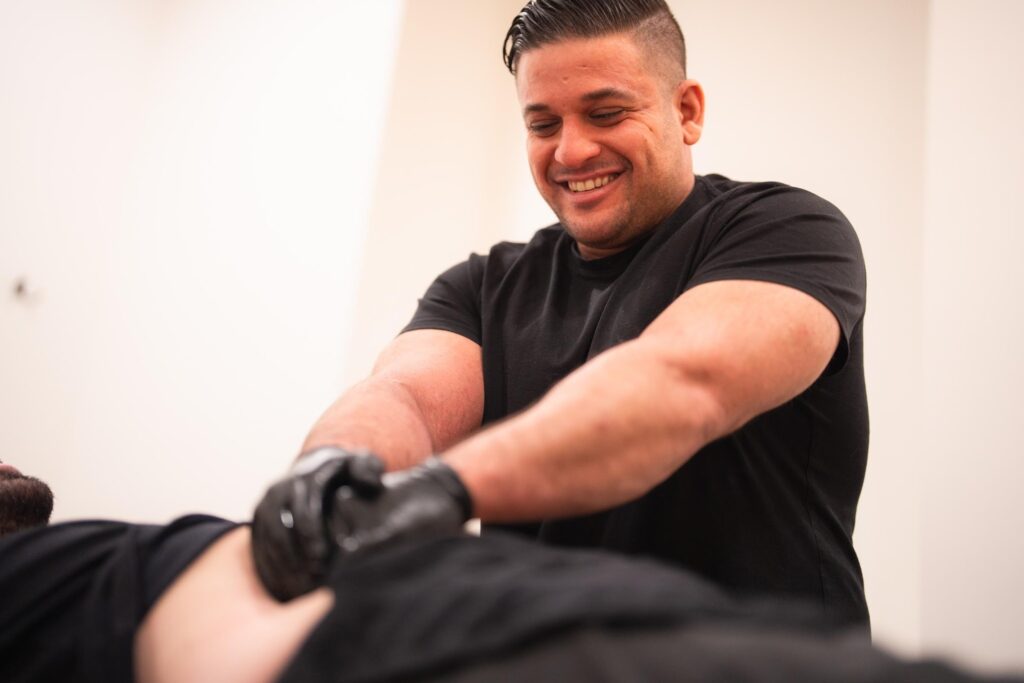
Pelvic floor physical therapy, or pelvic floor therapy, goes far beyond exercise alone.

It often includes exercise, manual work, and education for both tight and weak pelvic floor muscles.

A trained therapist evaluates:

  • Muscle tension
  • Breathing patterns
  • Posture
  • Movement habits
  • Nervous system regulation

Treatment may include:

Manual Therapy

Hands-on techniques to release muscle tension.

Biofeedback

Helps patients learn how to relax muscles effectively.

Breathing Retraining

Improves coordination between the diaphragm and pelvic floor.

Exercise Prescription

Customized stretching and mobility programs.

Education

Understanding why symptoms occur often reduces fear and muscle guarding.


Real-World Example

A common patient at Pelvis NYC might arrive with:

  • Pelvic pain
  • Frequent urination
  • Pain during sex
  • Urinary incontinence
  • Years of frustration

Many have already tried:

  • Medications
  • Strengthening exercises
  • Multiple specialist visits

After evaluation, they often discover the issue is an overactive pelvic floor rather than weakness.

With targeted physical therapy, patients frequently report:

  • Reduced pain
  • Better bladder control and bowel control
  • Improved sexual function
  • Increased confidence

When Should You See a Pelvic Floor Physical Therapist?

Seek professional evaluation if you experience:

  • Pelvic pain lasting longer than a few weeks
  • Bladder urgency or frequency
  • Urinary incontinence
  • Painful intercourse
  • Erectile dysfunction
  • Chronic constipation
  • Other pelvic floor issues affecting bowel control or sexual health
  • Difficulty relaxing pelvic muscles

The earlier dysfunction is addressed, the easier it is to treat.


Why Pelvis NYC Specializes in Pelvic Floor Health
At Pelvis NYC, physical therapists specialize in treating a wide range of pelvic floor issues in both men and women, including urinary incontinence and pelvic floor tension.

Treatment focuses on:

  • Pelvic pain
  • Overactive pelvic floor
  • Bladder urgency
  • Sexual dysfunction and sexual health
  • Post-surgical rehabilitation
  • Chronic pelvic tension

Every treatment plan is individualized because no two pelvic floors are exactly alike. If you need help with exercise to relax the pelvic floor, don’t hesitate to reach out.

Ready to Start Feeling Better?

If you’re struggling with pelvic pain, tight pelvic floor muscles, bladder urgency, or sexual dysfunction, expert care can make a significant difference.

Pelvis NYC offers comprehensive pelvic floor physical therapy designed to help you relax your pelvic floor, reduce symptoms, and restore confidence.

Contact Pelvis NYC Today


Frequently Asked Questions

What is the best exercise to relax the pelvic floor muscles?

Diaphragmatic breathing is often considered the best starting exercise because it naturally coordinates pelvic floor relaxation with breathing, especially when practicing diaphragmatic breathing with a slow, deep breath.

Can tight pelvic floor muscles cause pelvic pain?

Yes. Tight pelvic floor muscles are a common cause of chronic pelvic pain, pressure, and discomfort, often driven by pelvic floor muscle tension.

Does a tight pelvic floor affect sexual function?

Absolutely. Tight pelvic floor muscles can contribute to pain during sexual intercourse, erectile dysfunction, and difficulty achieving orgasm, which can affect overall sexual health.

How long does it take to relax an overactive pelvic floor?

Many people notice improvements within several weeks, although chronic cases may require several months of consistent therapy.

Are Kegels helpful for a tight pelvic floor?

Not always. Kegels can worsen symptoms in people with pelvic floor hypertonicity, especially if the pelvic floor is already overactive or excessively tight.

Can physical therapy help pelvic floor dysfunction?

Yes. Pelvic floor therapy is considered one of the most effective conservative treatments for pelvic floor dysfunction and chronic pelvic pain because it can help relax tight muscles, retrain coordination, and support bladder and bowel control.


Male Pelvic Floor Healing: A Successful Conversation in Finding Relief

Male Pelvic Floor Healing: A Successful Conversation in Finding Relief

Pelvic floor dysfunction is often framed as a women’s health issue—but as Dr. Adam Gvili has long emphasized, men are affected too— but there’s pelvic floor healing in male. And more often than not, they’re navigating it alone.

Male pelvic pain and pelvic floor issues are common but frequently overlooked. Symptoms of pelvic floor dysfunction in men can include urinary frequency, urgency, pelvic pain, and erectile dysfunction, as well as other urinary, sexual, and pain-related problems. Studies show that men wait an average of 4.2 years to seek help for pelvic floor dysfunction, but 70 to 80 percent see success in treating symptoms within just four to seven sessions of physical therapy.

In a candid conversation at Pelvis NYC, Adam sat down with Daniel Ross Noble, a former patient, to unpack what it really looks like to live with—and eventually recover from—chronic pelvic floor dysfunction. What emerged wasn’t just a patient story, but a clear reflection of Adam’s treatment philosophy: individualized care, emotional awareness, and removing the fear that surrounds men’s pelvic health.

00:00 Introduction to Daniel

male pelvic floor healing

Daniel Ross Noble: Yeah, thanks, Adam. I appreciate you having me on. My name’s Daniel. I’m 39. I just moved to New York City about a year ago. I’ve been in Los Angeles the last 15 years working in entertainment. I’m originally from the San Francisco Bay Area, worked in TV and film, and now I’m in the nonprofit sector.

Adam: Today, we’ve got Daniel joining us. He spent a few months with us at Pelvis NYC getting an inside look at how we approach pelvic health and pelvic floor therapy for male patients—especially complex cases like pelvic pain, urinary issues, and sexual dysfunction.

01:18 What Brought Daniel to Pelvic Floor Therapy

Daniel: I actually found you through a Business Insider article. I was reading it for my dad because he has prostate cancer and deals with frequent urination.

Urinary frequency and urinary incontinence are common symptoms of pelvic floor dysfunction in men. Urinary incontinence, which is the involuntary leakage of urine, can be caused by weak pelvic floor muscles, prostate surgery, or other factors. But as I kept reading, I realized a lot of the symptoms sounded like me.

At 18, I went through sexual assault. I had fissures, hemorrhoids, and didn’t really understand penetrative sex. I was using substances to numb the pain. Eventually, I had surgery, but I still had discomfort. Sex was stressful for me, and I thought something was wrong with my body.

So I booked a consultation—and it’s really changed my life.


04:04 Surgical Experience and Complications

Adam: What was your experience like with the surgery and post-op care?

Daniel: I didn’t have the best experience. I went to a well-known practice in Los Angeles, but the post-op care was pretty bad. I didn’t have a bowel movement for seven or eight days, which caused a fistula. Pelvic floor dysfunction can contribute to bowel issues, including difficulty with bowel movements and even problems like fecal incontinence or constipation. Managing bowel health through proper hydration and avoiding straining is important to prevent pelvic muscle irritation and support recovery.

They didn’t initially diagnose it correctly and kept cauterizing the wound. It was extremely painful. I developed hematomas, one of which burst, and eventually needed another surgery—a fistulotomy.

The whole process was traumatizing. Everything about treatment in that area became something my body wanted to reject.

07:31 Life After Surgery and Ongoing Pain

Adam: What was that year after surgery like?

Daniel: I felt really isolated. I was basically in a diaper for six months at one point.

I started talking about it more, and surprisingly, a lot of people—especially in the queer community—shared that they had similar symptoms. But no one really knew what to do.

Doctors told me I might not be able to have penetrative sex again because of the scarring. That created a lot of fear. Every sexual encounter came with anxiety, like I was broken.

Pelvic floor dysfunction can seriously impact sexual health, including causing erectile dysfunction. Studies show that men with pelvic pain have increased rates of erectile dysfunction, often due to pelvic floor muscle tension and dysfunction.

10:40 Discovering Pelvic Floor Therapy

Adam: Was pelvic floor therapy ever suggested to you before?

Daniel: No, never. I only learned about it from that article.

That’s when I found out pelvic floor physical therapy is actually a specialized form of physical therapy provided by a pelvic floor physical therapist. Pelvic floor therapy, also known as pelvic rehabilitation, helps men improve the strength and control of their pelvic floor muscles, which can benefit conditions like incontinence and erectile dysfunction.

Even friends who knew about pelvic floor therapy mostly associated it with women after childbirth. I tried other things like sex coaching, thinking maybe it was psychological—but nothing really worked.

And hearing “just relax” all the time—it’s stressful. If I could relax, I would.


12:47 Understanding the Condition

Adam: Based on your symptoms, you had a hypertonic pelvic floor. Your body learned to tighten as a response to trauma and stayed that way.

Pelvic floor tension and pelvic floor muscle dysfunction are common causes of pelvic floor pain and chronic pelvic pain in men. Chronic pelvic pain can affect the groin, genitals, rectum, and lower back, often resulting from muscle dysfunction, nerve injury, or conditions like pudendal neuralgia.

Daniel: Yeah, and I didn’t believe you at first. I had been dealing with it for so long.

But after about three months, I started seeing results. My body was able to open up naturally. That was really empowering.


14:30 Progress and Long-Term Results

Adam: Have you regressed at all since finishing therapy?

Daniel: No, and I thought I would.

It’s also mental—I still have those thoughts sometimes that something is wrong with me. But now I can challenge that. I can tell myself that’s an old narrative.


16:25 Differences in Treatment Approach

Adam: How did our approach differ from other providers?

Daniel: It was holistic.

You weren’t just treating the symptoms—you were understanding what I was going through mentally and emotionally. It felt safe.

Other providers didn’t even consider that I was a queer person having sex. That wasn’t part of the conversation. Here, it was.


20:41 Queer-Friendly Care and Safety

Adam: Did you bring that up with other doctors?

Daniel: Yeah, and I still felt dismissed.

At Pelvis NYC, it’s different. It feels inclusive and aware. That creates a safe space, which makes a huge difference.


21:58 Addressing the Male-to-Male Treatment Dynamic

Adam: What’s it like being treated by a straight male therapist?

Daniel: It’s actually great.

There’s no pressure. It’s not sexual. My body can just relax. A lot of my trauma is tied to sexual experiences, so being in a non-sexual environment helps me feel safe.


23:19 Trauma-Informed Care

Adam: We focus on trauma-informed care. Everything is individualized—how we talk to you, how we treat you, and how we guide your body to feel safe again.


25:38 Physical and Emotional Impact

Daniel: Every session, I leave feeling so relaxed.

Not in a sexual way—just physically released. My muscles finally relax, and it affects the rest of my day. Even my friends notice it.

Manual therapy techniques used in pelvic floor rehabilitation, such as myofascial release and trigger point therapy for muscle tension, help relieve pain, alleviate pain, reduce pain, and relieve tension in the pelvic muscles.

26:35 The Bigger Picture for Men’s Health

Adam: More men should be doing pelvic floor therapy.

Daniel: I agree. So many people would benefit from this. I even think about my dad and how this could help him.

A personalized treatment plan and specialized treatment techniques are essential for effective male pelvic floor healing, as they address each individual’s unique needs. The approach depends on whether the goal is to strengthen weak pelvic floor muscles or relax overactive muscles, ensuring the rehabilitation is tailored for the best results.

27:35 Understanding Without Fear

Daniel: When you told me I had a hypertonic pelvic floor, it didn’t feel scary.

Adam: That’s the goal. We’re not here to pathologize—we’re here to help you understand without adding fear.


28:12 Final Thoughts

Daniel: This changed my life.

When you’re dealing with something like this alone for so long, finding a solution is huge. It’s not just physical—it’s releasing shame and changing the narrative in your head.

I recommend this to everyone now.

Adam: Thank you for trusting us. I hope we don’t have to see you again—in that capacity.

Daniel: Same—but I’ll definitely come back to say hi.

Why This Conversation Matters for Men

Daniel’s story reinforces what Adam has been advocating for years:

  • Men experience pelvic floor dysfunction more than we acknowledge, often due to weak muscles or poor muscle coordination.
  • Many are misdiagnosed or never referred to proper care, missing out on the benefits of pelvic floor muscle training and therapy for male pelvic floor muscles.
  • Emotional and psychological factors are deeply connected to physical symptoms, especially in cases of chronic pain related to pelvic floor muscles.
  • Recovery requires more than just exercises—it requires understanding, but exercise is the cornerstone of pelvic floor rehabilitation, with condition-specific techniques like Kegel exercises and pelvic floor muscle training improving muscle control, pelvic floor strength, and muscle coordination.
  • Pelvic floor muscle training, including Kegel exercises, can enhance sexual performance and pleasure by improving muscle strength and control, and most men notice improvements in bladder control or sexual function within 4 to 12 weeks of consistent pelvic floor exercises.
  • A healthy pelvic floor is essential for coordination of urination, defecation, and sexual function.

And perhaps most importantly:

Men need spaces where they can talk about this openly.

Final Thoughts

This conversation wasn’t just about one patient’s recovery—it was about redefining how male pelvic floor health and pelvic floor muscle training are approached for men.

From Adam’s perspective as both a practitioner and former patient, to Daniel’s experience navigating years of pain, one thing is clear: improving pelvic health involves both targeted exercises like Kegels and adopting healthy lifestyle habits.

Healing happens when fear is replaced with understanding.

And for many men, that journey is just beginning.

Take the First Step Toward Recovery

If you’re experiencing symptoms of pelvic floor dysfunction—such as pelvic pain, discomfort, urinary issues, or challenges with sexual function—recognizing these symptoms is crucial for effective male pelvic floor healing. You’re not alone, and you don’t have to navigate it by yourself.

male pelvic floor healing

Pelvis NYC, founded by Dr. Adam Gvili, specializes in helping men overcome pelvic floor dysfunction through personalized, trauma-informed care. Pelvic floor therapy can help men manage conditions related to pelvic floor dysfunction, including urinary incontinence, chronic pelvic pain, and sexual dysfunction, by improving muscle coordination and control.

Whether you’ve been dealing with symptoms for months or years, getting the right support can make all the difference. Reach out, ask questions, and take that first step toward understanding your body again.

Tight Pelvic Floor: Symptoms, Causes, and Evidence-Based Relief Strategies

What Is a Tight Pelvic Floor?

A tight pelvic floor happens when the pelvic floor muscles are overactive, shortened, or unable to relax fully. The pelvic floor is a group of muscles located in the pelvic region, supporting pelvic organs such as the bladder and rectum. Instead of supporting healthy bladder, bowel, and sexual function, these muscles stay “switched on,” leading to pain, tension, and dysfunction throughout the pelvis and core.

These muscles are also essential for bowel control, as well as bladder and sexual function. This condition is common—but frequently misunderstood. Many people are told to “do Kegels” when they actually need the opposite: relaxation, coordination, and targeted pelvic floor physical therapy.

Causes of Tight Pelvic Floor

Tight pelvic floor muscles can develop due to a mix of physical, behavioral, and emotional factors. Common causes include:

  • Chronic stress: Ongoing stress keeps the pelvic floor, lower back, and inner thigh muscles tense, leading to persistent tightness and pelvic pain.
  • Poor posture & weak core/thigh muscles: Surrounding muscles may not function properly, causing the pelvic floor to overcompensate and become tight.
  • Habitual holding: Regularly holding in urine or bowel movements strains the pelvic floor and makes it harder to relax.
  • Overactive pelvic floor (hypertonicity): Muscles that cannot contract and relax properly can cause spasms and increased tension.
  • Weak pelvic floor muscles: Weakness can paradoxically cause tightness as the body keeps muscles engaged for support.
  • Underlying health conditions: Pelvic organ prolapse, urinary incontinence, sexual dysfunction, and chronic pain disorders can all contribute to tight pelvic floor muscles.

Ways to address tight pelvic floor muscles:

  • Diaphragmatic breathing & relaxation techniques to release tension
  • Pelvic floor physical therapy: Manual therapy, stretching, and muscle retraining
  • Strengthening core and thigh muscles while learning to properly contract and relax the pelvic floor

Tip: Identifying the root cause and working with a pelvic floor physical therapist can reduce symptoms like pelvic pain, urinary issues, and erectile dysfunction.

Tight Pelvic Floor

A tight pelvic floor is not about weakness—it’s about too much muscle activity at the wrong time. The pelvic floor should contract and relax dynamically. When it cannot let go, symptoms develop. Other symptoms of a tight pelvic floor include chronic pelvic pain, painful sex, urinary urgency, constipation, and lower back pain.

According to research published in The Journal of Women’s Health Physical Therapy, overactive pelvic floor dysfunction is present in a significant percentage of patients with chronic pelvic pain, urinary urgency, and sexual pain disorders.

This issue affects all genders and ages, including athletes, postpartum individuals, desk workers, and people under chronic stress.

Pelvic Floor Muscles

The pelvic floor muscles form a sling at the base of the pelvis. The pelvic floor is made up of several pelvic muscles, including the perineal muscles, which stretch from the pubic bone at the front to the sitting bones and tailbone at the back. They support:

  • The bladder and urethra
  • The rectum and anal sphincter
  • Sexual organs
  • Core stability and posture

Healthy pelvic floor muscles can contract, relax, and lengthen. Pelvic floor muscles work in coordination with the diaphragm and core muscles to support pelvic organs and maintain pelvic health. Problems arise when they lose this flexibility.

When these muscles stay tight:

  • Blood flow decreases
  • Nerves become irritated
  • Coordination with breathing and the core is disrupted

Pelvic Floor Physical Therapy

Pelvic floor physical therapy is the gold-standard treatment for tight pelvic floor dysfunction. Unlike general physical therapy, it focuses on the neuromuscular system of the pelvis.

A pelvic floor physical therapist may use:

  • Internal and external myofascial release
  • Breathing retraining
  • Postural correction
  • Nervous system down-regulation
  • Movement re-education

At Pelvis NYC, treatment plans are individualized and trauma-informed, focusing on restoring function—not just reducing symptoms.


Tight Pelvic

The term tight pelvic is often used by patients to describe a cluster of symptoms rather than a single diagnosis. Some may also refer to this as a tense pelvic floor, which can result from stress, muscle imbalances, or chronic tension.

Common complaints include:

  • Difficulty starting or fully emptying urine
  • Pain with sitting or exercise
  • Hip, low back, or tailbone pain
  • Pain during or after sex
  • Additional symptoms of a tense pelvic floor may include pelvic pain, lower back pain, hip pain, pain with urination, and difficulty starting a bowel movement.

Importantly, imaging tests often appear “normal,” which can delay proper diagnosis.

Erectile Dysfunction ED

A lesser-known contributor to erectile dysfunction (ED) is pelvic floor muscle tension.

In men, an overactive pelvic floor can:

  • Restrict blood flow to the penis
  • Compress nerves involved in arousal
  • Interfere with ejaculation

Painful ejaculation is the most common sexual problem for men with a tight pelvic floor, occurring in an estimated 39-58% of men with chronic prostatitis/chronic pelvic pain syndrome (CP/CPPS).

Kegel exercises are often recommended to strengthen pelvic floor muscles and improve sexual health, but should be used with caution in cases of muscle tension.

Studies in The British Journal of Urology International show that targeted pelvic floor physical therapy can significantly improve erectile function—especially when ED is not primarily vascular.

Pelvic Pain

Pelvic pain related to a tight pelvic floor can be sharp, aching, burning, or pressure-like. It may be constant or activity-dependent.

Common diagnoses linked to pelvic floor tension include:

Pain is not “all in your head.” Muscle tension and nervous system sensitization are real, measurable contributors.


Tight Pelvic Floor Muscles

Tight pelvic floor muscles often coexist with:

  • Jaw clenching
  • Shoulder tension
  • Shallow chest breathing

This pattern reflects a global stress response. Tense muscles throughout the body, including the pelvic floor, are often linked to chronic stress and anxiety, which can contribute to hypertonic pelvic floor muscles. The body learns to brace instead of release.

Key insight:

Tight muscles are often overworked, not strong.

Strengthening without relaxation can worsen symptoms.

Overactive Pelvic Floor Muscles

Overactive pelvic floor muscles fire when they shouldn’t—during urination, bowel movements, or penetration.

Symptoms may include:

  • Urinary urgency or frequency
  • Constipation or incomplete bowel movements
  • Bowel dysfunction, which may lead to chronic constipation and straining during bowel movements due to pelvic floor tension
  • Pain with tampons or exams
  • Pain after ejaculation

Clinical guidelines from the American Physical Therapy Association (APTA) recommend down-training and coordination before strengthening.


Overactive Pelvic Floor

An overactive pelvic floor is often driven by:

  • Chronic stress or anxiety
  • Past pelvic trauma or surgery
  • High-impact sports
  • Postural habits (constant core bracing)

This is why a whole-body approach matters. Treating only the pelvis ignores the root cause.


Pelvic Floor Problems

Pelvic floor problems exist on a spectrum. Tightness is one end; weakness is another. Many people fluctuate between both.

Misdiagnosis is common. For example:

  • Someone with urgency may be told they have a “weak bladder”
  • Someone with pain may be told tests are normal

A comprehensive pelvic floor exam changes everything.


Male Pelvic Floor

The male pelvic floor plays a crucial role in:

  • Urinary control
  • Sexual performance
  • Core strength

Pelvic floor muscles play a crucial role in sexual health. Sexual dysfunction in females can manifest as pain during intercourse, while in males it may lead to erectile dysfunction or pain during ejaculation.

Men are less likely to be referred to pelvic floor therapy, despite strong evidence supporting its effectiveness for pelvic pain and ED.

At Pelvis NYC, male pelvic health is treated with the same depth and expertise as female care.

Pelvic Floor Muscle Function

Optimal pelvic floor muscle function includes:

  1. Full relaxation
  2. Timely contraction
  3. Endurance when needed

Muscle relaxation is essential for pelvic floor health, as it allows the muscles to release tension and function optimally. Diaphragmatic breathing can help lengthen pelvic floor muscles so they remain strong and flexible.

When relaxation is missing, function suffers—even if strength is present.

This is why “just doing Kegels” is not a universal solution.


Muscle Tension

Chronic muscle tension, especially from tense pelvic floor muscles, alters pain perception. Tight muscles send constant signals to the nervous system, reinforcing pain loops. Chronic pain from an overactive pelvic floor can have a devastating impact on an individual’s psychological wellbeing.

Pelvic floor physical therapy works by:

  • Reducing muscle tone
  • Improving tissue mobility
  • Calming the nervous system

Over time, pain thresholds normalize.

Stretching Exercises

Targeted stretching exercises can support recovery—but only when prescribed correctly. Pelvic floor stretches and pelvic floor exercises, when performed correctly, can help relax and lengthen the muscles. Stretching exercises such as Happy Baby Pose and Child’s Pose are effective ways to relax pelvic floor muscles. Gentle movement and regular stretching can help relax tense pelvic floor muscles and ease discomfort. Relaxation exercises and relaxation techniques, such as deep belly breathing, yoga stretches like Child’s Pose, and mindfulness practices, are also helpful for managing a tight pelvic floor.

Helpful approaches often include:

  • Diaphragmatic breathing
  • Hip and pelvic mobility work
  • Gentle lengthening, not forcing

Generic stretching routines from social media may aggravate symptoms if timing and technique are wrong.

When to Seek Help

You should consult a pelvic floor specialist if you experience:

  • Persistent pelvic pain
  • Urinary or bowel dysfunction without clear cause
  • Sexual pain or dysfunction
  • Symptoms that worsen with stress

For the best pelvic floor care, consider consulting a pelvic floor physical therapist. They can evaluate your symptoms and determine the right exercise therapy plan tailored to your needs.

Early intervention leads to faster recovery.

Why Choose Pelvis NYC?

Pelvis NYC specializes exclusively in pelvic floor physical therapy. Their clinicians have advanced training in complex pelvic pain, overactive pelvic floor disorders, and sexual health conditions.

Patients benefit from:

  • One-on-one expert care
  • Evidence-based techniques
  • A supportive, judgment-free environment

👉 Book a consultation with Pelvis NYC to address tight pelvic floor symptoms at the source—not just manage them.


Frequently Asked Questions (FAQ)

What causes a tight pelvic floor?
Stress, trauma, posture, high-impact exercise, surgery, and chronic pain conditions are common contributors.

Can a tight pelvic floor go away on its own?
Mild cases may improve, but persistent symptoms usually require pelvic floor physical therapy.

Are Kegels bad for a tight pelvic floor?
Often yes. Strengthening without relaxation can worsen overactivity.

How long does pelvic floor physical therapy take?
Many patients notice improvement within 6–8 sessions, though complex cases may take longer.

Does a tight pelvic floor affect men and women differently?
Symptoms differ, but the underlying muscle dysfunction is similar.

Pelvic Wall Therapy: A Physical Therapist’s Complete Guide to Healing

A Physical Therapist’s Complete Guide to Healing

Pelvic wall therapy, more commonly referred to as pelvic floor physical therapy (PFPT), is gaining traction as a transformative approach to managing a wide range of pelvic health issues. Despite the growing attention, confusion still exists about what pelvic wall therapy entails, who it’s for, and why it’s a first-line treatment backed by research and medical professionals alike.

As a Doctor of Physical Therapy specializing in pelvic health, I’ve seen the profound impact that this form of therapy can have. This guide will walk you through everything you need to know about pelvic wall therapy.

What Is Pelvic Floor Therapy?

Pelvic floor therapy is a subset of physical therapy that focuses on treating conditions caused by dysfunction of the pelvic floor muscles. The pelvic floor consists of muscles and connective tissue that support the bladder, uterus (or prostate), rectum, and other pelvic organs. These muscles and connective tissue form a hammock-like structure that supports vital internal organs and is attached to the pubic bone and the pelvis, providing stability to the pelvic region.

In women, the pelvic floor also supports the vagina, along with other reproductive organs. Whether the muscles are too weak (hypotonic), too tight (hypertonic), or poorly coordinated, therapy can help retrain them. Dysfunction can involve muscle weakness or muscle spasms, leading to pelvic floor disorder and a range of pelvic floor disorders. These conditions can affect sexual function, and in men, may contribute to erectile dysfunction. This process improves function and alleviates common but often misunderstood.

pelvic wall therapy

Pelvic Floor Physical Therapy: How It Works

When people think of pelvic floor physical therapy, Kegels are often the first thing that comes to mind. While Kegels (pelvic floor contractions) can be beneficial for some patients, they are far from a one-size-fits-all solution, and in many cases, they’re not even appropriate, especially for those with pelvic floor overactivity or pain.

Pelvic floor physical therapy is a specialized therapy offering a range of treatment options tailored to each patient. This comprehensive, individualized approach goes far beyond simple exercises. An individualized plan is created based on a thorough assessment to relieve symptoms and reduce pain. The therapy addresses the full complexity of pelvic floor dysfunction by targeting muscular imbalances, nervous system regulation, postural alignment, and behavioral habits that contribute to symptoms. Treatment may include exercise to strengthen pelvic floor muscles, target specific muscles, and train for activities such as heavy lifting. Here’s what that approach often includes:

Internal and External Assessments

During the first appointment, therapists evaluate pelvic floor muscles through both external (abdomen, hips, back) and internal (vaginal or rectal) exams, and an internal exam may be performed as part of the assessment to check muscle tone, strength, and coordination. This helps identify tightness, weakness, prolapse, or scar tissue that may be contributing to symptoms.

Based on assessment findings and patient comfort, both internal and external therapy options are considered to create a comprehensive treatment plan.

Manual Therapy

Hands-on techniques—like myofascial release, trigger point therapy, and scar tissue mobilization—are used to relieve pain, improve circulation, and restore normal muscle function. These may be applied internally or externally. External therapy, including joint mobilization, may be used to address issues in the sacroiliac joint and other areas to improve mobility and support pelvic health.

pelvic wall therapy

Biofeedback

This technology uses special sensors attached to the body to monitor the activity of specific pelvic floor muscles. The results are displayed in real time on a computer screen, giving patients immediate feedback on how their pelvic floor muscles are functioning. This helps them learn how to properly contract and relax these muscles. It’s particularly effective for retraining coordination and improving control.

Neuromuscular Reeducation

Therapists help retrain how the pelvic floor works with the core, diaphragm, and posture. This often involves movement-based exercises that integrate breathing, lifting, and stability training for better overall control.

Tailored Pelvic Floor Exercises

Rather than one-size-fits-all Kegels, therapists prescribe tailored pelvic floor exercises that may include Kegel exercises and relaxation techniques, depending on whether the muscles are tight, weak, or poorly coordinated. These can include strengthening, relaxation, or endurance work depending on your goals.

Behavioral Coaching

Simple lifestyle changes—like improving posture, toilet habits, or breathing patterns—can have a major impact. Therapists guide patients on daily routines that reduce strain on the pelvic floor and support healing.

Collaborative Care

When needed, pelvic health therapists work alongside urologists, gynecologists, and other specialists to ensure comprehensive care, especially for complex conditions like interstitial cystitis or chronic pelvic pain.


Recognizing the Symptoms of Pelvic Floor Dysfunction

Many people live with pelvic floor dysfunction without even realizing it. Symptoms can vary based on whether the muscles are too tight or too weak. Common symptoms include:

  • Urinary incontinence (leakage during sneezing, laughing, or running)
  • Overactive bladder (frequent, urgent need to urinate)
  • Pelvic organ prolapse (a sensation of bulging or heaviness)
  • Chronic pelvic pain
  • Pain during intercourse or gynecological exams
  • Constipation or straining during bowel movements
  • Low back, hip, or tailbone pain with no clear orthopedic cause

If you’re experiencing one or more of these symptoms, pelvic wall therapy may help relieve symptoms and improve your quality of life.

Why Physical Therapy Is the First Line of Treatment

For those experiencing pelvic floor issues, physical therapy is often recommended before surgical or pharmaceutical interventions. Physical therapists play a crucial role in providing expert care, assessing each patient’s needs, and guiding them through a range of treatment options tailored to their condition. It’s a low-risk, high-reward strategy that’s supported by extensive research.

pelvic wall therapy

A 2024 review published in Frontiers in Global Women’s Health highlighted that pelvic floor physical therapy is significantly effective in treating pelvic floor dysfunction—including urinary incontinence, pelvic pain, and sexual dysfunction—without adverse side effects.

Unlike medications that mask symptoms, physical therapy addresses the root cause: the muscle imbalance or coordination dysfunction at the heart of the issue.

How We Treat Pelvic Floor Dysfunction in Clinical Practice

As a pelvic health physical therapist, I assess not only the pelvic muscles themselves, but also the surrounding structures that influence function. Each patient receives an individualized plan based on their specific pelvic floor disorder, taking into account their medical history, examination findings, and personal goals. Treatment plans typically include:

  • Manual therapy for trigger points and soft tissue tension
  • Postural correction and diaphragmatic breathing
  • Pelvic floor exercises that focus on both strength and relaxation, addressing muscle weakness as well as tightness
  • Scar tissue mobilization (postpartum or post-surgical)
  • Biofeedback and electrical stimulation as needed
  • Internal therapy for appropriate cases, when the patient is comfortable
  • Education on bladder and bowel behavior modification

Each treatment plan is customized. For example, some patients need to learn how to relax the pelvic muscles—not tighten them—especially those with chronic pain or interstitial cystitis.

Pelvic Floor Exercises: More Than Just Kegels

Pelvic floor exercises are foundational in therapy, but they must be done correctly and under the right circumstances. Not everyone should do Kegels. For individuals with overactive (tight) pelvic muscles, relaxation exercises and down-training are more appropriate.

Examples of common exercises include:

  • Slow and fast Kegels (for strengthening, when appropriate)
  • Deep core and gluteal activation
  • Bridge and squat progressions
  • Child’s pose breathing and pelvic drop stretches

Your therapist will evaluate your baseline and recommend exercises that meet your body’s specific needs.

Managing Chronic Pelvic Pain and Interstitial Cystitis with Therapy

Interstitial cystitis (IC), also known as painful bladder syndrome, is a chronic condition characterized by bladder pressure, pain, and frequent urination. While the exact cause is unknown, pelvic floor dysfunction is a common underlying factor, and IC is considered one of several pelvic floor disorders that can be addressed with therapy.

Research shows that physical therapy focusing on myofascial release and trigger point therapy can significantly reduce symptoms in people with IC. Internal therapy, such as internal vaginal or rectal release techniques, is often included in the treatment plan—alongside behavior changes and bladder retraining. The goal of therapy is to relieve symptoms and reduce pain, improving overall quality of life.

Patients with IC often respond best to a multidisciplinary approach involving PT, dietary changes, and pain psychology.

When Should You Start Pelvic Floor Therapy?

Early intervention is ideal. However, it’s never too late to seek help. You should consider seeing a pelvic health physical therapist if you:

  • Experience urinary or bowel leakage
  • Have pelvic pressure or notice a bulge
  • Feel pain with sex or during pelvic exams
  • Suffer from chronic pelvic or lower back pain
  • Are recovering from childbirth, abdominal surgery, or pelvic trauma

Postpartum recovery is especially critical. Studies show that initiating pelvic floor therapy within the first 6–12 weeks postpartum can prevent long-term issues such as prolapse, diastasis recti, and bladder dysfunction.

What Does a Pelvic Therapy Session Look Like?

A typical pelvic floor physical therapy session may include:

  • Review of symptoms and daily habits
  • Reassessment of posture, breathing, and muscle tone
  • Guided pelvic floor exercises or manual therapy, including internal and external therapy as appropriate
  • Education on self-care tools (perineal massage, dilators, postural changes)
  • Progress tracking and goal-setting

Therapy is typically done once per week for 6 to 10 weeks, depending on your condition and response to treatment.

Conclusion: Take the First Step Toward Pelvic Health

Pelvic wall therapy is a safe, effective, evidence-based path to healing pelvic floor dysfunction. Whether you’re a new mom, recovering from surgery, or managing chronic pain or interstitial cystitis, pelvic floor physical therapy offers real hope without relying on medications or surgery.

As a PT, I’ve seen how profoundly this therapy can change lives. Don’t wait for symptoms to worsen. With tailored guidance, pelvic floor rehabilitation can restore function, reduce pain, and help you reclaim control over your body.

pelvic wall therapy

Ready to take the first step? Visit Pelvis NYC to schedule an evaluation with a specialized pelvic health therapist and start your journey to recovery.

Male Pelvic Floor: The Hidden Foundation of Men’s Health

Male Pelvic Floor: The Hidden Foundation of Men’s Health

When we think of men’s health, we often focus on biceps, six-packs, or heart health. Yet hidden deep within your core lies a powerful network that influences bladder control, erectile function, and posture—the male pelvic floor. While this area is often overlooked or labeled “women’s health,” men absolutely have pelvic floor muscles, and training them can transform performance, recovery, and daily comfort.

From boosting your lifts to extending your staying power in the bedroom, from post-prostate recovery to aging gracefully, your pelvic floor plays a critical role. In this guide, we’ll find out what it is, why it matters, how to work it intentionally, and how to avoid common pitfalls. Understanding and training these muscles can unlock new levels of confidence, vitality, and well-being.

What’s the Pelvic Floor—and Why It Powers Men’s Health

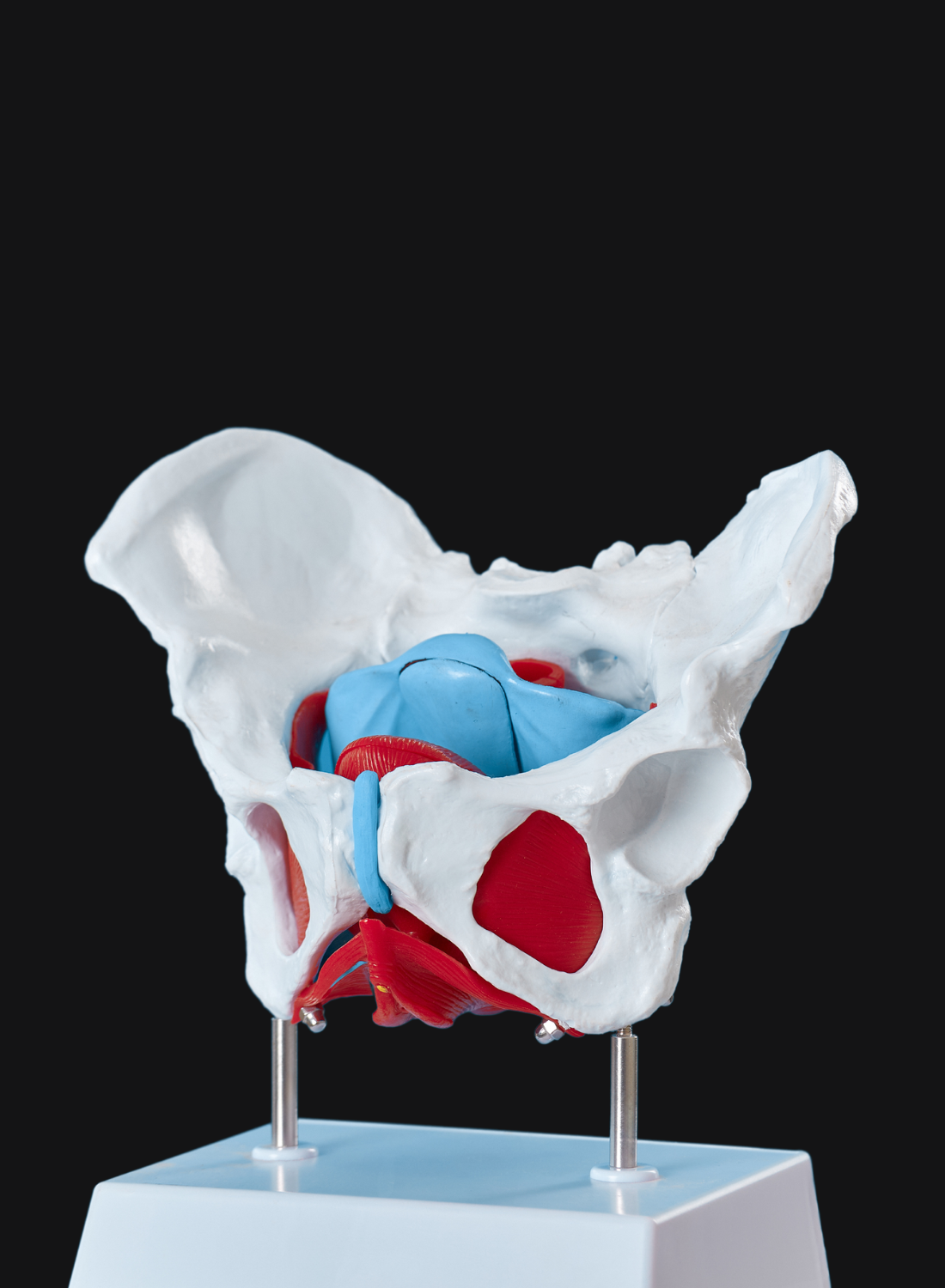
The pelvic floor is a group of muscles and connective tissues that form a sling at the base of the pelvis. The pelvic floor muscles form a supportive sling that helps maintain continence and sexual function.

In men, these muscles support the bladder, rectum, and prostate, and play a key role in sexual and urinary functions. Anatomically, the pelvic floor muscles stretch from the pubic bone at the front to the tail bone (coccyx) at the back, and from one ischial tuberosity to the other, providing a strong base. The urethra passes through the pelvic floor muscles, and their strength is important for urinary control. In addition to muscles, other tissue such as connective tissue also supports the bladder and bowel.

male pelvic floor

Main male pelvic floor muscles include:

  • Pubococcygeus (PC) – Supports the bladder and contributes to ejaculation control.
  • Bulbocavernosus – Affects erections and ejaculation.
  • Ischiocavernosus – Helps maintain penile rigidity.
  • External urethral sphincter – Controls the flow of urine.
  • Levator ani group – Lifts and stabilizes the pelvic organs.

Together, these muscles work to manage pressure in the abdomen, support internal organs, and help control bodily functions. They also coordinate with the deep core, diaphragm, and glutes.

Do Men Have Pelvic Floor Muscles?

Yes—men absolutely have pelvic floor muscles, even though they’re less frequently discussed in public health. In fact, these muscles are vital for:

  • Urinary continence
  • Fecal continence
  • Sexual function and orgasmic intensity
  • Postural support
  • Lower back health

Pelvic floor muscles support the bladder, bowel, and sexual function, helping maintain continence and core stability.

Ignoring pelvic floor health can lead to long-term issues that range from incontinence to erectile dysfunction and chronic pelvic pain.

Male Pelvic Floor Dysfunction: Signs & Symptoms

Pelvic floor dysfunction in men is often underdiagnosed. A weak pelvic floor or weak pelvic floor muscles can result from injury, aging, or lifestyle factors, and may lead to issues with continence and pelvic support. It can stem from weakness, tension, nerve damage, or poor coordination of the pelvic muscles.

A tense pelvic floor, also known as a hypertonic pelvic floor, occurs when the muscles are overly tight, leading to symptoms such as pain, constipation, and urinary issues.

Common Symptoms:

  • Leaking urine, especially after urination (post-micturition dribble)
  • Urgency or frequent urination
  • Inability to fully empty the bladder
  • Erectile dysfunction (ED)
  • Premature ejaculation
  • Pain in the penis, perineum, rectum, or tailbone
  • Constipation, straining to defecate, or difficulty moving the bowels

These issues can affect young and older men alike—often without them realizing the pelvic floor is to blame.

How the Male Pelvic Floor Muscles Work

The male pelvic floor muscles work as a supportive foundation for your pelvic organs, including the bladder, bowel, and rectum. These muscles form a hammock-like structure at the base of your pelvis, contracting and relaxing to help you control the flow of urine and feces, and to support sexual function. When you need to hold in urine or prevent passing gas, your pelvic floor muscles contract; when it’s time to urinate or have a bowel movement, they relax. This coordination is also crucial for sexual performance, as strong pelvic floor muscles can enhance erections and ejaculation.

If your pelvic floor muscles become weak or are not functioning properly, you may experience issues like urinary incontinence, fecal incontinence, or erectile dysfunction. Weakened pelvic floor muscles can make it harder to control your bladder and bowel, leading to leaks or accidents. The good news is that regular pelvic floor exercises, such as Kegel exercises, can help strengthen these muscles, improve bladder and bowel control, and support better sexual health. By making pelvic floor training a part of your routine, you can help ensure these essential muscles work efficiently throughout your life.

Finding and Contracting Your Pelvic Floor Muscles

Finding your pelvic floor muscles is the first step to effective pelvic floor training. To locate the correct muscles, try to stop the flow of urine midstream or imagine you’re trying to prevent yourself from passing gas. The muscles you engage in these moments are your pelvic floor muscles. To contract them, squeeze your pelvic floor as if you’re stopping urine or holding in gas, hold the squeeze for a few seconds, then relax. Repeat this process several times, focusing on using only the pelvic floor muscles and not your thighs, buttocks, or abdomen.

It’s important to use the correct muscles when performing Kegel exercises. Using the wrong muscles can make the exercises less effective or even cause discomfort. If you’re unsure whether you’re targeting the right muscles or if you have trouble isolating them, don’t hesitate to seek guidance from a physical therapist or healthcare provider. They can help you learn how to squeeze your pelvic floor properly and ensure you’re getting the most benefit from your exercises.

How the Male Pelvic Floor Muscles Work

The pelvic floor is dynamic. When you contract the pelvic floor muscles, they create a lift, which can be seen as an upward movement of the penis and testicles. It tightens to help you hold in urine or gas, and it relaxes to let you urinate or pass a bowel movement. During sexual activity, these muscles are also responsible for generating and controlling erections and ejaculations.

Proper function requires both strength and relaxation. If the muscles are too weak, you might experience leaks or erectile problems. If they’re too tense, it can lead to pain and urinary retention. Like any other muscle group, training and balance are key.

Kegel Workout for Men: The Core of the Pelvic Region

Kegel exercises, first introduced by Dr. Arnold Kegel in the 1940s, were designed to strengthen the pelvic floor. While popularized for women, Kegels are equally beneficial for men.

Performing a kegel exercise regularly, such as during daily routines, can help prevent urinary leakage.

🛠️ How to Do Kegels/ Pelvic Floor Exercises Correctly:

  1. Identify the musclesTry to stop the flow of urine mid-stream. The muscles you engage are your pelvic floor.
  2. Contract and holdSqueeze the muscles for 5–10 seconds, then relax for the same duration. Squeezing the pelvic floor muscles is the key movement in Kegel exercises and helps ensure proper muscle engagement.
  3. RepetitionDo 3 sets of 10 reps daily. Perform them lying down at first, then progress to sitting and standing.
  4. Breathe normallyAvoid holding your breath or tightening your buttocks or thighs.

❗️Note: Stopping urine mid-flow should only be used to identify muscles, not as a regular practice—it can interfere with bladder function.

Proven Benefits of Pelvic Floor Training in Men

✅ Urinary Control

  • Especially beneficial after prostate surgery (e.g., radical prostatectomy).
  • Can reduce urinary leakage and urgency.

✅ Erectile Function

  • Strengthens the bulbocavernosus muscle, which improves blood retention in the penis.
  • A 2005 clinical trial found that pelvic floor muscle training significantly improved ED in 40% of men within 3 months.

✅ Ejaculatory Control

  • Enhances awareness and control during sex.
  • Reduces premature ejaculation through muscle timing.

✅ Chronic Pelvic Pain Relief

  • Helps relax tense or overactive pelvic muscles.
  • Effective when combined with pelvic floor physical therapy and biofeedback.

Don’t Overdo It: The Problem of Overactive Pelvic Floors

Just like any muscle, the pelvic floor can be too tight. Men who constantly “hold in” tension may experience:

  • Painful urination or ejaculation
  • Testicular or perineal discomfort
  • Constipation
  • Urinary hesitancy

Tension in the pelvic floor muscles can also affect the back passage (rectum), leading to problems with continence and bowel movements.

If that sounds like you, relaxation techniques are more important than strengthening:

  • Diaphragmatic (deep belly) breathing
  • Gentle yoga or stretching
  • Manual therapy by a pelvic floor physical therapist

Other Exercises That Support the Pelvic Floor

In addition to Kegels, incorporating other functional movements can help strengthen the muscles that work closely with the pelvic floor. Exercises like glute bridges are particularly effective because they engage the glutes and lower back while encouraging pelvic stability. Squats are another excellent choice—they activate the core, hips, and thighs, which all contribute to better pelvic support. Strengthening the transverse abdominis, the deepest abdominal muscle, is also key; this can be done through controlled core exercises that emphasize deep breathing and core engagement. Movements like dead bugs and other core stabilizing drills help coordinate the pelvic floor with surrounding muscles, improving overall control and function.

Preventing Pelvic Floor Injuries and Health Issues

Taking steps to prevent pelvic floor injuries and health issues can make a big difference in your long-term well-being. One of the most effective strategies is to perform Kegel exercises regularly, which helps strengthen your pelvic floor muscles and supports better bladder and bowel control. In addition to exercising, maintaining a healthy weight reduces unnecessary pressure on your pelvic floor. Avoiding repeated heavy lifting and managing chronic coughs, such as a smoker’s cough, can also help protect these muscles from strain and injury.
If you experience symptoms like urinary incontinence, fecal incontinence, or pelvic pain, it’s important to seek advice from a healthcare professional. Early intervention can prevent minor issues from becoming more serious. Remember, your pelvic floor muscles play a vital role in controlling your bladder and bowel, so taking care of them through regular exercise and healthy lifestyle choices is key to preventing pain and incontinence.

Treatment Options for Pelvic Floor Dysfunction

male pelvic floor exercises

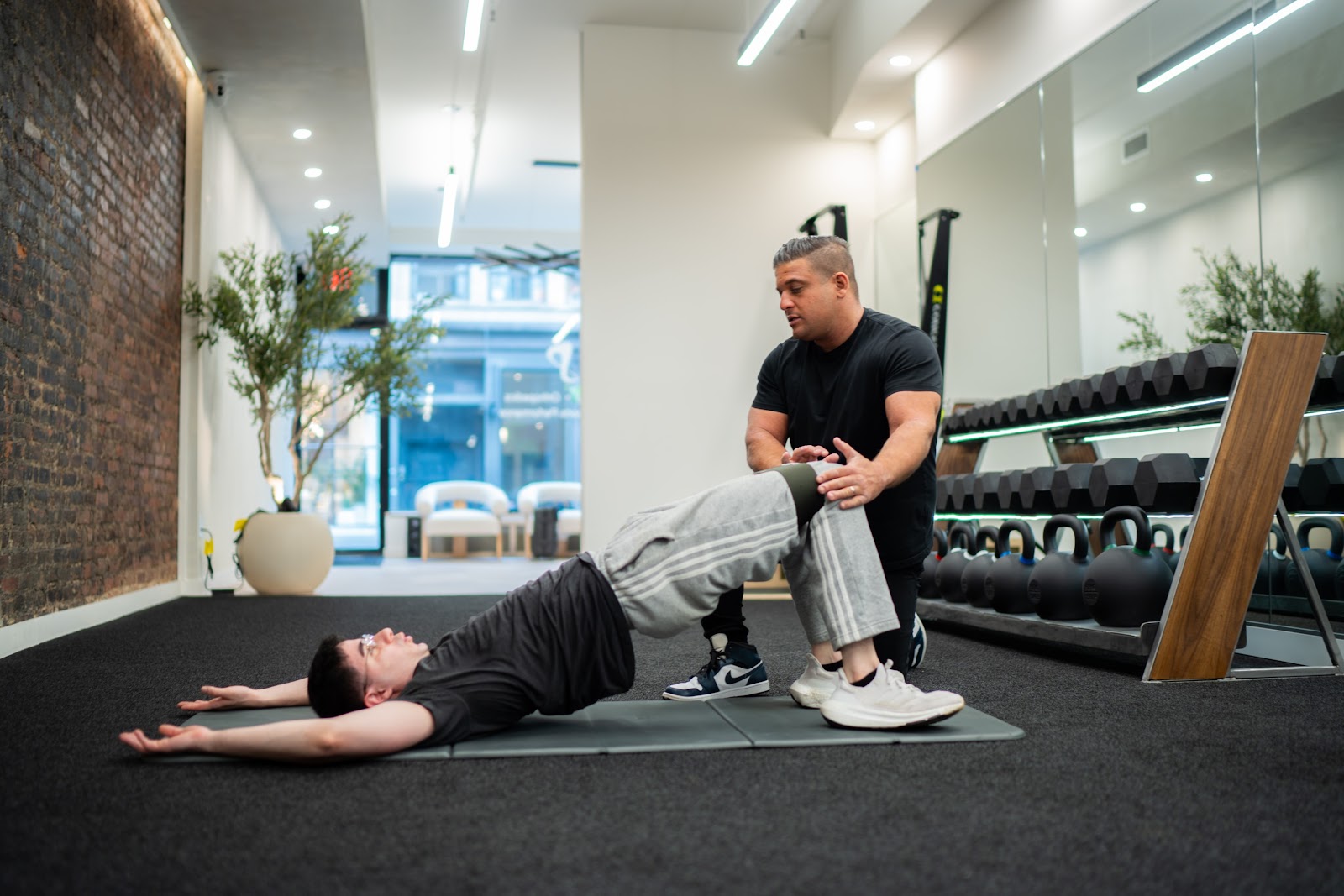
If you’re dealing with pelvic floor dysfunction, there are several treatment options available depending on the cause and severity of your symptoms. For mild cases, performing Kegel exercises as part of a regular exercise routine can help strengthen your pelvic floor muscles and improve bladder and bowel control. If you need additional support, physical therapy with a specialist can provide targeted exercises, biofeedback, or even electrical stimulation to help retrain your muscles.
In some situations, medication or surgery may be necessary to address underlying issues like severe urinary incontinence or fecal incontinence. Your healthcare provider can help you determine the best treatment plan for your needs, whether that involves adjusting your exercise routine, making lifestyle changes, or exploring medical interventions. Don’t hesitate to reach out to a healthcare provider if you’re experiencing symptoms—early treatment can make a significant difference in your recovery and quality of life.

ℹ️ Myth Buster | Quick Q&A

Myth: “Kegels are only for women.”
Truth: Men’s pelvic floors benefit equally—improving leaks, erections, and sexual stamina.

Myth: “Stronger is always better.”
Truth: When pelvic floor muscles are too tight, they restrict function—balance, not just strength, is key.

Final Thoughts: It’s Time to Talk About It

male pelvic floor therapists in Pelvis NYC

The male pelvic floor is a vital yet often ignored part of men’s health. These muscles affect your ability to control urine, enjoy sex, support your core, and recover from surgery or injury. Understanding their function—and learning how to train them—can dramatically improve your quality of life.

Whether you’re managing a specific issue or just want to optimize your long-term health, pelvic floor care is an investment worth making. Start with small steps. Stay consistent. And don’t be afraid to seek support—your body will thank you.

✅ Ready to take your pelvic health seriously?

👉 Connect with the experts at Pelvis NYC—a leading pelvic floor physical therapy clinic specializing in men’s pelvic health, sexual dysfunction, post-surgical rehab, and core optimization. Their evidence-based, personalized programs are designed to help you regain control, eliminate discomfort, and elevate your quality of life.

Your pelvic floor matters. Make it a priority—start with Pelvis NYC today.

Preventing Pelvic Floor Problems in Men

Preventing Pelvic Floor Problems in Men

Hi guys! Now we’re discussing a topic that empowers us to take charge of our health and well-being—preventing pelvic floor problems in men. Now, I know it might not be the typical conversation starter, but trust me, it’s a game-changer. By exploring the preventive measures for pelvic floor issues, we’re setting ourselves up for a happier, healthier, and more confident life. So, let’s break down the barriers and have an open, positive discussion about preventing pelvic floor problems and keeping them in top-notch shape!

Introduction

Alright, let’s start by getting familiar with our pelvic floor. This is an unsung heroes that provide essential support to our internal bits. These muscles and connective tissues work tirelessly to keep our bladder, bowel, and other vital organs in check. And you know what? They deserve some appreciation for the fantastic work they do!

Why Preventing Pelvic Floor Problems Important?

Here’s the deal, guys—our pelvic floor is a key player in our overall well-being. Keeping it healthy can make a world of difference. By focusing on preventing pelvic floor problems, we’re not only avoiding potential problems but also nurturing a strong foundation for a kick-ass life. Let’s take a look at some compelling reasons why pelvic floor prevention matters and why it’s something to feel genuinely positive about:

  • Empowerment: Taking preventive action empowers us to be proactive in our health journey. It’s like being the captain of our own ship, steering it towards smooth waters and avoiding any potential storms.
  • Living Life Unrestricted: With a healthy pelvic floor, we can go about our day. We can also chase our dreams, and enjoy life to the fullest without any limitations or disruptions.
  • Peak Performance: For us guys, peak performance isn’t limited to just sports and workouts. A robust pelvic floor contributes to better sexual function and performance, adding some extra sparks to our intimate moments.
  • Confidence Booster: Prevention boosts our confidence and self-assurance. Knowing that we’re taking care of our bodies and prioritizing our health can give us an extra dose of swagger.
  • Thriving at Any Age: Age is just a number, and with preventive measures, we can maintain our vitality and vigor, gracefully embracing the different chapters of our lives.
  • Healthier Relationships: When we feel our best, it positively impacts our relationships. Whether with partners, friends, or family, nurturing our pelvic floor health creates a ripple effect of happiness and harmony.
  • Focusing on Solutions: Prevention shifts the focus from problems to solutions. Instead of worrying about potential issues, we’re actively working towards a healthier and happier future.

Conclusion

Let’s shift the narrative and celebrate the positive steps we can take to safeguard our pelvic floor. With a mix of knowledge, action, and positivity, we can pave the way for a life filled with strength, confidence, and boundless potential!

More Questions on Preventing Pelvic Floor Muscles?

If you have any more questions about pelvic floor health or are ready to take action to restore or improve your pelvic floor function, don’t hesitate to reach out to the experts at Pelvis NYC. They are passionate about men’s health and offer specialized pelvic floor physical therapy services that can help you on your journey toward optimal pelvic health.

Check out their website at www.pelvis.nyc for more information and take the first step towards a stronger, healthier you!

Importance of Pelvic Floor Muscle Training for Men

Importance of Pelvic Floor Muscle Training for Men

Hey there! Today, we’re diving deep into a topic that may not be on your top list, but trust me it is a game-changer—pelvic floor muscle training. Don’t worry if you’re scratching your head and wondering, “What on earth is the pelvic floor?” Stick with me, and together we’ll uncover the importance of this often-overlooked aspect of men’s health. Get ready to tap into your manly strength and take charge of your pelvic floor!

Definition of Pelvic Floor

Alright, guys, let’s start with the basics. A pelvic floor is a group of muscles that form a hammock-like structure at the bottom of your pelvis. It supports your pelvic organs, including the bladder, bowel, and even your mighty manhood. Think of it as the rock-solid foundation that keeps everything in place and functioning optimally. Pretty important stuff, right?

Why is Pelvic Floor Muscle Training Important for Men?

Here’s the deal, gentlemen. Pelvic floor muscle training isn’t just for women—it’s for us too! Here are some key reasons for the importance of pelvic floor muscle training to your pelvic floor health:

  • Improved Bladder Control: Say goodbye to those unexpected leaks when you laugh or cough. Strengthening your pelvic floor muscles can enhance bladder control, giving you the confidence to tackle any situation head-on.
  • Enhanced Sexual Function: Yup, you heard that right. A strong pelvic floor can rev up your performance in the bedroom. It can help you achieve stronger and longer-lasting erections, improve orgasm intensity, and give you better control over your pleasure.
  • Preventing or Managing Erectile Dysfunction: Pelvic floor muscle training is effective in preventing and managing erectile dysfunction. By boosting blood flow and muscle tone in the pelvic area, you can promote erectile health and keep the good times rolling.
  • Post-Surgery Recovery: If you’ve undergone prostate surgery or any other procedure affecting the pelvic area, pelvic floor muscle training can speed up your recovery, minimize complications, and restore your strength and function.

How to Get Started with Pelvic Floor Muscle Training? 

Alright, guys, let’s get down to business. Here’s a step-by-step guide to kick-start your pelvic floor muscle training routine:

  • Identify the Right Muscles: It’s all about targeting the right muscles. Imagine you’re trying to stop the flow of urine midstream or hold in gas. The muscles you engage in doing that are your pelvic floor muscles.
  • Start with the Basics: Begin by lying down or sitting comfortably. Squeeze and lift your pelvic floor muscles, holding for a count of 5 seconds, then relax for 5 seconds. Repeat this cycle 10 times, aiming for 3 sets throughout the day.
  • Gradually Increase the Challenge: As you gain strength and control, aim to increase the duration of each contraction and the number of repetitions. Remember, progress takes time, so be patient and stay consistent.

Maintaining Pelvic Floor Health in Everyday Life

Beyond targeted exercises, there are simple lifestyle adjustments you can make to support the importance of your pelvic floor health:

  • Stay Active: Regular physical activity, such as walking, jogging, or weightlifting, can promote pelvic floor strength and overall health.
  • Mind Your Posture: Maintain good posture, especially during lifting heavy objects, to avoid unnecessary pressure on your pelvic floor.
  • Watch Your Weight: Maintaining a healthy weight can reduce strain on your pelvic floor and contribute to overall well-being.
  • Ditch the Smoking: Smoking can impair blood flow and weaken pelvic floor muscles. Kicking the habit will do wonders for your pelvic health and beyond.

Conclusion

Guys, it’s time to give your pelvic floor the attention it deserves. Having pelvic floor muscle training into your routine, you can unlock a world of benefits—from better bladder control to enhanced sexual function. So, let’s embrace our manly strength and take charge of our pelvic floor health. It’s never too late to start, so visit www.pelvis.nyc to get going and enjoy the rewards that come with a robust and resilient pelvic floor!


Curious about how to prevent pelvic floor problems? Or a weak pelvic floor? Click the links!

Pelvic Floor Physical Therapy for Men: Restoring Your Strength and Function

Pelvic Floor Physical Therapy for Men: Restoring Your Strength and Function

Today, we’re diving into the world of pelvic floor physical therapy for men. Yep, you read that right—pelvic floor issues aren’t just a women’s thing. Men can experience pelvic floor dysfunction too, and it can mess with your quality of life. But fear not! In this blog, I, as a physical therapist with real-world experience, will be your guide, sharing valuable insights, personal views, and some down-to-earth advice to help you understand and tackle this topic head-on. So, let’s get started on restoring your strength and function!

Pelvic Floor in Men

Alright, guys, let’s talk about your pelvic floor. It’s a group of muscles that form a sort of hammock at the bottom of your pelvis. These muscles do some important work—supporting your pelvic organs, keeping your continent, and contributing to your sexual function. But just like any other muscle group, they can sometimes act up and cause trouble.

Common Pelvic Floor Issues in Men

Now, let’s get real about some of the common issues you might face down there:

  • Urinary Incontinence: Yep, that’s when you have trouble controlling your bladder and end up leaking when you don’t want to. Think coughing, sneezing, or even just going for a jog.
  • Erectile Dysfunction: It’s no fun when the soldier doesn’t stand at attention when you need him to. Trouble getting or keeping an erection during sex is what we’re talking about here.
  • Chronic Pelvic Pain: Ongoing pain in your pelvic region that just won’t quit. It can make sitting, walking, or doing anything downright miserable.
  • Pelvic Organ Prolapse: This is when your pelvic organs, like your bladder, rectum, or even your prostate, start shifting out of place because the pelvic floor isn’t providing enough support.

The Role of Pelvic Floor Physical Therapy

So, what can you do to tackle these issues? That’s where pelvic floor physical therapy comes in. Let me break it down for you:

  1. Evaluation and Assessment: Picture this—you and a skilled physical therapist having a heart-to-heart about your pelvic floor. They’ll dive deep into what’s causing your troubles and figure out the best plan of action just for you.
  2. Education and Behavioral Modifications: You gotta understand your pelvic floor, my friend. Your physical therapist will be your go-to guru, providing knowledge on the good bladder and bowel habits, helping you improve your posture, and teaching you relaxation techniques that’ll have you feeling zen in no time.
  3. Pelvic Floor Muscle Training: We’re all about building strength and coordination down there. Your therapist will show you specific exercises to target those pelvic floor muscles and help you get them in tip-top shape.
  4. Hands-On Help: Sometimes, a little hands-on assistance goes a long way. Your therapist might use manual therapy techniques to release muscle tension, improve blood flow, and help those muscles relax.
  5. Lifestyle Tweaks: Small changes can make a big difference. Your therapist may suggest things like adjusting your diet, managing your weight, and staying active to support your pelvic floor health.
  6. Retraining and Reclaiming Control: For those pesky urinary incontinence issues, your therapist can help you retrain your bladder and develop strategies to regain control and confidence.

Conclusion for Pelvic Floor Physical Therapy

Alright, guys, you’ve got the lowdown on pelvic floor physical therapy. Remember, this journey is all about you reclaiming your strength and function down there. Working hand-in-hand with a skilled physical therapist, you can conquer those pelvic floor issues, banish the discomfort, and get back to living your best life. Visit www.pelvis.nyc for further information and get a FREE 15-minute teleconsultation. Remember, you’re not alone on this journey, and together, we’ll make sure you come out on top!

You might be interested to read our blog: The Male Physiotherapist: An Interview with Dr. Adam Gvili, PT, DPT

Pelvic Floor Exercises for Men: How to Strengthen the Core

Pelvic Floor Exercises for Men: Strengthening Your Core

While pelvic floor exercises are often associated with women, they are equally important for men’s health. Pelvic muscles are crucial in supporting the bladder, controlling urine flow, and aiding in sexual function and overall stability.

In this blog, we welcome you to a comprehensive guide on pelvic floor exercises tailored specifically for men. We will explore the significance of pelvic floor muscles, discuss the benefits of exercising them, and provide step-by-step instructions on identifying and using the correct muscles for effective pelvic floor exercises. Incorporating these exercises into your daily routine is essential for achieving effective and lasting results.

Introduction to Pelvic Floor Muscles

pelvic floor exercises for men

The pelvic floor muscles are a group of muscles that surround and support the organs in the pelvis, including the bladder, bowel, and, in women, the uterus. These muscles play a crucial role in maintaining bladder control, preventing urine leaks, and supporting bowel function. When these muscles are weak, it can lead to stress incontinence, causing urine to leak during activities like coughing or sneezing. Fortunately, pelvic floor muscle training, commonly known as kegel exercises, can help strengthen these muscles and improve overall pelvic health. By regularly practicing these exercises, you can enhance bladder control, reduce the risk of incontinence, and support your pelvic organs effectively.

What is the Pelvic Floor?

The male pelvic floor is a group of muscles and connective tissues located at the base of the pelvis. These muscles stretch like a hammock from the pubic bone at the front to the tailbone at the back and from one sitting bone to the other. The primary functions of the pelvic floor are:

  1. Support of Pelvic Organs: It supports the bladder and intestines.
  2. Control of Bladder and Bowel: The pelvic floor muscles help control the release of urine, feces, and gas by maintaining continence, including control when resisting the urge to be passing gas. They play a crucial role in controlling bowel movements.
  3. Sexual Function: These muscles play a role in sexual sensation and function.
  4. Stability of Core: They contribute to core stability, working with the abdominal and back muscles. Good pelvic floor muscle function also involves coordination and relaxation, and many factors can affect how well these muscles work. It is important not to engage the buttocks while performing Kegel exercises to ensure proper technique.

Understanding Pelvic Floor Muscle Training

Pelvic floor muscle training involves exercising the pelvic floor muscles to strengthen them and improve bladder control, with proper function relying on both appropriate contraction and relaxation. One of the most effective ways to do this is through Kegel exercises, which involve tightening and relaxing the pelvic floor muscles. To perform Kegel exercises correctly, it’s essential to identify the right muscles. You can do this by trying to stop the flow of urine mid-stream while urinating, which may also help you recognize the muscles involved in starting a urine stream and the area around the back passage. However, it’s important not to make this a regular practice, as it can lead to urinary tract infections. Instead, focus on tightening the pelvic floor muscles before activities like sneezing or coughing to help prevent urine leaks. Consistent practice of these exercises can significantly improve bladder control and overall pelvic health, although many factors can weaken or disrupt these muscles over time.

The Importance of a Strong Pelvic Floor

A strong pelvic floor is essential for maintaining good pelvic health and preventing pelvic floor dysfunction. The pelvic floor muscles support the pelvic organs, including the bladder, bowel, and uterus, and help prevent pelvic organ prolapse. Additionally, a strong pelvic floor can enhance sexual function and reduce the risk of incontinence symptoms, including urine leakage. Strengthening these muscles can also help reduce the risk of fecal incontinence and improve overall bowel control. By focusing on building a strong pelvic floor, you can enjoy better bladder control, improved sexual health, and a reduced risk of pelvic organ prolapse.
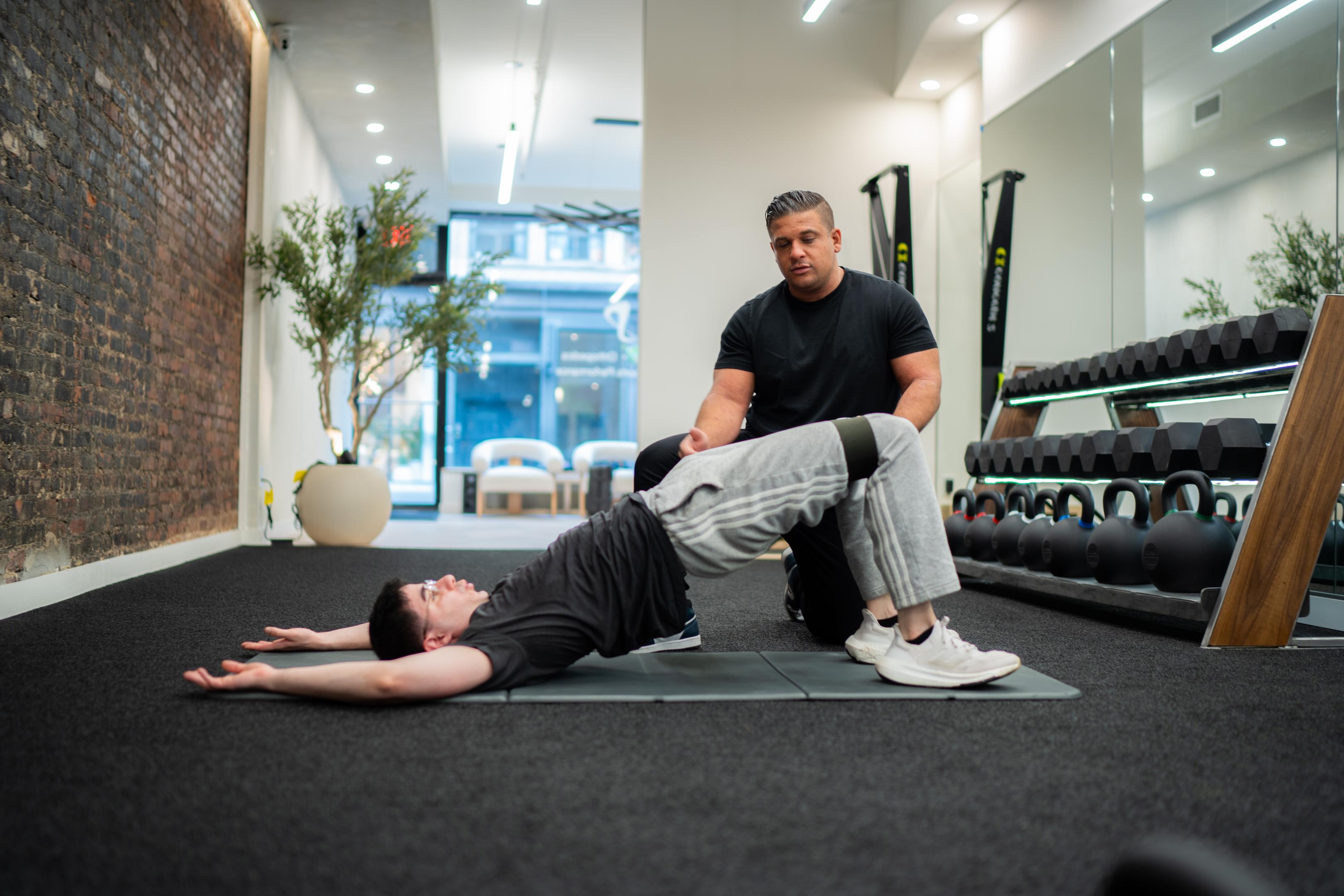
What is a Pelvic Floor Exercise?

Pelvic floor exercises, commonly known as Kegel exercises, are designed to strengthen the pelvic floor muscles. These exercises are beneficial for men and can help with issues such as urine leakage, pelvic organ prolapse, and sexual dysfunction, including after treatment for an enlarged prostate or a radical prostatectomy.

For individuals experiencing difficulties in performing Kegel exercises, electrical stimulation can be used as a complementary method. This technique involves sending a small electric current to the pelvic floor muscles, effectively mimicking the sensation of a Kegel and helping to improve muscle contraction.

Working with a Physical Therapist

pelvic floor exercises for men

If you’re experiencing problems with your pelvic floor, it’s essential to work with a physical therapist who specializes in pelvic floor therapy. A physical therapist can help you identify the correct muscles to use during Kegel exercises and provide guidance on how to strengthen your pelvic floor muscles effectively, including if you have symptoms related to an enlarged prostate or are recovering from radical prostatectomy; a healthcare provider may also advise starting pelvic floor therapy before surgery. They can also help you develop a personalized exercise program tailored to your specific needs, improving your pelvic health and reducing incontinence symptoms. Additionally, a physical therapist can provide education on conservative management techniques, such as dietary changes and lifestyle modifications, to help manage pelvic floor dysfunction. Seeking professional help ensures that you are performing the exercises correctly and getting the most benefit from your efforts.

What are the Benefits of Pelvic Floor Exercises for Men with Urinary Incontinence?

  • Improved Urinary Control: Keeping the pelvic floor muscles strong can enhance bladder control, reducing the risk of urinary incontinence and urgency. If you have incontinence or are preparing for prostate treatment, consult a healthcare provider for evaluation and guidance. Consistent practice of pelvic floor exercises can lead to noticeable improvements within a few months, including during daily strain such as heavy lifting.
  • Pelvic Floor Muscle Training: Engaging in pelvic floor muscle training can address issues like urinary or fecal incontinence, especially after prostate surgery. Professional assessment and tailored exercises are essential for effective results, and men preparing for prostate surgery are often advised to start pelvic floor exercises four to six weeks before surgery.
  • Enhanced Sexual Function: Strong pelvic floor muscles contribute to better erectile function, increased ejaculation control, and intensified orgasms.
  • Core Stability and Posture: The pelvic floor muscles are an integral part of your core muscles. Strengthening them can improve core stability, leading to better posture, reduced back pain, and improved overall strength, especially when progressing to standing exercises.
  • Prevention of Pelvic Organ Prolapse: Strong pelvic floor muscles provide support to the pelvic organs, reducing the risk of pelvic organ prolapse, a condition where organs descend into the vaginal canal or rectum.
  • Practical Tips for Managing Symptoms: Consider the following tips to manage urinary incontinence symptoms effectively: maintain a healthy weight, avoid bladder irritants, and practice pelvic floor exercises regularly.

Pelvic Floor Exercises for Men

pelvic floor exercises for men
  1. Kegel Exercises: Kegel exercises are the cornerstone of pelvic floor exercises for men. Here’s a step-by-step guide on how to perform them correctly:

a. Identify the right muscles: Begin by locating the muscles that control the flow of urine. Imagine stopping the flow of urine midstream. The muscles you engage to do this are your pelvic floor muscles. Identifying and engaging the right muscles is crucial for effective results.

b. Start with relaxation: Empty your bladder and find a comfortable position, such as sitting or lying down.

c. Contract the muscles: Squeeze the pelvic floor muscles, lifting them upward and inward. Focus on the muscles around the anus, urethra, and base of the penis. Avoid holding your breath or tensing other muscles. Make sure not to tighten your stomach muscles.

d. Hold and release: Hold the contraction for a count of 3 to 5 seconds, then release and relax the muscles for an equal amount of time.

e. Gradually increase repetitions: Start with 5 to 10 repetitions, gradually working your way up to 20 or more over time. Pelvic floor muscle exercises and training are essential for addressing issues such as urinary or fecal incontinence, erectile dysfunction, and post-prostate surgery recovery.

  1. Squats: Squats engage multiple muscle groups, including the pelvic floor. To perform squats:

a. Stand with your feet shoulder-width apart, toes pointing slightly outward.

b. Lower your body as if sitting back into a chair, bending at the hips and knees. Keep your weight centered over your heels.

c. Pause briefly at the bottom, then push through your heels to return to the starting position.

d. Aim for 10 to 15 repetitions, gradually increasing as you get stronger.

  1. Bridge Exercises: Bridge exercises target the glutes and the pelvic floor. Follow these steps:

a. Lie on your back with knees bent and feet flat on the floor, hip-width apart.

b. Engage your glutes and core muscles, and slowly lift your hips off the floor until your body forms a straight line from knees to shoulders.

c. Hold for a few seconds, then lower your hips back down to the starting position.

d. Perform 10 to 15 repetitions, gradually increasing as your strength improves.

Five Exercises to Strengthen the Pelvic Floor

pelvic floor exercises for men

Here are five exercises to help strengthen the pelvic floor muscles:

  1. Kegel Exercises: Tighten the pelvic floor muscles for a few seconds, then release. Repeat this process several times a day. This exercise is fundamental for building pelvic floor strength.
  2. Pelvic Tilts: Lie on your back with your knees bent and feet flat on the floor. Tilt your pelvis upwards and then back down again, repeating the motion several times. This exercise helps engage the pelvic floor muscles and improve core stability.
  3. Bridging: Lie on your back with your knees bent and feet flat on the floor. Slowly lift your hips up towards the ceiling, squeezing your pelvic floor muscles as you lift. Hold for a few seconds, then slowly lower your hips back down. This exercise targets the glutes and pelvic floor muscles.
  4. Squats: Stand with your feet shoulder-width apart and slowly lower yourself down into a squat, keeping your back straight and your pelvic floor muscles tight. This exercise engages multiple muscle groups, including the pelvic floor.
  5. Lunges: Stand with your feet together and take a large step forward with one foot. Lower yourself down into a lunge, keeping your back straight and your pelvic floor muscles tight. Alternate legs with each repetition. Lunges help strengthen the lower body and pelvic floor muscles.

Remember to always consult with a healthcare professional before starting any new exercise program, especially if you’re experiencing pelvic floor dysfunction or incontinence symptoms. With the right exercises and guidance, you can strengthen your pelvic floor muscles and improve your overall pelvic health.

Incorporating Pelvic Floor Exercises into Your Routine

To maximize the benefits of pelvic floor exercises, consider these tips:

  1. Consistency: Aim to perform pelvic floor exercises at least three times a week. Consistency is key to achieving results and strengthening your pelvic floor effectively.
  2. Gradual Progression: Start with a comfortable number of repetitions and gradually increase as your muscles become stronger. Be patient and listen to your body.
  3. Correct Form: Pay attention to proper technique when performing exercises to ensure you are targeting the pelvic floor muscles effectively.
  4. Address Weakness: If you have weak pelvic floor muscles, it’s important to address this issue. Strengthening these muscles through exercises like Kegels can help, but if you experience bladder or bowel control problems, seek professional help.
  5. Integration: Pelvic floor exercises can be incorporated into your existing fitness routine or performed discreetly at any time throughout the day.
  6. Quick Flick Kegels: Incorporate quick flick Kegels into your routine to help stop leaks caused by sneezing or coughing. This technique involves quickly contracting and relaxing the pelvic floor muscles, which can be particularly beneficial for postpartum individuals.

Conclusion

Taking care of your pelvic floor health is essential for men’s well-being, especially for those undergoing prostate surgery, as pelvic floor exercises are crucial for recovery and bladder control. If you experience pelvic pain, such as painful sex, constipation, urgency, or difficulty with urine flow, it is important to consult a specialist in pelvic floor rehabilitation.
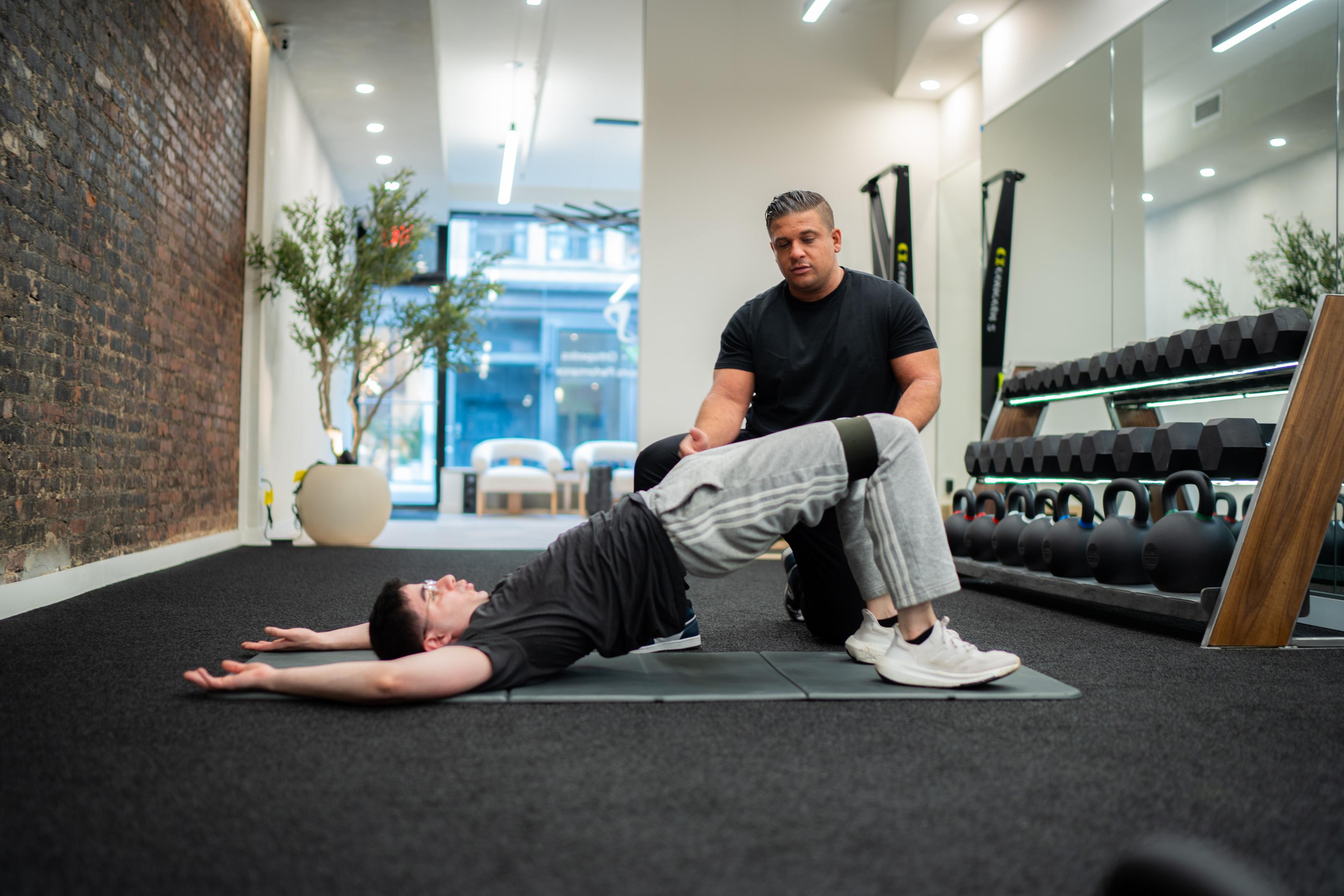
By regularly practicing pelvic floor exercises, such as Kegels, squats, and bridge exercises, you can strengthen your core, improve urinary control, enhance sexual function, and promote overall pelvic health. Remember, consistency and proper form are crucial for optimal results.

Start integrating these exercises into your routine with the help of Pelvis NYC today and reap the long-term benefits of a strong and healthy pelvic floor.

Check out our blog about Pelvic Floor Dysfunction: How Common is it in Men?

Pelvic Floor Issues in Men: How Can They Be Treated?

Common Pelvic Floor Issues in Men: Let's Find Out

Pelvic floor issues in men are more common than many realize and can affect bladder control, bowel function, sexual performance, and overall quality of life. Whether caused by weak pelvic floor muscles, muscle tension, prostate surgery, aging, or chronic stress, many pelvic floor disorders can be effectively treated through pelvic floor physical therapy, targeted exercises, and lifestyle changes.

Despite their prevalence, pelvic floor symptoms often go undiagnosed because many men assume urinary leakage, pelvic pain, or erectile dysfunction are simply part of aging. The reality is that these symptoms often indicate an underlying pelvic floor dysfunction that can be addressed with proper evaluation and treatment.

In this guide, we’ll explain the most common pelvic floor issues in men, what causes them, treatment options available today, and why pelvic floor physical therapy is often one of the most effective solutions.


Understanding the Pelvic Floor

What Is the Pelvic Floor?

The pelvic floor is a group of muscles, ligaments, connective tissue, and nerves at the base of the pelvis that support organs in the pelvic area. These structures work together, with the pelvic floor musculature supporting the bladder, bowel, prostate, and surrounding organs while also helping with continence.

The pelvic floor muscles play several essential roles:

  • Supporting pelvic organs
  • Maintaining bladder and bowel control
  • Contributing to sexual function
  • Assisting with core stability
  • Managing abdominal pressure during lifting, exercise, and movement

When these muscles become weak, tight, injured, or poorly coordinated, pelvic floor issues can develop.


Common Pelvic Floor Issues in Men

What Are the Most Common Pelvic Floor Disorders?

Men can experience several different pelvic floor disorders throughout their lifetime. Some are related to aging, while others result from surgery, injury, chronic straining, or prolonged muscle tension, and these pelvic floor conditions can also involve bladder, bowel, and pain symptoms.

Urinary Incontinence

Urinary incontinence is one of the most common pelvic floor issues affecting men.

This condition occurs when bladder control is compromised, leading to involuntary urine leakage. Leakage with coughing, sneezing, or exercise is called stress urinary incontinence. It is particularly common after prostate surgery but can also develop due to aging, nerve damage, obesity, or weak pelvic floor muscles.

Common Symptoms Include:

  • Dribbling after urination
  • Leakage during exercise
  • Leakage when coughing or sneezing
  • Sudden urgency to urinate
  • Frequent nighttime urination

Research published by the American Urological Association indicates that pelvic floor muscle training is one of the most effective conservative treatments for post-prostatectomy urinary incontinence.


Overactive Bladder

An overactive bladder occurs when the bladder contracts too frequently or unexpectedly, creating a strong urge to urinate.

Men with overactive bladder may experience:

  • Frequent urination
  • Sudden urges to urinate
  • Difficulty reaching the bathroom in time
  • Interrupted sleep due to nighttime urination

Although bladder dysfunction plays a role, pelvic floor muscle tension and poor coordination often contribute significantly to symptoms, and managing fluid intake can help reduce urinary frequency and urgency.


Erectile Dysfunction

While erectile dysfunction (ED) has multiple causes, pelvic floor dysfunction is often overlooked as a contributing factor.

The pelvic floor muscles help support blood flow and maintain erections. Weakness, poor coordination, or excessive tension in these muscles may negatively impact erectile performance.

Studies published in The Journal of Sexual Medicine have shown that pelvic floor exercises can improve erectile function in some men, especially when combined with lifestyle modifications.


Chronic Pelvic Pain

Chronic pelvic pain affects thousands of men every year and is often linked to dysfunctional pelvic floor muscles.

Symptoms may include:

  • Groin pain
  • Tailbone pain
  • Testicular discomfort
  • Perineal pain
  • Pain while sitting
  • Pain during or after ejaculation

In many cases, muscle tension and trigger points within the pelvic floor contribute to ongoing discomfort.


Chronic Prostatitis/Chronic Pelvic Pain Syndrome (CP/CPPS)

CP/CPPS is one of the most challenging pelvic floor disorders to diagnose and treat.

Men with CP/CPPS often report:

  • Persistent pelvic pain
  • Urinary symptoms
  • Sexual dysfunction
  • Discomfort during prolonged sitting

Research suggests that pelvic floor muscle dysfunction may be a major contributor to symptom persistence, making physical therapy a key component of treatment.


Pelvic Organ Prolapse in Men

Although more common in women, pelvic organ prolapse can occur in men, particularly following prostate surgery or chronic increases in abdominal pressure.

This condition develops when weakened support structures allow pelvic organs to descend or shift position.

Risk factors include:

  • Chronic constipation
  • Heavy lifting
  • Obesity
  • Chronic coughing
  • Previous pelvic surgery

What Causes Pelvic Floor Dysfunction?

Why Do Men Develop Pelvic Floor Issues?

Pelvic floor dysfunction rarely develops from a single cause. Instead, it often results from a combination of physical, lifestyle, and medical factors.

Common Causes Include:

  • Aging
  • Prostate surgery
  • Chronic constipation
  • Heavy lifting
  • Poor posture
  • Obesity
  • Chronic stress
  • Athletic overtraining
  • Nerve injuries
  • Previous pelvic trauma

Many men are surprised to learn that stress and anxiety can significantly contribute to pelvic floor tension and pain.


Pelvic Floor Symptoms Men Should Never Ignore

What Are the Warning Signs?

Pelvic floor symptoms can vary significantly, and these symptoms are common signs of pelvic floor problems depending on whether muscles are weak, tight, or poorly coordinated.

Common warning signs include:

Urinary Symptoms

  • Urinary leakage
  • Urinary urgency
  • Frequent urination
  • Difficulty emptying the bladder

Bowel Symptoms

  • Constipation
  • Straining during bowel movements
  • Incomplete emptying

These bowel symptoms may reflect pelvic floor dyssynergia, when the muscles do not coordinate normally during bowel movements, including paradoxical contraction, when the pelvic floor muscles tighten instead of relaxing during attempted bowel movements. Some men with these symptoms are also evaluated for functional constipation.

Sexual Symptoms

  • Erectile dysfunction
  • Premature ejaculation
  • Pain during intercourse
  • Pain after ejaculation

Pain Symptoms

  • Pelvic pain
  • Tailbone pain
  • Groin pain
  • Lower abdominal discomfort
  • Hip pain

If symptoms persist for several weeks, professional evaluation is recommended.


How Physical Therapy Helps Treat Pelvic Floor Issues

Why Pelvic Floor Physical Therapy Is Often the First-Line Treatment

One of the most effective non-surgical treatment options for pelvic floor dysfunction is pelvic floor physical therapy.

Unlike medications that may only mask symptoms, physical therapy addresses the underlying muscular and movement-related causes, and biofeedback is a mainstay of treatment for many patients.

A pelvic floor physical therapist evaluates:

  • Muscle strength
  • Muscle coordination, often including a physical exam
  • Breathing patterns
  • Core function
  • Posture
  • Movement mechanics

This comprehensive approach often leads to lasting improvements.


What Happens During Pelvic Floor Physical Therapy?

Many men feel uncertain before their first appointment, but pelvic floor therapy is highly individualized and evidence-based.

A treatment plan may include:

Muscle Retraining

Learning how to properly contract and relax pelvic floor muscles.

Manual Therapy

Hands-on techniques that reduce muscle tension and improve mobility, including myofascial release as a manual therapy approach. In some cases of persistent pelvic pain, trigger point injections may also be considered.

Biofeedback

Technology that helps patients visualize muscle activity and improve control.

Breathing Retraining

Improving diaphragm function to reduce pelvic floor strain.

Exercise Prescription

Targeted exercises designed specifically for each patient’s condition, with some programs emphasizing relaxation techniques rather than strengthening when muscles are overactive or painful.

Do Pelvic Floor Exercises Really Work?

For many men, yes.

Pelvic floor exercises, often called Kegel exercises, can strengthen weak pelvic floor muscles and improve bladder control, sexual function, and pelvic stability.

Basic Kegel Exercise

  1. Identify the muscles used to stop urine flow.
  2. Tighten those muscles gently.
  3. Hold for 3-5 seconds.
  4. Relax completely.
  5. Repeat 10 times.

Performing two to three sets daily may improve symptoms over time.

However, not every man needs strengthening. Some pelvic floor issues result from excessive muscle tension, making relaxation exercises equally important.

This is why professional assessment is recommended before beginning an exercise program.


Lifestyle Changes That Support Pelvic Floor Health

Improving pelvic floor health often requires a combination of therapy and lifestyle modifications.

Maintain a Healthy Weight

Excess body weight increases pressure on pelvic structures and may worsen symptoms.

Avoid Chronic Straining

Increasing dietary fiber and hydration can reduce constipation-related stress on the pelvic floor.

Improve Lifting Mechanics

Using proper lifting techniques protects the pelvic floor from unnecessary strain.

Stay Physically Active

Regular exercise supports circulation, mobility, and muscle function.

Manage Stress

Stress frequently contributes to chronic muscle tension, including within the pelvic floor.

Mindfulness practices, breathing exercises, and physical activity may help reduce symptom flare-ups.


Treatment Options for Pelvic Floor Disorders

Treatment options vary depending on the diagnosis and severity of symptoms.

Conservative Treatments

  • Pelvic floor physical therapy
  • Pelvic floor exercises
  • Lifestyle changes
  • Bladder retraining
  • Stress management
  • Dietary modifications

Medical Treatments

  • Medications
  • Nerve modulation therapies
  • Injections

Surgical Treatments

In some cases, surgery may be necessary for severe prolapse, persistent incontinence, or structural abnormalities, and treatment planning may involve collaboration among healthcare professionals, with referral to colorectal surgeons, colon and rectal surgeons, or rectal surgeons when bowel or structural issues are complex.

Most men benefit from conservative treatments before considering surgery.

Why Early Treatment Matters

Many men wait months or even years before seeking help for pelvic floor issues.

Delaying treatment may lead to:

  • Worsening symptoms
  • Increased pain
  • Reduced quality of life
  • Greater emotional stress
  • More complex recovery

Early intervention often produces better outcomes and faster symptom improvement.


Take Control of Your Pelvic Floor Health with Pelvis NYC

Pelvic floor issues can affect every aspect of a man’s life—from confidence and intimacy to daily comfort and athletic performance. The good news is that effective treatment is available.

At Pelvis NYC, our specialists understand the unique challenges men face with pelvic floor dysfunction and coordinate with other health care professionals when needed. Through personalized pelvic floor physical therapy, evidence-based treatment plans, and compassionate care, we help patients restore function, reduce pain, and regain confidence.

Whether you’re struggling with urinary symptoms, pelvic pain, erectile dysfunction, or recovery after prostate surgery, our team is here to help.

Schedule your pelvic floor evaluation with Pelvis NYC today and take advantage of our FREE 15-minute teleconsultation to learn how treatment can support your recovery.


Frequently Asked Questions

What are pelvic floor issues in men?

Pelvic floor issues refer to problems involving the muscles, nerves, and connective tissues that support the bladder, bowel, and prostate. Symptoms may include urinary leakage, pelvic pain, and sexual dysfunction.

What causes pelvic floor dysfunction?

Common causes include aging, prostate surgery, chronic constipation, heavy lifting, obesity, stress, and muscle imbalances.

Can weak pelvic floor muscles cause erectile dysfunction?

Yes. Weak pelvic floor muscles may contribute to erectile dysfunction by affecting blood flow control and pelvic stability.

Is overactive bladder related to pelvic floor dysfunction?

In many cases, yes. Tight or poorly coordinated pelvic floor muscles can contribute to urinary urgency and frequency.

Do pelvic floor exercises help men?

Pelvic floor exercises can improve bladder control, sexual function, and pelvic stability when performed correctly and prescribed appropriately.

When should I see a pelvic floor physical therapist?

You should seek evaluation if you experience persistent pelvic pain, urinary symptoms, bowel issues, or sexual dysfunction that affects your quality of life. Evaluation typically begins with a thorough medical history and physical exam, which is essential before testing or a treatment plan is made.

Can pelvic floor dysfunction be cured?

Many cases can be significantly improved or fully resolved with appropriate treatment, including pelvic floor physical therapy, exercise, and lifestyle changes.