How to Manage Bowel Issues: Tips and Strategies

How to Manage Bowel Issues: Tips and Strategies

I am a physical therapist so I understand how difficult it can be for men to talk about bowel issues. But don’t lose hope! With my extensive experience treating bowel issues, I am here to provide practical tips and strategies to manage these issues effectively. Bowel issues can affect anyone, regardless of age, gender, or health status. It’s essential to seek help and support to improve your bowel health and overall quality of life. 

In this blog, I will discuss practical tips and strategies for men to manage their bowel issues effectively. So let’s get started.

Things to Help Manage Bowel Issues

  1. Eat a balanced diet

First, focus on eating a balanced diet with adequate fiber, fruits, and vegetables. This can help regulate bowel movements and prevent constipation. Remember, not all types of fiber are equal. Soluble fiber, found in oats, beans, and peas, can help soften stool and ease bowel movements, while insoluble fiber, found in whole grains and vegetables, adds bulk to stool and can help promote regular bowel movements. It’s important to include both types of fiber in your diet.

Check out our blog about the impact of diet on bowel health and how physical therapy can help.

  1. Stay hydrated

Next, stay hydrated by drinking enough water throughout the day. Dehydration can cause constipation and make bowel issues worse. Aim to drink at least eight glasses of water per day. If you’re struggling to drink enough water, try flavored water or herbal tea to increase your fluid intake.

  1. Exercise regularly

Regular exercise is also key for improving bowel movements. Exercises like walking, cycling, and swimming can increase blood flow to the intestines and promote regular bowel movements. However, it’s important to consult with your doctor or physical therapist before starting any exercise program, especially if you have severe bowel issues.

For more detailed information about exercises to improve bowel control check out this blog.

  1. Practice good bowel habits

It’s also essential to practice good bowel habits. Try to establish a regular bowel routine by going to the bathroom at the same time each day. Allow enough time to fully empty your bowels, and avoid straining or holding your breath while on the toilet. If you’re experiencing constipation, you may also try a squatting position, which can help facilitate bowel movements.

  1. Consider biofeedback therapy

Lastly, consider biofeedback therapy. This non-invasive technique can help improve bowel control by teaching you how to relax and contract your pelvic floor muscles. Biofeedback therapy involves placing sensors on your abdomen and buttocks to monitor muscle activity while you practice pelvic floor exercises. Your physical therapist can help you develop a personalized biofeedback program to improve your bowel control.

Get Help!

If you are a man experiencing bowel problems, seeking help from a professional can greatly benefit you. At Pelvis NYC, I have years of experience in treating bowel issues and can provide personalized advice and treatment plans tailored to your specific needs. Don’t hesitate to reach out to us for help and start managing your bowel issues effectively. Visit our website www.pelvis.nyc now!

Read this if you are experiencing a sudden urge to poop.

Exercises to Improve Bowel Control and Prevent Incontinence

Exercises to Improve Bowel Control and Prevent Incontinence

All of us know how important it is to maintain good bowel health. Not only can it improve your quality of life, but it can also prevent embarrassing accidents like bowel incontinence. Luckily, there are plenty of techniques and exercises to manage bowel issues and prevent incontinence.

Read to know more!

Introduction

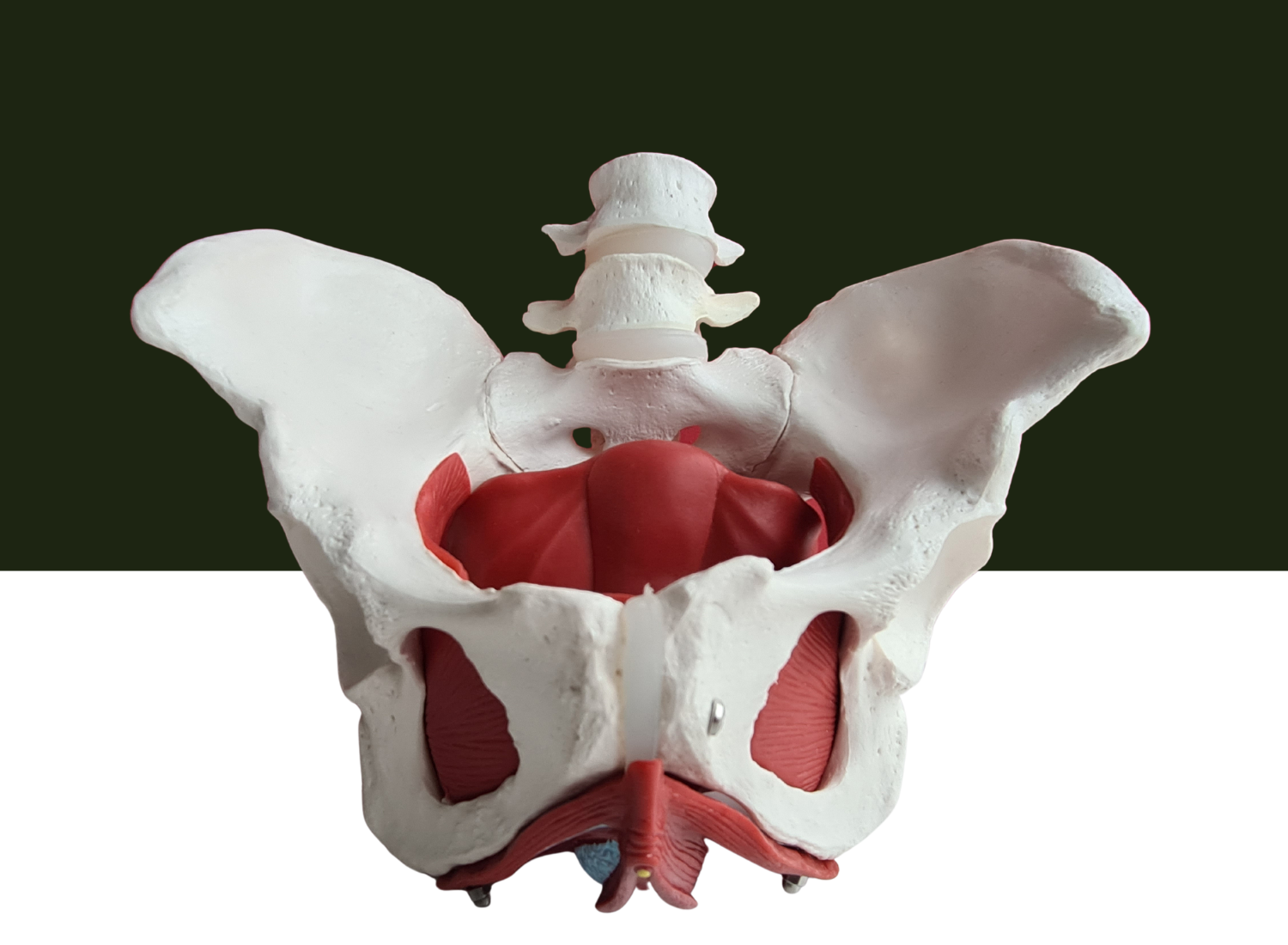
Many people don’t realize that the pelvic floor muscles play a critical role in bowel function.

These muscles support the bladder, uterus, and rectum, and they control bowel movements. When these muscles are weak, you may experience bowel incontinence, or the inability to control your bowel movements. However, regular exercises that strengthen the pelvic floor muscles can improve bowel control, and muscle tone and prevent incontinence.

Exercises to Improve Bowel Control

So, what exercises are most effective for improving bowel control? Kegel exercises are the most well-known exercises for strengthening the pelvic floor muscles. 

  • To perform Kegels, simply contract and relax the muscles that you use to stop the flow of urine. Aim for 10 repetitions of this exercise, holding each contraction for 5-10 seconds before relaxing. You can do Kegels while sitting, standing, or lying down.

Another exercise that can help improve bowel control is known as the “elevator exercise.” 

  • To do this, imagine that your pelvic floor muscles are like an elevator with three floors. Start by contracting the muscles as if you’re going to the first floor, then hold for a few seconds before contracting further as if you’re going to the second and then third floors. Then, slowly release the contraction, starting from the third floor and gradually relaxing down to the first floor.

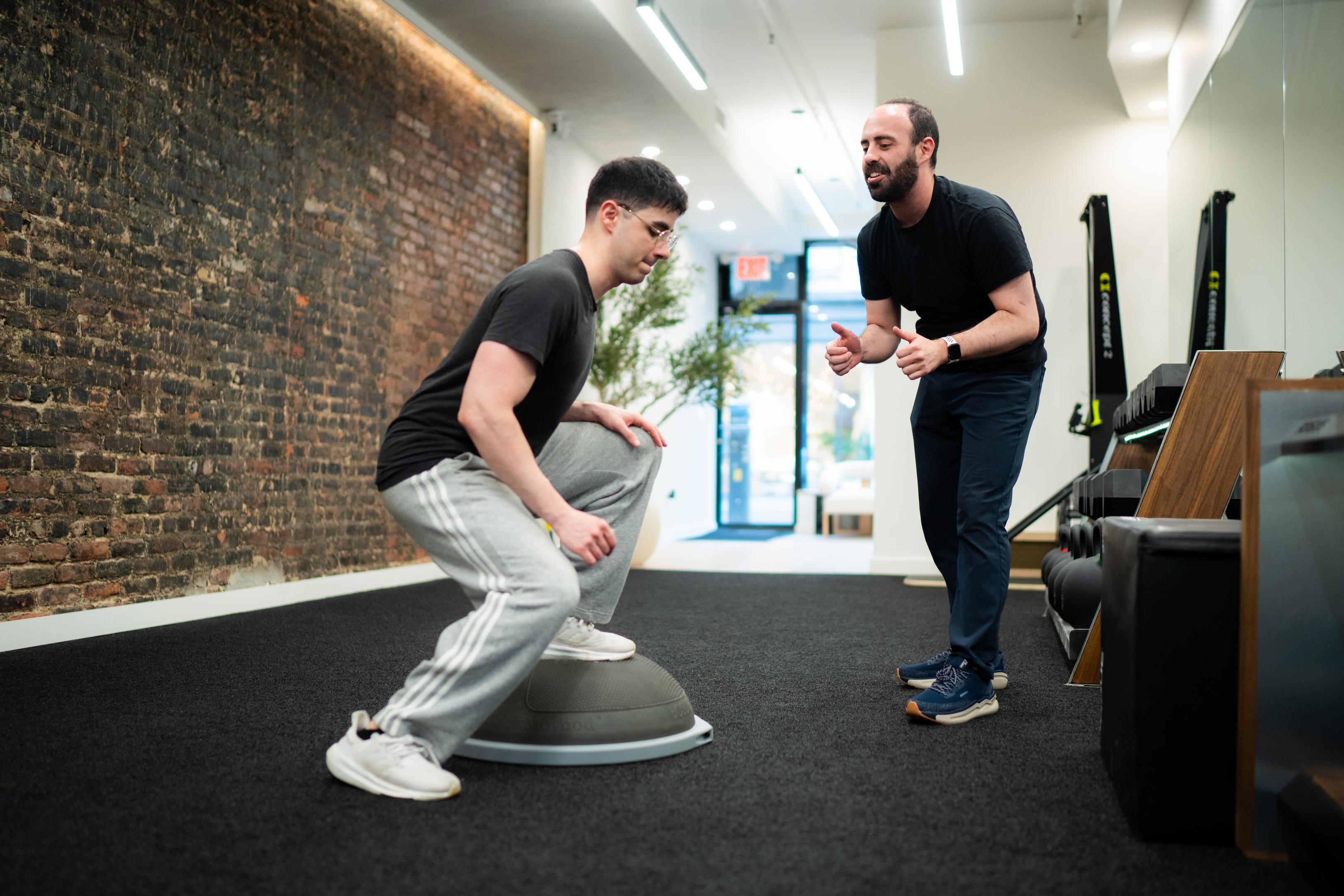
Add Squatting also on your list! Squatting is a natural position that can help promote healthy bowel movements. Squatting can help relax the muscles of the pelvic floor and promote better bowel function. 

  • To perform a squat, stand with your feet shoulder-width apart and slowly lower your body down into a squatting position, as if you were sitting on an imaginary chair. Hold this position for a few seconds and then slowly stand back up. Repeat this exercise several times a day.

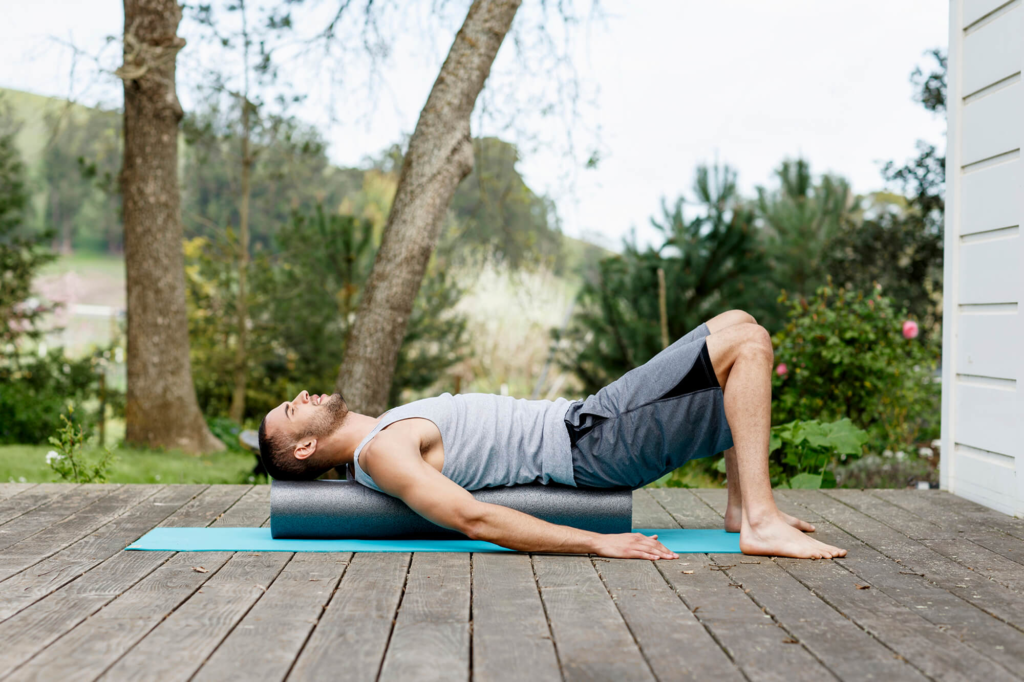
Bridge exercises are another type of exercise that can help strengthen the muscles of the pelvic floor and improve bowel function. 

  • To perform bridge exercises, lie down on your back with your knees bent and your feet flat on the floor. Slowly lift your hips off the ground, squeezing your buttocks and pelvic floor muscles as you lift. Hold this position for a few seconds and then slowly lower your hips back down to the ground. Repeat this exercise several times a day.

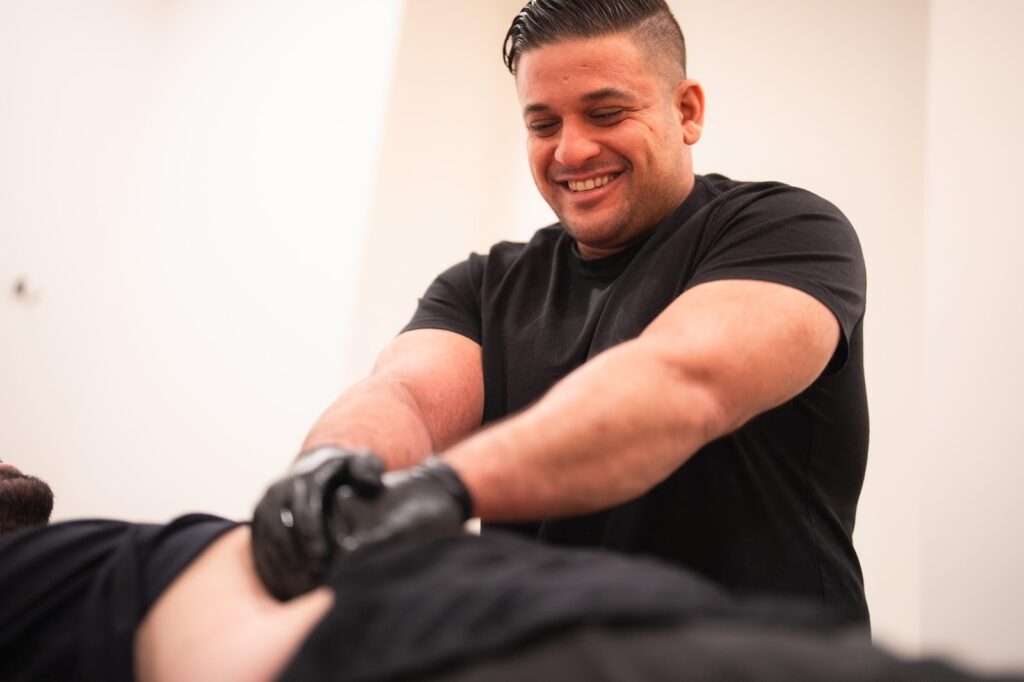
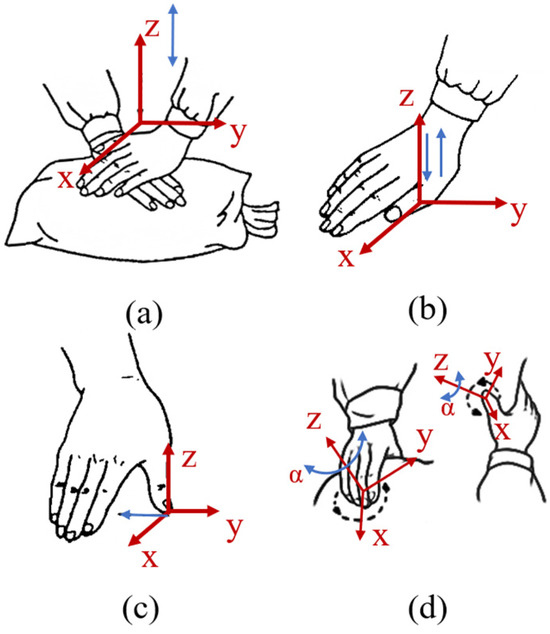
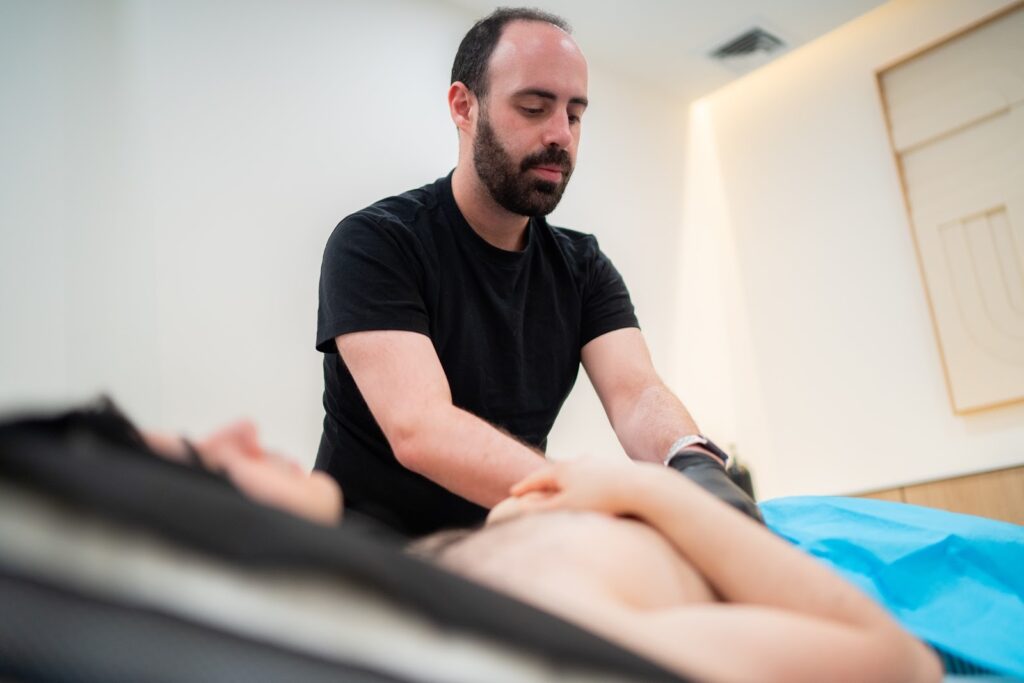
How about an Abdominal Massage? Abdominal massage is a technique used by physical therapists to help stimulate the digestive system and promote healthy bowel movements. This technique involves massaging the abdomen in a specific pattern to help stimulate the muscles of the digestive tract.

  • To perform abdominal massage, lie down on your back with your knees bent. Place your hands on your lower abdomen and massage in a circular motion, moving in a clockwise direction. Repeat this exercise several times a day.

Important note: In addition to these exercises, it’s important to maintain a balanced diet that is rich in fiber, fruits, and vegetables. Fiber helps to regulate bowel movements and prevent constipation, which can exacerbate bowel control issues. Drinking plenty of water is also important for maintaining good bowel health.

Seek Help!

If you’re seeking assistance in enhancing your bowel control, we encourage you to visit our website at www.pelvis.nyc. Our team can provide you with personalized exercises and techniques to support your recovery from bowel incontinence.

The Impact of Diet on Bowel Health and How Physical Therapy Can Help

The Impact of Diet on Bowel Health and How Physical Therapy Can Help

The truth is, that what you eat can either promote or hinder healthy bowel movements. And as we all know, irregularity and discomfort can be a real pain in the you-know-what. But don’t worry, there are ways physical therapy can help in promoting diet on your bowel health! Through specific exercises and techniques and a dietary plan, we can work together to improve bowel health and get you feeling your best.

In this post, we’ll dive into the link between diet and bowel health, as well as some actionable steps you can take to manage bowel issues. Plus, I’ll share how physical therapy can play a role in supporting your overall bowel health.

Let’s get started!

The Importance of Diet on Bowel Health

Being a physical therapist allows me to see patients who struggle with bowel problems like constipation, diarrhea, and fecal incontinence. Eating a healthy, balanced diet can help regulate bowel movements, promote healthy gut bacteria, and reduce the risk of bowel problems. Foods that are high in fiber, like fruits, vegetables, and whole grains, can help promote healthy bowel movements.

However, not everyone can tolerate high-fiber diets, and some may have other dietary restrictions. This is where physical therapy comes in.

Importance of a balanced diet on bowel health

The Role of Physical Therapy in Bowel Health

Physical therapy can play a significant role in improving bowel health. A physical therapist like me can work with patients with bowel problems through various techniques, including pelvic floor muscle exercises, biofeedback, and abdominal massage. These techniques help to improve muscle strength and coordination, reduce pain and discomfort, and promote better bowel movements. I can also teach patients pelvic floor exercises, which can help improve muscle tone and reduce the risk of fecal incontinence.

Pelvic Floor Muscle Exercises

Pelvic floor muscle exercises, also known as Kegel exercises, are a highly effective way to help strengthen the muscles that control bowel movements. The exercises involve contracting and relaxing the pelvic floor muscles, which can help improve muscle tone and reduce the risk of bowel incontinence.

Pelvic floor exercises


Biofeedback

Biofeedback is another useful technique that I use. This help patients become more aware of their body’s responses to certain stimuli. In the case of bowel problems, biofeedback can help patients become more aware of their bowel movements and learn how to better control them.

Abdominal Massage

Abdominal massage is a technique used by physical therapists to help stimulate the digestive system and promote healthy bowel movements. This technique involves massaging the abdomen in a specific pattern to help stimulate the muscles of the digestive tract. The massage may also help to relieve constipation, gas, and bloating.

Conclusion:

It’s essential to consume a well-balanced diet like high in fiber, fruits, and vegetables to promote healthy bowel movements. As for physical therapy, I can work with you to stimulate your bowel and teach you pelvic floor exercises that can help improve your bowel function. Together, we can create a personalized plan that fits your unique needs and goals. By committing to these lifestyle changes and working with me, you can improve your bowel health and enhance your overall quality of life. Don’t hesitate to reach out at www.pelvis.nyc for guidance and support!

Addressing Sudden Urge to Poop in Men

Addressing Sudden Urge to Poop in Men

Have you ever experienced a sudden urge to poop, but couldn’t hold it in? It’s okay, it’s normal, and everyone has been all there. This sensation can be uncomfortable and embarrassing, but I’m here to address everything you need to know about sudden urges to poop in men. We’ll cover everything including the causes, symptoms, and treatments available.

What does it mean by Sudden Urge to Poop?

Sudden urges to poop mean a sudden and uncontrollable need to poop, even when you just went to the bathroom. Basically, your body sends a signal to your brain that you need to go to the bathroom right away, and sometimes it’s difficult to hold in. This can be a problem in your everyday life, but it’s important to know that it’s there are ways to manage bowel problems with the right treatment plan.

What Causes it?

There are a few factors that can contribute to sudden urges to poop in men, including:

  • Irritable bowel syndrome (IBS): IBS is a common digestive disorder that can cause changes in bowel habits, including sudden urges to poop.
  • Constipation: Chronic constipation can cause fecal matter to build up in the colon, leading to a sudden urge to poop.
  • Food allergies or intolerances: Certain foods can trigger digestive symptoms, including sudden urges to poop.
  • Fecal incontinence: Fecal incontinence is the inability to control bowel movements, which can lead to sudden urges to poop.
  • Neurological conditions: Conditions such as multiple sclerosis or Parkinson’s disease can affect bowel control, leading to sudden urges to poop.

What are the symptoms?

Symptoms of sudden urges to poop in men may include:

  • A sudden, intense need to have a bowel movement
  • Difficulty holding in bowel movements
  • Frequent bowel movements
  • Abdominal pain or discomfort
  • Bloating or gas
  • Fecal incontinence

Treatment Options for Sudden Urges to Poop

Available treatment for sudden urges to poop in men will depend on the underlying cause of the symptoms. Treatment options may include:

  • Dietary changes: Changes to your diet, such as increasing fiber intake and avoiding trigger foods, can help regulate bowel movements and reduce sudden urges to poop.
  • Medications: Certain medications, such as laxatives or anti-diarrheal, can help manage bowel symptoms and reduce sudden urges to poop.
  • Pelvic floor exercises: Strengthening the muscles of the pelvic floor can help improve bowel control and also reduce sudden urges to poop.
  • Biofeedback therapy: Biofeedback therapy can help men learn how to control their bowel movements by providing real-time feedback on muscle activity.
  • Surgery: In severe cases of fecal incontinence, surgery may be necessary to repair or replace damaged muscles or nerves.

As a physical therapist, I often recommend pelvic floor exercises to strengthen the muscles of the pelvic floor, which can help improve bowel control and reduce sudden urges to poop. Additionally, I work with my patients to identify trigger foods and make dietary changes to regulate bowel movements.

Got more questions? Go to
www.pelvis.nyc and seek help if you’re experiencing symptoms of bowel problems or fecal incontinence. I am here to help you figure out the underlying cause of your symptoms and recommend a treatment plan that works for you.

Managing Urinary Issues: Expert Tips from a Physical Therapist

Managing Urinary Issues: Expert Tips from a Physical Therapist

Urinary issues can significantly affect your quality of life—causing discomfort, emotional distress, and disruption to daily routines. As a doctor of physical therapy specializing in pelvic health, I’ve worked with many individuals facing challenges such as urinary incontinence, urgency, and bladder retention. The good news is that these issues can be effectively managed or even resolved with the right strategies and support.

In this guide, we’ll explore the most common urinary concerns and provide expert-backed advice on improving bladder control, reducing symptoms, and regaining confidence.


What Are Urinary Issues?

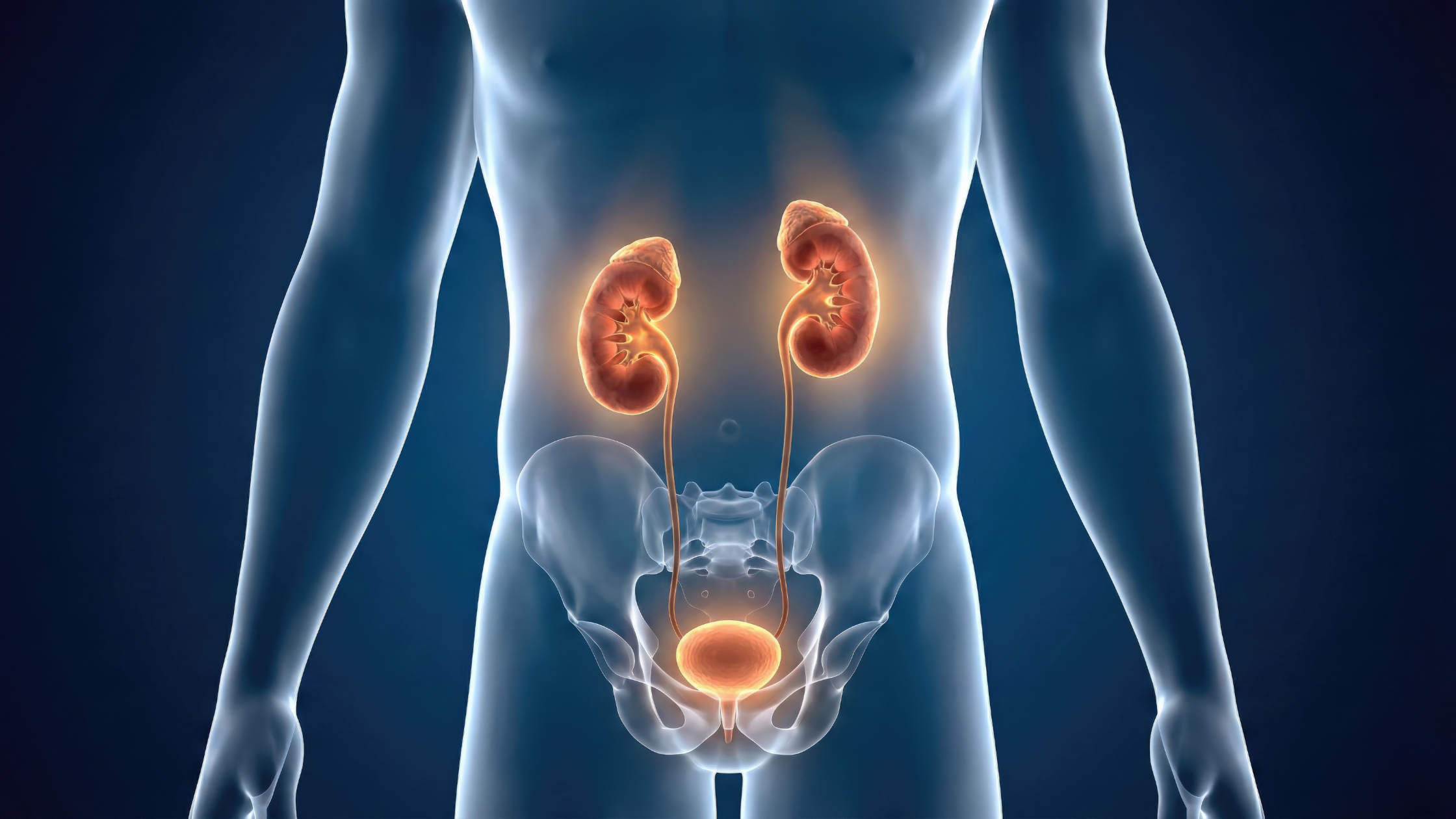
Urinary issues refer to any dysfunction involving the bladder, urethra, or pelvic floor that impacts the normal process of urination. These problems may include:

  • Urinary incontinence (leakage of urine)
  • Frequent urination or urgency
  • Urinary retention (difficulty fully emptying the bladder)
  • Painful urination
  • Overactive bladder (OAB)

Bladder problems can result from dysfunction in the bladder muscles or sphincter muscles, which control the release of urine.

These conditions can arise from various factors, such as weakened pelvic floor muscles, aging, hormonal changes, infections, neurological disorders, or lifestyle habits. Issues with the prostate gland can also contribute to urinary issues, especially in men. Understanding the root cause is key to finding effective treatment.

Frequent Urination and Overactive Bladder: What You Should Know

Frequent urination or the sudden urge to urinate—even when the bladder isn’t full—can be frustrating and disruptive. This is commonly associated with overactive bladder, a condition characterized by involuntary bladder contractions. A strong urge to urinate can be triggered by nerve signals that cause these involuntary contractions, leading to sudden and intense sensations of needing to urinate.

Management Tips:

  • Bladder Training: Gradually increase the time between bathroom visits to help your bladder retain more urine.
  • Scheduled Voiding: Set specific times to urinate to retrain bladder habits.
  • Avoid Bladder Irritants: Reduce intake of caffeine, alcohol, and artificial sweeteners.

Enhancing Bladder Control with Pelvic Floor Strengthening

Strong pelvic floor muscles are essential for maintaining urinary continence. Sphincter muscles also play a crucial role in controlling the release of urine and work in coordination with the pelvic floor. If these muscles become weak—often due to childbirth, aging, or surgery—it can lead to leaks or urgency.

Solution:

  • Pelvic Floor Exercises (Kegels): These targeted exercises strengthen the muscles that support the bladder and urethra. A pelvic floor physical therapist can guide you through proper technique to ensure effectiveness.
  • Biofeedback and Electrical Stimulation: These advanced therapies can enhance muscle awareness and control.

Addressing Painful Urination: Causes and Solutions

Experiencing discomfort or a burning sensation during urination may be a sign of infection, inflammation, or pelvic floor dysfunction. Bladder spasms, which can occur due to prostate problems, nerve damage, or as a side effect of treatments like surgery or radiation for prostate cancer, can also contribute to discomfort or pain during urination. Painful urination should never be ignored, especially if it is recurring.

Common Causes:

  • Urinary Tract Infections (UTIs)
  • Interstitial Cystitis (Bladder Pain Syndrome)
  • Vaginal atrophy or hormonal changes
  • Pelvic floor muscle tension
  • Bladder spasms

Recommended Approach:

  • Seek Medical Evaluation to rule out infections or underlying conditions.
  • Pelvic Floor Physical Therapy can be effective for musculoskeletal causes of urinary pain.
    managing urinary issues with pelvic floor exercises

How Hydration and Drinking Habits Affect Urinary Health

Hydration plays a crucial role in maintaining bladder health. However, how much and what you drink matters.

For those with prostate health concerns, it’s important to be able to fully empty your bladder, as conditions like benign prostatic hyperplasia (BPH) or prostate cancer treatments can make this more difficult and may lead to urinary retention.

Guidelines:

  • Drink 6–8 glasses of water daily, spaced throughout the day.
  • Reduce or eliminate bladder irritants such as caffeinated beverages, alcohol, and carbonated drinks.
  • Avoid excessive fluid intake in the evening to reduce nighttime urination (nocturia).

Maintaining a bladder diary can help track your fluid intake, urinary patterns, and triggers.


The Impact of Diet and Health Changes on Urinary Function

Significant life changes—including menopause, weight gain, and aging—can impact urinary health. Prostate problems, including prostate cancer, can develop with age and may impact urinary function.

Hormonal shifts, particularly a decrease in estrogen, can weaken the bladder lining and pelvic floor support. Prostate problems can also lead to changes in the urine stream, such as slowing or difficulty starting.

The bladder is about the size of a grapefruit when full, but its capacity and function can be affected by health changes.

Nutrition Tips:

  • Avoid spicy, acidic, and artificial sweeteners that may irritate the bladder.
  • Increase fiber intake to prevent constipation, which adds pressure to the bladder and pelvic floor.
  • Consider supplements or dietary changes recommended by your healthcare provider for hormonal balance.

Types of Urinary Incontinence: Understanding the Differences

Urinary incontinence is a widespread health problem that can lead to unexpected urine leakage and disrupt daily life. To manage urinary incontinence effectively, it’s important to recognize that not all cases are the same—there are several distinct types, each with its own causes and symptoms.

Stress incontinence occurs when physical activity—such as coughing, sneezing, laughing, or lifting—puts extra pressure on the bladder. This pressure can cause urine leaks, especially if the pelvic floor muscles are weakened. Many people notice that stress incontinence occurs during exercise or even simple movements.

Urge incontinence is marked by a sudden, intense urge to urinate, often followed by leaking urine before you can reach the bathroom. This type is sometimes called “overactive bladder” and is caused by involuntary contractions of the bladder muscle, making it difficult to control the urge to urinate.

Overflow incontinence happens when the bladder doesn’t empty completely, leading to frequent or constant dribbling of urine. This can result from a bladder problem, nerve damage, or an obstruction in the urinary tract, making it hard to pass urine fully.

Functional incontinence is different in that it’s not caused by a direct problem with the bladder or urinary tract. Instead, it occurs when a health problem—such as arthritis, mobility issues, or a urinary tract infection—makes it difficult to get to the bathroom in time, resulting in urine leakage.

Understanding which type of urinary incontinence you’re experiencing is the first step toward finding the right solution and regaining confidence in your bladder control.


Why It Matters for Your Treatment Plan:

Identifying the specific type of urinary incontinence you have is essential for creating a treatment plan that truly works for you. When you seek medical advice for urinary symptoms, your healthcare provider will start with a thorough physical exam and a review of your medical history. They may also recommend tests like urinalysis or urodynamic studies to pinpoint the cause of your bladder control problems.

Once the underlying issue is identified—whether it’s an enlarged prostate, urinary tract infections, or another health problem—your provider can suggest targeted treatment options. These may include lifestyle changes such as pelvic floor exercises to strengthen the pelvic floor, dietary adjustments to avoid processed foods and bladder irritants, and bladder training to improve bladder control. In some cases, medications or surgical procedures may be necessary, especially if you have conditions like benign prostatic hyperplasia or persistent urinary tract infections.

Your drinking habits also play a significant role in urinary health. Staying hydrated, but not overdoing it, can help prevent kidney disease and reduce urinary urgency. Managing blood pressure and maintaining a healthy diet are important for overall urinary system function and can help prevent future urinary problems.

If you notice symptoms like painful urination, frequent urination, or sudden urinary urgency, don’t hesitate to seek medical advice. Early intervention can make a big difference in managing urinary incontinence and improving your quality of life. Remember, with the right support and a personalized treatment plan, you can take control of your bladder health and feel confident again.

Treatment Options for Managing Urinary Issues

If lifestyle changes alone aren’t enough, a range of professional treatments are available to support bladder health:

Some advanced treatments, such as neuromodulation therapy, work by modulating nerve signals to improve bladder control.

Medical Options:

  • Medications for urgency and overactive bladder
  • Surgical interventions for severe incontinence or structural issues
  • Incontinence products to manage symptoms discreetly

Pelvic Floor Physical Therapy:

This specialized therapy addresses the root causes of urinary dysfunction through personalized exercise programs, manual therapy, education, and behavior modifications. Many patients experience significant improvement in bladder control and symptom relief after just a few sessions.


Take Control of Your Bladder Health Today

Urinary issues are more common than you think, and you don’t have to face them alone. With the right knowledge and expert support, it’s entirely possible to regain control and improve your quality of life.

If you’re ready to take the next step in managing your urinary health, visit www.pelvis.nyc to schedule a consultation with a pelvic floor specialist.


Related Resource:

How Holding in Your Pee Can Affect Your Pelvic Floor →

Benefits of Pelvic Floor Therapy to Urinary Incontinence

image for urinary incontince and pelvic floor therapy

Urinary incontinence is the involuntary leakage of urine caused by changes in bladder control, pelvic floor muscle function, or nervous system signaling. It is more common in women than in men, particularly due to reproductive health events such as pregnancy, childbirth, and menopause. While it is common, it is not a normal part of aging—and most cases are highly treatable with the right care.

Despite affecting more than 25 million adults in the United States, more than 4 in 10 women aged 65 and older experience urinary incontinence. The risk increases with age, especially after 50. Urinary incontinence affects twice as many women as men, often due to reproductive health events unique to women. Chronic urinary incontinence is a persistent form of the disorder. Although it can occur at any age, it is more common in women over 50. Many people delay treatment due to embarrassment or the belief that nothing will help.


Introduction to Urinary Incontience

Urinary incontinence, or loss of bladder control, is a widespread condition that affects people of all ages and backgrounds. It occurs when the bladder muscles and pelvic floor muscles are unable to work together effectively, leading to involuntary urine leakage.

There are several types of urinary incontinence, each with distinct causes and symptoms, including stress incontinence, urge incontinence (overactive bladder), mixed incontinence, and overflow incontinence. While it can be distressing, understanding the underlying issues—such as weak pelvic floor muscles or changes in bladder control—can help guide effective treatment.

This article explores the different types of urinary incontinence, what causes them, how they are diagnosed, and the most effective ways to manage and improve bladder control.


How Urinary Incontinence Affects Daily Life

Urinary incontinence impacts far more than bladder function. The primary symptom is urine leakage before reaching the bathroom or during activities such as sneezing, coughing, laughing, or exercising.

Many people experience changes in:

  • Exercise and physical activity
  • Sleep quality
  • Work and social confidence
  • Sexual health and intimacy

Even mild leakage can create ongoing stress, which may further worsen bladder symptoms through increased pelvic floor muscle tension.

Functional incontinence can occur when physical limitations or disabilities prevent timely access to a restroom, leading to urine leakage.


Common Symptoms of Urinary Incontinence

Symptoms vary depending on the underlying cause and may include:

  • Urine leakage with movement, coughing, or exercise
  • Sudden urinary urgency followed by leakage
  • Frequent urination or nighttime urination
  • Difficulty holding urine
  • Dribbling or incomplete bladder emptying

Keeping a bladder diary may help identify patterns in urination and can be used as part of bladder training to improve bladder control. Identifying symptom patterns helps guide effective treatment.


Types of Urinary Incontinence

Urinary incontinence is not a single condition. There are four main types: stress, urge, functional, and overflow incontinence. The two most common types affecting women are stress incontinence and urge incontinence, also known as overactive bladder.

Understanding the type is essential for choosing the right treatment approach. Many women experience a combination of stress and urge incontinence, referred to as mixed incontinence.

Stress Incontinence

Leakage occurs when pressure is placed on the bladder, such as during coughing, sneezing, or exercise.

Urge Incontinence (Overactive Bladder)

Urge incontinence is characterized by urinary urgency—a sudden, intense need to urinate—followed by involuntary leakage. This condition is often linked to bladder or pelvic floor muscle overactivity. Anticholinergic medications are commonly prescribed to treat overactive bladder and urge incontinence.

Mixed Urinary Incontinence

Many women experience both stress and urge symptoms, a condition known as mixed urinary incontinence. Treatment must address both muscle coordination and bladder signaling.

Overflow Urinary Incontinence

Leakage caused by incomplete bladder emptying is often related to pelvic floor tension, nerve issues, or prostate problems.


Causes and Risk Factors

Urinary incontinence can develop for many reasons, often involving a combination of physical, medical, and lifestyle factors. Weakness or dysfunction of the pelvic floor muscles is a leading cause, especially after pregnancy, vaginal birth, or pelvic surgery. Hormonal changes during menopause can also weaken the support structures of the urinary tract.

Certain medical conditions—such as benign prostatic hyperplasia (enlarged prostate), multiple sclerosis, diabetes, and chronic urinary retention—can disrupt nerve signaling between the bladder and brain. Prostate surgery in men and pelvic organ prolapse in women are additional risk factors.

Other contributors include chronic constipation, obesity, frequent heavy lifting, and persistent coughing, all of which place extra pressure on the bladder and pelvic organs. While aging is associated with changes in bladder muscle function and elasticity, urinary incontinence is not inevitable.

Lifestyle habits, including high intake of bladder irritants such as caffeine and alcohol, can worsen symptoms. A family history of urinary incontinence or connective tissue disorders may also increase susceptibility. Understanding these risk factors is essential for creating a personalized treatment plan.


Pelvic Floor

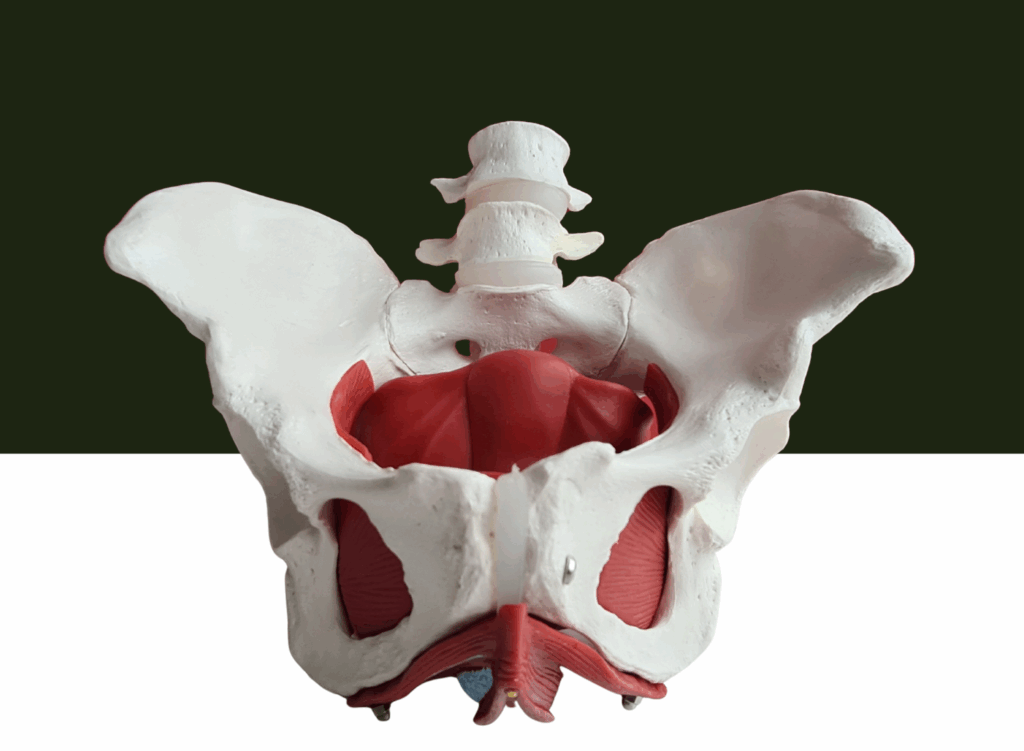
The pelvic floor is a group of muscles that support the bladder, bowel, and reproductive organs.

Pelvic floor muscles may be weakened by pregnancy, childbirth, aging, hormonal changes during menopause, and certain neurological conditions. These muscles play a critical role in maintaining bladder control. Pelvic floor muscle training—such as Kegel exercises—is important for preventing urinary incontinence and supporting pelvic organ health.

Healthy pelvic floor muscles must:

  • Contract when needed
  • Relax fully
  • Coordinate with breathing and movement

When this balance is disrupted, bladder control suffers.


Female Urinary System

The female urinary system is especially vulnerable due to:

  • Pregnancy-related muscle strain
  • Hormonal changes during menopause
  • Changes in pelvic organ support

Pregnancy increases pressure on the bladder and pelvic floor muscles, while childbirth—particularly vaginal delivery—can weaken muscles and damage nerves that control bladder function. Hormonal shifts during menopause can weaken the urethra and bladder neck, increasing the risk of urinary incontinence.

Although these factors raise risk, targeted therapy can restore function.


Treatment Options That Actually Work

Urinary incontinence is a common condition that can significantly impact quality of life, but it is highly treatable. Treatment options depend on the type and severity of symptoms and may include behavioral therapies, medications, nerve stimulation, and surgery.


Pelvic Floor Exercises

Pelvic floor exercises are a cornerstone of treatment—but only when performed correctly.

A pelvic floor therapist can help:

  • Determine whether muscles are weak or overactive
  • Teach proper muscle coordination
  • Prevent worsening symptoms

Generic exercises without professional assessment often fail.


Kegel Exercises

Kegel exercises can strengthen pelvic floor muscles, but they are not appropriate for everyone. If the muscles are already tight or overactive, Kegels may worsen urgency and leakage. Professional guidance ensures the correct approach.


Prevent Urinary Incontinence

You can help prevent urinary incontinence by:

  • Addressing pelvic floor dysfunction early
  • Avoiding chronic straining
  • Managing constipation
  • Reducing bladder irritants such as caffeine and alcohol
  • Practicing proper breathing and posture

Prevention focuses on function—not just strength.


Advanced Therapies for Persistent Symptoms

When conservative treatments are not effective, advanced options may be considered. Surgical treatments include sling procedures, bladder suspension, and artificial urinary sphincters. The artificial urinary sphincter is primarily used for men with severe urinary incontinence.

Another minimally invasive option is urethral bulking agents, which are injected around the urethra to improve closure and prevent leakage. These therapies are typically reserved for persistent cases.


Nerve Stimulation

Nerve stimulation therapies help regulate bladder signaling and reduce urinary urgency. They are especially helpful for overactive bladder and mixed incontinence.

Percutaneous Tibial Nerve Stimulation (PTNS)

PTNS is a minimally invasive therapy that:

  • Modulates bladder nerve pathways
  • Reduces urgency and frequency
  • Improves bladder control

It is supported by clinical research and is often combined with pelvic floor therapy.


Why Pelvic Floor Physical Therapy Is First-Line Care

According to the American Physical Therapy Association (APTA), pelvic floor physical therapy is a recommended first-line treatment for urinary incontinence.

Therapy may include:

  • Muscle retraining
  • Manual therapy
  • Bladder retraining
  • Breathing coordination
  • Nervous system regulation

Why Choose Pelvis NYC?

Pelvis NYC specializes in pelvic floor physical therapy and treats urinary incontinence across all genders and life stages.

Patients benefit from:

  • One-on-one expert care
  • Evidence-based treatment
  • Trauma-informed, judgment-free sessions

👉 Book a consultation with Pelvis NYC to treat urinary incontinence at its root—not just manage symptoms.


Frequently Asked Questions (FAQ)

What causes urinary incontience?
Urinary incontinence can result from pelvic floor dysfunction, bladder issues, nerve signaling problems, hormonal changes, or prostate conditions. The urethral sphincter plays a critical role in maintaining continence by keeping the urethra closed during increases in abdominal pressure.

Is urinary incontinence normal with age?
It is common, but not normal or inevitable. Treatment is often highly effective.

Do Kegels help urinary incontinence?
Sometimes. If pelvic floor muscles are tight, relaxation may be needed before strengthening.

Can pelvic floor physical therapy cure incontinence?
Many people experience significant improvement or complete resolution with proper therapy.

When should I seek help?
If symptoms affect daily life, sleep, or confidence, seek care early.

How is urinary incontience diagnosed?
Diagnosis involves a thorough medical history, physical examination, and tests such as urinalysis and bladder diaries.

Where can I find reliable patient resources?
The American Urological Association and the National Association for Continence provide trustworthy patient resources.

Are digestive and kidney diseases related to urinary incontinence?
Yes. Digestive and kidney diseases can be associated with urinary incontinence. Organizations such as the National Institute of Diabetes and Digestive and Kidney Diseases focus on these conditions and their management.


Conclusion

Urinary incontinence is a common and treatable condition that can significantly affect daily life, but it does not need to be endured in silence. With accurate diagnosis and a personalized treatment plan—including pelvic floor therapy, lifestyle modifications, and advanced therapies—most people can regain bladder control and reduce or eliminate leakage.

Early intervention is key. If you or a loved one is experiencing symptoms, effective solutions are available to help treat urinary incontinence and restore confidence.

Urinary Problems: Causes, Symptoms, and Evidence-Based Solutions That Actually Help

urinary problems picture

What Are Urinary Problems?

Urinary problems refer to symptoms that affect how often, how easily, or how comfortably you urinate. They can include urgency, leakage, pain, difficulty emptying the bladder, or frequent trips to the bathroom—and they affect people of all ages and genders.

While common, urinary issues are not something you have to “live with.” Most are treatable once the underlying cause is identified. In fact, most people with urinary problems can find significant relief with proper treatment.

Read about Managing Urinary Issues: Expert Tips from a Physical Therapist

Why Urinary Problems Happen

Urinary symptoms rarely have just one cause. They often result from a combination of bladder, pelvic floor, prostate, nervous system, and lifestyle factors.

Certain medications and medicines, such as diuretics and decongestants, can contribute to urinary problems by increasing the need to urinate or affecting bladder health. Some medicines can disrupt the normal process of storing and passing urine or increase the amount of urine you produce. It is important to consult a doctor before discontinuing any medication that may affect urination, as professional guidance is essential in managing these conditions.

According to the National Institute of Diabetes and Digestive and Kidney Diseases (NIDDK), over 25 million adults in the U.S. experience urinary incontinence, yet many never seek care.

Urinary Problems Symptoms

Urinary problems can range from mild inconvenience to life-disrupting conditions. Some develop gradually, while others appear suddenly.

Common signs include:

  • Needing to urinate often
  • Difficulty starting or finishing urination
  • Leakage or loss of bladder control
  • Pain or burning with urination
  • Feeling like the bladder never fully empties
  • Blood in urine
  • Strong urge to urinate
  • Urge to urinate

Blood in the urine can be a sign of a serious illness such as kidney or bladder stones, an infection, or bladder or kidney cancer.

Some people may have difficulty passing urine or may feel a strong urge to pass urine suddenly.

Symptoms can also include pain during urination (dysuria), waking frequently at night (nocturia), and lower abdominal pain.

These symptoms can point to issues in the urinary tract, bladder muscles, pelvic floor, or prostate.


Urinary Tract Infections

Urinary tract infections (UTIs) are one of the most common causes of urinary problems, especially in women.

The best thing to do for a urinary tract infection is to see a healthcare provider.

Typical UTI symptoms include:

  • Painful urination
  • Frequent urination with small amounts
  • Urgency
  • Cloudy or strong-smelling urine

Signs of urinary tract infections also include burning sensation, frequency, urgency, and blood in the urine. You need antibiotics to treat a UTI, and healthcare providers commonly prescribe antibiotics for this purpose. It’s very important to follow the directions for taking antibiotics and to take the full course, even if symptoms go away. Most people feel better within a few days after starting antibiotics. Minor urinary tract infections can sometimes get better on their own, but most need antibiotics to go away. Medication options for urinary issues include antibiotics for UTIs and medications to relax the bladder or prostate muscles. If you get UTIs often, a healthcare provider may give you low-dose antibiotics for a short time to prevent the infection from coming back. Cranberry extract supplements may decrease your chances of getting a UTI.

While antibiotics treat the infection, recurrent UTIs and frequent or chronic bladder infections may be linked to pelvic floor dysfunction or incomplete bladder emptying—issues that pelvic floor physical therapy can address. Recurrent or chronic bladder infections may also indicate an underlying bladder issue.

Frequent Urination

Frequent urination means urinating more often than usual, including waking up at night (nocturia).

Possible causes:

  • Overactive bladder
  • Pelvic floor muscle tension
  • UTIs
  • Prostate enlargement
  • Excess caffeine or fluid intake
  • Certain medications, such as diuretics and decongestants

It’s not always a bladder problem—sometimes the pelvic floor is too tight to allow normal storage and release.


Painful Urination

Painful urination (dysuria) may feel like burning, pressure, or sharp pain.

Common causes include:

  • UTIs
  • Bladder inflammation
  • Pelvic floor muscle spasm
  • Nerve irritation

If tests repeatedly come back “normal,” pelvic floor dysfunction is often overlooked—but highly treatable.


Urinary Incontinence

Urinary incontinence is the involuntary leakage of urine. It affects millions of people but is not a normal part of aging.

There are several types, including stress and urge incontinence.


Stress Incontinence

Stress incontinence occurs when pressure is placed on the bladder.

Triggers include:

  • Coughing or sneezing
  • Laughing
  • Exercise
  • Lifting

It’s often linked to pelvic floor muscle weakness or poor coordination, especially after pregnancy or surgery.


Urge Incontinence

Urge incontinence involves a sudden, intense need to urinate followed by leakage.

It’s commonly associated with:

  • Overactive bladder
  • Pelvic floor muscle tension
  • Nervous system sensitivity

Contrary to popular belief, strengthening alone is not always the solution—learning to relax the pelvic floor is often key.


Bladder Control

Healthy bladder control depends on proper communication between:

  • The bladder
  • Pelvic floor muscles
  • Nervous system

The detrusor muscles contract to allow urine to be released through the toilet during the process of emptying the bladder.

When muscles are too tight or poorly coordinated, bladder signals become exaggerated, leading to urgency and leakage.

Difficulty Emptying

Difficulty emptying the bladder may feel like:

  • A weak urine stream
  • Stopping and starting
  • Feeling “not done” after urinating

This is often related to:

  • Pelvic floor muscle tension
  • Poor relaxation during voiding
  • Prostate issues in men
  • Obstruction (such as bladder stones, ureteral obstruction, or an enlarged prostate)

Overflow incontinence occurs when the bladder cannot empty completely due to a blockage or obstruction.

Acute urinary retention is characterized by an inability to urinate, sometimes accompanied by fever or severe pain.

Incomplete emptying can increase UTI risk and bladder irritation.


Prostate Problems

In men, prostate gland problems are a common contributor to urinary issues.

Surgery or radiation for prostate cancer may lead to nerve damage, bladder spasms, or stress incontinence.

Enlarged Prostate

An enlarged prostate (BPH) can cause:

  • Weak urine stream
  • Hesitancy
  • Dribbling
  • Frequent urination

However, research shows pelvic floor muscle dysfunction often coexists with BPH, meaning symptoms may persist even after medication unless muscle tension is addressed.


Risk Factors for Urinary Issues

Urinary issues, such as urinary incontinence and urinary tract infections, can affect anyone, but certain factors increase your risk. Age is a significant factor—older adults are more likely to experience problems like weak urine stream, frequent urination, and difficulty emptying the bladder. Gender also plays a role: women are more prone to stress incontinence due to changes in pelvic muscles, especially after childbirth or menopause.

Other important risk factors include obesity and chronic conditions like diabetes, which can impact the urinary tract and bladder function. A history of digestive and kidney diseases can also make urinary symptoms more likely. For men, an enlarged prostate—known as benign prostatic hyperplasia (BPH)—is a common cause of urinary difficulties, including trouble starting urination and incomplete bladder emptying.

By understanding these risk factors, you can take proactive steps to protect your urinary system and reduce the likelihood of developing incontinence or other urinary problems.


Diagnosis and Treatment Options

Getting to the root of urinary symptoms starts with a thorough medical history and physical examination. Your healthcare provider may ask about your symptoms, lifestyle, and any history of digestive or kidney diseases. Diagnostic tests, such as urinalysis or urine culture, help identify infections or other underlying issues in the urinary tract.

Treatment options depend on the specific cause. For urinary tract infections, antibiotics are usually prescribed to clear the infection. Stress incontinence often responds well to lifestyle changes, including pelvic floor exercises and weight management. In cases of enlarged prostate or urinary tract blockage, surgery may be recommended to restore normal urine flow. Managing chronic conditions like diabetes is also crucial for reducing urinary symptoms and preventing complications.

Consulting a healthcare professional ensures you receive the right diagnosis and treatment. Trusted organizations like the National Institute of Diabetes and Digestive and Kidney Diseases and the American College of Physicians offer up-to-date guidelines and resources to help you make informed decisions about your urinary health.


Preventing Urinary Problems

Prevention is key to maintaining a healthy urinary system. Simple lifestyle changes can make a big difference—stay well-hydrated, limit alcohol and caffeine, and practice good hygiene to reduce your risk of urinary tract infections. Regular physical activity and a balanced diet support overall health and help prevent issues like obesity and diabetes, which are linked to urinary problems.

Listening to your body is important: don’t delay urination when you feel the urge, and avoid holding urine for long periods. For men, maintaining a healthy weight and getting regular check-ups can help prevent prostate problems. Medical education and awareness are powerful tools—organizations like the Mayo Foundation provide reliable information on urinary health and prevention strategies.

By adopting these habits and staying informed, you can lower your risk of urinary tract infections, incontinence, and other urinary issues, supporting your health for years to come.

How Pelvic Floor Physical Therapy Helps Urinary Problems

Pelvic floor physical therapy is one of the most effective, evidence-based treatments for urinary dysfunction.

A pelvic floor therapist can help:

  • Improve bladder control
  • Reduce urgency and frequency
  • Address leakage
  • Retrain pelvic floor muscle coordination
  • Reduce muscle tension that interferes with urination

According to the American Physical Therapy Association (APTA), pelvic floor physical therapy is a first-line treatment for many types of urinary incontinence.


When to Seek Help

You should seek professional care if:

  • Urinary symptoms persist longer than a few weeks
  • You experience pain, leakage, or difficulty emptying
  • Symptoms interfere with daily life or sleep

Early care prevents long-term complications.


Why Choose Pelvis NYC?

Pelvis NYC specializes exclusively in pelvic floor physical therapy. Their clinicians have advanced training in treating complex urinary problems across all genders.

Patients benefit from:

  • One-on-one expert care
  • Evidence-based treatment plans
  • A supportive, judgment-free environment

👉 Schedule a consultation with Pelvis NYC to address urinary problems at the root—not just mask symptoms.


Frequently Asked Questions (FAQ)

What causes urinary problems?
Urinary problems can result from bladder dysfunction, pelvic floor muscle issues, UTIs, prostate problems, nerve irritation, or lifestyle factors.

Are urinary problems normal with age?
They’re common, but not normal or inevitable—and they’re often treatable.

Can pelvic floor physical therapy help urinary symptoms?
Yes. It’s one of the most effective treatments for incontinence, urgency, and difficulty emptying.

Do Kegels help all urinary problems?
Not always. Tight pelvic floor muscles may need relaxation before strengthening.

When should I see a specialist?
If symptoms are persistent, painful, or affecting quality of life, seek care early.

Pelvic Floor Dysfunction: How Common is it in Men?

Pelvic Floor Dysfunction: How Common is it in Men?

Pelvic floor dysfunction is a condition that I often see in men. It’s a condition that is not talked about, but it’s more common than you might think. This can cause a range of unpleasant symptoms, but the good news is that with the right treatment, many men can experience significant relief.

In this blog, we’ll explore pelvic floor dysfunction, the symptoms to look out for, and the most effective treatment options available.

What is Pelvic Floor Muscle Dysfunction?

If you have been experiencing urinary incontinence, chronic pelvic pain, or sexual dysfunction, you might be dealing with a common issue called pelvic floor dysfunction. Pelvic floor problems can affect the muscles, ligaments, and connective tissue in your pelvic area, leading to a range of symptoms that can impact your daily life.

Healthcare professionals diagnose pelvic floor dysfunction by assessing patients’ health history, and symptoms, and conducting physical examinations to evaluate muscle function.

Symptoms of Pelvic Floor Dysfunction

The symptoms of pelvic floor dysfunction can vary widely, but some of the most common include:

Urinary Incontinence: The involuntary leakage of urine, often occurring during activities like coughing, sneezing, or physical exertion, and sometimes as a result of an inability to control the urge to urinate.

Chronic Pelvic Pain: Persistent or recurrent pain in the pelvic region lasting six months or more, which can be associated with various conditions affecting the reproductive, urinary, or digestive systems.

Pain During Sexual Intercourse: Also known as dyspareunia, this refers to persistent or recurring pain experienced during or after sexual intercourse, which can result from physical or psychological factors.

Erectile Dysfunction: The inability to achieve or maintain an erection sufficient for satisfactory sexual performance, often due to physical, psychological, or lifestyle factors.

Painful Bowel Movements: Discomfort or pain experienced during the passage of stool, which can be caused by conditions like hemorrhoids, anal fissures, or pelvic floor dysfunction.

Constipation: A condition characterized by infrequent or difficult bowel movements, often accompanied by a feeling of incomplete evacuation, and can be caused by diet, dehydration, or underlying health issues.

Fecal Incontinence: The inability to control bowel movements, leading to involuntary leakage of stool, which can result from weakened pelvic floor muscles, nerve damage, or gastrointestinal disorders.

The anal sphincter plays a critical role in the process of defecation, and its proper functioning is essential for effective stool evacuation. Issues with the anal sphincter can lead to conditions like fecal incontinence.

Pelvic Floor Physical Therapy Treatment Options

Role of Physical Therapy in Pelvic Floor Dyfunction

If you’re finding yourself dealing with symptoms of pelvic floor issues, don’t worry. These symptoms can be tough to handle, but there are ways to manage them. As a physical therapist, I have helped many men overcome the discomfort and inconvenience that comes with this issue.

At Pelvis NYC, we take a personalized approach to treatment, recognizing that each patient’s situation is unique. We also offer a variety of effective treatment options to help you regain control and confidence. Here are some of the ways we can help:

  • Pelvic floor muscle strengthening exercises: Pelvic floor exercises use to help you improve the strength and endurance of your pelvic floor muscles. Furthermore, it can help improve bladder and bowel control, reduce pelvic pain, and enhance sexual function.
  • Pelvic floor physical therapy: This specialized form of therapy can improve muscle contraction and rectal sensation, aiding in the management of conditions like rectocele and anismus.
  • Biofeedback therapy: This technique uses specialized sensors to help you visualize and understand your body’s responses to certain exercises, making it easier to train your pelvic floor muscles effectively.
  • Manual therapy techniques: We use gentle manual techniques to help release tension and tightness in the pelvic floor muscles and then, reduce pain and promote healing.
  • Electrical stimulation: This therapy uses low-voltage electrical currents. This stimulates the pelvic floor muscles, helping them to contract and relax more effectively.
  • Relaxation techniques: Stress and tension can exacerbate symptoms of pelvic floor dysfunction. We offer relaxation techniques such as deep breathing and mindfulness to help you reduce stress and improve your overall well-being.

Conclusion:

If you’re experiencing symptoms of pelvic floor dysfunction, know that there are effective treatment options available. Strong pelvic muscles are essential for maintaining pelvic health and preventing conditions like pelvic organ prolapse and incontinence. Understanding pelvic floor disorders is crucial, as they can significantly impact quality of life. Don’t suffer alone – reach out to a qualified physical therapist today to get the help you need to feel your best.

If you have more questions, feel free to visit www.pelvis.nyc and get a FREE 15-minute teleconsultation. Our team is here to help you find relief and get back to doing the things you love.

How to Prevent Hard Flaccid: Tips from Dr. Adam Gvili

How to Prevent Hard Flaccid: Tips from Dr. Adam Gvili

How to Prevent Hard Flaccid (Direct Answer)

Hard flaccid can often be prevented by maintaining healthy pelvic floor function, managing stress, avoiding excessive pelvic strain, and addressing early symptoms promptly. Holistic lifestyle changes, including stress management, regular exercise, and conscious relaxation of pelvic floor muscles, are recommended to prevent hard flaccid syndrome. Prevention focuses on keeping pelvic floor muscles flexible and coordinated—not overworked—while supporting nervous system balance and circulation.

For many men, small daily habits make a meaningful difference long before symptoms become disruptive. Avoiding excessive Kegel exercises without professional guidance is important, as improper techniques can worsen symptoms.

What Is Hard Flaccid (Brief Context)

Hard flaccid is a condition where the penis feels semi-rigid or tense while flaccid and may be clear or accompanied by discomfort, numbness, or changes in erectile quality. Hard flaccid syndrome symptoms include a persistently firm flaccid state, often with pain and erectile dysfunction. It is widely understood as a functional pelvic floor and nervous system issue, not permanent tissue damage. HFS is considered a rare male sexual disorder and is newly recognized in medical literature, so many healthcare providers may be unfamiliar with it.

HFS primarily affects young men, commonly in their 20s and 30s, due to:

  • High stress and demanding schedules
  • Intense gym or training routines
  • Prolonged sitting at work
  • Sexual performance pressure

The encouraging reality is that many contributing factors are modifiable and preventable.

The hallmark findings for diagnosing Hard Flaccid Syndrome include a persistent hard flaccid state with pain and erectile dysfunction in a young man.

Why Prevention Matters

Preventing hard flaccid is often easier than treating established symptoms.

Without early intervention, ongoing pelvic tension may contribute to:

  • Chronic pelvic pain
  • Erectile difficulties
  • Anxiety around sexual performance
  • Long-term pelvic floor dysfunction

Chronic pain and emotional distress are common consequences of untreated Hard Flaccid Syndrome (HFS), which can significantly impair a man’s overall quality of life and negatively impact self-esteem and relationships.

A prevention-focused approach supports not just erections—but comfort, confidence, and long-term sexual health.

Pelvic Floor Health: The Foundation of Prevention

The pelvic floor is a group of muscles that support erections, ejaculation, bladder control, and blood flow.

Smooth muscle contraction and relaxation in the pelvic floor are essential for normal erectile and urinary function, as these processes are controlled by neural and hormonal signals that regulate the dynamics of erectile tissue.

For prevention, these muscles must:

  • Contract efficiently when needed
  • Fully relax afterward
  • Coordinate with breathing and movement

Problems arise when muscles remain chronically tight or guarded, often without awareness.

Pelvic floor physical therapy focuses on releasing tension and retraining these muscles to maintain healthy function.

Avoid Overworking Pelvic Floor Muscles

One of the most common prevention mistakes is over-strengthening the pelvic floor.

Excessive Kegels or constant muscle clenching can:

  • Increase resting muscle tension
  • Reduce blood flow
  • Irritate pelvic nerves

For many men, learning how to relax and coordinate the pelvic floor is far more protective than strengthening alone.


Exercise Smart: Balance Strength and Recovery

Heavy lifting, intense core workouts, and breath-holding during exertion increase pressure on the pelvic floor.

To reduce risk:

  • Exhale during lifts
  • Avoid straining or bearing down
  • Balance strength training with mobility and recovery
  • Reduce volume if pelvic tightness appears

Men who train hard often benefit from pelvic-floor–aware exercise habits to prevent overload.

Engaging in regular cardiovascular exercise, such as walking or yoga, promotes healthy blood supply to the pelvic region. This supports both sexual health and stress management.

Manage Stress and Nervous System Load

Chronic stress keeps the body in fight-or-flight mode, which directly increases pelvic muscle tension.

Stress can:

  • Increase pelvic guarding
  • Heighten pain sensitivity
  • Interfere with the erectile response

Preventive strategies include:

  • Diaphragmatic breathing
  • Regular movement breaks
  • Sleep optimization
  • Mind-body practices such as yoga or meditation

Chronic stress can lead to symptoms secondary to pathological activation of neural pathways, such as the pelvic/pudendal-hypogastric reflex. Lifestyle modifications, including stress reduction techniques and ergonomic adjustments, are important for prevention and management of Hard Flaccid Syndrome.

Research published in the Journal of Urology consistently links nervous system regulation with improved pelvic outcomes.

Sitting Habits Matter More Than You Think

Prolonged sitting compresses pelvic structures and reduces circulation.

To lower risk:

  • Take breaks every 30–60 minutes
  • Use supportive seating
  • Avoid holding tension while seated
  • Alternate between sitting and standing

Desk-based professionals are a high-risk group when pelvic health is overlooked.


Sexual Habits and Pelvic Health

Prolonged arousal, frequent edging, or insufficient recovery can overload pelvic floor muscles. Sexual intercourse and sexual stimulation, if too intense or frequent, can contribute to pelvic floor overload and potentially decreased libido.

Healthier habits include:

  • Allowing full relaxation after sexual activity
  • Avoiding prolonged muscle clenching
  • Respecting recovery time

Using gentle techniques during sexual activity can help avoid penile trauma and reduce the risk of developing HFS.

Sexual health should support relaxation—not reinforce tension.

Address Early Warning Signs

Early signs may include:

  • Pelvic tightness
  • Mild penile discomfort
  • Changes in erection quality
  • Reduced sensation
  • Urinary symptoms such as decreased urinary force or bladder-related dysfunction

Hard flaccid symptoms can fluctuate with posture, physical activity, arousal, and stress levels, making early recognition and intervention crucial for prevention.

Ignoring these signs often leads to symptom progression. Addressing them early is one of the most effective prevention strategies.

Even with good prevention, some men may still experience symptoms of hard flaccid syndrome (HFS). Early action can help prevent symptoms from worsening and protect long-term sexual health.

Common symptoms to watch for include:

  • A hard or semi-rigid flaccid penis
  • Penile pain or discomfort
  • Erectile dysfunction
  • Changes in penile sensation

Key Strategies for Managing Symptoms

Pelvic floor physical therapy

  • A core treatment for HFS
  • Focuses on relaxing tight pelvic floor muscles
  • Improves blood flow and erectile function
  • Helps restore normal muscle coordination
  • Addresses the underlying pelvic floor dysfunction contributing to symptoms

Pain management and medical evaluation

  • Helpful for chronic pelvic pain or persistent penile discomfort
  • May include therapies such as low-intensity shockwave therapy
  • A thorough exam can help identify contributing factors, such as:
    • Penile trauma
    • Nerve-related pain
    • Excessive sympathetic (stress-related) nervous system activity
  • Diagnostic tools (e.g., penile Doppler ultrasound) may be used when appropriate

Stress and nervous system regulation

  • Chronic stress can worsen muscle spasms and pelvic pain
  • Stress-reducing practices may include:
    • Deep breathing
    • Meditation
    • Yoga
  • Calming the nervous system helps reduce pelvic floor muscle tension

Lifestyle support

  • Regular movement and exercise
  • Balanced nutrition
  • Adequate sleep
  • These habits support healing and overall sexual function

Why Individualized Care Matters

  • HFS is a rare and variable condition
  • Symptoms and causes differ from person to person
  • Working with a pelvic floor specialist or sexual medicine provider ensures a personalized treatment plan

Early treatment can help:

  • Reduce pain
  • Improve erectile function
  • Prevent long-term pelvic floor and erectile tissue complications

👉 If symptoms persist or worsen, seek professional care promptly. With the right combination of pelvic floor physical therapy, pain management, and stress reduction, most men can effectively manage HFS symptoms and regain control of their sexual health.
Pelvic Floor Physical Therapy as Prevention

Pelvic floor physical therapy is not only for treatment—it is also highly effective for prevention.

A trained pelvic floor specialist can:

  • Identify excessive muscle tone early
  • Improve coordination and relaxation
  • Address breathing and posture patterns
  • Reduce strain before symptoms escalate

Pelvic floor physical therapy is a key part of both prevention and the treatment of hard flaccid, with a primary focus on relaxing overactive pelvic floor muscles rather than just strengthening them.

Men who seek guidance early often prevent hard flaccid from developing at all.

Related Blog: How to Improve Hard Flaccid Symptoms

When to Seek Specialized Pelvic Care

If you notice persistent pelvic tightness, discomfort, or subtle changes in erectile quality, professional guidance can be a proactive step—not a last resort. Sexual medicine practitioners’ knowledge is crucial for accurate diagnosis and management of Hard Flaccid Syndrome (HFS), as they are equipped to integrate therapies and provide comprehensive care.

At Pelvis NYC, men receive specialized pelvic floor care from Dr. Adam Gvili, PT, DPT, a pelvic floor physical therapist with advanced training in male pelvic pain, pelvic floor dysfunction, and sexual health concerns.

Care at Pelvis NYC focuses on:

  • Early identification of pelvic floor tension
  • Education to prevent symptom progression
  • Personalized strategies to support long-term pelvic and sexual health

The diagnosis of Hard Flaccid Syndrome requires careful consideration of the patient’s history and a physical examination to rule out other conditions.

Many men between 25–45 seek care not because symptoms are severe, but because they want to protect performance, comfort, and confidence over time.

👉 If you’re concerned about preventing hard flaccid—or want expert guidance tailored to your body—scheduling a pelvic floor evaluation at Pelvis NYC can be a proactive first step.

Check this out: Hard Flaccid Syndrome Recovery Stories

Evidence Supporting Prevention

Although large-scale studies on hard flaccid specifically are limited, research on male pelvic pain and pelvic floor dysfunction shows:

  • Pelvic floor down-training improves outcomes
  • Stress regulation reduces symptom recurrence
  • Education and early intervention prevent chronic dysfunction

These findings strongly support a prevention-first approach rather than reactive treatment.

Hard flaccid syndrome, proposed as a complex urological and sexual dysfunction, is a newly recognized clinical entity. There is a lack of large-scale clinical trials and standardized treatment protocols for Hard Flaccid Syndrome, highlighting the need for more comprehensive research.

Frequently Asked Questions

Can hard flaccid be prevented? Yes. Managing pelvic floor tension, stress, and early symptoms significantly reduces risk. Avoiding blunt perineal trauma and addressing pelvic floor dysfunction are also important preventive measures.

Do Kegels help prevent hard flaccid? Not always. Overdoing Kegels can increase pelvic tension and raise risk, especially if there is underlying pelvic floor dysfunction or pathological activation of neural reflexes such as the pelvic pudendal hypogastric reflex.

Does exercise cause hard flaccid? Poor technique or excessive strain may contribute, particularly if it leads to blunt perineal trauma or overactivation of the pudendal nerve. Balanced training and proper form help prevent it.

Is stress really a factor? Yes. Chronic stress increases pelvic muscle guarding and nervous system activation, which can contribute to pathological activation of reflex pathways involved in hard flaccid syndrome.

Should men see a pelvic floor therapist preventively? Men with early symptoms, high stress, or intense training loads often benefit from preventive evaluation. Early intervention with physical therapy can help reduce muscle tension and restore normal function, lowering the risk for HFS patients.

Can you cure hard flaccid syndrome? There is currently no definitive treatment for hard flaccid syndrome. However, a multimodal treatment approach—including physical therapy, shockwave treatment, medications, and psychological support—can significantly improve symptoms for many HFS patients.

Hard Flaccid Doctor Around New York

Hard Flaccid Doctor Around New York

Are you struggling with Hard Flaccid Syndrome (HFS) and looking for an experienced hard flaccid doctor in New York? You’re not alone. HFS affects many men and can cause persistent discomfort, semi-erect or flaccid penis, and pelvic pain. Unfortunately, it’s often misdiagnosed or misunderstood. The vast majority of patients are left frustrated because many medical professionals are unfamiliar with HFS as a clinical diagnosis. HFS is a relatively new clinical diagnosis, which contributes to the lack of proper diagnosis and effective treatment.

Dr. Adam Gvili, a specialist in pelvic floor therapy, offers personalized HFS treatment in NYC at his specialized clinic, providing expert care to help men regain sexual function, reduce pain, and improve quality of life.

What is Hard Flaccid Syndrome (HFS)?

Hard Flaccid Syndrome is a condition where the penis remains in a semi-rigid or “half-hard” state, even at rest. This is a clinical manifestation involving both the erect and flaccid penis, and is due to excessive tightening of the pelvic floor and penile muscles.

Common symptoms include:

  • Semi-erect or flaccid penis at rest
  • Pain or discomfort in the penis or pelvic region
  • Penile pain
  • Painful ejaculation
  • Sexual dysfunction or decreased arousal
  • Tight pelvic muscles and discomfort around sit bones
  • Autonomic symptoms (such as changes in sweating or heart rate)
  • Altered sensation along the penis shaft

These clinical manifestations can dampen sexual arousal and make it difficult to achieve a fully hard erection.

Unlike erectile dysfunction, HFS is primarily a muscular and neurological condition, not a vascular or hormonal issue. The prevailing thought was that HFS was only caused by excessive masturbation, but it can also be related to sexual trauma, pelvic floor muscle dysfunction, and athletic injuries. Overactive pelvic muscles can compress nerves and blood vessels, causing pain and sexual difficulties.

To properly identify HFS, a thorough understanding of the nervous system, body alignment, and chronic stress is necessary, as these factors contribute to muscle tension and symptoms. Chronic stress and anxiety can cause the pelvic muscles to contract and tighten, perpetuating the condition.

Understanding Pelvic Pain

Pelvic pain is a frequent and distressing symptom for men with hard flaccid syndrome. This discomfort can manifest in the pelvic floor area, penis, or even radiate to the surrounding tissues, often making daily activities and sexual function challenging. The underlying cause is typically pelvic floor muscle dysfunction, where increased muscle tension restricts blood flow and contributes to ongoing pain and a flaccid or semi-erect penis.

In some cases, pelvic pain is closely linked to erectile dysfunction, as the pelvic floor muscles are essential for achieving and maintaining an erection. When these muscles are tight or overactive, they can disrupt normal function and lead to persistent discomfort. Physical therapy, especially manual therapy and targeted exercises, is highly effective in addressing the root cause of pelvic pain. By focusing on the pelvic floor muscles, therapy can help restore proper blood flow, reduce muscle tension, and provide lasting relief from pain. Addressing pelvic pain early and thoroughly is key to preventing further complications and improving overall quality of life.


The Role of the Pelvic Floor

The pelvic floor is a complex group of muscles that supports the bladder, bowel, and sexual organs, playing a vital role in men’s health. In hard flaccid syndrome, these pelvic floor muscles can become overactive or tense, leading to reduced blood flow to the penis and a persistent semi erect state. This muscle tension not only affects the ability to achieve a full erection but can also cause a range of symptoms, from discomfort to sexual dysfunction.

Beyond sexual health, the pelvic floor muscles are responsible for controlling urination and bowel movements. Dysfunction in this area can result in issues like urinary incontinence or constipation, further impacting daily life. Treating hard flaccid syndrome requires a comprehensive approach that addresses not just the physical symptoms, but also contributing factors such as anxiety, stress, and sexual trauma. By focusing on the pelvic floor and its role in overall pelvic health, effective treatment can help restore normal function and alleviate the symptoms of hard flaccid.


Causes of Hard Flaccid Syndrome

Many men mistakenly believe HFS is caused only by excessive masturbation, but the condition is more complex. Common contributing factors include:

  • Overuse of pelvic muscles or chronic tension
  • Athletic injuries or repetitive strain
  • Sexual trauma or psychological stress
  • Chronic anxiety or stress
  • Underlying medical conditions (e.g., UTIs, prostate issues, neurological disorders)

HFS symptoms often follow trauma to the penis or pelvis, such as vigorous sexual activity or intense exercise. Identifying contributing factors is essential for effective hard flaccid treatment, as a thorough evaluation by a specialist can help pinpoint the specific causes and guide targeted therapy.

High-intensity sports or long periods of sitting/standing can further strain pelvic muscles. Understanding these causes is crucial for effective HFS treatment in NYC. Successful treatment depends on identifying the factors perpetuating the dysfunctional reflex loop and using therapies that increase blood flow to the pelvic area.

Diagnosing and Managing Symptoms

Properly diagnosing hard flaccid syndrome is essential, as its symptoms often overlap with other conditions like erectile dysfunction and pelvic floor dysfunction. A thorough evaluation by a knowledgeable medical professional, such as a pelvic floor physical therapist, is crucial to identify the involved musculature and pinpoint contributing factors. This process typically includes a detailed medical history, a physical examination, and sometimes diagnostic tools like ultrasound or digital rectal exams.

Once hard flaccid syndrome is confirmed, treatment focuses on addressing the root cause—often pelvic floor muscle tension, anxiety, or stress. Physical therapy plays a central role, using exercises and manual therapy to improve blood flow, reduce muscle tension, and restore healthy pelvic floor function. In some cases, managing underlying medical issues such as prostate conditions or urinary tract infections is also necessary for lasting relief.

Identifying and addressing contributing factors—such as excessive masturbation, athletic injuries, or sexual trauma—is key to developing an effective treatment plan. By taking a comprehensive approach and working closely with experienced medical professionals, most men can achieve significant improvement and regain confidence in their sexual and pelvic health.
How Physiotherapy Helps Treat HFS

Pelvic floor physical therapy is one of the most effective ways to treat Hard Flaccid Syndrome, which is now recognized as a clinical diagnosis requiring a thorough evaluation by a Men’s Health Physical Therapist. Dr. Adam Gvili specializes in evidence-based HFS treatment tailored to each patient’s needs.

His approach includes:

  • Pelvic floor muscle retraining to reduce involuntary muscle tension and restore normal pelvic coordination
  • Manual therapy including myofascial release, trigger point therapy, and joint mobilizations to address mechanical restrictions
  • Dry needling targeting deep myofascial trigger points and assisting in neuromuscular reset
  • Focused Shockwave Therapy designed to improve blood flow to the pelvic area and stimulate muscle relaxation
  • Relaxation and stretching exercises to improve blood flow and reduce discomfort

Patients are encouraged to practice regular pelvic floor relaxation and stretching exercises between appointments. Managing emotional distress, such as anxiety and depression, is also important for individuals suffering from HFS. When consulting a doctor about HFS, patients should detail their symptoms, medical history, and potential triggers, and communicate clearly for an accurate evaluation. Persistent symptoms such as a consistently semi-rigid penis, pelvic pain, and urinary changes warrant consultation with a healthcare professional.

Patients are guided with at-home exercises to maintain progress and support long-term improvement.

A Holistic Approach to HFS Treatment

Dr. Gvili takes a comprehensive approach to Hard Flaccid Syndrome, addressing both physical and emotional aspects of the condition. Stress, anxiety, and psychological factors can worsen HFS symptoms. HFS can create a vicious cycle with stress, affecting both the body and psychological well-being, which complicates both the psychological and physical presentation of the condition.

By combining physiotherapy with counseling and stress management, Dr. Gvili helps patients:

  • Reduce pelvic tension
  • Improve sexual function
  • Improve sexual activity and support holistic body relaxation and alignment
  • Increase confidence and overall quality of life

Why Choose Pelvis NYC for HFS Treatment?

When searching for a hard flaccid doctor in New York, Pelvis NYC offers:

  • Specialized HFS treatment in NYC
  • Patient-centered care tailored to your unique needs
  • Expertise in pelvic floor physiotherapy
  • Support for both physical and emotional recovery

Take the first step toward lasting relief. Schedule a FREE 15-minute teleconsultation with Dr. Adam Gvili, a hard flaccid doctor, and start your journey to better pelvic health today.