
Quick Answer
Yes, the right exercise to relax the pelvic floor muscles can help reduce pelvic pain, bladder urgency, constipation, sexual dysfunction, and symptoms of an overactive pelvic floor. Unlike traditional Kegel exercises that focus on strengthening, relaxation exercises teach the pelvic floor to lengthen, release tension, and coordinate properly with breathing and movement.
For many people, tight pelvic floor muscles—not weak ones—are the root cause of symptoms. Working with a pelvic floor physical therapist can help identify the underlying issue and create a personalized treatment plan.
Why Relaxing Your Pelvic Floor Matters
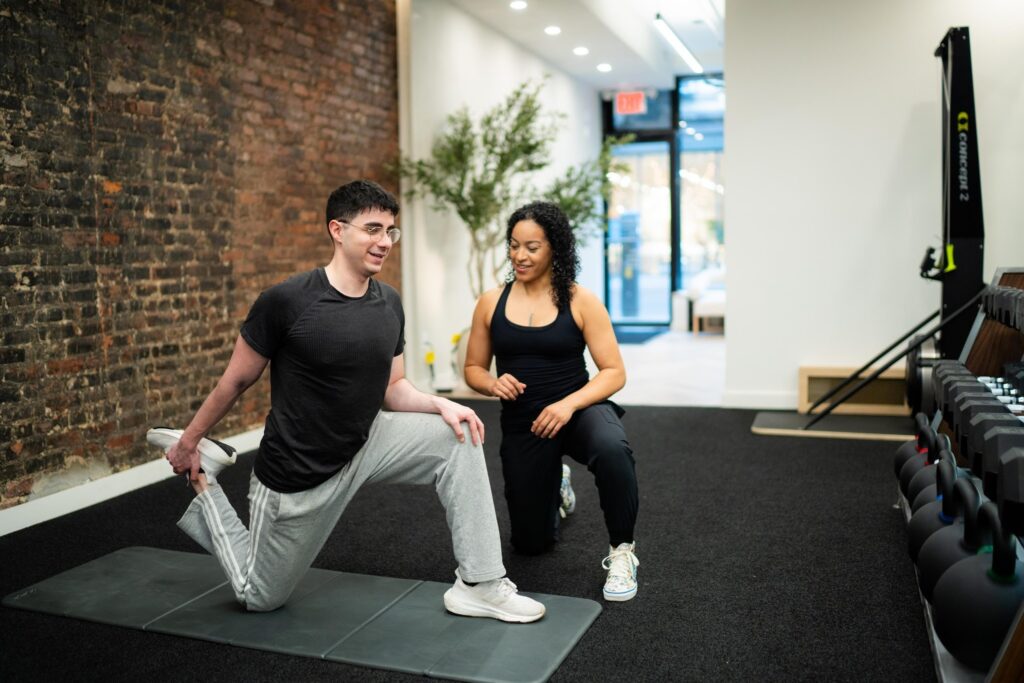
When people hear about pelvic floor health, they often think about strengthening exercises.
However, many individuals suffering from pelvic pain, urinary urgency, painful intercourse, constipation, or chronic tension actually have the opposite problem:
Tight Pelvic Floor Muscles
A healthy pelvic floor should be able to:
- Contract when needed
- Relax completely
- Lengthen during a bowel movement
- Coordinate with breathing
- Support sexual function
When the pelvic floor stays contracted for extended periods, symptoms can develop. Ongoing pelvic floor tension or pelvic floor muscle tension can make symptoms worse over time.
This condition is often called:
- Hypertonic pelvic floor
- Overactive pelvic floor
- Non-relaxing pelvic floor dysfunction
- Pelvic floor hypertonicity
According to research published by the National Institutes of Health (NIH), pelvic floor dysfunction can contribute significantly to chronic pelvic pain and urinary symptoms in both men and women.
What Are Pelvic Floor Muscles?
The pelvic floor muscles are a group of muscles located at the base of the pelvis.
They support:
- Bladder
- Rectum
- Reproductive organs
- Core stability
- bowel control
- Bowel function
- Sexual function
Think of them as a muscular hammock stretching from the pubic bone to the tailbone.
When tight muscles develop in the pelvic floor and the muscles surrounding the pelvis, they can contribute to pain, pressure, and dysfunction throughout the pelvic region.
Signs You May Need to Relax Your Pelvic Floor
Many people mistakenly perform more Kegels when their pelvic floor is already too tight.
Common symptoms of pelvic floor tension or pelvic floor issues include the following:
Symptoms can also occur with a weak pelvic floor, so proper assessment matters before choosing pelvic floor exercises.
Urinary Symptoms
- Bladder urgency
- Frequent urination
- Difficulty starting urination
- Incomplete bladder emptying
- urinary incontinence
- overactive bladder
An estimated 25 million adults in the US have urinary incontinence.
Bowel Symptoms
- Constipation
- Straining or difficulty starting a bowel movement
- Reduced bowel control
- Painful bowel movements
Pain Symptoms
- Pelvic pain
- Tailbone pain
- Hip pain
- Lower back pain
- Groin discomfort
Sexual Symptoms
- Pain during sexual intercourse
- Erectile dysfunction
- Difficulty achieving orgasm
- Reduced sexual function and overall sexual health
If these symptoms sound familiar, relaxation—not strengthening—may be the first step.
What Causes Tight Pelvic Floor Muscles?
Several factors can contribute to an overactive pelvic floor.
Physical Causes
- Chronic constipation
- Pelvic surgery
- Childbirth
- Athletic overtraining, where repetitive strain can leave the pelvic floor and nearby tense muscles
- Repetitive heavy lifting
Emotional Causes
The pelvic floor is highly influenced by the nervous system.
Stress, chronic stress, anxiety, and trauma often trigger unconscious muscle clenching.
Many patients don’t realize they’re holding tension in their pelvic floor throughout the day. Fear and ongoing stress can make symptoms worse by reinforcing guarding.
The Connection Between the Nervous System and Pelvic Floor Health
One of the most overlooked aspects of pelvic health is the role of the nervous system.
When the body perceives stress or danger:
- Muscles tighten
- Breathing becomes shallow
- Blood flow decreases
- Pain sensitivity increases
Deep breathing helps calm the nervous system and soften tense muscles.
The pelvic floor often becomes part of this protective response.
Over time, the body can get stuck in a cycle:
Stress → Muscle Tightness → Pain → More Stress → More Tightness
This is why effective treatment often includes both physical exercises and nervous system regulation techniques. Creating a safe environment matters for pelvic floor relaxation exercises because the body relaxes more easily when it does not feel threatened.
Best Exercise to Relax the Pelvic Floor Muscles
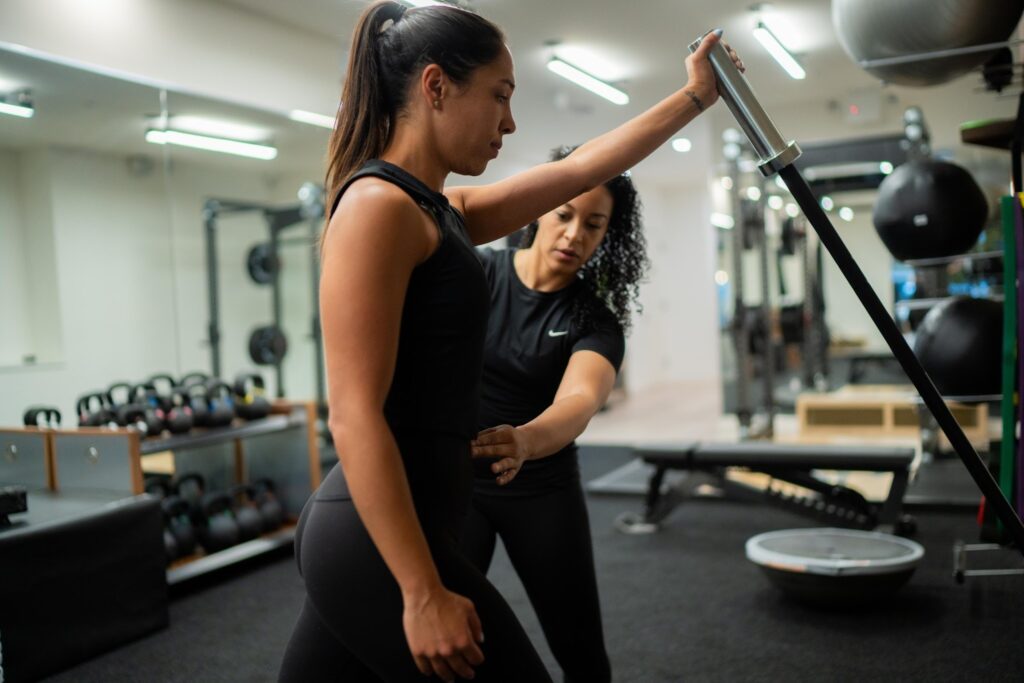
Below are the most commonly recommended exercises by pelvic floor physical therapists.
1. Diaphragmatic Breathing
Why It Works
The diaphragm and pelvic floor work together.
When you inhale:
- Diaphragm descends
- Pelvic floor lengthens
When you exhale:
- Diaphragm rises
- Pelvic floor gently recoils
How To Do It
- Lie comfortably on your back with knees bent and feet flat.
- Place one hand on your chest.
- Place one hand on your stomach.
- Inhale slowly through your nose.
- Allow your belly to rise.
- Exhale slowly through your mouth, keeping your rib cage relaxed.
Practice:
- 5–10 minutes daily
This is often the first exercise prescribed in pelvic floor physical therapy.
2. Happy Baby Pose
The Happy Baby stretch is excellent for opening the hips and inner thigh muscles while encouraging pelvic floor relaxation.
How To Perform
- Lie on your back.
- Bring knees toward your chest.
- Hold the outside edges of your feet.
- Gently pull knees toward the floor.
Hold for:
- 30–60 seconds
- Repeat 2–3 times
Benefits
- Opens the pelvic outlet
- Reduces tension, including in the butt muscles
- Improves mobility by stretching the inner thighs and thigh muscles
3. Child’s Pose
Child’s Pose promotes deep relaxation throughout the pelvis, lower back, and the muscles surrounding the hips.
Hold for 30 to 60 seconds. This is one of the gentlest pelvic floor stretches for people with pelvic floor muscle tension.
Steps
- Kneel on the floor.
- Sit back toward your heels.
- Extend your arms forward.
- Relax your belly and hips.
Hold:
- 1–2 minutes
Focus on slow breathing.
4. Pelvic Girdle Stretches
Pelvic girdle stretches are a type of pelvic floor stretches that help release tension around the hips and pelvis.
Examples include:
- Figure-four stretch
- Hip flexor stretch
- Butterfly stretch
- Adductor stretch
Tight hips often contribute to pelvic floor dysfunction, and improving flexibility in the muscles surrounding the pelvis can support better pelvic floor function.
5. Deep Squat Hold
A supported deep squat naturally lengthens the pelvic floor, hips, and inner thighs.
Hold for 30 seconds, using support under your heels or holding onto a stable surface if needed. Pair the position with practicing diaphragmatic breathing to improve relaxation.
How To Do It
- Hold onto a sturdy surface from the starting position, with feet flat.
- Lower into a comfortable squat.
- Keep heels on the floor.
- Breathe deeply.
- Keep your chest relaxed and use deep breathing rather than bracing.
Hold:
- 20–60 seconds
Avoid forcing the position if it causes pain.
6. Pelvic Floor Drop Exercise
Unlike a Kegel, this exercise focuses on pelvic floor release rather than contraction, which can be especially helpful for people with pelvic floor hypertonicity or a hypertonic pelvic floor.
Technique
Imagine:
- Releasing tension around the anus
- Softening the perineum
- Allowing the pelvic floor to gently expand
The goal is to soften tense muscles, not to push or bear down.
Many physical therapists call this a “reverse Kegel.”
Why Kegels Aren’t Always the Answer
One of the biggest misconceptions in pelvic health is that all pelvic floor exercises are right for every problem.
For people with:
- Tight pelvic floor muscles
- Pelvic pain
- Bladder urgency
- Painful intercourse
Kegels may help a weak pelvic floor but can aggravate pelvic floor tightness.
Additional strengthening may actually worsen symptoms.
Research increasingly supports individualized pelvic floor assessment before prescribing Kegels.
Related Blog: Kegel Exercises Using Ball: Do They Really Strengthen the Pelvic Floor?
How Physical Therapy Incorporates Exercise to Relax the Pelvic Floor
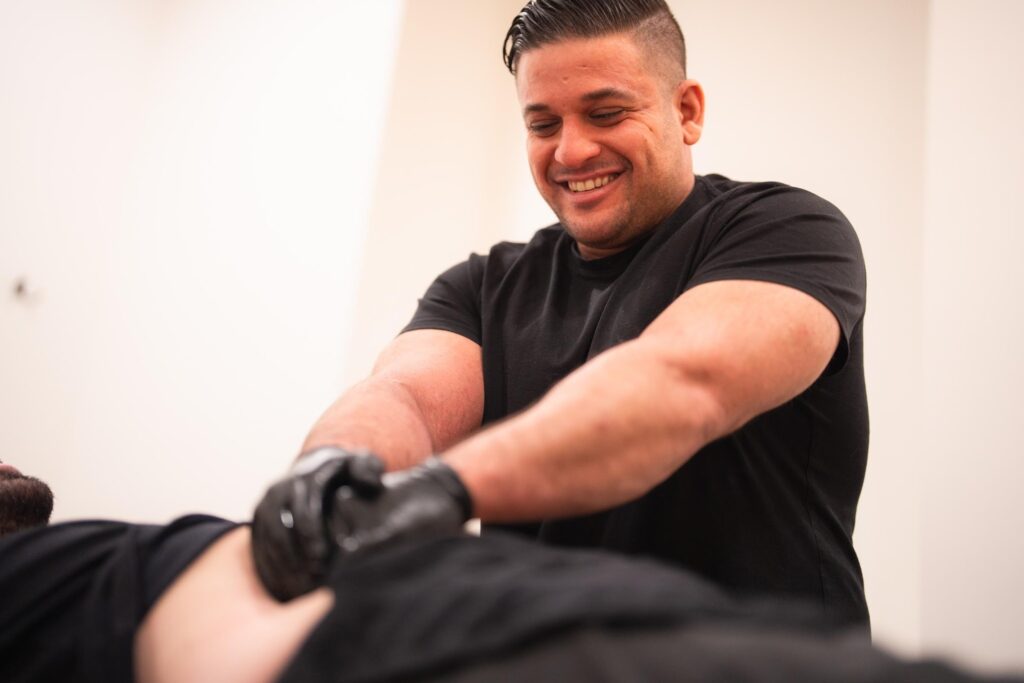
Pelvic floor physical therapy, or pelvic floor therapy, goes far beyond exercise alone.
It often includes exercise, manual work, and education for both tight and weak pelvic floor muscles.
A trained therapist evaluates:
- Muscle tension
- Breathing patterns
- Posture
- Movement habits
- Nervous system regulation
Treatment may include:
Manual Therapy
Hands-on techniques to release muscle tension.
Biofeedback
Helps patients learn how to relax muscles effectively.
Breathing Retraining
Improves coordination between the diaphragm and pelvic floor.
Exercise Prescription
Customized stretching and mobility programs.
Education
Understanding why symptoms occur often reduces fear and muscle guarding.
Real-World Example
A common patient at Pelvis NYC might arrive with:
- Pelvic pain
- Frequent urination
- Pain during sex
- Urinary incontinence
- Years of frustration
Many have already tried:
- Medications
- Strengthening exercises
- Multiple specialist visits
After evaluation, they often discover the issue is an overactive pelvic floor rather than weakness.
With targeted physical therapy, patients frequently report:
- Reduced pain
- Better bladder control and bowel control
- Improved sexual function
- Increased confidence
When Should You See a Pelvic Floor Physical Therapist?
Seek professional evaluation if you experience:
- Pelvic pain lasting longer than a few weeks
- Bladder urgency or frequency
- Urinary incontinence
- Painful intercourse
- Erectile dysfunction
- Chronic constipation
- Other pelvic floor issues affecting bowel control or sexual health
- Difficulty relaxing pelvic muscles
The earlier dysfunction is addressed, the easier it is to treat.
Why Pelvis NYC Specializes in Pelvic Floor Health

At Pelvis NYC, physical therapists specialize in treating a wide range of pelvic floor issues in both men and women, including urinary incontinence and pelvic floor tension.
Treatment focuses on:
- Pelvic pain
- Overactive pelvic floor
- Bladder urgency
- Sexual dysfunction and sexual health
- Post-surgical rehabilitation
- Chronic pelvic tension
Every treatment plan is individualized because no two pelvic floors are exactly alike. If you need help with exercise to relax the pelvic floor, don’t hesitate to reach out.
Ready to Start Feeling Better?
If you’re struggling with pelvic pain, tight pelvic floor muscles, bladder urgency, or sexual dysfunction, expert care can make a significant difference.
Pelvis NYC offers comprehensive pelvic floor physical therapy designed to help you relax your pelvic floor, reduce symptoms, and restore confidence.
Contact Pelvis NYC Today
- Website: www.pelvis.nyc
- Phone: 929-590-3445
- Email: drpelvis@pelvis.nyc
Frequently Asked Questions
What is the best exercise to relax the pelvic floor muscles?
Diaphragmatic breathing is often considered the best starting exercise because it naturally coordinates pelvic floor relaxation with breathing, especially when practicing diaphragmatic breathing with a slow, deep breath.
Can tight pelvic floor muscles cause pelvic pain?
Yes. Tight pelvic floor muscles are a common cause of chronic pelvic pain, pressure, and discomfort, often driven by pelvic floor muscle tension.
Does a tight pelvic floor affect sexual function?
Absolutely. Tight pelvic floor muscles can contribute to pain during sexual intercourse, erectile dysfunction, and difficulty achieving orgasm, which can affect overall sexual health.
How long does it take to relax an overactive pelvic floor?
Many people notice improvements within several weeks, although chronic cases may require several months of consistent therapy.
Are Kegels helpful for a tight pelvic floor?
Not always. Kegels can worsen symptoms in people with pelvic floor hypertonicity, especially if the pelvic floor is already overactive or excessively tight.
Can physical therapy help pelvic floor dysfunction?
Yes. Pelvic floor therapy is considered one of the most effective conservative treatments for pelvic floor dysfunction and chronic pelvic pain because it can help relax tight muscles, retrain coordination, and support bladder and bowel control.
No comment yet, add your voice below!